



The Oddest Things Found in Historical Wills
Most historical wills are fairly predictable. Someone gets the house, someone else gets the family silver, a favorite niece might inherit some jewelry. But every so often, a person uses their final legal document for something a little more memorable.
Across the centuries, people have sprinkled their wills with bizarre requests, elaborate pranks, treasured relics, and deeply personal instructions that left executors scratching their heads. Some tried to control what happened to their bodies after death. Others attempted to shape their legacy, reward strangers, or pull off one last practical joke. Here are some of the oddest requests ever committed to a last will and testament.
Virgil Tried To Destroy the Aeneid
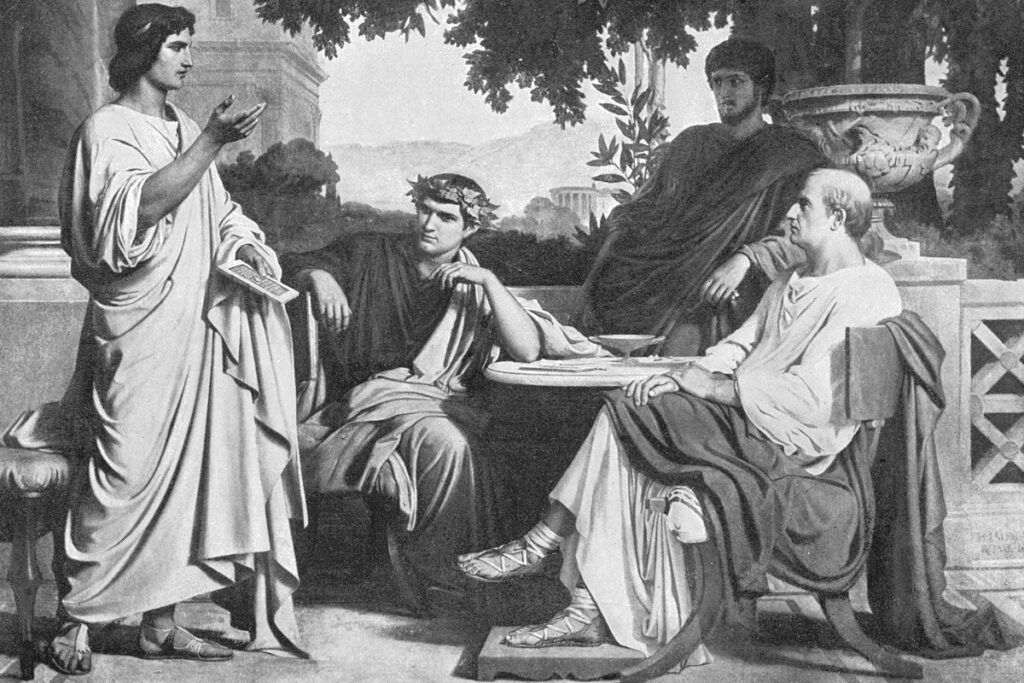
One of history’s greatest literary masterpieces almost disappeared before anyone had the chance to read it. When the Roman poet Virgil died in 19 BCE, he considered his epic poem, the Aeneid, unfinished. In his will, he instructed his friends and literary executors, Lucius Varius and Plotius Tucca, to burn the manuscript if he died before he could revise it. Virgil was such a perfectionist that he preferred no poem at all to one he considered incomplete.
Fortunately for literature, the executors refused. According to tradition, Roman Emperor Augustus himself intervened, ordering that the poem be preserved and published with as few changes as possible. The result inspired writers from Dante to Shakespeare and remains one of the most influential works ever written.
More from our network





Photo link
A Medieval Earl Left a Fragment of the True Cross
Modern wills often distribute family heirlooms, but medieval nobles sometimes possessed treasures that seem almost unbelievable today (possibly for good reason).
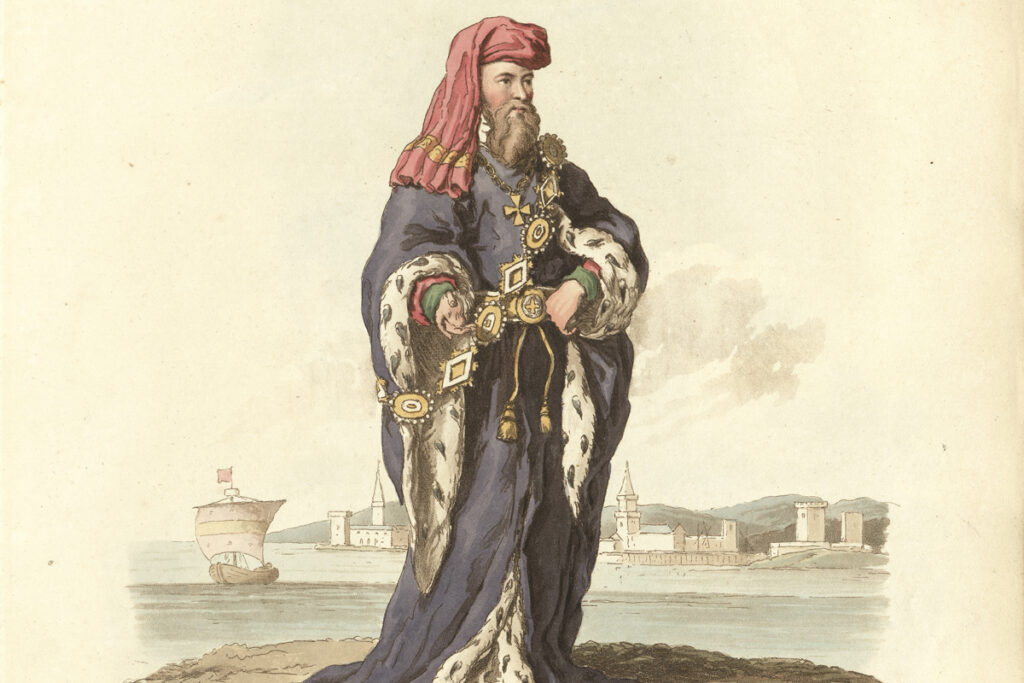
In 1296, William de Beauchamp, Earl of Warwick, carefully divided up his possessions before his death. Along with silver vessels, jeweled rings, and money for soldiers in the Holy Land, he bequeathed to his wife a lavish cross that supposedly contained a fragment of the wood from Christ’s crucifixion.
To modern readers, the idea of inheriting a piece of the True Cross may sound fantastical. But during the Middle Ages it was quite plausible. Crusaders had brought many True Cross relics back to Europe, and the items were among the most prized possessions a noble family could own. They were believed to possess profound spiritual significance and were often housed inside elaborate gold and jeweled reliquaries.
One Philosopher Turned Himself Into a Statue
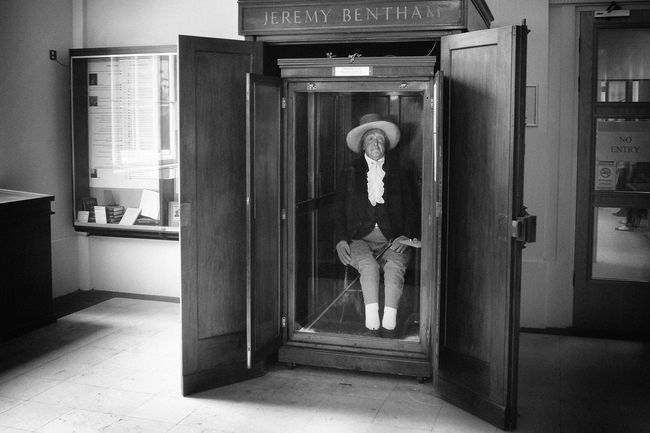
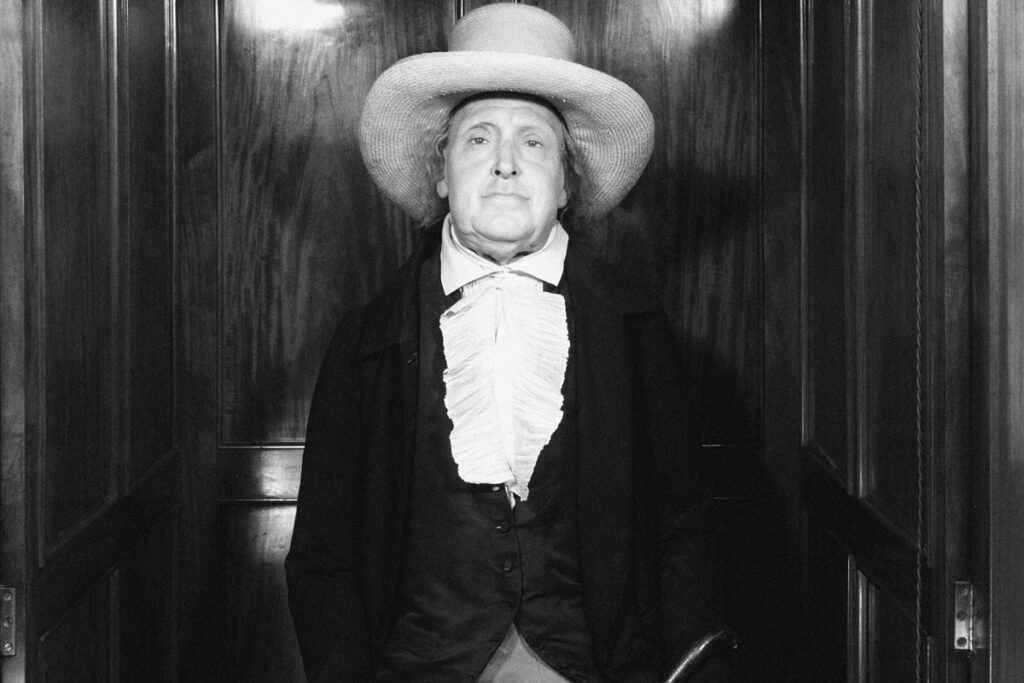
English philosopher Jeremy Bentham spent his life arguing that society should be guided by reason and utility, and he extended that philosophy even after death.
When Bentham died in 1832, he left detailed instructions that his body first be dissected for the benefit of medical science. (This was a nearly unheard-of request at the time — in fact, Bentham is thought to be the first person to leave his body to science.) Afterward, he directed that his skeleton be reassembled, dressed in his own clothes, seated in his favorite chair with his walking stick, and displayed in a cabinet as what he called an “auto-icon.” He even suggested that, should his friends gather annually to remember him, his preserved figure be wheeled into the room to join the festivities.
The plan was only partly successful. Attempts to preserve Bentham’s actual head went badly, so a wax replacement was made for the display. Today, his auto-icon still resides at University College London, where it remains one of the world’s most unusual memorials.
A Countess Wanted Her Right Hand Buried Separately
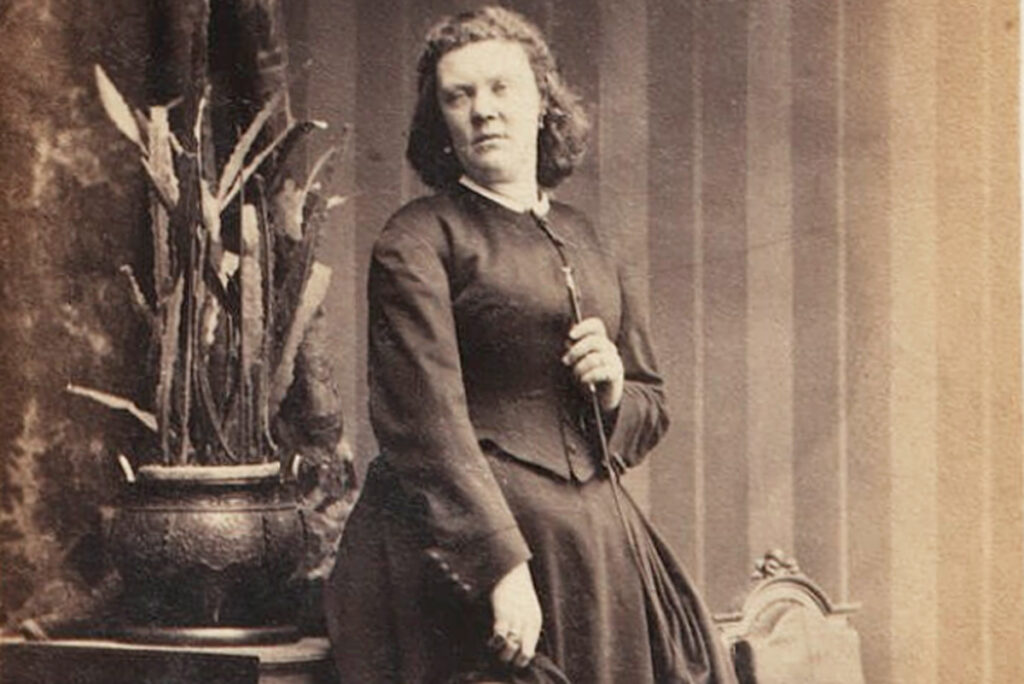
Some of history’s strangest wills remain mysterious because they never explain why. When the Countess of Loudoun died in 1874, for instance, she left a startling instruction: After her death, her right hand was to be cut off and buried separately in Donington Park, marked only with the family motto: “I byde my tyme.”
Contemporary accounts suggested that the order was carried out, although later sources disagreed over whether her unusual request was ultimately fulfilled. The countess never explained the reasoning behind her wish, and historians have never uncovered a definitive answer. It may have reflected a private family tradition, a personal symbol, or something else entirely.
An Animal Lover Dreamed of a Palace for Cats
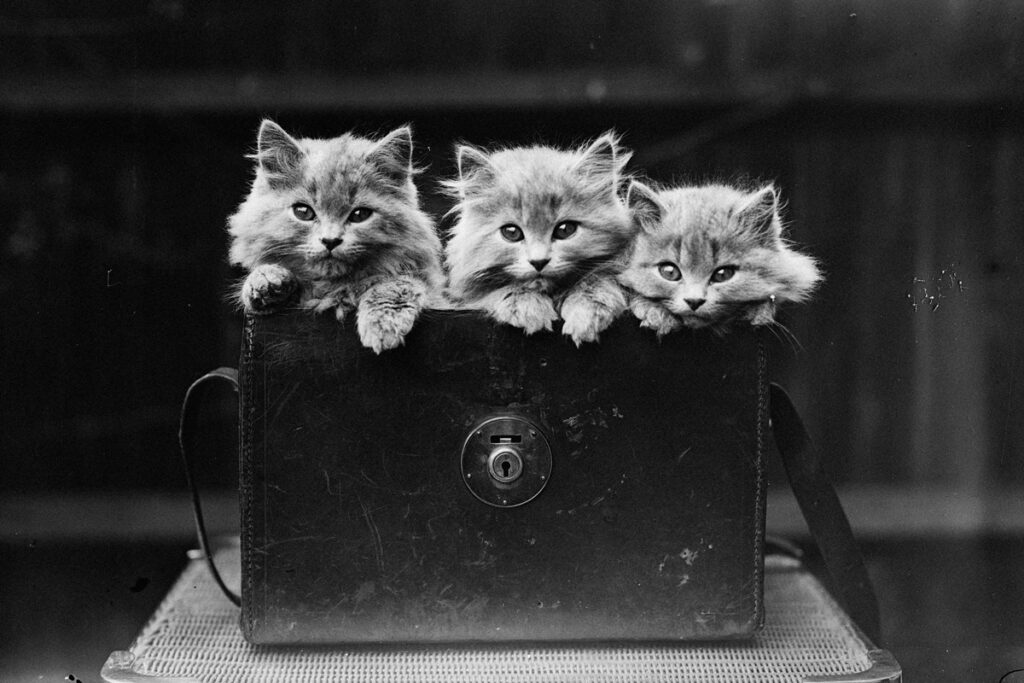
Not every unusual bequest was aimed at humans. When Ohio animal lover Jonathan Jackson died in 1880, he directed that his fortune be used to establish what was essentially an upscale retirement home for cats. The facility was to include bedrooms, a dining hall, climbing areas, exercise space, and even an auditorium where feline residents could enjoy accordion concerts. Jackson explained his reasoning simply: “It is man’s duty, as lord of animals, to watch over and protect the lesser and feebler.”
While many of Jackson’s human heirs reportedly found the idea absurd, his unusual vision anticipated the modern movement toward leaving money for the care and welfare of beloved pets.
One Prankster Sparked the “Great Stork Derby”
Toronto lawyer Charles Vance Millar had a reputation as a prankster during his lifetime, and he managed one last practical joke after his death in 1926.
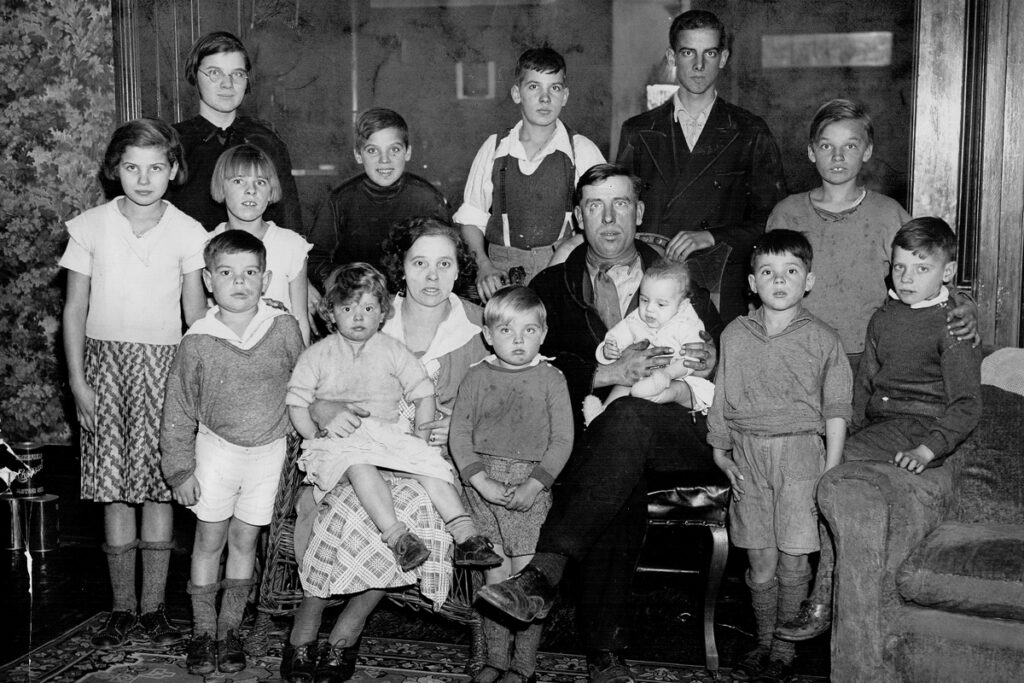
Millar’s will scattered dozens of mischievous bequests among people whose principles he delighted in testing. Temperance-minded Protestant ministers inherited brewery stock, anti-gambling reformers received shares in horse-racing clubs, and three feuding lawyers were jointly left a vacation property. But his most famous clause directed that the remainder of his fortune go to whichever Toronto mother gave birth to the most children during the decade following his death.
What sounded like a joke became an international sensation as the Great Depression took hold. Newspapers closely followed the leading contenders, while courts spent years deciding which births counted under the will. The contest ultimately ended in a four-way tie, with four mothers dividing a fortune that had grown dramatically in value. (Two other women were given smaller settlements.) Each family got the equivalent of about $2.1 million in today’s Canadian dollars. Nearly a century later, the bizarre “Great Stork Derby” remains one of the strangest inheritance disputes ever recorded.
“Uncle Billy” Left His Fortune to Local Children
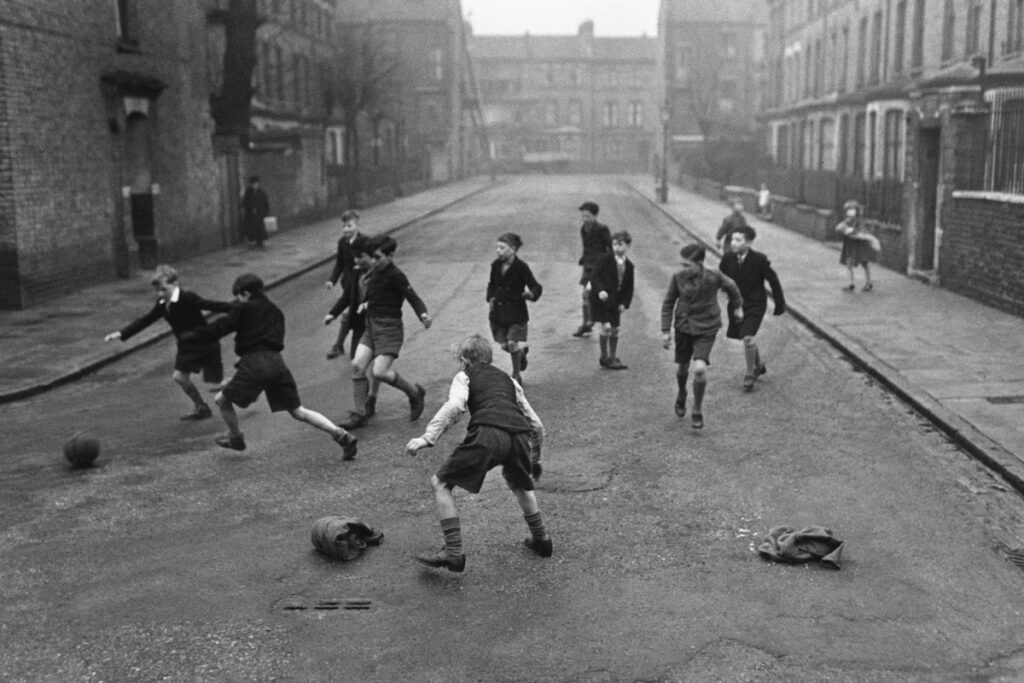
Not every unusual will was eccentric for eccentricity’s sake. When Frederick William Williamson — affectionately known as “Uncle Billy” around the English town of Chesterfield — died in 1943, he left the remainder of his substantial estate to provide local children between 4 and 12 years old with an annual day of fun, along with clothing. Rather than enriching distant relatives, Williamson chose to invest in generations of children he had come to know and care about.
Compared with severed hands, preserved philosophers, and baby-making contests, Uncle Billy’s final request may seem almost ordinary. Yet it illustrates something many of these remarkable wills have in common: a desire to be remembered. Some people sought immortality through pranks, others through literature or philosophy, and still others through simple acts of generosity. Long after the estates were settled, each succeeded in leaving behind a story that continues to be told.


