



What Did Cowboys Actually Eat on the Trail?
We’ve all seen the version of cowboys that Hollywood likes to show us, but the Western film genre has always been rife with myths. In reality, cowboys were rarely the dashing gunslingers of legend; instead, they were poorly paid laborers engaged in difficult and dirty work, whether it was helping out with the daily chores on someone else’s ranch or embarking upon grueling, monthslong cattle drives.
From the 1860s to the 1890s, these great cattle drives helped define the American West. And for the cowhands hired to drive tens of thousands of cattle across hundreds of miles of open country, one thing was key to survival: food. Meals on the trail had to be portable, nonperishable, and quick and easy to cook. Cowboy cuisine was far from glamorous, but it kept everyone alive — a repetitive, high-calorie diet designed for survival and portability rather than pleasure. With that in mind, here are some of the foods that fueled the American frontier.
Beans
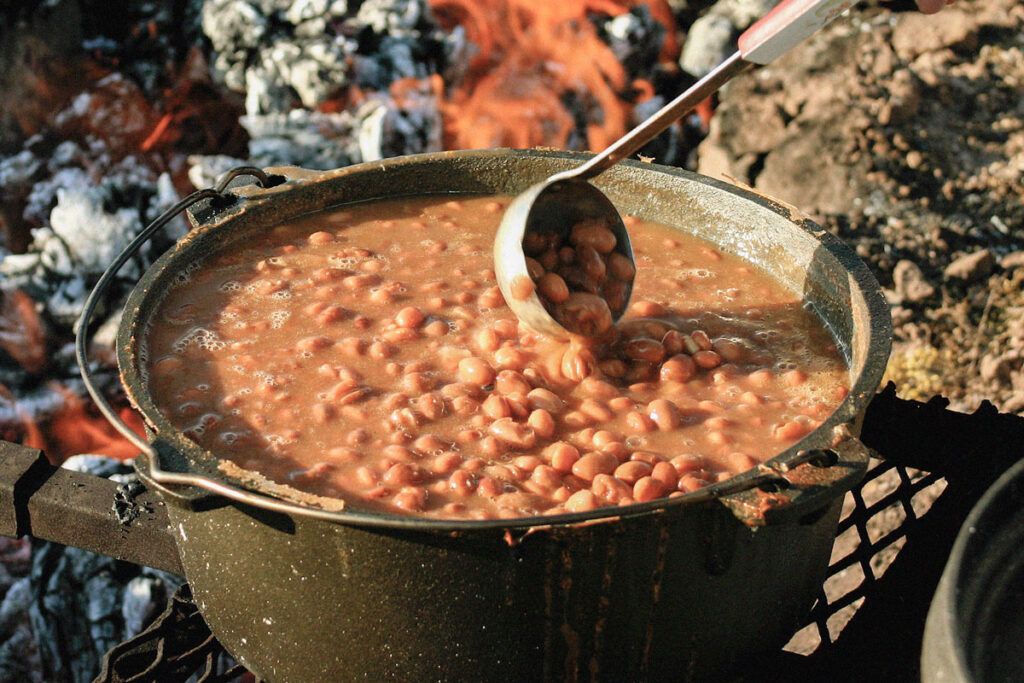
Mel Brooks’ 1974 comedy movie Blazing Saddles may have taken a few liberties with historical veracity, but it did get one thing right: Cowboys ate a lot of beans. Beans were the champions of trail food, and cowboys ate them every day. It was a practical option, as beans were readily available, easy to store and transport, and simple to prepare in one pot. Pinto beans were the most common variety, often slow-cooked with salt pork, and perhaps some chiles, for flavor. Cowboys had a variety of colorful nicknames for beans, including “whistle berries” and “Mexican strawberries.”
Sourdough Biscuits
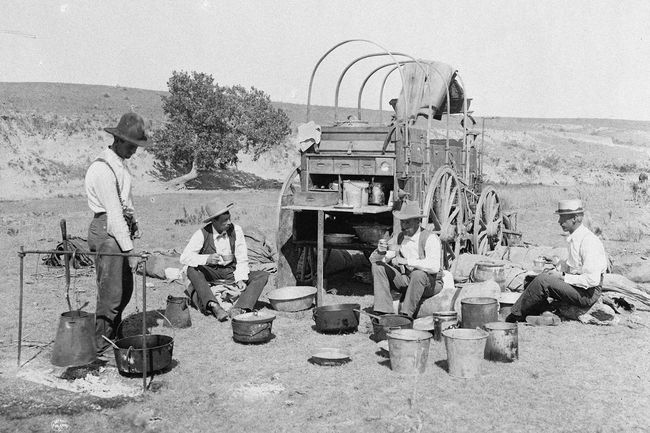
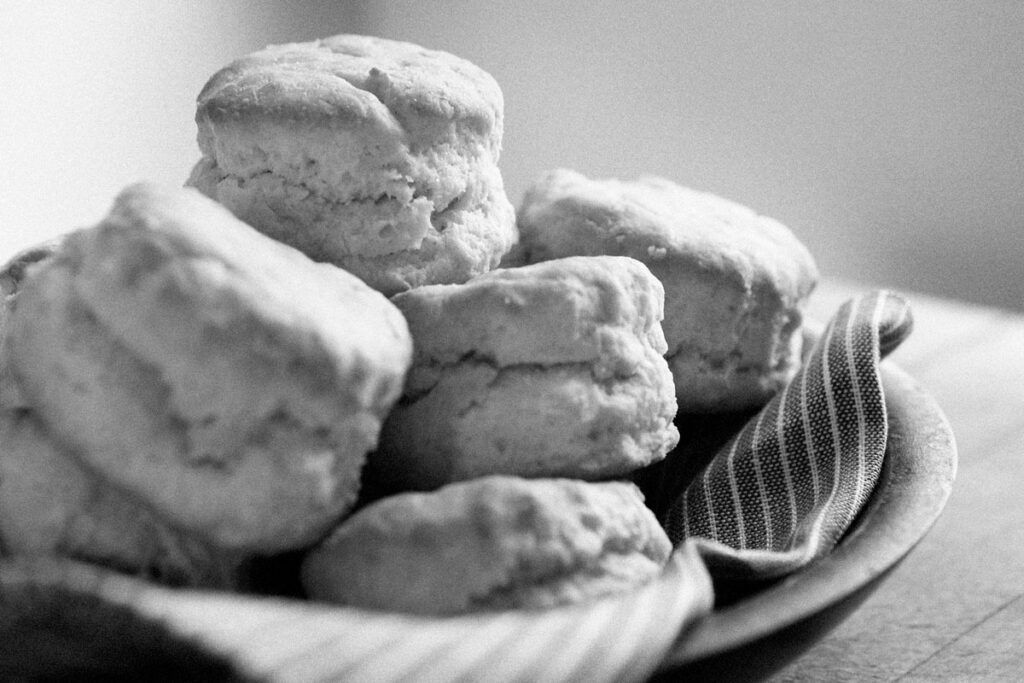
Meals on the trail were prepared in what was known as a chuckwagon — essentially a horse-drawn mobile kitchen, often nicknamed the “cookie.” The cook normally had one essential that was always being cared for: a sourdough starter of flour and water that was used for making sourdough biscuits and bread. Cooked in a Dutch oven placed directly over the campfire, sourdough biscuits were a hearty staple of the cowboy diet. With their sturdy consistency and slightly tangy flavor, they were a perfect accompaniment to beans and gravy.
More from our network





Beef Jerky
Despite being surrounded by hundreds of cattle, cowboys rarely ate fresh beef from the herd (unless an animal was sick or injured and could no longer be driven). Instead, smoked jerky was the most common way to consume beef, because it was easy to carry, lasted much longer than fresh meat, and could easily be added to stews. Cowboys preserved their beef by turning it into jerky using a variety of methods, including sun drying, smoking, and salting. Cowboys did hunt fresh game along the trail, but beef jerky ensured that meat was always on hand.

Salt Pork and Bacon
Salt pork — pork that is heavily salted to preserve the meat — was prized for its very long shelf life. Unlike jerky, salt pork couldn’t be consumed directly and had to be soaked in water to reduce the salt content before cooking. Cowboys also ate a lot of bacon, especially for breakfast, but it was nothing like the thin-sliced variety found today. It was typically “sowbelly” — pork fat from the belly (and sometimes the back and sides) of the pig, heavily cured with salt.

Dried Fruit
Dried fruits offered much-needed sweetness on the trail, and most chuckwagons had some in supply. Apples were the most common dried fruit, but apricots, cherries, peaches, raisins, and prunes also made an appearance, largely depending on what fresh fruit was available in the region.
As well as breaking up the monotony of all the savory staples, preserved fruits contained essential vitamins that helped keep cowboys relatively healthy on the trail. Fresh fruits, such as berries encountered along the route, were always a welcome discovery, but dried fruits offered a more dependable and long-lasting supply.

Hardtack
Hardtack has been a survival staple for centuries, feeding soldiers, sailors, explorers, and adventurers in many extreme situations. It’s basically a dense, dry cracker, made from flour and small amounts of water, that can last for months (or even years) without spoiling. Hardtack was a common ration for soldiers during the Civil War and was then adopted by cowboys on the trail. While almost inedible on its own, it provided a quick and easy snack when dunked in coffee, crumbled into stew, or soaked in water and fried in bacon fat.

Potatoes and Onions
Along with beans, potatoes and onions were among the most common vegetables in a cowboy’s diet. Durable, filling, and easy to store, they added texture and flavor to what could otherwise be very bland cooking. Both were added to stews and mixed in with beans, and potatoes were often fried in bacon grease.

Canned Goods
Canned goods were considered a genuine luxury on the trail, being both heavy and expensive. But a well-prepared chuckwagon might have some canned items — known as “air tights” — in stock, such as canned peaches or tomatoes, which would have been highly prized by any cowboy.
Canned tomatoes were a thirst-quencher and contained some much-needed sugar, and the acidity helped to counter the gypsum found in most river water (which cowboys would often drink untreated). Opening a can of peaches, meanwhile, was the ultimate morale booster — and about as close to luxury as a cowboy could get while making their way across the frontier.


