




Did Victorian Women Really Faint All the Time?
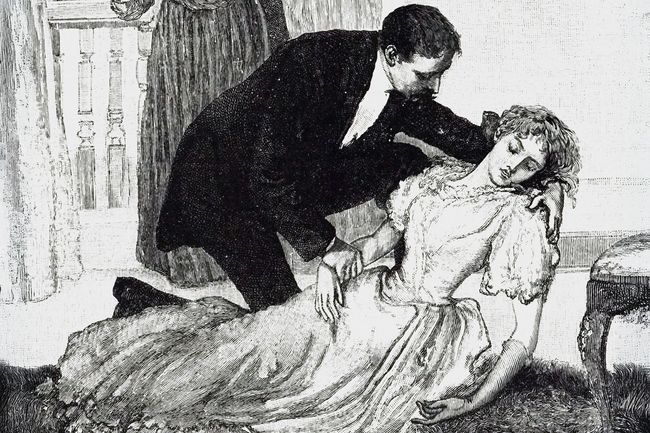
It’s one of the most enduring images of the 19th century: a Victorian lady, corseted and coiffed, collapsed on a fainting couch. The idea appears repeatedly in literature and period dramas, and has become a kind of shorthand for the female condition during Queen Victoria’s reign. But did women of the era really swoon so easily and so frequently?
There are certainly many reasons to believe fainting was common; life in Victorian England wasn’t always the most sanitary or healthy, and women’s clothing was often elaborate and restrictive. But while these factors explain occasional collapses, they don’t tell the whole story.
A Literary Trope
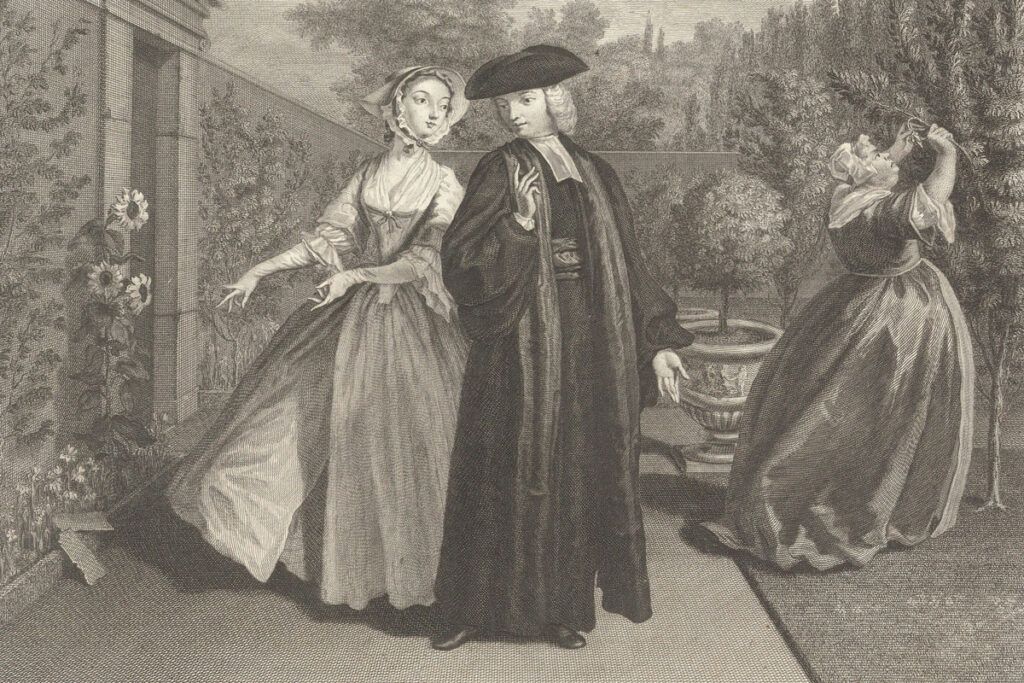
In the mid-18th century, novels started to become popular in Britain, and a social tradition known as the culture of sensibility dominated the evolving medium, rooted in Enlightenment ideas about moral improvement. Literary works celebrated emotion as a sign of morality, depicting weeping and fainting — by both women and men — as signals of virtue.
The tradition continued into the 19th century. Fainting was still a common trope, but it was often framed as “swooning,” a softer, more romantic take that made it a natural fit for fiction — and usually, though not exclusively, for female characters. Writers such as Charles Dickens and Charlotte and Emily Brontë frequently used fainting not as a medical event but as a dramatic plot device that portrayed shock, fear, repression, or being overcome with emotions.
More from our network





Gender Norms
Novels and their later dramatic adaptations helped popularize fainting, but Victorian society made it believable. Strict gender roles were the norm, with men expected to be rational and sturdy and women gentler and more fragile. These conventions helped reinforce the ideals that valued women as morally upright and composed, yet prone to emotional delicacy.
Fainting, then, was a socially acceptable — even expected — way for women to express emotion: It was seen as just dramatic enough without being rebellious or excessive. A sudden swoon could signal just the right kind of femininity, perhaps acting as more of a social cue than a physiological event. Even mild episodes — a moment of dizziness or a need to sit down — were easily dramatized with props such as smelling salts carried around in beautiful cases, helping to punch up the cultural script.

The Physical Reality
Victorian fainting, of course, wasn’t all fiction. People fainted then as they do now, and 19th-century English life was rife with conditions that could make anyone lightheaded. Poorly ventilated homes that burned coal for heat; crowded and polluted cities; arsenic-laced beauty treatments and wallpaper; and even dangerous additives in food posed additional, very tangible, hazards. Add to that the weight of layered Victorian clothing, and it’s easy to imagine moments of dizziness.
Of course, no discussion of Victorian fainting is complete without mentioning corsets. An essential part of the Victorian silhouette, corsets could indeed restrict breathing or affect blood pressure, especially if tightly laced. But historians agree that the idea of women regularly tight-lacing to the point of passing out has been largely exaggerated. Most women wore corsets for support, not spectacle; women of all classes were able to work or remain active even while wearing the everyday garment. It is probable, however, that corseting, along with these other environmental factors, did contribute to some lightheadedness and fainting during this era.

Fact or Fiction?
The image of women draped dramatically in parlors or fainting rooms — which, along with the famous fainting chairs, didn’t acquire their names until the turn of the 20th century — owes more to melodrama and modern imagination than it does to historical reality. The Victorian era had no shortage of medical issues, from infectious diseases such as cholera and typhoid to heart problems and complications during childbirth. But fainting wasn’t a persistent epidemic. Instead, it very likely became a myth that persists today as part of the broader Victorian idea of female fragility.


