



Why Do We Drive on the Right Side of the Road?
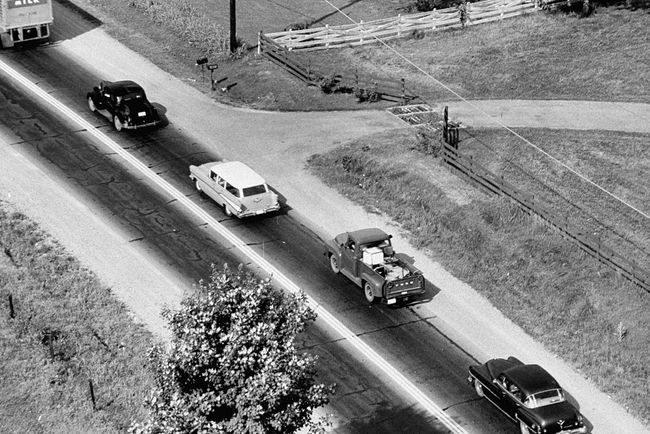
When it comes to transportation, Americans and Brits have one thing in common: They both consider the other to be driving on the wrong side of the road. But how did it come to this?
Today, only about a third of the world’s countries drive on the left side of the road, including Britain and many of its former colonies, such as Australia, India, Pakistan, Jamaica, and South Africa. The United States, however, bucked this colonial trend. To understand why the U.S. drives on the right, we have to travel back long before cars existed at all — back to a time of horse-drawn buggies, ousted monarchs, and a very particular 18th-century wagon.
A Quick Detour Through Europe
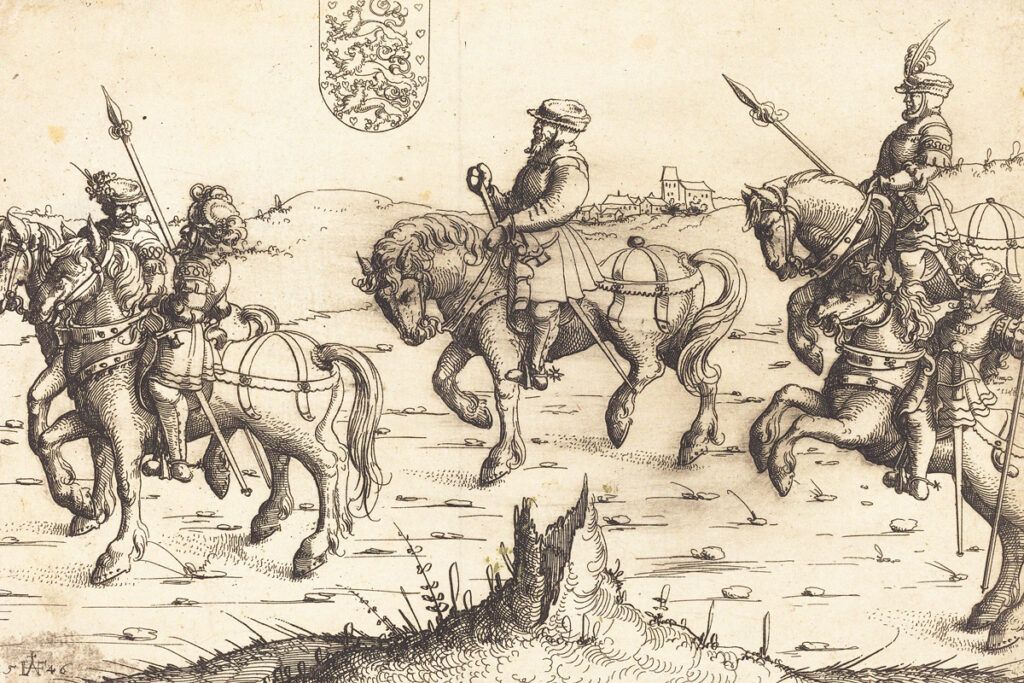
Britain’s tradition of driving on the left side of the road predates cars entirely, and historians don’t fully agree on a single origin, though the most common explanation involves swords. In a medieval world where highway robbery was a real risk, travelers on horseback — being predominantly right-handed — kept to the left when passing an oncoming rider or pedestrian, leaving their sword hand free to react to any malicious moves by the approaching stranger.
Still, most people in the Middle Ages would have ridden their horses and wagons in the middle of the road (or whichever side was in the best condition), simply because there wasn’t much traffic to worry about. It was only later, in increasingly busy cities, that travel required some standardization. The first attempts in Britain occurred in 1756, when traffic crossing London Bridge was officially required to stay to the left. Similar laws were adopted by other towns, including in Scotland. Finally, Britain passed the Highway Act of 1835, making it a legal requirement to drive on the left side of all roads.
Continental Europe, meanwhile, was busy flipping the opposite way. Before the French Revolution of 1789, tradition dictated that French aristocrats traveled on the left in their carriages while everyone else was pushed to the right in a visible symbol of class divide. But after King Louis XVI was executed by revolutionaries in 1793, the highway hierarchy was overturned.
The nobility decided to walk or ride on the right side just like everyone else, possibly in a show of solidarity — but perhaps more likely as a simple way to avoid being targeted by the newly empowered common people. France then standardized traveling on the right side of the road, a rule that Napoleon Bonaparte later exported to many of the European territories his armies conquered, largely explaining why countries such as the Netherlands, Russia, Poland, and Germany also drive on the right. But Britain was never conquered by Napoleon, so it took its left-side custom across the British Empire and into the automobile age.
More from our network





America’s Wagons
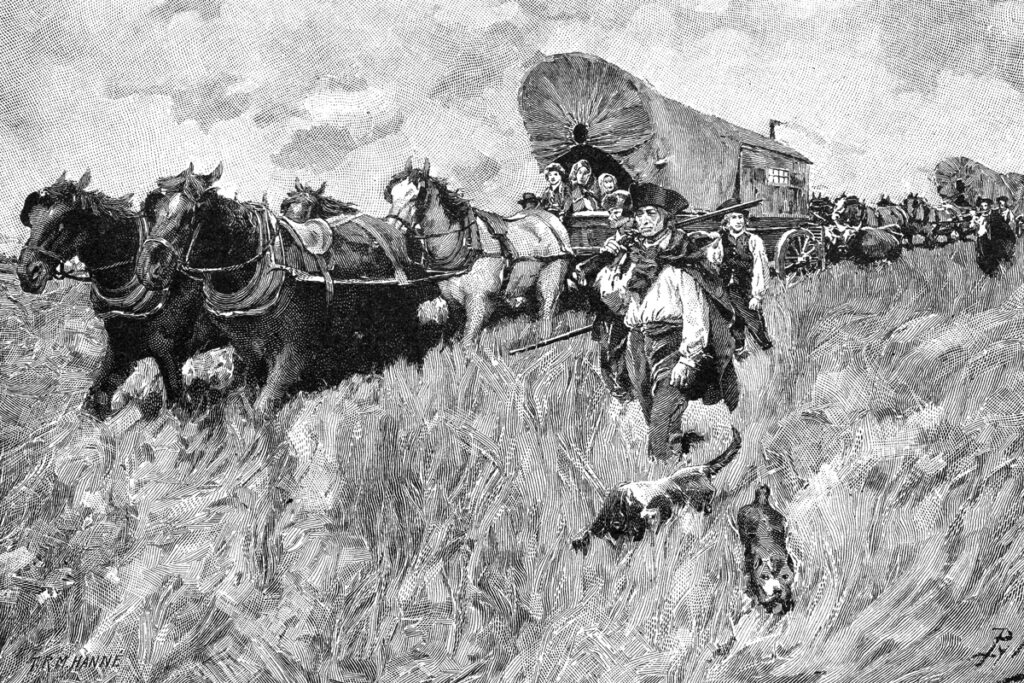
In colonial America, people were already doing things differently. According to historian Albert C. Rose, “All available evidence seems to indicate that the right-hand travel predominated in colonial America from the time of the earliest settlements.” The reason the right side was favored had little to do with Old World customs and everything to do with the way in which colonial Americans were traveling overland — specifically, the type of wagons that were being used for westward expansion.
Historians tend to point to one particular colonial vehicle as the major impetus for right-side driving in the United States: the Conestoga wagon. Developed around 1750 in Pennsylvania, these large freight wagons, pulled by four to eight horses, were larger and more robust than most of the covered wagons of the time, and they soon became the main land transport vehicle for both goods and people.
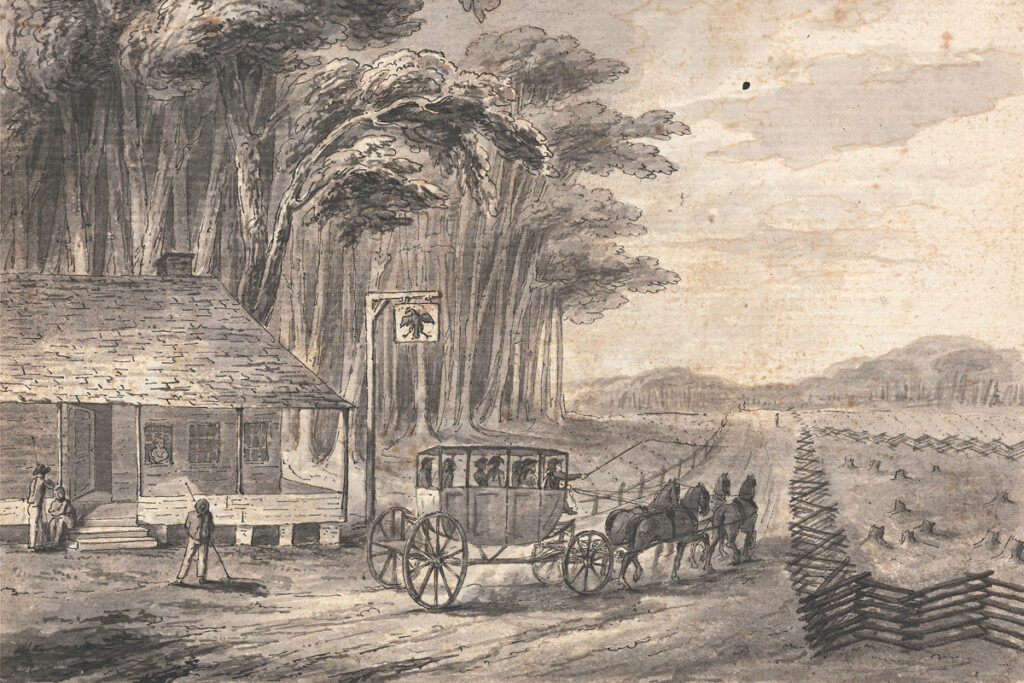
The Conestoga wagon didn’t have a front driver’s seat. The driver either rode postillion-style (riding the closest horse on the left side) or sat on a “lazy board” plank seat on the left-hand side of the wagon. In both cases, drivers kept to the left so they could hold the reins with their left hand and the whip with their right, as well as operate the brake lever mounted on the wagon’s left side. From their position on the left, drivers found it made more sense to keep the wagon itself on the right side of the road, giving them a better view of the road ahead and leaving ample room for passing oncoming wagons.
How Right Became the Rule
By the late 1700s, the Conestoga wagon was so common that driving on the right side of the road had become the informal norm across much of colonial America — well before any official laws were established. Soon, carriages, wagons, carts, and solo riders were habitually keeping to the right, especially when preparing to pass oncoming traffic.
As traffic increased, especially in and around major towns and cities, individual states gradually began formalizing what wagon drivers had already been routinely doing. Pennsylvania set the pattern in 1792 with a keep-right rule for its turnpike. New York then passed a statewide law in 1804, becoming the first state to mandate right-hand travel on all public highways. Other states adopted similar rules as roads expanded — New Jersey in 1813, Massachusetts in 1821, and so on. By the Civil War, right-hand travel was followed, whether legally or just as a well-established rule of the road, in every state in America.
So, while colonial Americans could have reasonably followed the British proclivity for driving on the left — or even chosen to travel on the right in a deliberate show of solidarity with their revolutionary cousins in France — it was ultimately the Conestoga wagon that steered America to the right side of the road (or the wrong side, if you happen to be British).


