



What Was Stonehenge’s Actual Purpose?
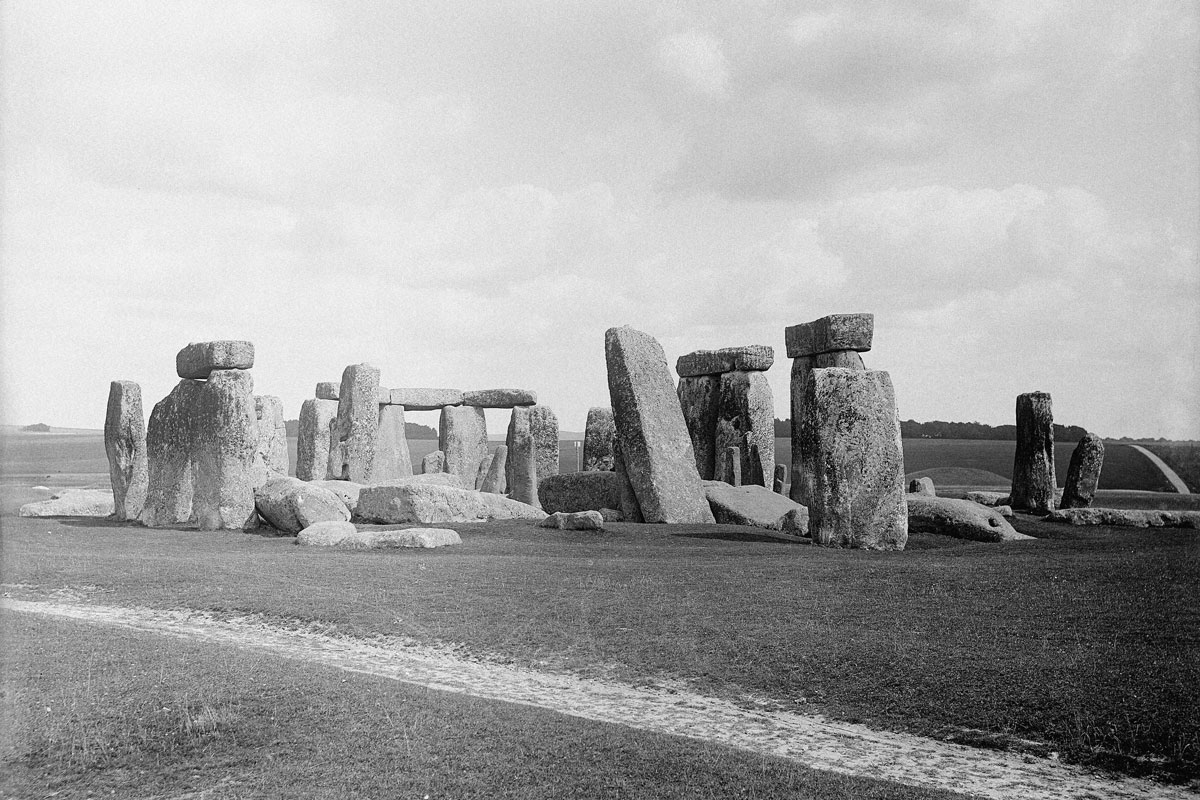
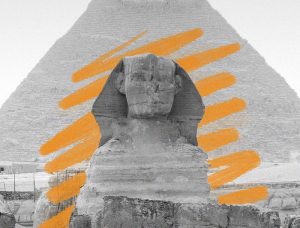
For thousands of years, Stonehenge has stood on England’s Salisbury Plain, shrouded in mist and mystery, its massive stones arranged in circles that continue to puzzle archaeologists and visitors alike. Built around 4,500 years ago — around the same time as the Sphinx and the Great Pyramid of Giza in Egypt — this historic monument has inspired many theories as to its purpose. Was it an ancient observatory? A burial ground? Or something else entirely?
As Stonehenge was built by a Neolithic culture that left no written records, little is known for sure about its origins. The first significant surveys and excavations of the monument were made by English antiquarians John Aubrey and William Stukeley in the late 1600s, and it was they who first suggested the Druids as the most likely engineers — a myth that stuck (and is widely repeated even today), despite Stonehenge predating the Druids by more than a thousand years. People have studied the site ever since and further discoveries are still being made, expanding our knowledge regarding who exactly may have built Stonehenge and why. And recent research suggests its purpose was more complex than anyone imagined.
An Astronomical Calendar
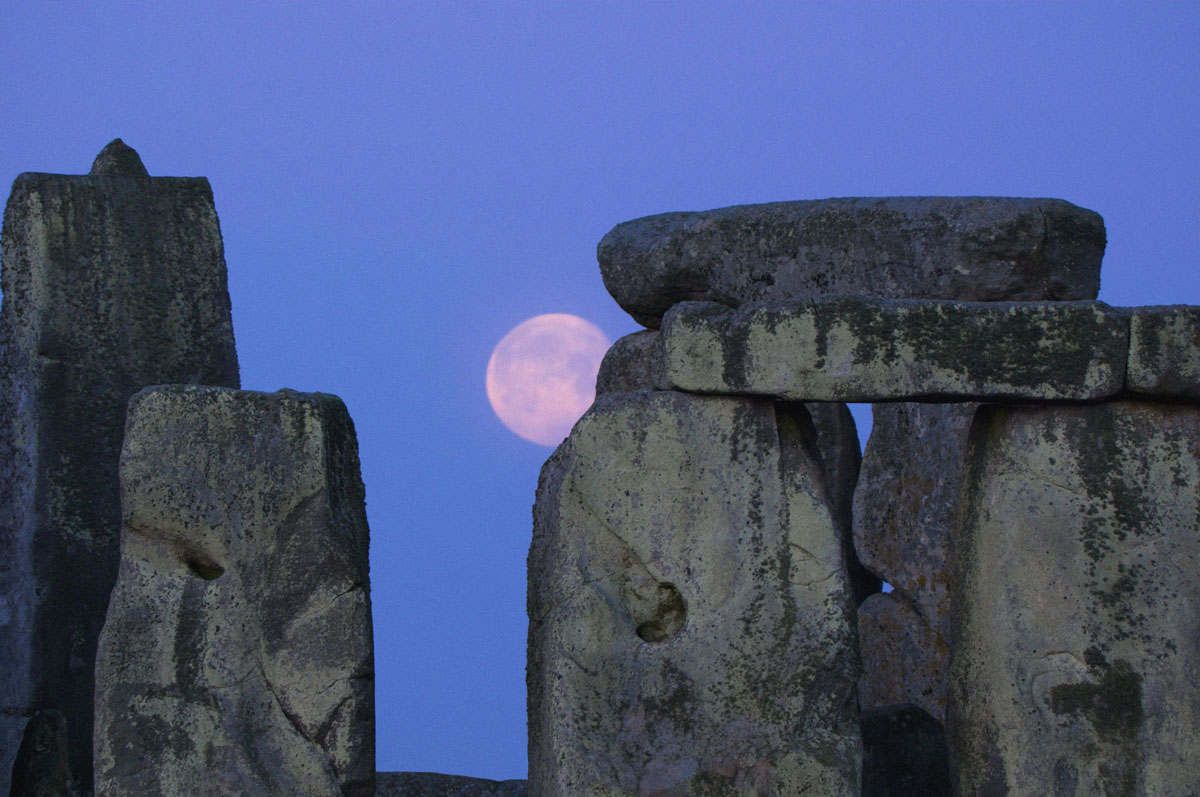
The idea of Stonehenge as an astronomical observatory has been around for a long time. As far back as the late 18th century, the antiquarian and polymath James Douglas concluded that the monument must have been an ancient solar temple due to its alignment with the midsummer sunrise. The theory of Stonehenge as some kind of Neolithic calendar gained traction from there, prompting many similar studies, including research in the 1960s when computers were used to make more precise calculations.
Archaeological studies have proved that solstitial alignment was almost certainly a consideration of the people who built Stonehenge. It appears, however, that marking the summer solstice was not the priority. Due to the form and layout of Stonehenge, many archaeologists now believe that midwinter was the more important marker — which makes sense given that winter was the most challenging time of year for ancient agricultural communities.
You may also like


More from our network





A Cemetery for the Elite
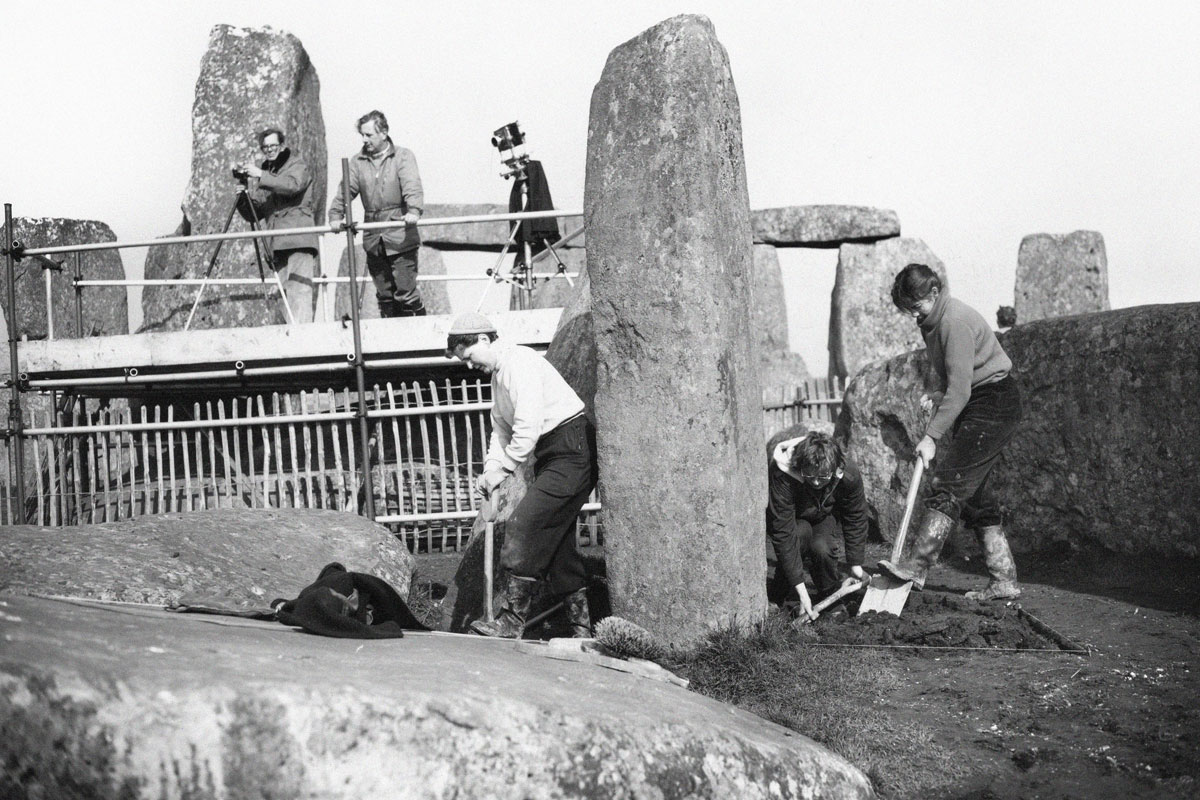
It’s clear that Stonehenge was closely associated with the dead — the collection of Neolithic cremated human remains discovered at the site is the largest in Britain. In 2013, archaeologist Mike Parker Pearson and his team excavated more than 50,000 bone fragments from 63 individuals buried at Stonehenge. Certain high-status artifacts found at the site, such as a mace head and what may have been an incense bowl, suggest that the people buried there were significant religious and political leaders, along with their families. The researchers also suspect that the burial ground could have been used by a single royal family over many generations.
A Healing Center
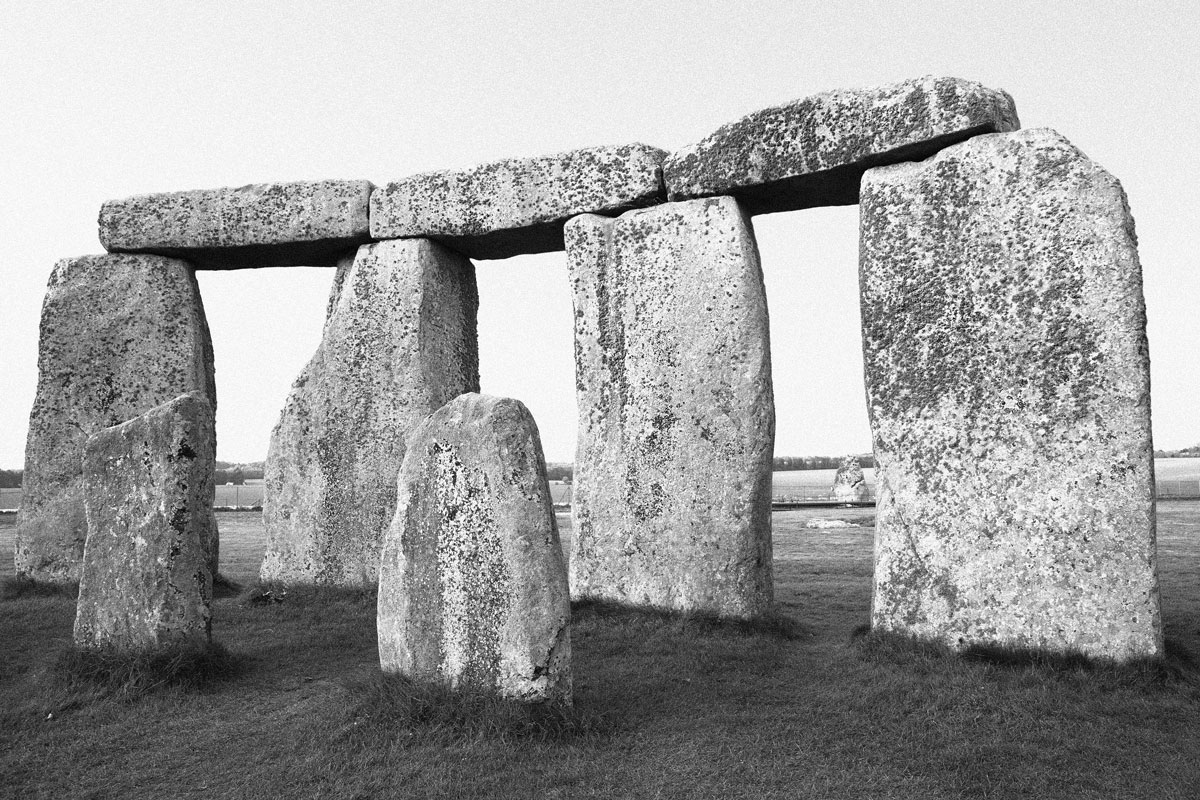
In 2008, two of Britain’s leading archaeologists and world-renowned Stonehenge experts, Timothy Darvill and Geoff Wainwright, proposed a slightly controversial yet compelling new theory: Stonehenge was a site of healing, like a prehistoric Lourdes. The key to their theory is the presence of bluestones at the site — the smaller stones that form the inner circle of Stonehenge. These stones came from the Preseli Hills in Wales, more than 150 miles away, where they were associated with healing springs believed to be imbued with mystical properties. It was because of their healing properties, Darvill and Wainwright argue, that people went to such great lengths to drag the stones all the way to Salisbury Plain.
To support their claim, they point toward the large amount of bluestone chips scattered around Stonehenge, suggesting people had broken off pieces to heal themselves. They highlight one specific case, that of the “Amesbury Archer,” whose tomb was discovered near Stonehenge. Analysis revealed that the archer came from central Europe and suffered from a knee injury and infected jaw. He died around 2300 BCE, the same time the bluestones arrived at Stonehenge. Wainwright and Darvill speculate that he came to Stonehenge in search of healing.
A Monument of Unity
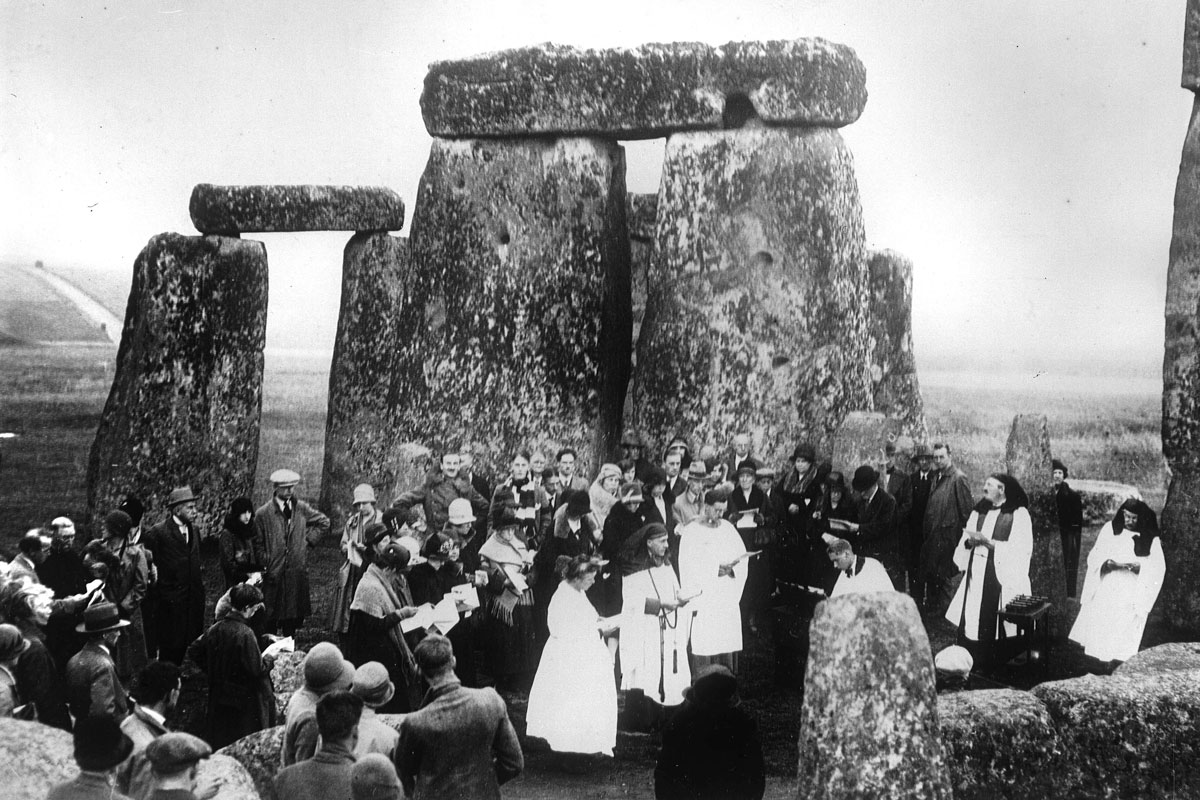
The idea of Stonehenge as a place of worship has been around for centuries (albeit erroneously connected with Druids). Recent research, however, suggests that the site may have been a sacred gathering place of far greater significance than previously thought.
In 2024, new analysis revealed a truly astounding discovery: The central, 13,200-pound bluestone at Stonehenge was not brought from Wales, but was dragged (or perhaps floated) to the site from the far northeast of Scotland, a distance of at least 466 miles. With this in mind, researchers at University College London and Aberystwyth University, led by archaeologist Mike Parker Pearson, proposed a new theory: Stonehenge may have been built to unite early British agricultural communities.
Parker Pearson suggests that the large altar stone may have been brought all the way from a distant Scottish monument as a gift, or perhaps as a marker of political alliance or allegiance. If true, this would make Stonehenge a political monument as much as a religious one — a physical embodiment of unity among Britain’s diverse Neolithic communities.
While the full truth about Stonehenge may be lost to history, archaeologists continue to unearth tantalizing details about the monument’s purpose. And it now seems that Stonehenge was not limited to one specific role, but may have served a number of overlapping purposes, both practical and symbolic.


