The Strangest Military Fashion Through History
Military uniforms are nearly as old as organized warfare itself. Armies in ancient Egypt and Mesopotamia wore coordinated dress and equipment as early as 3000 BCE. This included helmets, shields, and distinctive garments that helped identify soldiers while signaling rank, loyalty, and authority. Although these early outfits were not uniforms in the modern sense, they served the same two goals that most military dress has always balanced: practicality on the battlefield and symbolic display.
Long before camouflage and synthetic fabrics, military clothing often prioritized visibility and impact over concealment or comfort. Bright colors cut through the smoke of black-powder battles, towering hats and exaggerated silhouettes made troops appear larger and more intimidating, and ornate details reinforced discipline, tradition, and national pride. Here are some of history’s strangest military fashions, from elaborate uniforms that prized showmanship over function to practical gear that defied convention.
Mountain Division Ski Uniforms
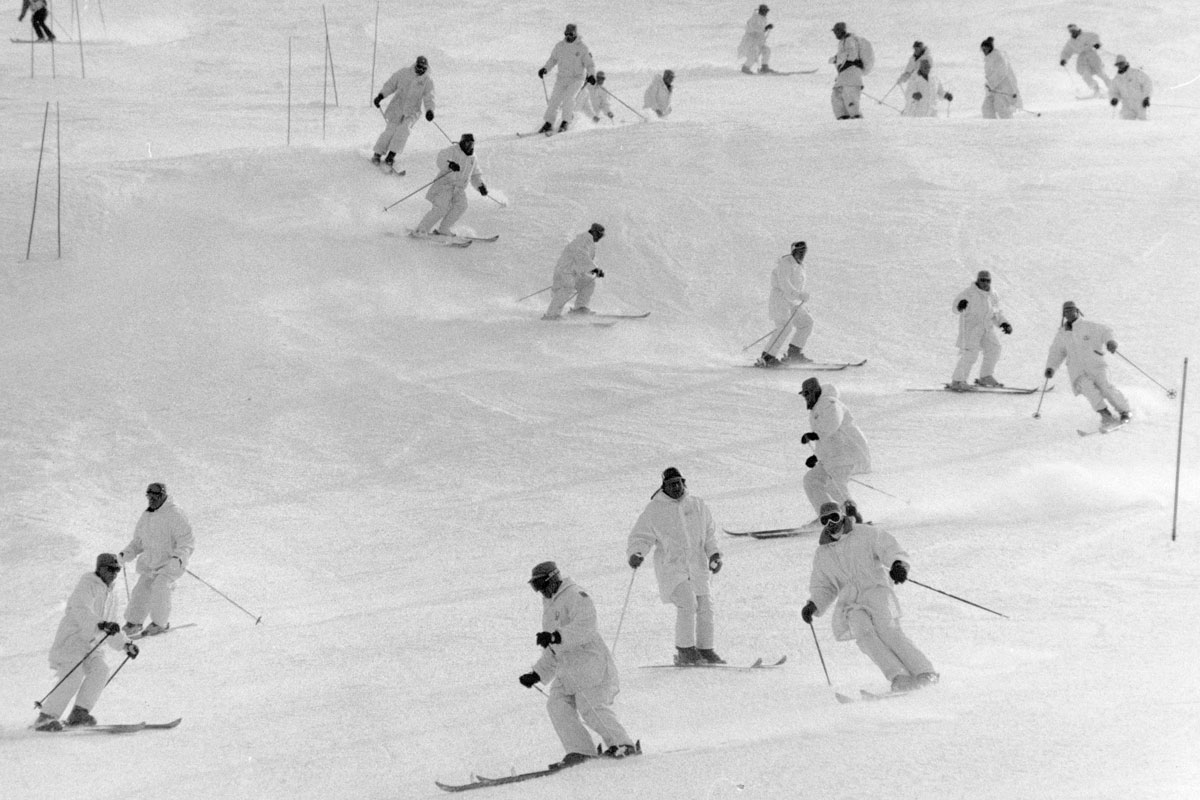
The U.S. Army’s 10th Mountain Division was created during World War II for mountain and winter warfare, with troops trained in skiing, climbing, and high-altitude survival at Camp Hale, Colorado. Its soldiers wore specialized cold-weather and ski gear that looked very different from standard Army uniforms. The attire included wool shirts and trousers, layered ski parkas reversible for snow camouflage, white over-trousers, ski boots, goggles for glare protection, and white wooden skis.
The distinctive white camouflage and layered clothing reflected function over form, prioritizing warmth, flexibility, and survival in extreme conditions. Despite looking unconventional, the uniform proved highly effective during combat in the harsh Italian Apennines.
You may also like
More from our network





Swiss Guard’s Colorful Stripes
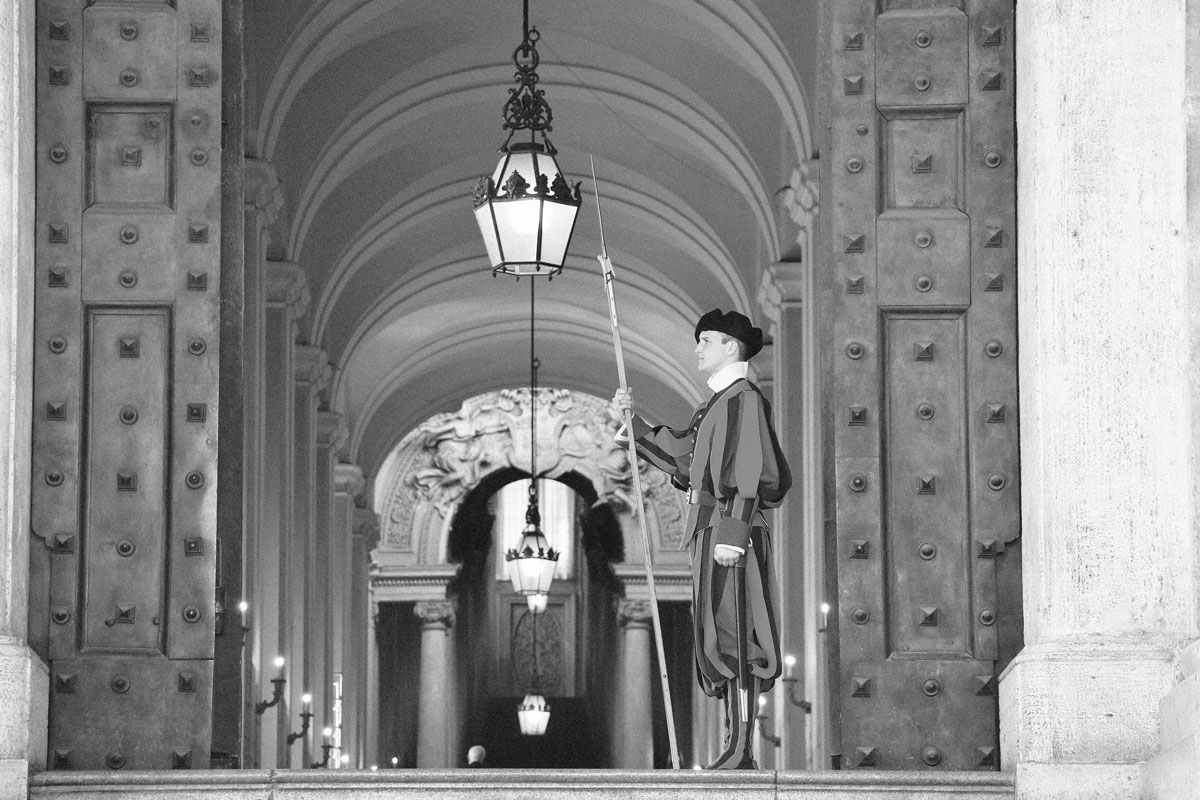
Founded in 1506, the Swiss Guard is widely considered the oldest standing military unit in continuous service, tasked with protecting the pope and the Vatican. Their instantly recognizable uniforms — striped in blue, red, and yellow, with puffed sleeves and breeches — deliberately evoke the pageantry of the Renaissance.
While often associated with the Medici era (roughly 1434 to 1737), the current design dates to 1910, when it was created by Swiss Guard Commandant Jules Repond. It was inspired by Renaissance military fashion rather than copied from it. The result is a uniform that is highly structured, heavy, and intentionally archaic.
Unlike most modern military attire, the Swiss Guard’s uniform prioritizes symbolism over practicality. Worn by a small, elite corps, it is paired with polished armor, leather gloves, ruffled collars, and the iconic halberd, reinforcing a sense of ritual and continuity. Though impractical for modern combat, the uniform’s purpose is visual identity and historical permanence, making it one of the most striking military fashions in use today.
Winged Hussars’ Feathered Wings
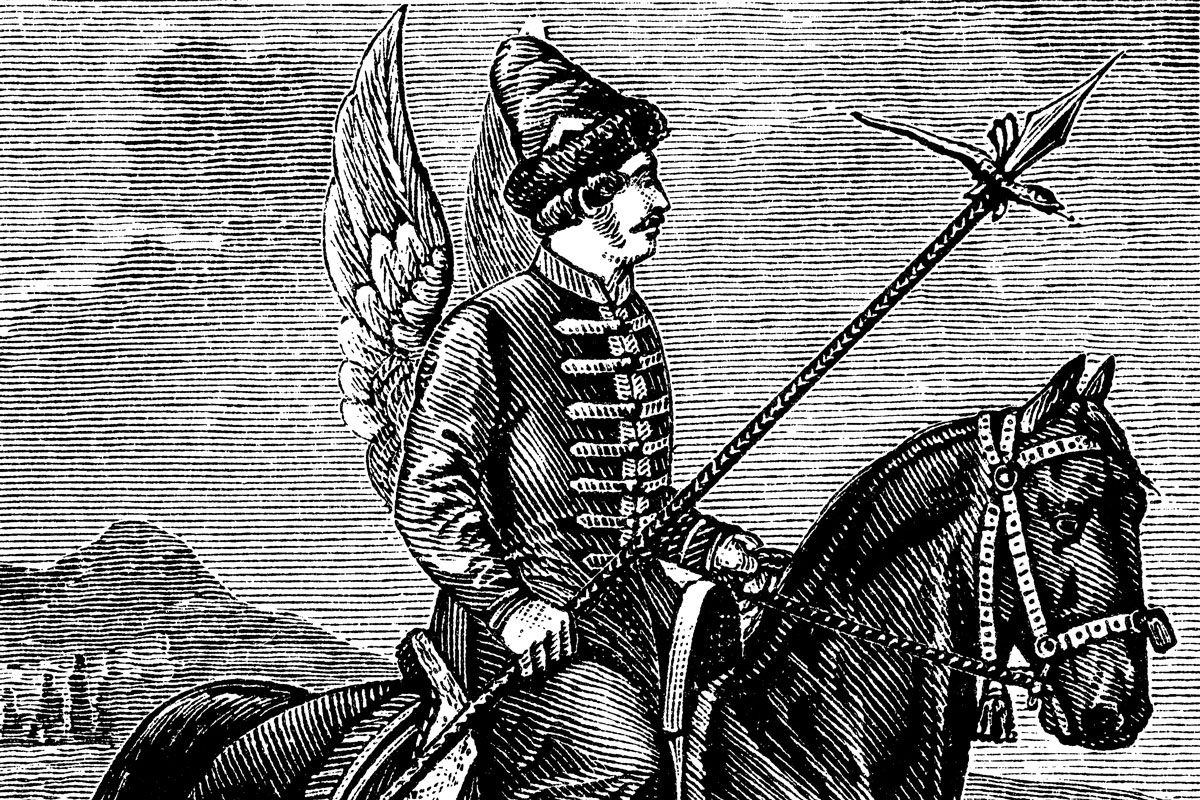
The Winged Hussars were elite heavy cavalry of the Polish-Lithuanian Commonwealth. Their iconic appearance emerged in the late 16th century and lasted into the early 18th century. Originally a shock cavalry formation — a unit designed to break enemy lines through fast, powerful charges — they became famous for the large feathered “wings” mounted to their armor or saddles. Combined with brightly colored garments, metal breastplates, plumed helmets, and long lances, the wings created a dramatic and instantly recognizable battlefield presence.
However, only a relatively small number of cavalry troops wore the full winged configuration, and the style declined as firearms and new tactics made heavy cavalry less dominant. While the wings offered no direct combat advantage, they amplified the psychological impact of a charge, rattling and startling enemy troops and horses. The result was one of history’s most theatrical examples of military fashion.
Napoleonic Guards’ Bearskin Hats
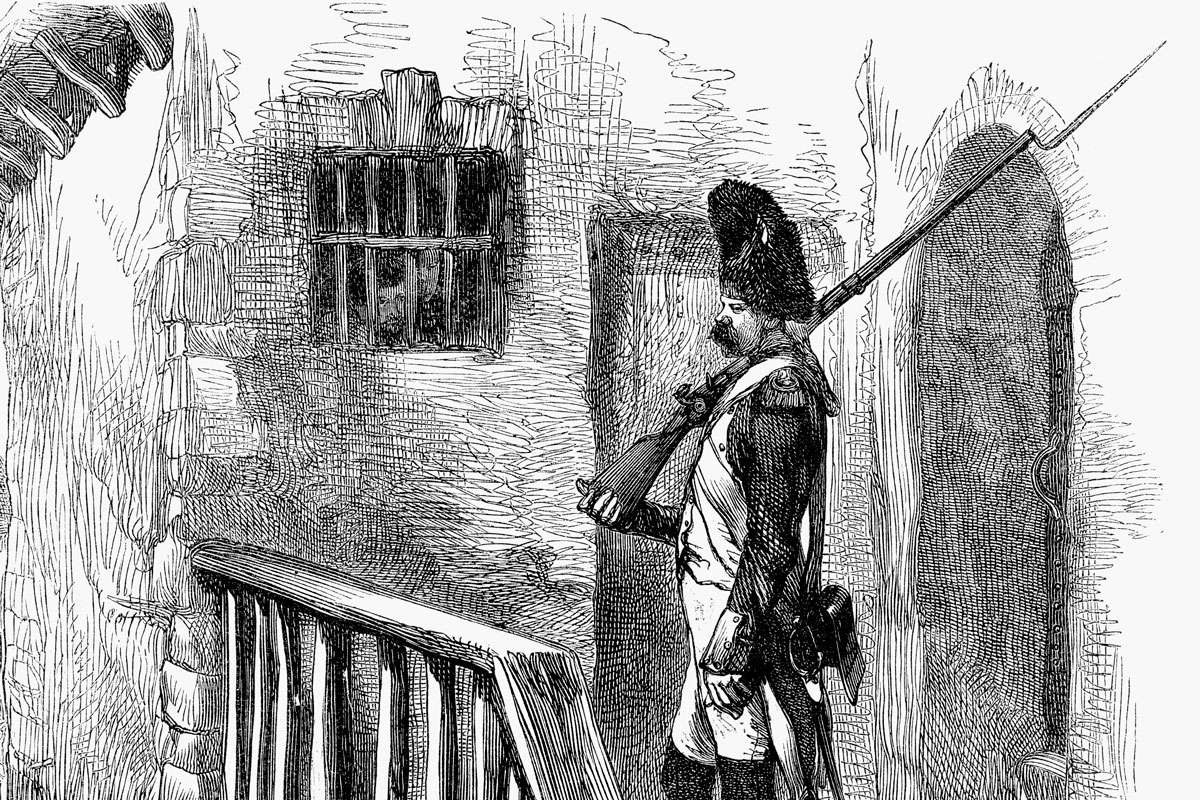
The grenadiers of Napoleon Bonaparte’s Imperial Guard were elite infantry of France’s Grande Armée, serving until the fall of the First French Empire in 1815. In the early 1800s, these soldiers became famous for their towering bearskin caps, which added nearly a foot to their height and created a dramatic battlefield presence. Worn with dark blue coats, white crossbelts, epaulets, and red accents, the bearskins were heavy, hot, and uncomfortable, but they were designed to project invincibility and intimidate opponents. Only a small number of elite troops wore the full dress, making the effect rare and striking.
Though impractical for combat, the bearskin hats achieved their intended psychological impact and symbolized imperial power. Their use ended with Napoleon’s reign, but the dramatic headdresses influenced later ceremonial uniforms, most notably inspiring the bearskin caps still worn today by the British Foot Guards.
Cavalry Hussars’ Flair
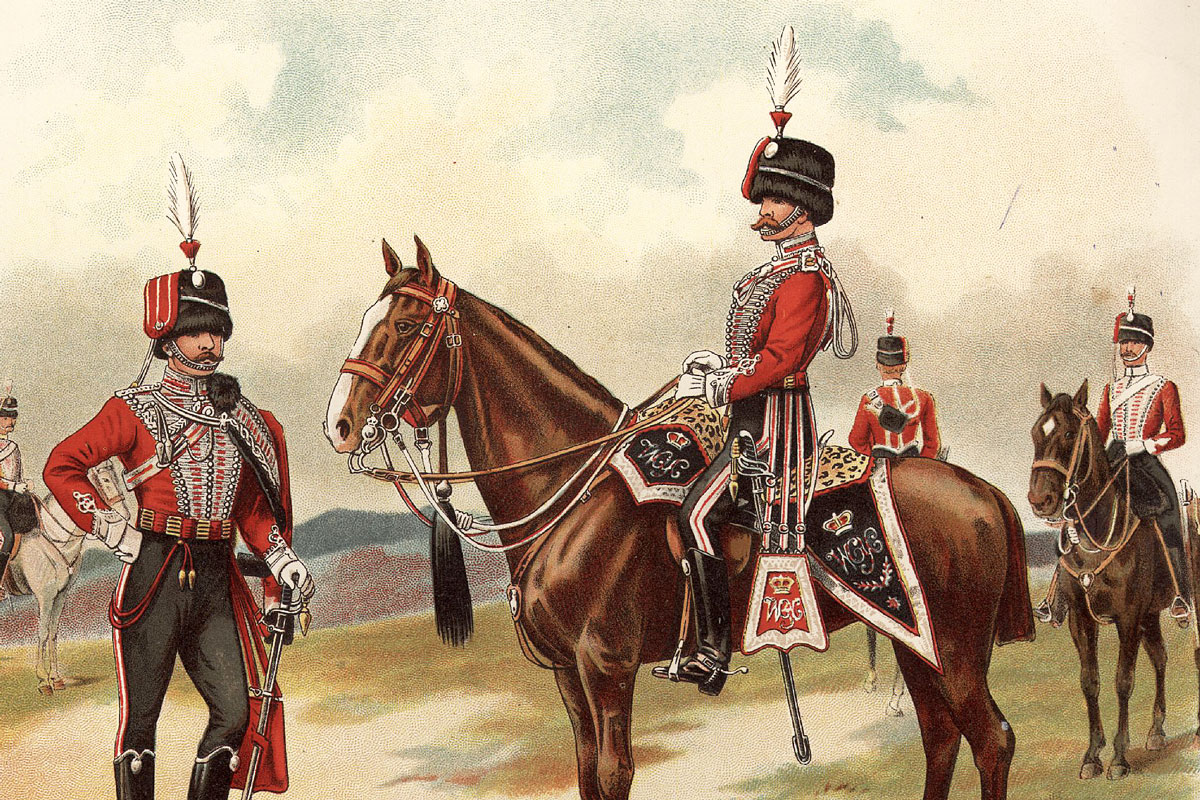
Following the War of 1812, some volunteer cavalry companies and militia units in the United States experimented with hussar-style uniforms inspired by European light cavalry. These included elaborately braided jackets (called dolmans), fur-trimmed overjackets (pelisses) worn over one shoulder, tight breeches, and tall fur busbies topped with plumes. The look was dramatic, expensive, and intended to project flair and prestige rather than battlefield practicality. Regular U.S. Army cavalry of the period generally wore simpler, functional uniforms suited to frontier service.
Only a small number of American horsemen ever wore these hussar-inspired outfits, and the uniform’s use was brief. They proved heavy, hot, and ill-suited to frontier warfare, and the style largely disappeared within a decade. Later in the 19th century, during the Civil War, several U.S. cavalry regiments adopted hussar-inspired uniforms in more organized form, making these early experiments among the U.S. Army’s most short-lived and theatrical flirtations with European cavalry fashion.
Zouaves’ Flamboyant Attire
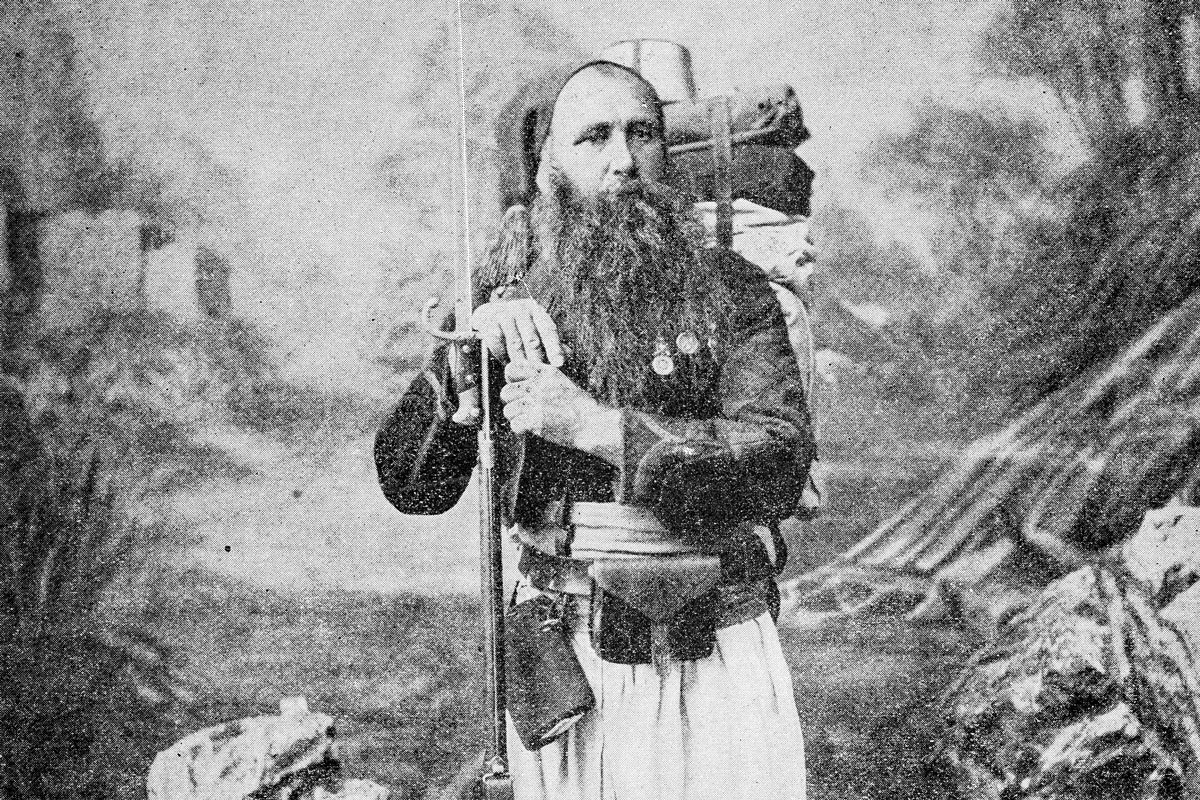
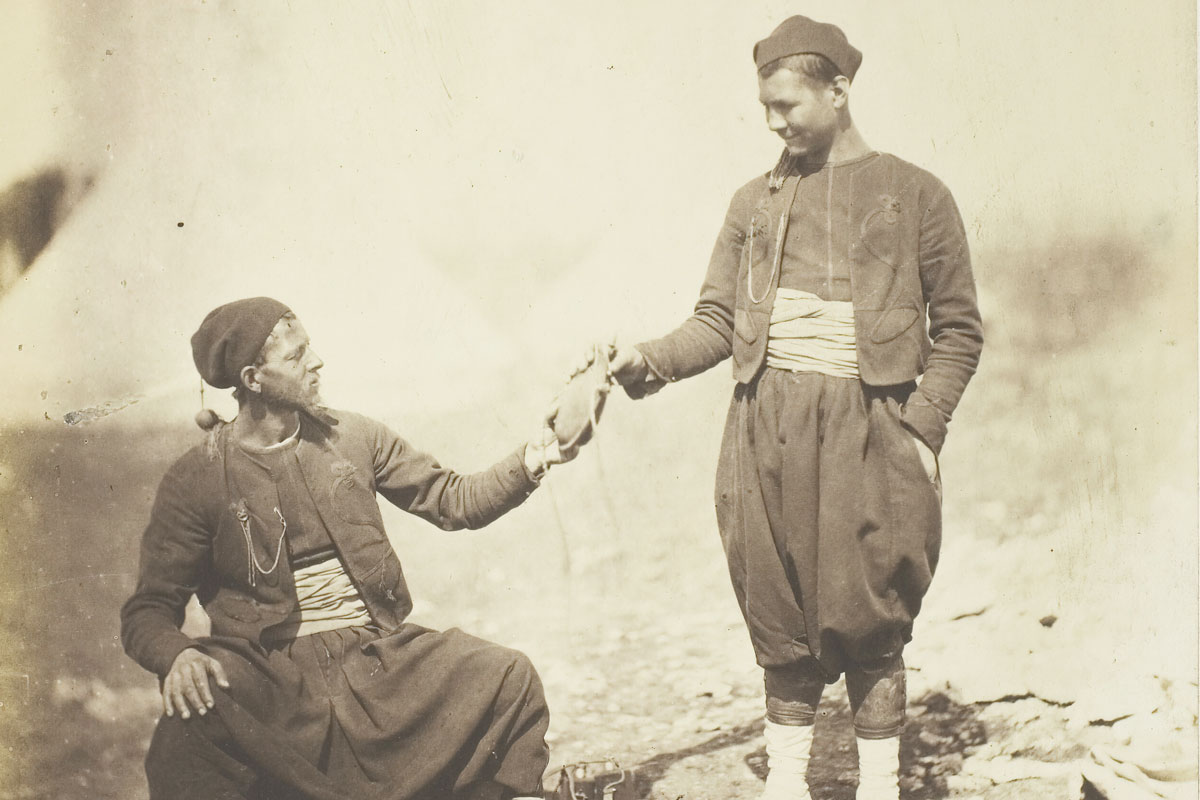
Zouaves, a light infantry unit best known for their distinctive uniforms, began as 19th-century guerrilla fighters from the Zouaoua, a Berber tribe in Algeria’s Djurdjura Mountains. When France conquered Algiers in 1830, it recruited Zouaoua soldiers into colonial battalions. By the mid-1830s, these troops were integrated into the French army as elite units, instantly recognizable for their flamboyant uniforms: short open jackets, heavily braided vests, voluminous trousers, bright sashes, and fezzes. Designed for mobility and esprit de corps rather than camouflage, the outfits quickly became a symbol of precision, bravery, and elite style, widely admired and depicted in European prints.
During the U.S. Civil War, a handful of Union and Confederate regiments adopted the Zouave-style uniforms, replicating the French uniforms with different degrees of detail. Striking but impractical in the field, the outfits offered little concealment and were hard to maintain, yet they became iconic, representing bravery and style that set these units apart from standard infantry.
U.S. Army Tropical Dress
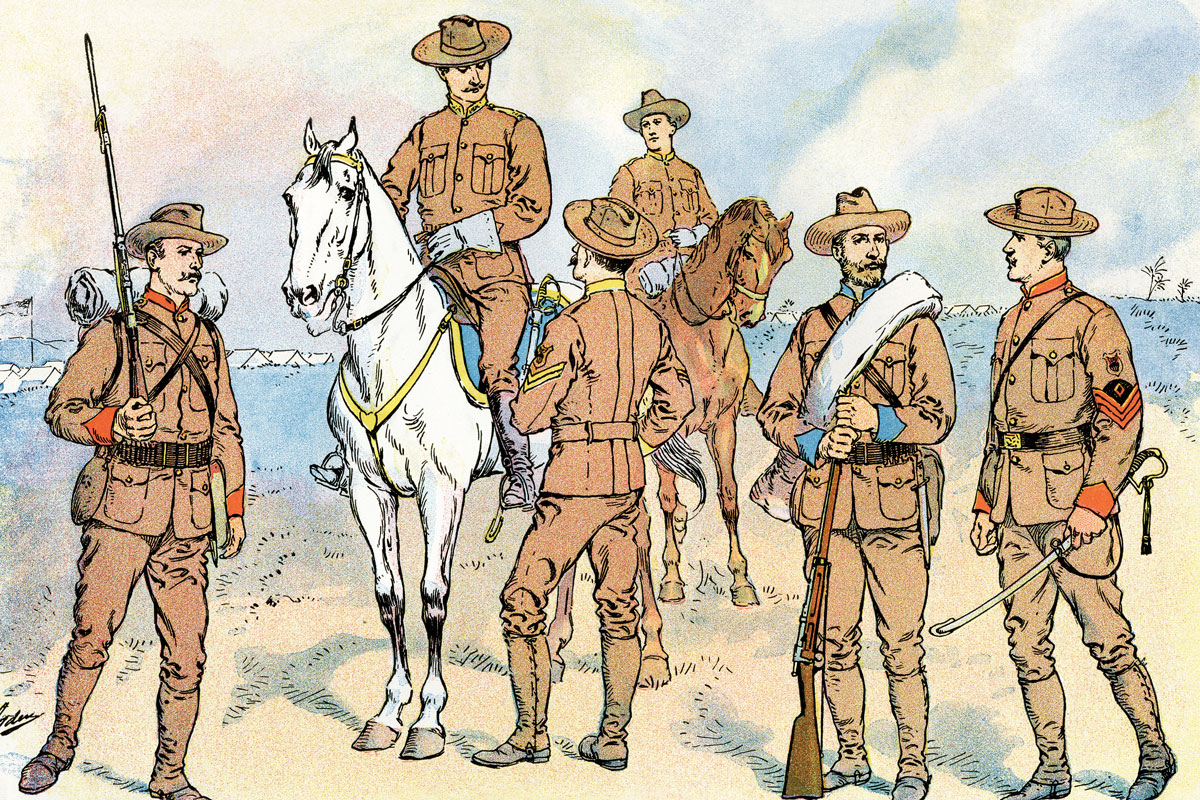
In 1898, the U.S. Army introduced a khaki cotton tropical uniform for soldiers serving in hot, humid climates. Inspired by British colonial uniforms, the design emphasized practicality over traditional military formality. The uniform included a lightweight blouse, matching trousers, and often a pith helmet for sun protection. It was a major departure from the standard dark blue wool service dress, emphasizing comfort, mobility, and practicality rather than formality or traditional army appearance. Infantry and other combat troops in the field were the primary adopters, though officers sometimes had slightly more polished versions for parade or inspection.
Although introduced during the Spanish‑American War, the khaki tropical uniform continued to see use in subsequent campaigns, particularly in the Philippines during the Philippine-American War. It was unique in its muted color, lightweight fabric, and colonial-style helmet — all a stark contrast to the familiar blue and brass of typical military dress. Despite looking unconventional, the uniform proved highly functional in heat, humidity, and rain, marking a shift toward practical, climate-appropriate military clothing that influenced U.S. Army field uniforms for decades.


