



The Origins of 6 Classic Holiday Foods
As December rolls around and we partake of sugary breads and creamy drinks (not to mention the occasional cake shaped like a log), it’s easy to forget that many of those seasonal staples trace back centuries. From ancient energy bars for Roman soldiers to medieval courtly treats, the holiday table holds more history than you might realize. So the next time you unwrap a fruitcake or raise a glass of eggnog, remember that you’re tasting more than just sugar and spice — you’re sampling centuries of culture, commerce, faith, and festive invention.
Gingerbread
Though versions of spiced bread date back to ancient Egypt and Greece, the gingerbread we know today — crisp, spiced, and often decorated — took shape in medieval Europe, after global trade made spices such as ginger and cinnamon newly accessible. By the 15th and 16th centuries, German gingerbread makers were pressing dough into elaborate molds, painting the results, and selling them as luxury goods. (At the time, Germany even had guilds of gingerbread makers.)
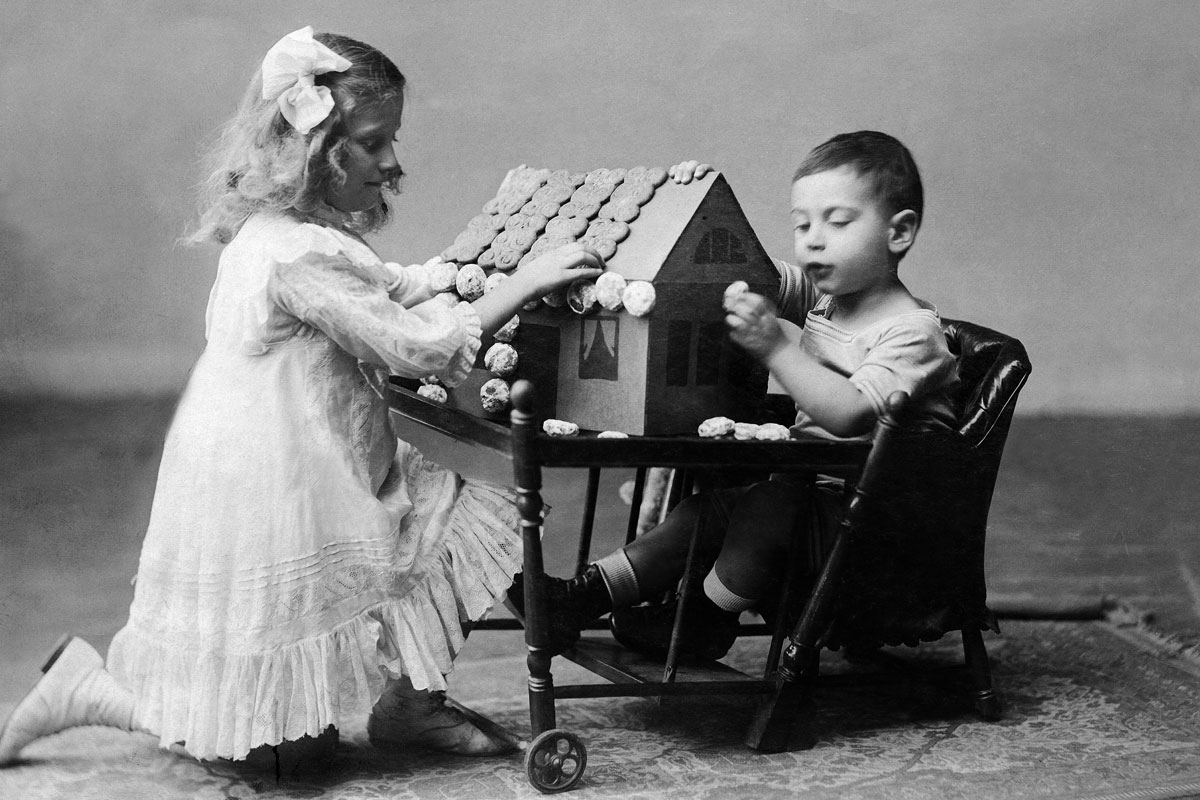
Gingerbread houses, meanwhile, may owe their existence to the fairy tale “Hansel and Gretel.” Right around the 1812 publication of the Grimms’ tale, Germans began building decorative houses made of gingerbread and other candy — although historians debate which came first, the houses or the story. (The latter might have capitalized on the popularity of the former.) In either case, gingerbread houses were a tradition that German immigrants later brought to the U.S.
You may also like


More from our network





Eggnog
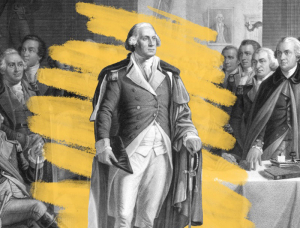
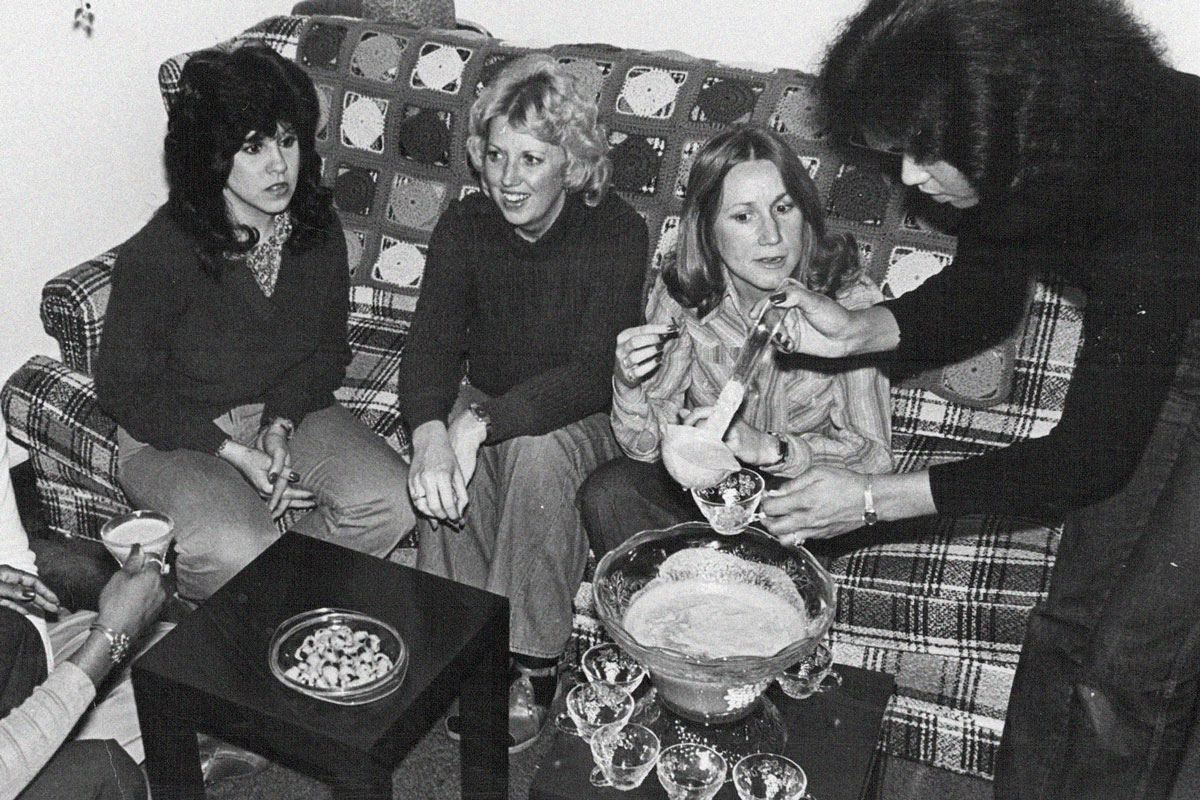
Eggnog’s ancestor was a medieval English drink called “posset” — warm milk curdled with wine or ale, spiced and sweetened. Once eggs were added, the drink became a treat for the wealthy and usually aristocratic, as milk, eggs, and fortified wines were expensive in England during the Middle Ages. But in the American colonies, eggs and dairy were more plentiful, and rum far cheaper than sherry, making eggnog a more democratic holiday indulgence. George Washington famously served a potent version containing rum, rye whiskey, and sherry. The drink’s name may come from “noggin,” the wooden cups that held it, or from the name “egg-and-grog” being shortened over time as the order was shouted in bars.
Fruitcake
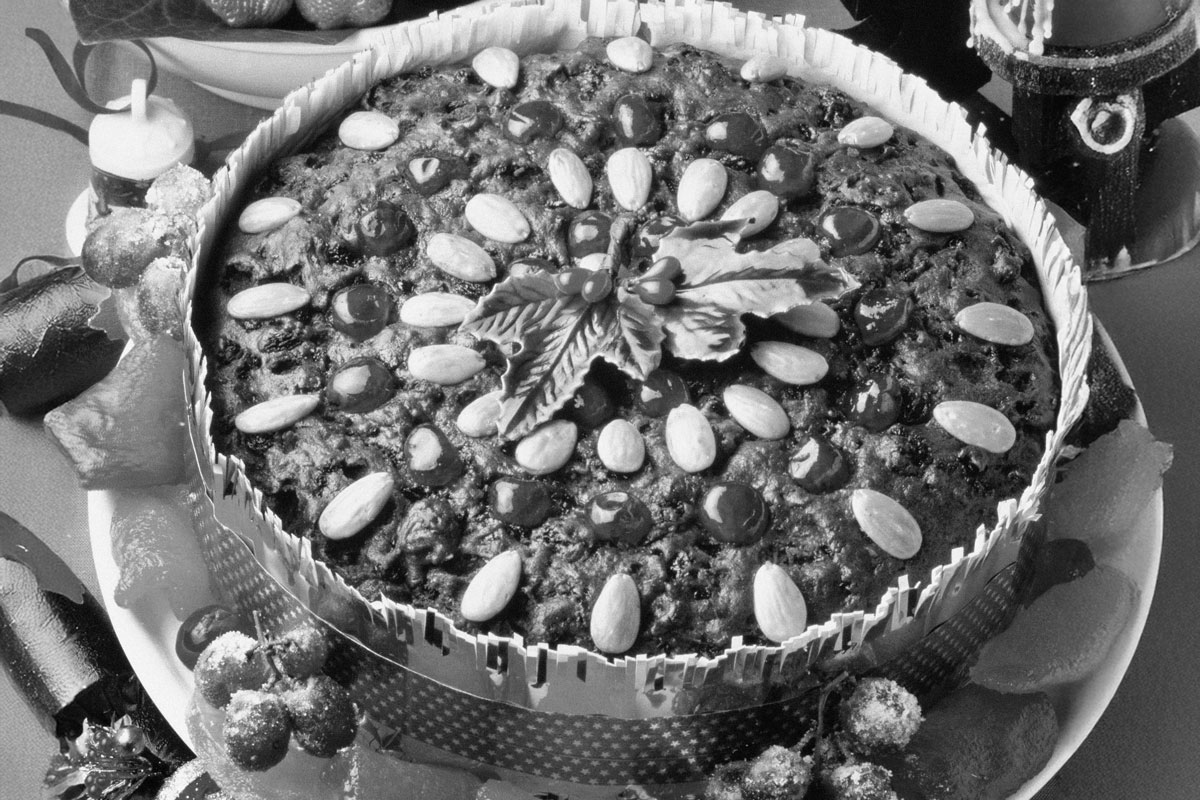
Fruitcake may get mocked nowadays, but its roots go back more than two millennia. Ancient Romans ate a similar dense mix of barley mash, nuts, dried fruit, and honeyed wine called satura — an early type of energy bar that fueled soldiers and travelers. Some historians also trace dried-fruit cakes to ancient Egyptian burial customs.
As sugar became more widely available in medieval and early modern Europe after the Crusades, candied fruits and spices transformed the loaf. By the Victorian era, fruitcake had become a festive staple for Christmastime, in part because the amount of labor it took to create it was best suited to the holidays. It was also once a popular type of wedding cake, and was even served at the wedding of Prince Albert and Queen Victoria.
The Yule Log
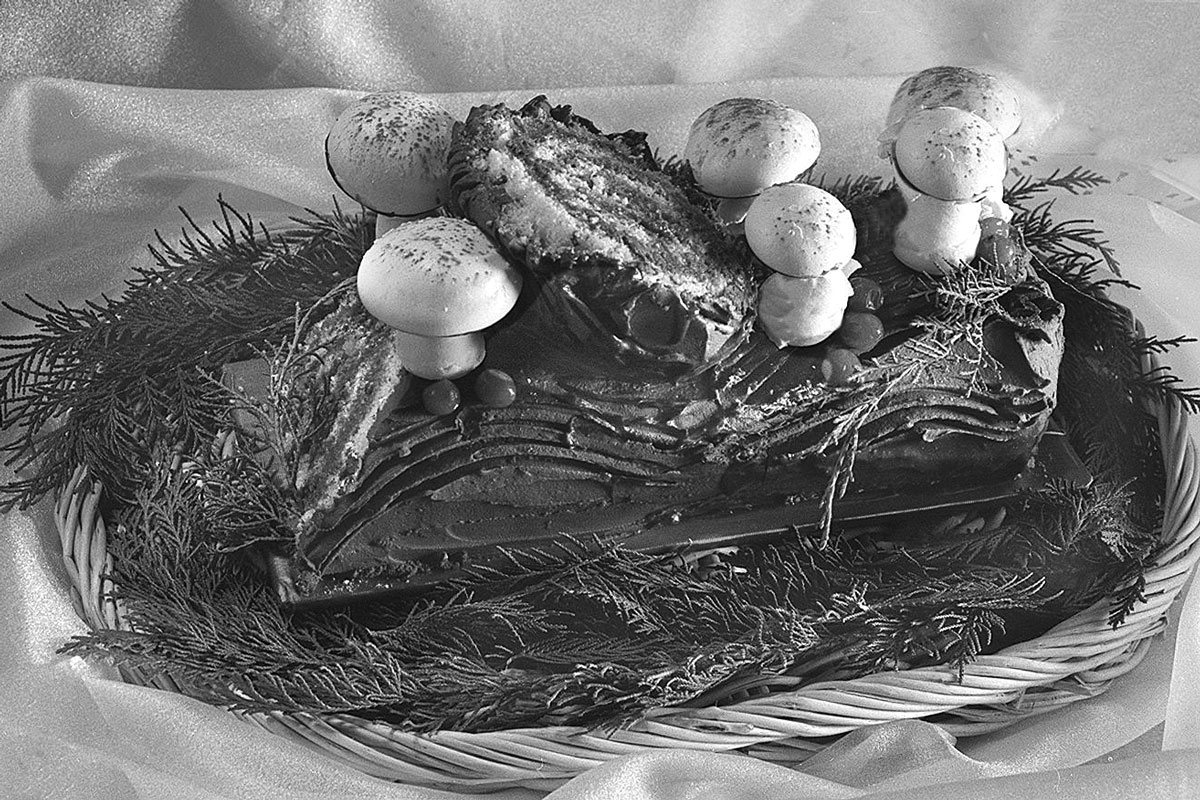
Before it was a rolled sponge cake topped with chocolate “bark,” the Yule log was an actual log — a massive piece of wood burned during Christmas or the winter solstice. English records from the 1600s refer to the “Christmas block,” which was generally hauled into the house with ceremony (plus some merriment) and believed to bring good fortune. As hearth traditions faded in the 19th century, Parisian bakers reinvented the log as a dessert, known as the bûche de Noël, complete with meringue “mushrooms,” powdered-sugar “snow,” and other delightful accessories.
Mince Pies
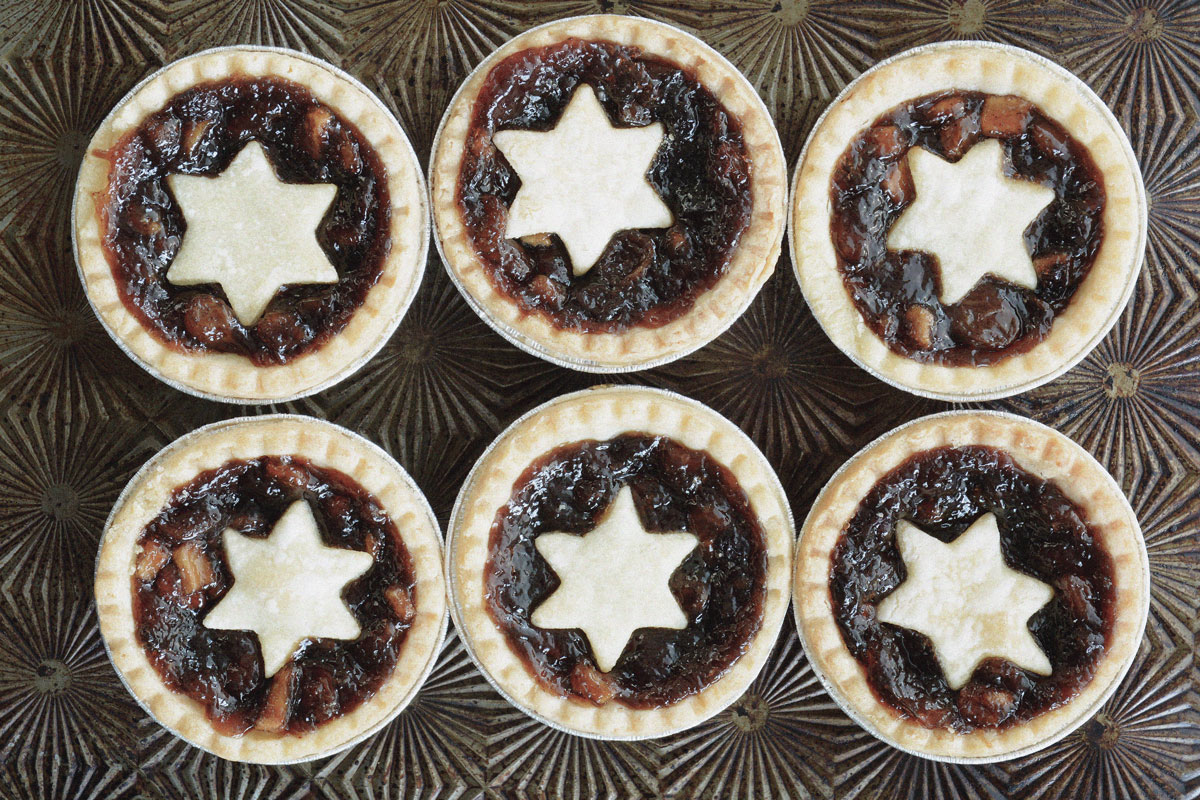
Mince pies began as a very different dish: a medieval spiced meat pie containing beef or mutton, suet, dried fruits, and warming spices such as cloves and nutmeg. Early mince pies were large and could feed a crowd, unlike the finger food variety we have today. The pies became associated with Christmas around the 1600s, although they could also be served at other holidays and feasts. Around the mid-1600s, Puritans in England disapproved of indulging in them (as they disapproved of all Christmas-related frivolity), yet the pies endured. Over the centuries, the meat gradually disappeared, leaving behind the sweet, rich mincemeat we know today.
Stollen
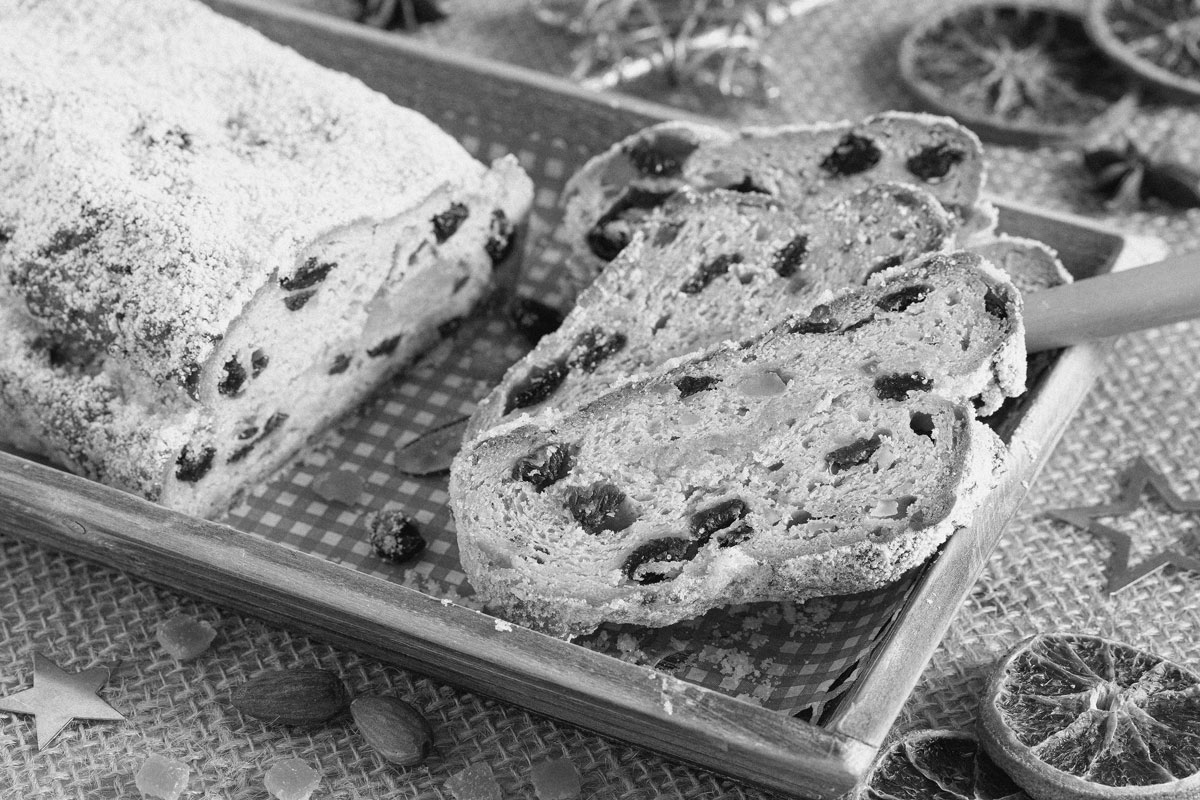
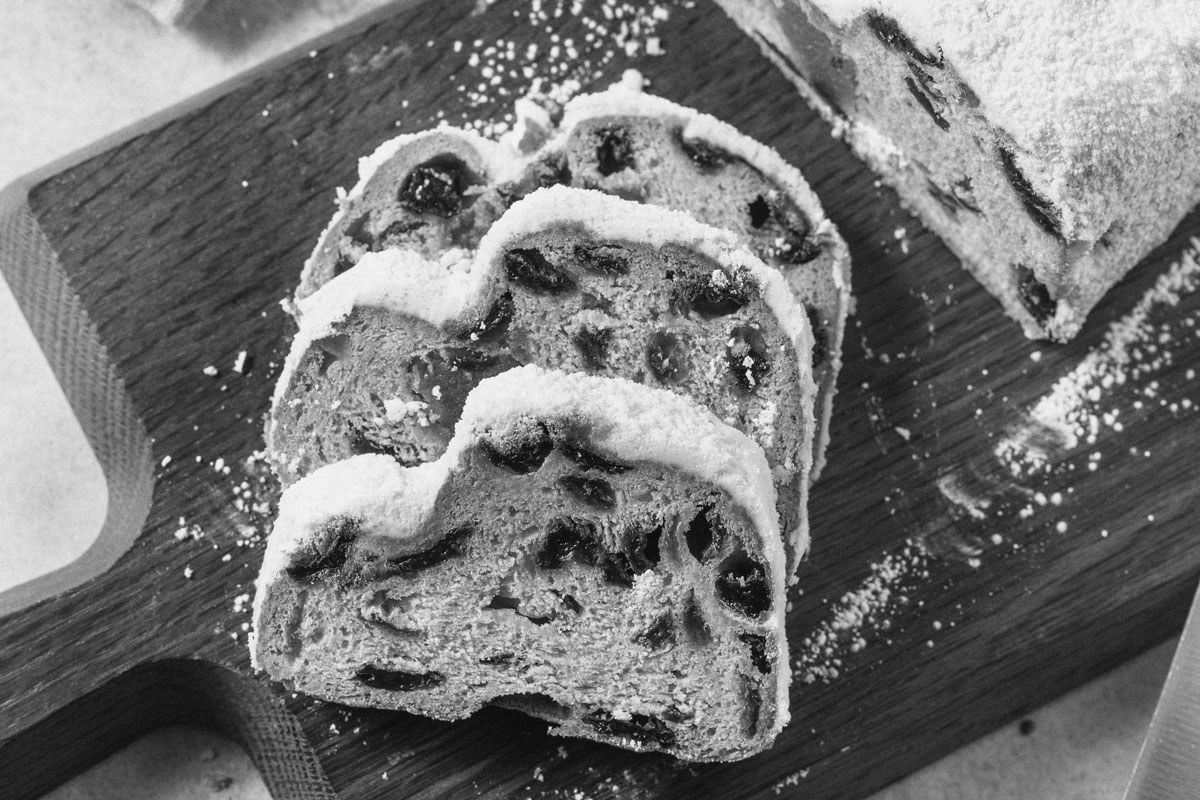
Germany’s famed Christmas stollen — a sweet, yeasted bread filled with dried fruit, candied citrus peel, and sometimes marzipan — began as something far humbler. In the Middle Ages, stollen was a simple fasting bread made of water, oats, and the local rapeseed oil, since church rules forbade butter in the Advent period before Christmas. But by the 1400s, various popes relaxed the rules a bit. In 1491, Pope Innocent VIII granted the “Butter Letter” (Butterbrief in German) to the Duke of Saxony, allowing Saxons to enrich their stollen dough with butter. Over time, stollen evolved into a celebratory Christmas bread, its folded, sugar-dusted shape said to represent the swaddled baby Jesus.


