




5 Common Table Manners Invented To Stop Fights
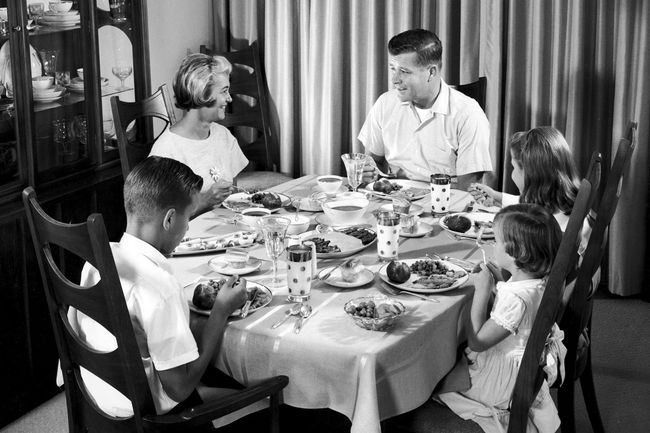
As the popular HBO series Game of Thrones ably demonstrated, dinner gatherings can be somewhat unruly. Sure, the infamous Red Wedding is an extreme case, but the dinner table has historically been a genuinely hazardous place, particularly during gatherings of squabbling rivals and belligerent men of war, all drinking copious amounts of wine while carrying their own pointy knives.
Because of this, a type of crowd control emerged in medieval Europe and beyond: table manners. Dining etiquette didn’t develop just for show and pomposity. In some cases, it was a way of controlling — and sometimes disarming — a room before things got ugly. Here are five dining customs that started as peacekeeping tools long before they became part of modern table manners.
No Elbows on the Table
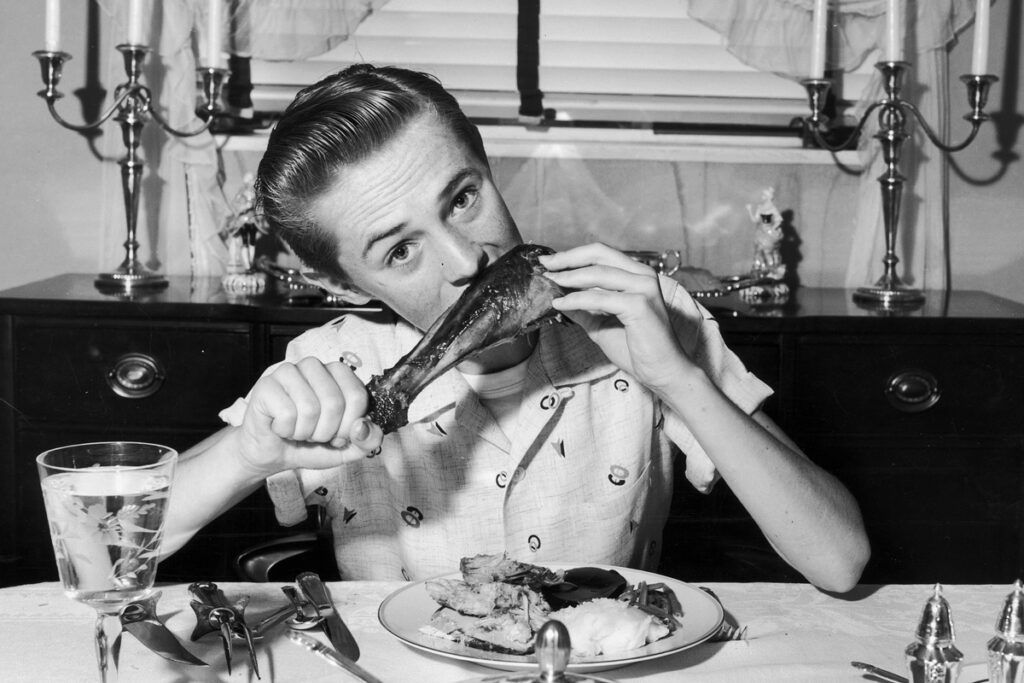
As kids, many of us were told to keep our elbows off the table — and we probably wondered why. The roots of this custom go all the way back to medieval feasts. These were often tightly packed affairs in which guests sat around long trestle tables to eat, drink, and carouse. If a reveler leaned too heavily or clumsily on the table, their elbows could jostle a neighbor’s cup, spill food, or even tip an unstable table entirely — the kind of collision that could spark a physical fight in already tense circumstances. Etiquette historians also note that resting your elbows on the table could be read as an aggressive, greedy posture — the body language of someone ready to lunge for food or grab a flagon of wine.
More from our network




Never Reach Across the Table
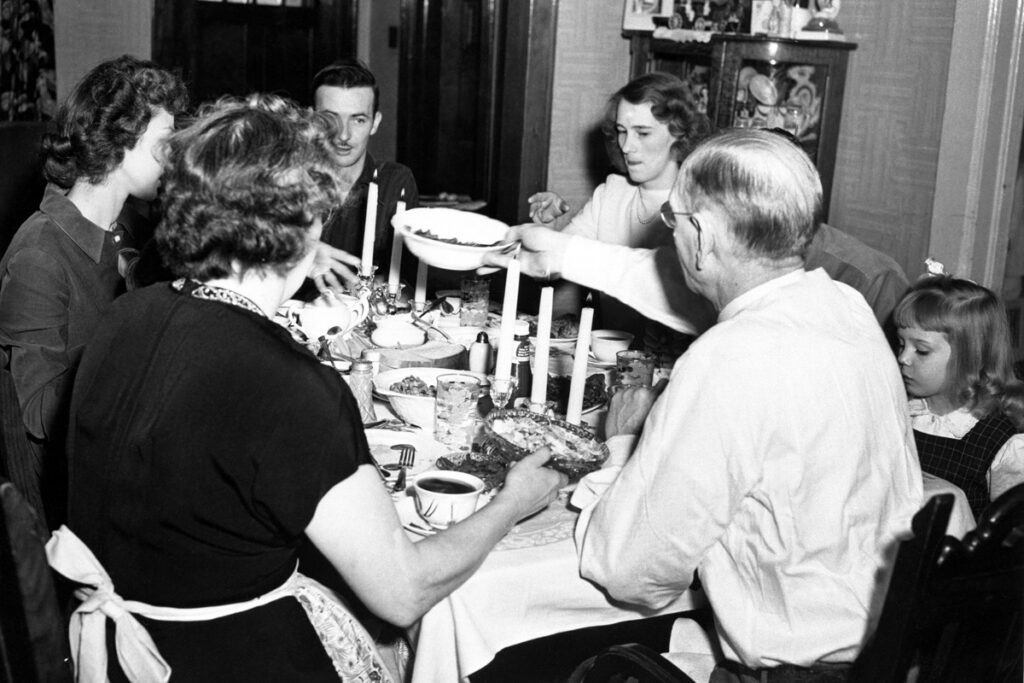
Reaching across the table is another common no-no when it comes to table etiquette. It’s hard to say exactly when this became frowned upon, but it follows the same logic that made elbows on the table a widespread faux pas. During a cramped and rowdy medieval gathering, reaching across the table ran the risk of dragging a sleeve through someone else’s plate, crowding a neighbor mid-bite, or simply appearing greedy — all of which could be enough to provoke an angry rebuke that could spill over into a knife fight.
Using Blunt-Tipped Dinner Knives
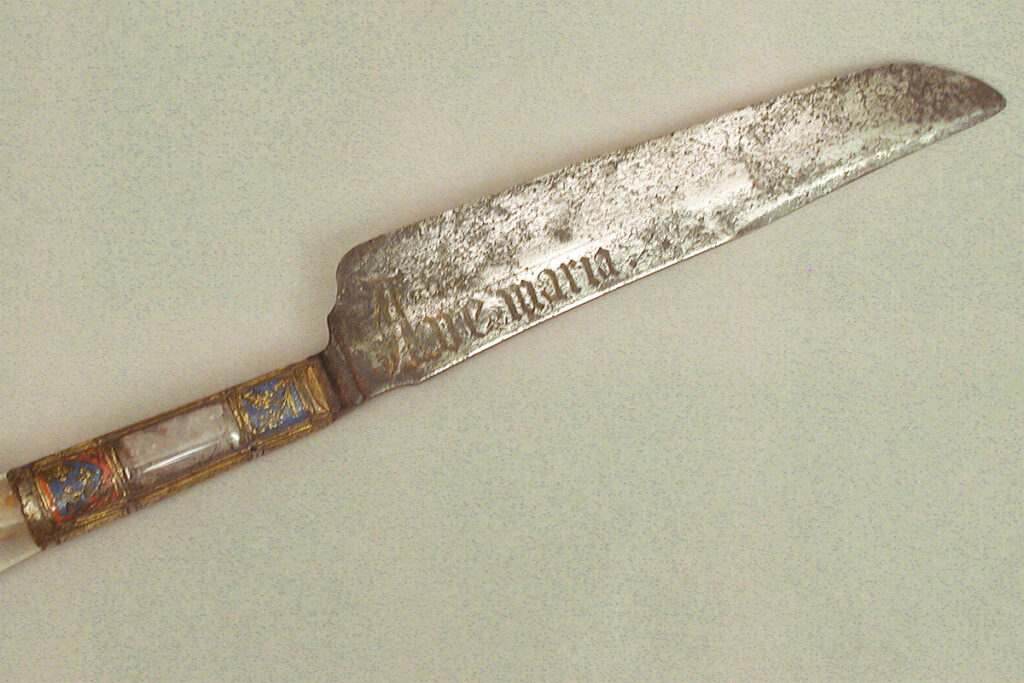
In medieval Europe, people weren’t normally provided with cutlery at a meal. It was typical, therefore, to carry your own knife — almost always a sharp, pointed blade that could be used both as a tool to skewer food (forks weren’t common back then) and as a weapon.
This was far from ideal when it came to keeping things civilized at boisterous dinner gatherings — indeed, one well-known historical figure, Cardinal Richelieu, chief minister to King Louis XIII of France, was highly unimpressed by the situation. He grew tired of watching dinner guests use their knife points to pick their teeth and settle arguments, so in 1637 he ordered that the tips of all his knives be ground down and rounded. These were then provided to guests to stop uncouth behavior — and in so doing the cardinal invented, or at least popularized, the table knife.
Not long after, in 1669, King Louis XIV made things official: He banned pointed knives from both the street and the table specifically to reduce violence. The rounded dinner knives we use today evolved from this decree.
Keeping Your Knife Facing Inward
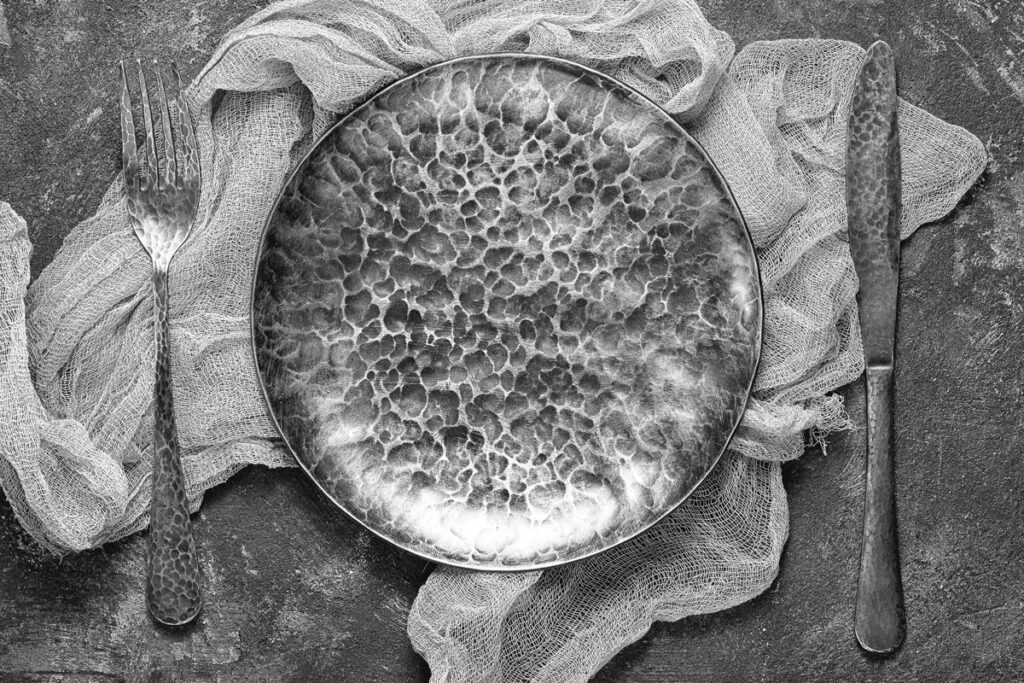
The etiquette surrounding knives didn’t stop when they lost their points. Table-setting tradition holds that a knife should always rest on the table or plate with its blade facing inward — not toward a neighbor — and it should never be picked up to gesture with or wave around while talking. It’s impossible to say categorically if this started specifically to prevent an easy slash across a nearby throat, as some etiquette historians suggest. It could just as well be a logical way of setting down a knife so that it doesn’t need to be turned around in the hand when it’s picked up. But it’s easy to see how a knife pointed at someone, even by accident, could read as a threat, and how pointing it away from an adjacent diner is at least a subtle gesture of goodwill.
Waiting To Eat Until Everyone Is Served
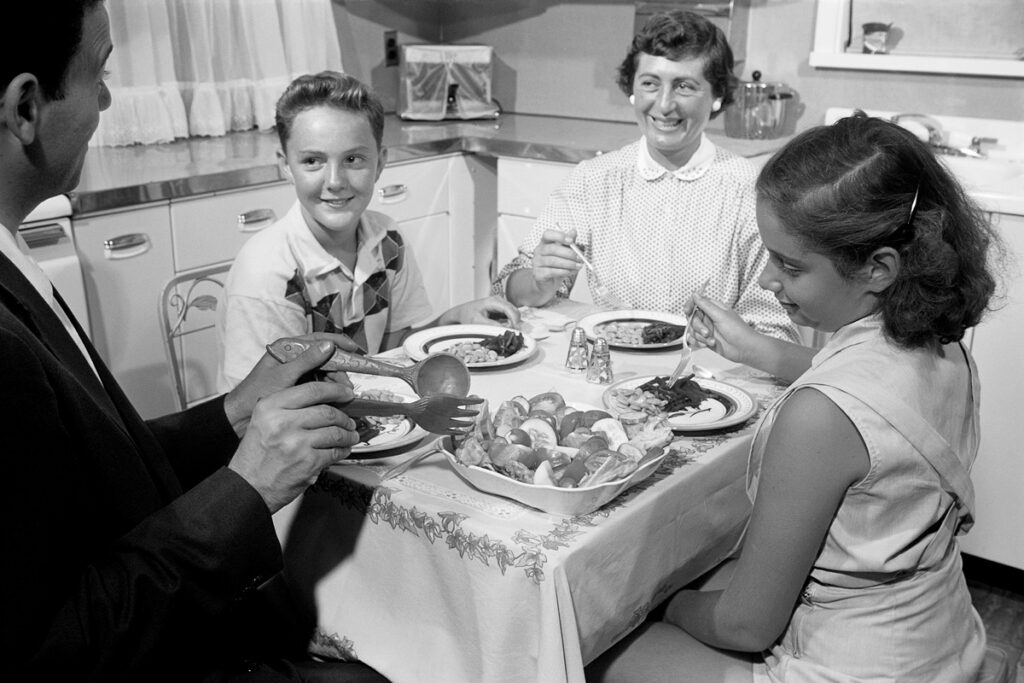
The common custom of waiting for everyone to be served before eating isn’t aimed directly at preventing brawls, but it can be seen as a way to avoid social friction at the dinner table. Victorian-era etiquette guides such as Isabella Beeton’s 1861 Book of Household Management describe elaborate, sequenced courses that required plenty of planning and order. Digging in early would not only have thrown off the entire meal’s rhythm and left other diners behind, but could also have meant that someone was left with an empty plate while everyone else was eating. The awkwardness of being left out was, and still is, exactly the kind of slight that could sour a shared meal — and if there was already some friction in the room, it might have boiled over into an embarrassing ruckus.


