



The 5 Most Important Years in History
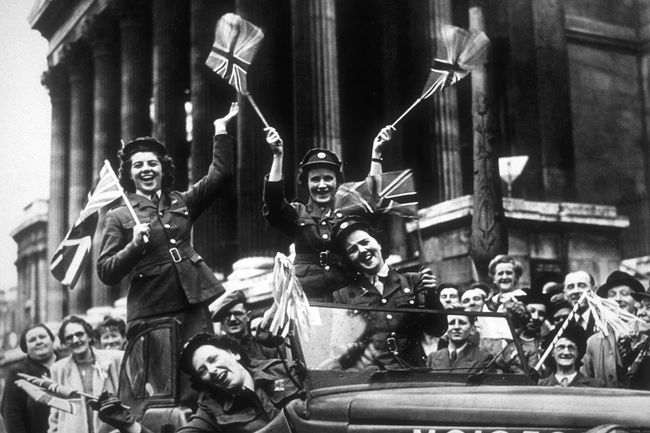
“History is, in its essentials, the science of change.” So wrote the French historian Marc Bloch in 1949, and it’s true: History is indeed inextricably linked with change, and in some cases, the change is so fast and so monumental that just a single year can alter the trajectory of human civilization.
Certain years from the past stand apart for their impact on the course of history. The five years below (along with some honorable mentions) share a common quality: They did not merely change what was happening in the world at the time, but created the conditions that would shape the centuries to come.
509 BCE
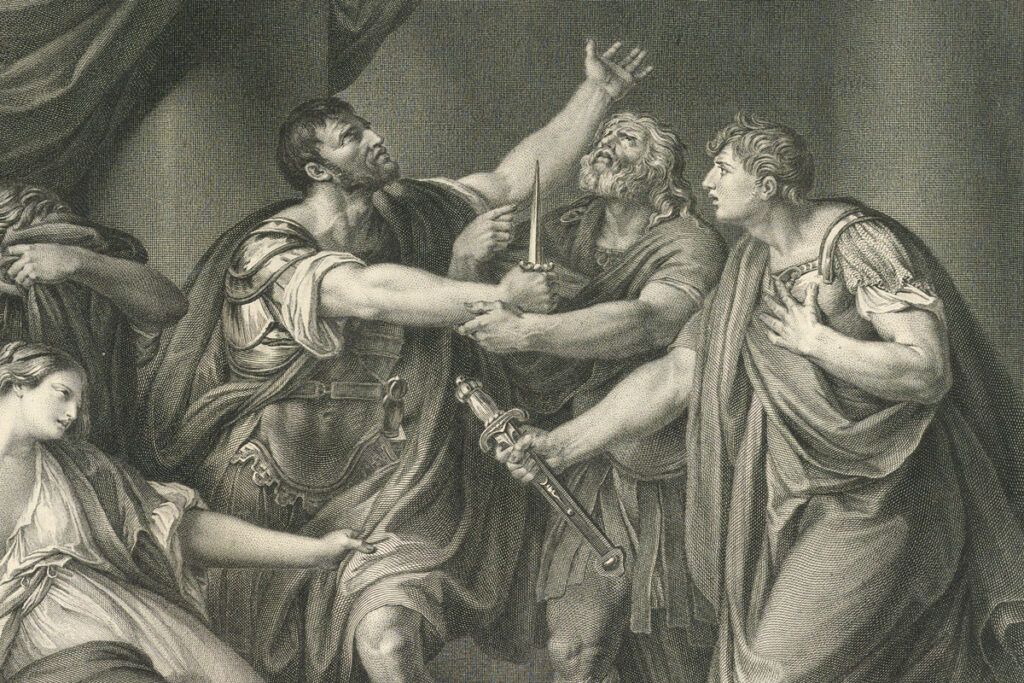
Though the traditional founding date of the city of Rome is 753 BCE, the year 509 BCE — when the Roman Republic was founded — is arguably a more consequential date. It was the Roman Republic — with its consuls, Senate, separation of powers, written laws, and concept of citizenship — that created the political and legal innovations that shaped much of Western civilization. The U.S. Founding Fathers, for example, used the Roman Republic as a model for their new nation and the U.S. Constitution. Parliamentary democracy, the Senate, the veto, and habeas corpus all trace back to republican Rome.
More from our network





622 CE
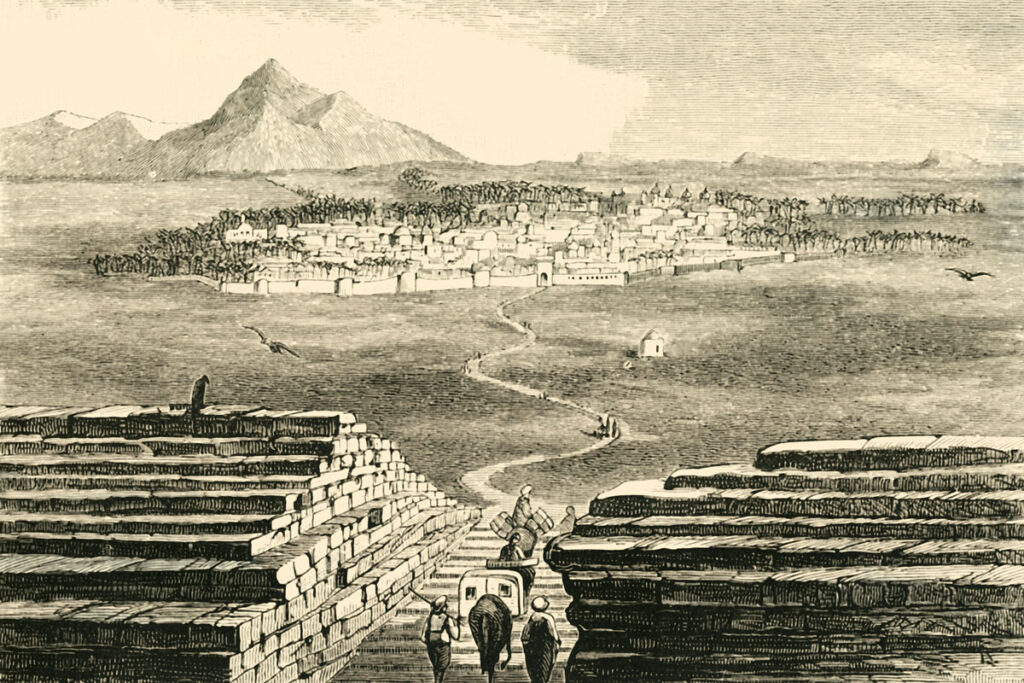
The foundation of Islam is unusually well documented compared to other major religions. In 610 CE, the Prophet Muhammad received his first revelation, marking the birth of the religion. Then, in 622 CE, he completed his migration from Mecca to Medina — known as the Hijra — transforming a small religious movement into a unified community that became the foundation of the Islamic state.
Within a century of the Hijra, Islam had expanded from Spain to the borders of China. The Islamic civilization grew to become a global powerhouse for roughly a millennium, at the forefront of trade, invention, and innovation. Islamic scholars flourished, turning the civilization into the leading center for science, medicine, philosophy, astronomy, math, and more, reshaping the intellectual, economic, and political architecture of the globe.
1492
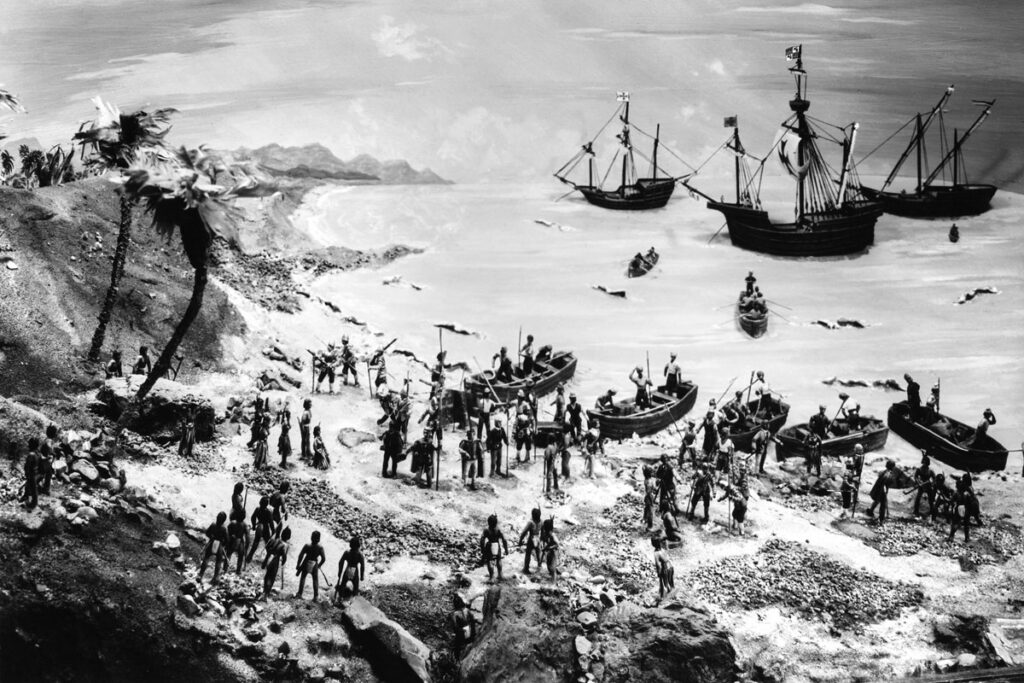
For the whole of human history until the late 15th century, the Eastern and Western hemispheres had largely evolved in isolation. That separation ended forever after Christopher Columbus made landfall in what is now the Bahamas on October 12, 1492. What followed — now known as the Columbian Exchange — was one of the most transformative social and ecological events in history. Crops, animals, and diseases moved in both directions. Old World illnesses may have killed as many as 90% of the pre-Columbian population within a century. European colonialism followed, reshaping the entire world. No single voyage in history had greater consequences for more people.
1760
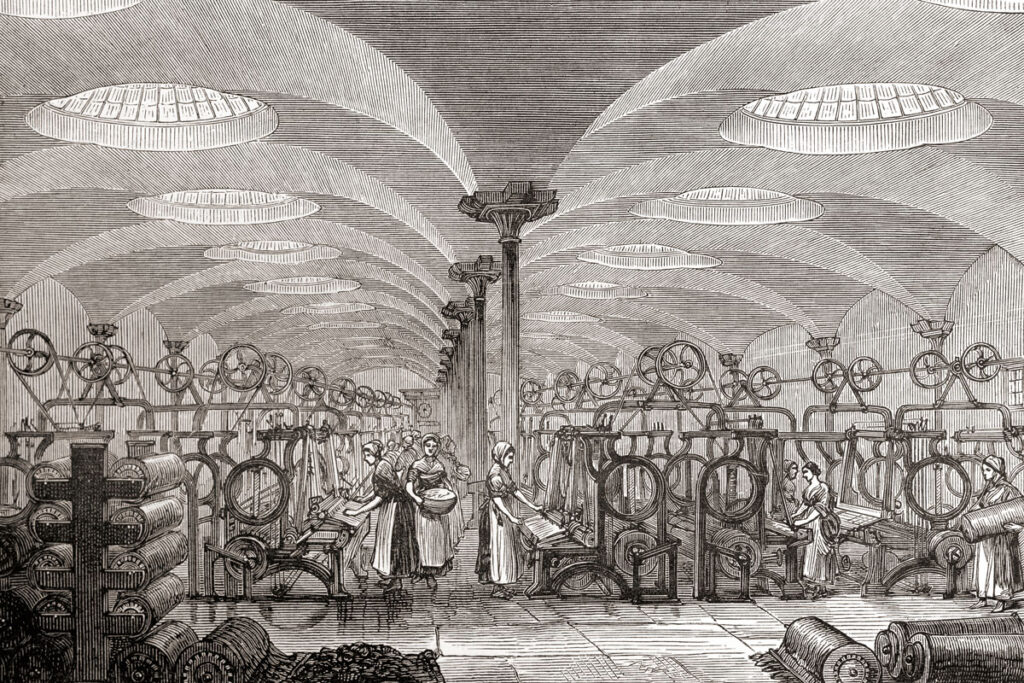
Historians disagree as to precisely when the Industrial Revolution began, but textbooks typically put the start around 1760. It was a pivotal year, with agrarian economies giving way to a world dominated by industry, machine manufacturing, and coal. Mills and steam engines, and technologies such as the spinning jenny, brought about the mechanization of manufacturing, which in turn led to the rise of the factory system, railways, steamships, rapid growth of cities, and ultimately modern global capitalism. Perhaps no development since the agricultural revolution altered the conditions of human existence to such an extent — and the environmental consequences, including large-scale carbon emissions and the transformation of ecosystems, are still unfolding today.

1945
When World War II ended in 1945, it didn’t only mark the conclusion of the deadliest conflict in human history. It ended the era of European global dominance that had begun with Columbus in 1492. For the exhausted, financially ruined European powers — most notably Great Britain and France — the end of the war marked the beginning of the decline of their colonial empires.
That same year, the United Nations was founded and the Cold War began. Two superpowers — the United States and the Soviet Union — divided the world into competing spheres that fundamentally changed the political outlook of the world. The end of the war had introduced a permanent new condition into human affairs: the possibility of civilizational self-destruction. When the atomic bomb was dropped on Hiroshima on August 6, 1945, the world opened its eyes to a stark new reality that has shaped every geopolitical calculation from that moment until the present day.
Honorable Mentions
~10,000 BCE
No single year in the prehistoric period can be pinpointed precisely, but around 10,000 BCE, human communities began cultivating crops and domesticating animals. The agricultural revolution produced food surpluses, making possible larger populations, specialized labor, trade, writing, cities, armies, and governments.
~3200 BCE
The development of cuneiform script in ancient Mesopotamia was arguably the single most consequential intellectual development in human history, making it possible to record laws, coordinate trade, accumulate knowledge across generations, administer complex states, and record history itself.
539 BCE
The Persian conquest of Babylon by Cyrus the Great created the first true superpower civilization, linking the Mediterranean, Near East, Central Asia, and South Asia under a single administration.
1206
Genghis Khan’s unification of the Mongols launched one of the largest contiguous land empires in history. It was enormously destructive — the sack of Baghdad in 1258 ended the Islamic golden age — but the Pax Mongolica also created the first transcontinental trade network, opening sustained exchange between the East and West.
1789
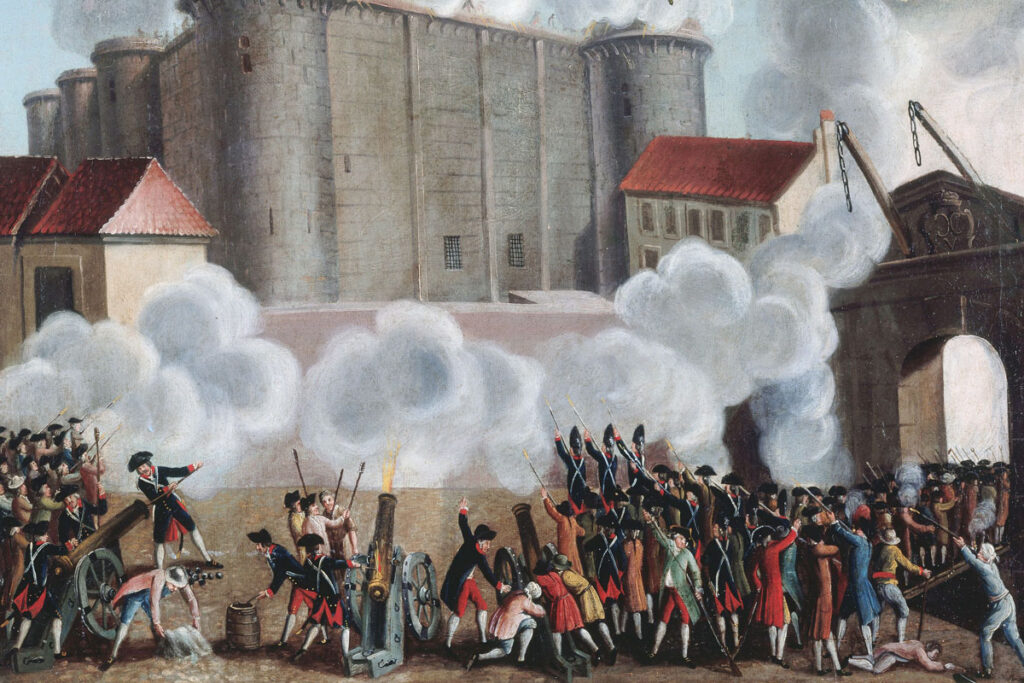
When the French Revolution began with the storming of the Bastille, it ended the French monarchy and promulgated the ideology of liberty, equality, and popular sovereignty across Europe and beyond. The revolution played a large part in ending the divine right of kings as a governing principle and set the template for democratic revolutions for the next two centuries.
1859
No book of the 19th century did more to reshape human understanding of our place in nature than Charles Darwin’s “On the Origin of Species,” published in 1859. Darwin’s theory of evolution by natural selection transformed biology, medicine, and our understanding of human origins, while challenging the religious and philosophical frameworks that had long governed Western thought.


