



ZIP codes needed a cartoon mascot to convince people to use them.
Today, most Americans can rattle off their ZIP code without a second thought. But when the five-digit system debuted in 1963, many people weren’t thrilled about adding yet another string of numbers to their lives.
The ZIP code — short for “Zone Improvement Plan” — was created to help the Post Office Department handle a growing flood of mail. Between 1943 and 1962, annual mail volume doubled, while suburban growth made delivery routes increasingly complex. The new five-digit codes allowed mail to be sorted by machines, speeding letters through the postal system far more efficiently than older methods.
Postal officials worried, however, that the public would resist the change. Americans were already adapting to telephone area codes and growing reliance on Social Security numbers. Some had grumbled that ZIP codes would make life more complicated, while a few even complained that assigning people numbers felt vaguely un-American.
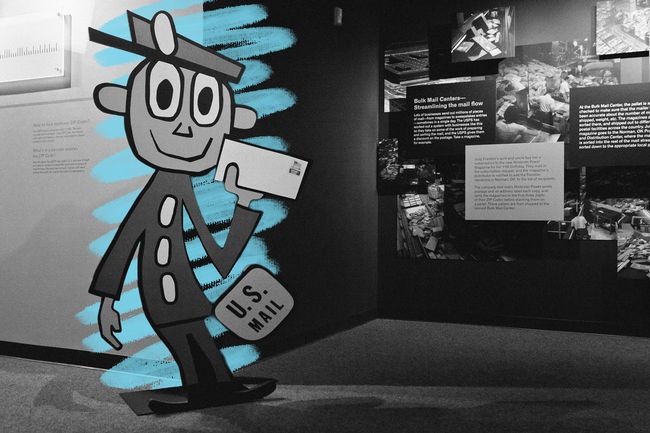
To make the new system seem friendlier, the Post Office Department turned to an unlikely spokesman: a cheerful cartoon mail carrier named Mr. ZIP. The character was originally created in the 1950s for a Chase Manhattan Bank mail-by-bank campaign. After the campaign ended, the design eventually made its way to the Post Office, which renamed the character, made a few tweaks, and put him at the center of a massive national publicity effort. He was introduced to postmasters at a convention in October 1962; each postmaster present was photographed hugging Mr. ZIP.
Shortly after, Mr. ZIP was everywhere. He appeared in newspaper and magazine ads, in television and radio spots, on mail trucks, and on the uniforms of postal employees. Post offices displayed life-size cardboard cutouts of the smiling mascot, some equipped with push-button recordings that explained the importance of using ZIP codes. Communities featured him in parades, fairs, and local events, while schoolchildren learned about the system through Mr. ZIP-themed educational materials.
The campaign worked. By the 1970s, ZIP code use had become nearly universal, helping pave the way for the highly automated mail system Americans rely on today. Before he was retired in the 1980s, Mr. ZIP became one of the most recognizable advertising mascots of the mid-20th century — a cartoon character who helped persuade a nation to embrace five little digits.


