



The U.S. government paid farmers not to grow crops.
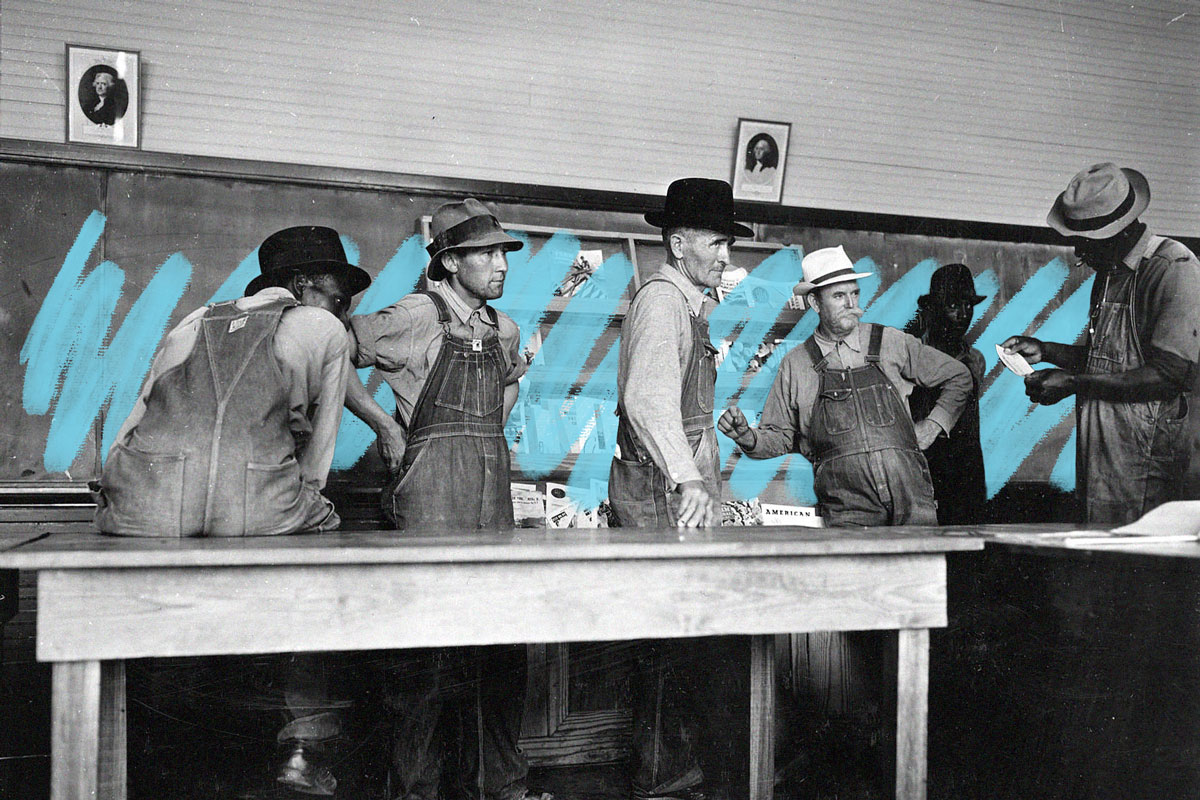
In the early 1930s, American farmers faced a crisis — not of scarcity, but of surplus. Years of increased production (encouraged by high demand and new technology), combined with the economic collapse of the Great Depression, caused U.S. crop prices to plunge. Farmers were growing more and more food but earning less and less for it.
The federal government’s solution was counterintuitive. Under the 1933 Agricultural Adjustment Act (AAA) — part of Franklin D. Roosevelt’s New Deal — the government paid farmers to produce less. The idea was simple: Reduce supply, and prices would rise.
Farmers were offered subsidies to leave portions of their land unplanted. In some cases, the government went further, overseeing the destruction of existing crops and livestock. Millions of acres of cotton were plowed under and millions of animals slaughtered, all in an effort to shrink the glut of agricultural goods flooding the market.
The policy did help push prices upward, but it also sparked outrage. At a time when many Americans were unemployed and hungry, the spectacle of food being destroyed — and the fact that farmers were being paid not to grow it — struck many as deeply unjust.
Parts of the original law were ruled unconstitutional in 1936, but a revised version that passed in 1938 kept many of its core ideas. Farmers continued to receive payments for limiting production, sometimes by leaving land fallow or following crop quotas, although efforts were framed more around soil conservation in the wake of the Dust Bowl. (Years of intensive plowing, combined with drought, had stripped the Great Plains of its topsoil, demonstrating the need for more careful soil management.)
Variations on the idea behind the AAA persist today, including programs that pay farmers to take environmentally sensitive land out of cultivation. What started as a widely criticized policy has, over time, come to include ideas that align with sound ecological practices and help ensure there are good crops for generations to come.


