




Why Americans Spell English Words Differently
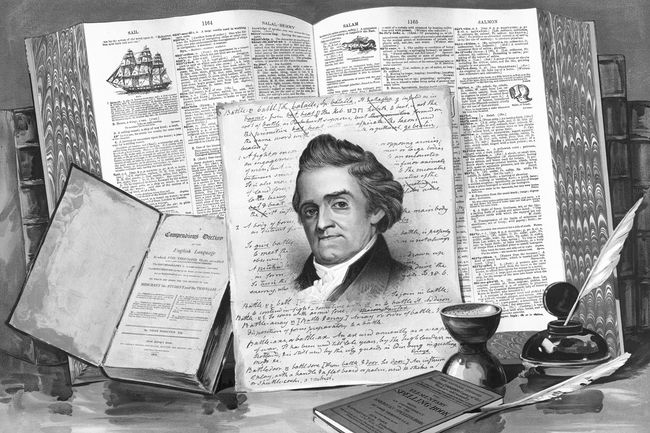
If you’ve ever wondered why Americans write “color” and “organize” while the British opt for “colour” and “organise,” you’re not alone. These subtle spelling differences are the result of migration, printing technology, colonial history, and the actions of one very determined man with strong opinions about simplicity.
What we now casually call American English is actually a snapshot of a centuries-long argument over how the language should look on the page — and who gets to decide.
At the center (or centre) of it all is a question about whether spelling should reflect tradition and history or prioritize clarity and efficiency. English has spent hundreds of years wobbling between those two ideas, and the Atlantic divide made the contrast easier to see.
English Was a Spelling Free-for-All
English was a variable language long before anyone started debating American versus British spelling. It grew out of a mix of Germanic roots, Norse influence, and a heavy dose of Old French. That combination meant there was never a single unified system of spelling to begin with — just overlapping habits that varied by region, social class, and individual writers.
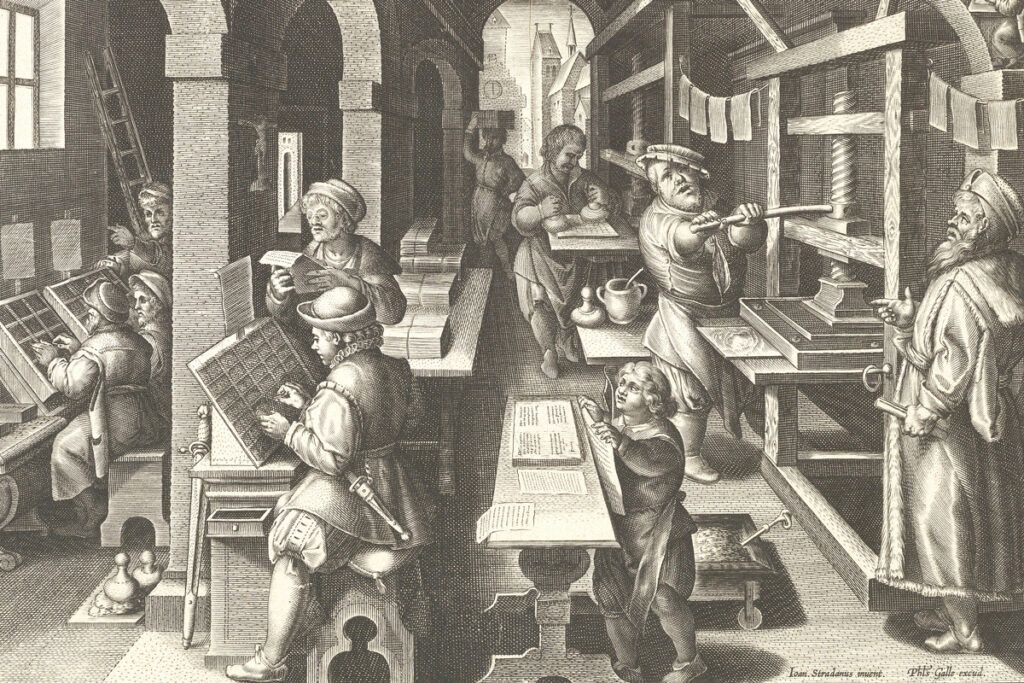
When printing arrived in the 15th century, it played a major role in gradually standardizing English spelling, though not in a fully consistent or centralized way. Early printers often drew on existing manuscript traditions and regional conventions, so variation persisted for some time. Many spellings were also influenced by French, which shaped English vocabulary and orthography after the Norman Conquest in 1066.
By the time English spread to North America in the 17th century, spelling was still relatively inconsistent, with multiple accepted forms often existing for the same word. This variation was common in both Britain and the American colonies, where spelling conventions had not yet been fully standardized and education systems were still developing.
More from our network





The Man Who Dropped the “U”
In the United States, the push for spelling changes is closely tied to Noah Webster, a lexicographer who believed English was often overly complicated and still too closely tied to British elite culture. For Webster, how words were spelled reflected ideas about identity, education, and independence.
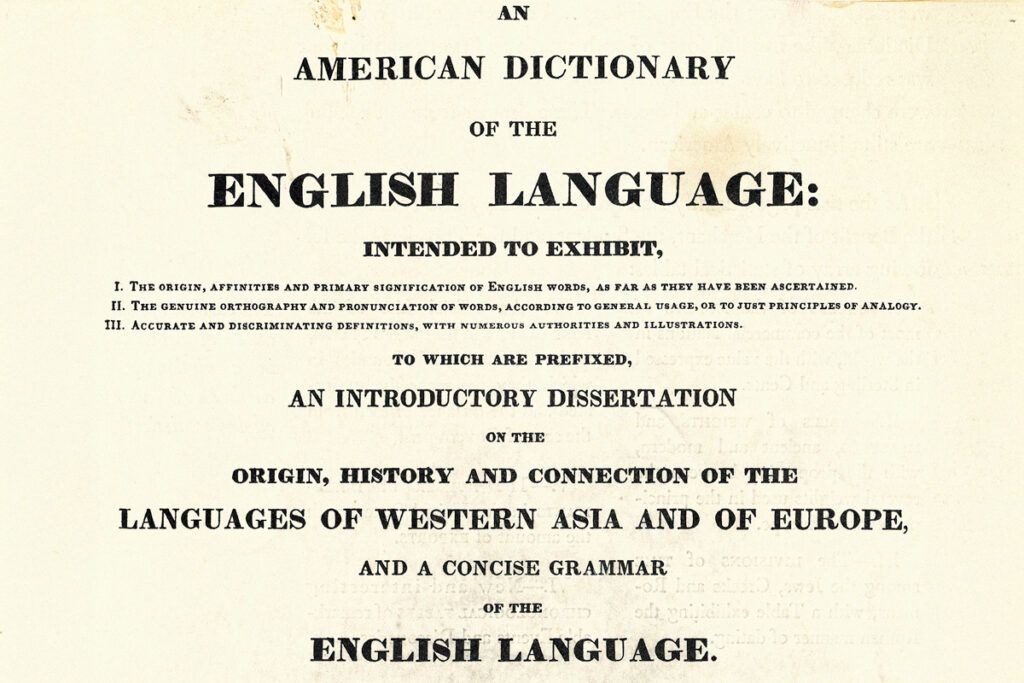
His goal was to make American English more logical and phonetic. In his American Dictionary of the English Language (1828), he promoted reforms that removed what he saw as unnecessary letters and inconsistencies. That’s where American spellings such as “splendor” (instead of “splendour”) and “fiber” (instead of “fibre”) began to take hold in a systematic way. Webster also favored spellings such as “realize,” reflecting the word’s Greek-derived “-ize” ending and his preference for consistent spelling patterns. “Realize” eventually became standard in American English even as “realise” became more common in British English.
Webster’s influence went beyond individual word choices. He helped push a broader philosophy that English in America should be simpler and more efficient, even if that meant breaking from British tradition. Some of his more extreme ideas — including radically respelling “tongue” as “tung” — never caught on, but the core of his system stuck and became embedded in American culture.
Why Britain Kept the Old Spellings
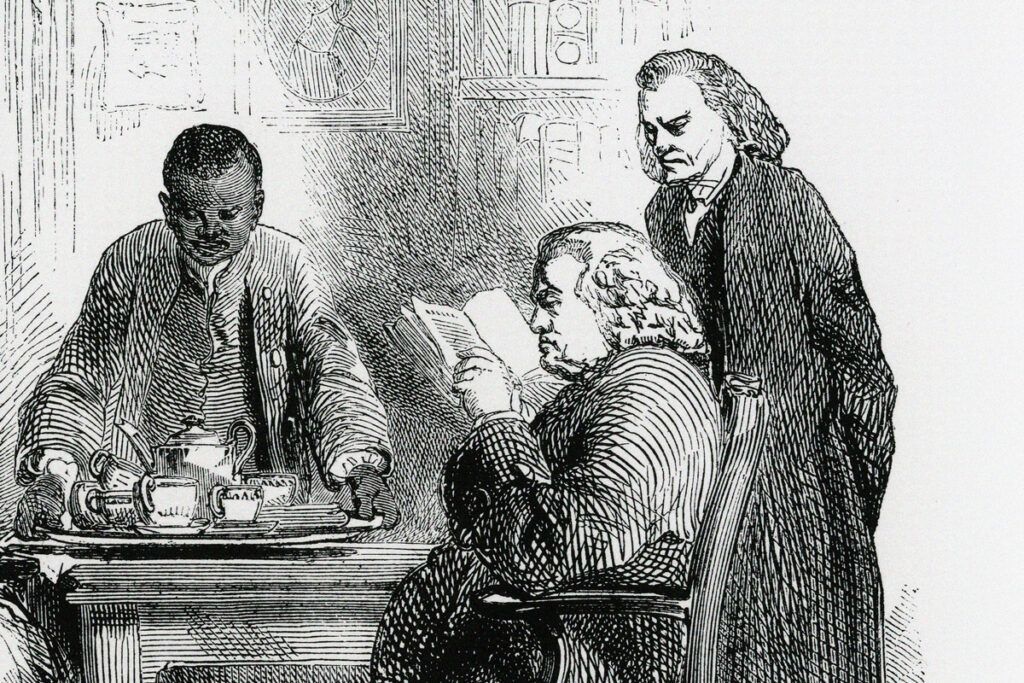
While Webster was promoting spelling reform in the United States, British English was consolidating its own standards in a different way. Rather than simplifying spelling, it leaned toward preserving established forms, especially those reinforced by influential works such as Samuel Johnson’s Dictionary of the English Language (1755).
Johnson’s dictionary defined around 80% of English vocabulary at the time. He also helped standardize many spellings that reflected French influence and historical usage, even when they weren’t the most efficient or phonetic options. For example, he reinforced spellings such as “colour,” “honour,” and “centre,” which preserved their historical and French-derived roots rather than adopting simplified alternatives. As British publishing and education systems grew more formalized, these spellings became standardized and resistant to change.
Over time, this created a language divide. British English generally favored (or should we say “favoured”) forms such as “realise,” “neighbour,” and “theatre,” while American English standardized these spellings as “realize,” “neighbor,” and “theater.” The split in ideologies slowly took hold through schools, newspapers, and books until it became normal for each side of the Atlantic to assume its own version was simply correct English.

Spot the Differences
Once you start noticing patterns, the differences between American and British spelling become surprisingly predictable. One of the most common changes involves words ending in “-our” in British English, which typically drop the “u” in American spellings. So “colour” becomes “color” and “labour” becomes “labor.” The pronunciation generally doesn’t change with the spelling; only the written form shifts.
There are also subtle differences in doubled consonants. British English tends to double letters in certain words — such as “travelling” and “cancelled” — while American English usually keeps them single, as in “traveling” and “canceled.”
Not every spelling difference follows a neat pattern, though. Some are simply historical outliers that developed independently over time. British English uses forms such as “cheque,” “grey,” “manoeuvre,” “pyjamas,” and “tyre,” while American English prefers “check,” “gray,” “maneuver,” “pajamas,” and “tire.” Unlike the more predictable differences, these words don’t belong to a single spelling rule. Instead, they reflect a mix of French influence, older English spellings, publishing conventions, and regional preferences that became standardized.
A Tale of Two Englishes
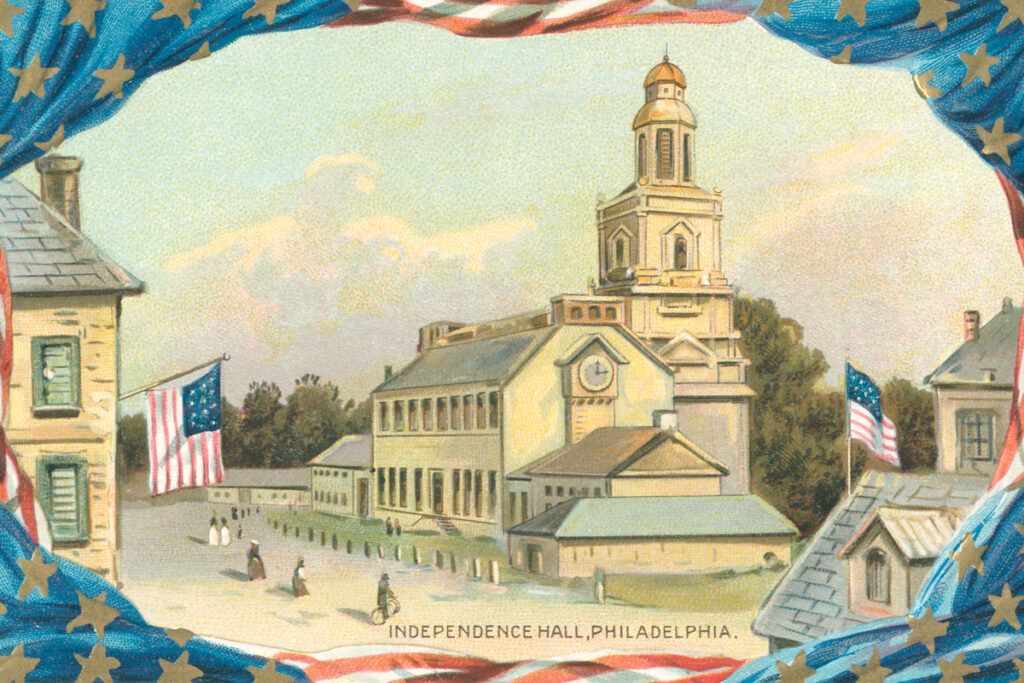
In the United States, simplified spelling became associated with ideas of practicality and national identity, helping distinguish American English from its British origins. Over time, forms such as “color,” “center,” and “realize” came to feel distinctly American — part of a broader pattern of linguistic independence that valued efficiency.
In Britain and other English-speaking countries, traditional spellings often signal continuity with historical usage and literary heritage. Neither approach is more correct than the other — they’re parallel systems that evolved under different pressures and priorities. At the end of the day, both versions illustrate the same language shifting, adapting, and carrying its history from one generation to the next.


