



What Americans Ate in 1776

In 1776, the newly declared independent United States didn’t have a national cuisine. In fact, it barely had a national identity. A farmer in Massachusetts, a merchant in Philadelphia, and a rice planter in South Carolina might all consider themselves Americans, but they were unlikely to eat the exact same foods.
What they did share was a diet shaped by a remarkable mix of influences. Indigenous peoples introduced colonists to crops that thrived in North America. European settlers brought livestock, cooking techniques, and recipes from their homelands. Enslaved Africans contributed ingredients, agricultural knowledge, and culinary traditions that became foundational to Southern cooking. And trade routes connected the colonies to the Caribbean, Europe, and beyond, bringing sugar, spices, and other coveted goods.
The foods Americans ate in 1776 varied enormously from place to place and group to group, but many of the ingredients and traditions that would later define “American” cooking were already simmering the year the country was born.
A Melting Pot of Ingredients
The foods available to Americans in 1776 reflected nearly two centuries of cultural exchange. European colonists arrived with familiar ideas about what constituted a proper meal: bread, beer, meat, dairy products, and puddings. But adapting those traditions to North America required new ingredients and new techniques.
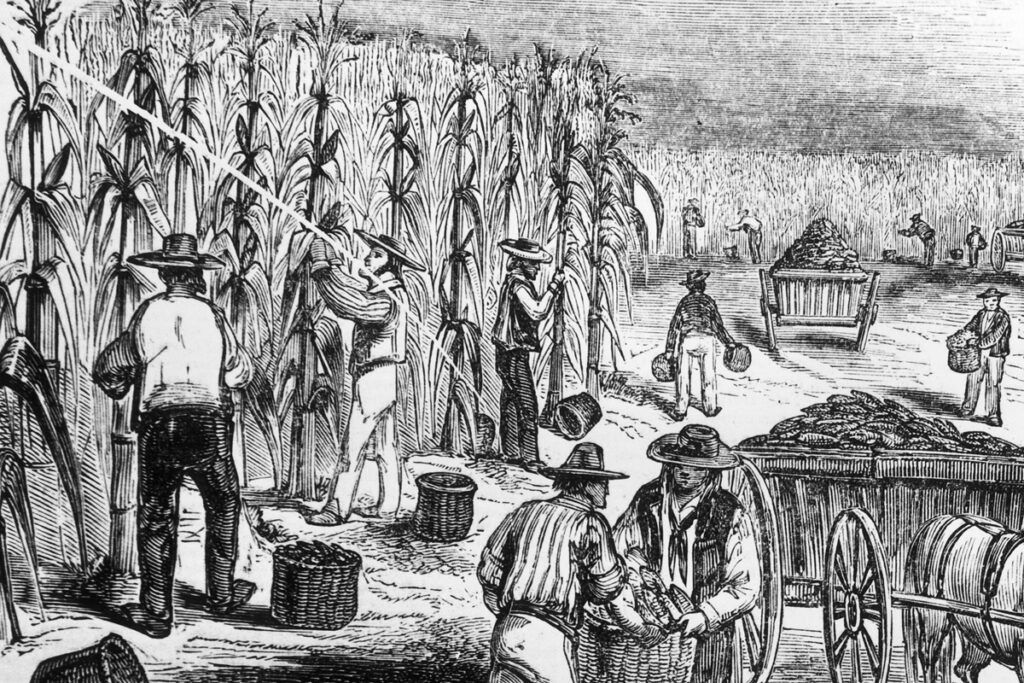
Perhaps no ingredient was more important than corn. Indigenous communities taught colonists how to cultivate the crop, which became a staple throughout much of the colonies. Cornmeal appeared in dishes such as hasty pudding — a thick porridge similar to polenta — and johnnycakes, simple griddle cakes that were popular from New England to the South.
Other Indigenous crops, including beans and squash, also became common ingredients. Together with corn, these foods helped sustain colonists and gradually worked their way into everyday cooking.
Meanwhile, enslaved Africans brought knowledge of ingredients that would leave a lasting mark on American foodways. In the South, cooks incorporated crops such as okra into soups and stews. Caribbean trade introduced sugar, molasses, rum, and spices, helping shape flavors that are still associated with American cuisine today.
More from our network




Protein, Colonial Style
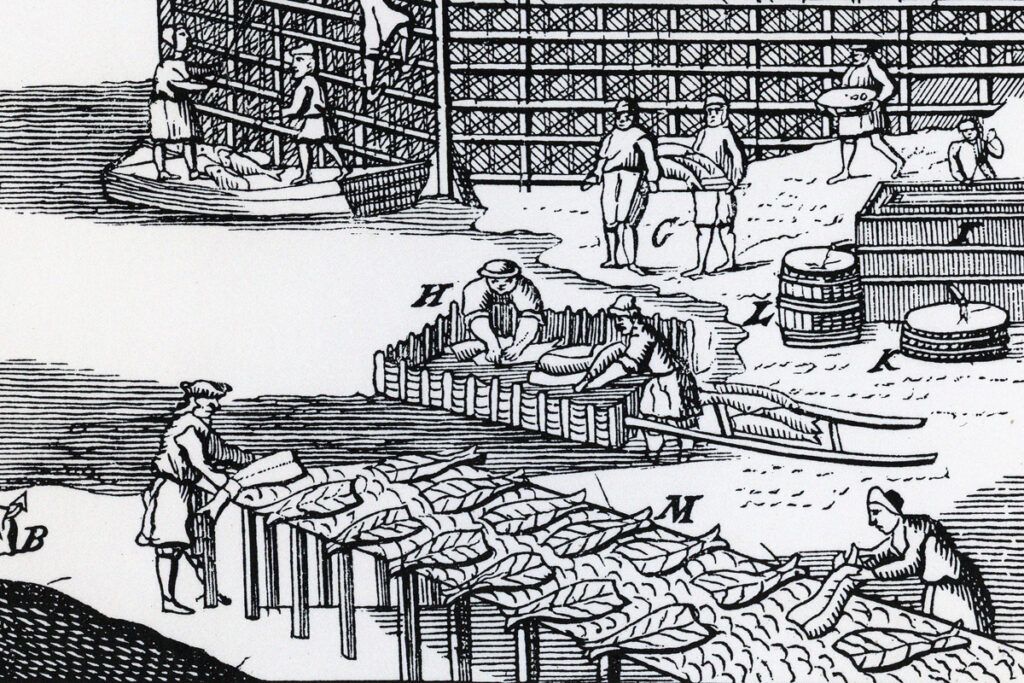
Most Americans in 1776 ate far less fresh meat than modern Americans do. Instead, preservation was essential. Salted pork, salted beef, and dried or salted fish provided reliable sources of protein throughout the year.
For many households, one of the most important dishes was pottage — a hearty stew that simmered for hours over the hearth. A pot might contain whatever ingredients were available: vegetables, grains, beans, and bits of meat or fish. Because ingredients could be added as supplies allowed, pottage was economical, filling, and adaptable.
Regional differences were significant. In New England, fish played a major role thanks to the region’s abundant coastline and thriving fisheries. Salt cod was both a staple food and an important export. Coastal residents also ate shellfish, including oysters and lobsters. Lobster was so plentiful that it was often considered food for poorer households rather than the luxury it is today.
Elsewhere, wild game frequently appeared on the table. Deer, rabbits, squirrels, waterfowl, and even passenger pigeons — once among the most abundant birds in North America — could be hunted for food. Wealthier Americans sometimes enjoyed more elaborate dishes, including turtle soup, which became fashionable in some cities and taverns.
Daily Bread
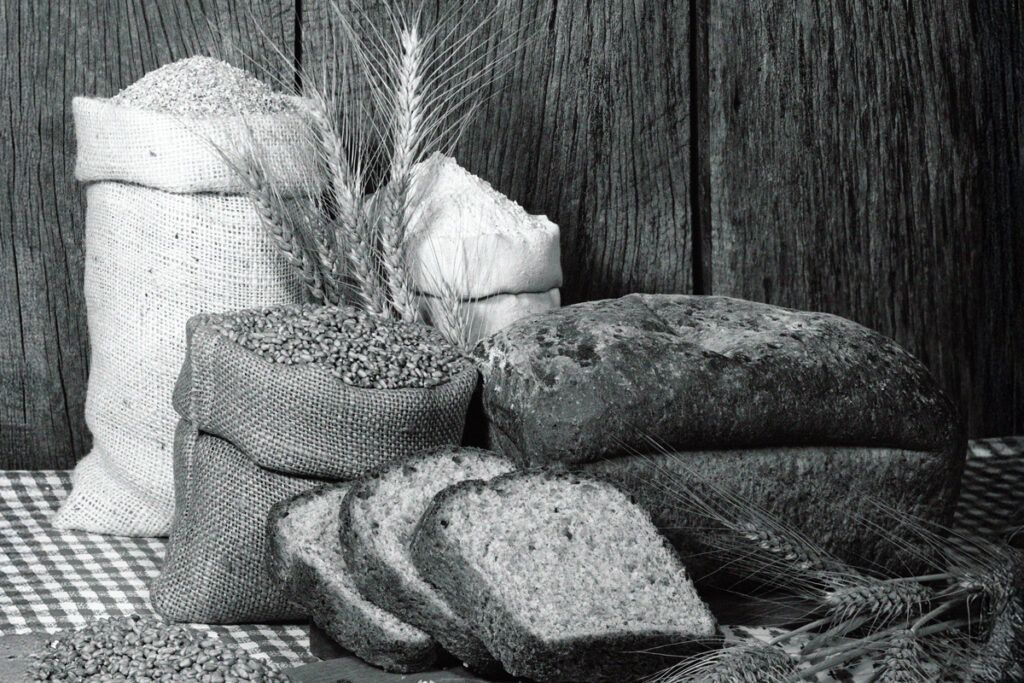
If there was one food that connected nearly every table in 1776, it was bread. In wheat-growing regions of the mid-Atlantic and South, families baked loaves similar to those eaten in Europe. In New England, however, wheat was harder to grow, so many households relied on “rye-and-Indian” bread, a dense loaf made from rye flour and cornmeal. Some loaves weighed several pounds and were intended to last for days.
Many meals were accompanied by beans, which stored well through the winter. In some regions, slow-cooked bean dishes became household staples, providing an inexpensive source of calories and protein.
Spice Was Nice
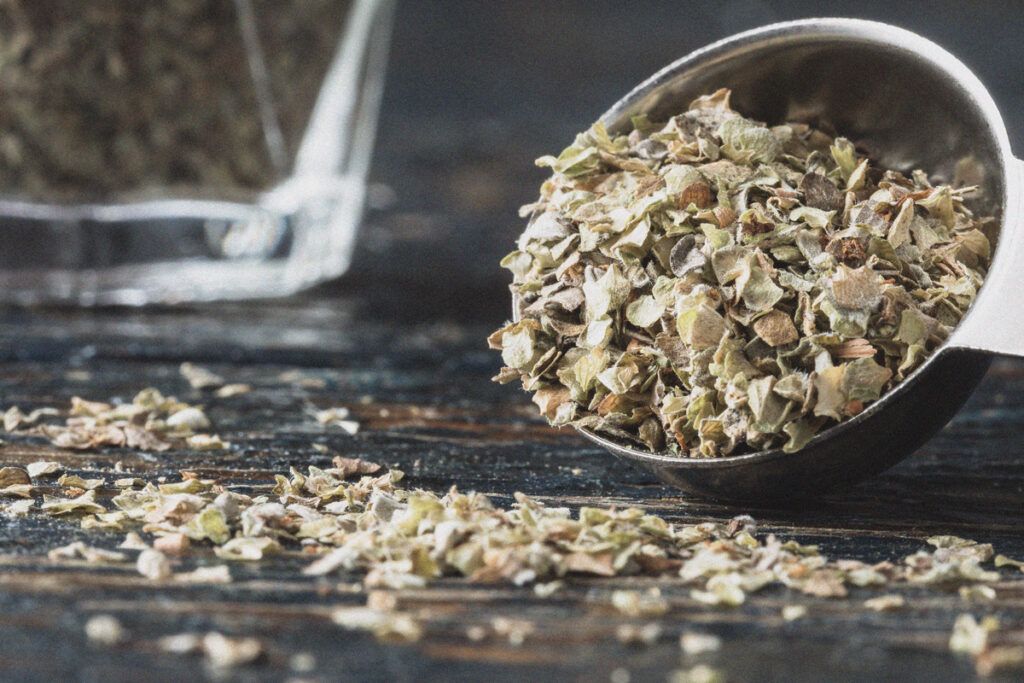
Modern diners often imagine colonial food as bland, but cooks in 1776 had access to a surprisingly broad range of seasonings. Black pepper was widely used, along with herbs such as marjoram and savory. Nutmeg and mace appeared in both savory and sweet dishes. Imported spices were expensive, but they were common enough to find their way into many cookbooks and household recipes.
Some seasonings that seem unusual today were entirely ordinary at the time. Rosewater, introduced to Europe centuries earlier through cultural exchanges with the Middle East, was a popular baking ingredient. Colonial cooks used it much the way modern bakers use vanilla extract, adding it to cakes, pies, and stewed fruit.
Lemon juice and lemon peel also appeared frequently in recipes, such as one heavily seasoned preparation for venison favored by Martha Washington. And nearly every dish carried a flavor that modern kitchens rarely produce: wood smoke. Since most cooking took place over open hearths, smoke subtly flavored everything from breads to stews.