



The Rise and Fall of the ‘Farmers’ Almanac’
For more than two centuries, the Farmers’ Almanac was a familiar presence in American homes — tucked beside seed catalogs, wedged between cookbooks, pinned on barn walls, or kept in workshop drawers. Its pages offered long-range weather predictions, planting calendars, sunrise and moon-phase charts, home remedies, and practical advice. For generations, it influenced how people prepared for the seasons and understood the cycles of the natural world.
The Farmers’ Almanac regularly included weather lore, folk sayings, planting guidelines, and proverbs — a blend of traditions that resonated with a mostly rural, agrarian readership. Many of the proverbs are sayings Americans still recognize today, such as “A stitch in time saves nine.” Others have much older European or colonial origins, and the almanac played a role in keeping them alive and circulating.
But the long tradition of the Farmers’ Almanac will end with the publication’s 2026 edition. The publishers announced the closure in late 2025, citing rising costs, dwindling print readership, and the reality that digital tools now offer immediate forecasts and guidance once found only in annual books. As the Farmers’ Almanac closes its doors, let’s take a look at the rise and fall of this former household staple.
A Tradition Older Than America
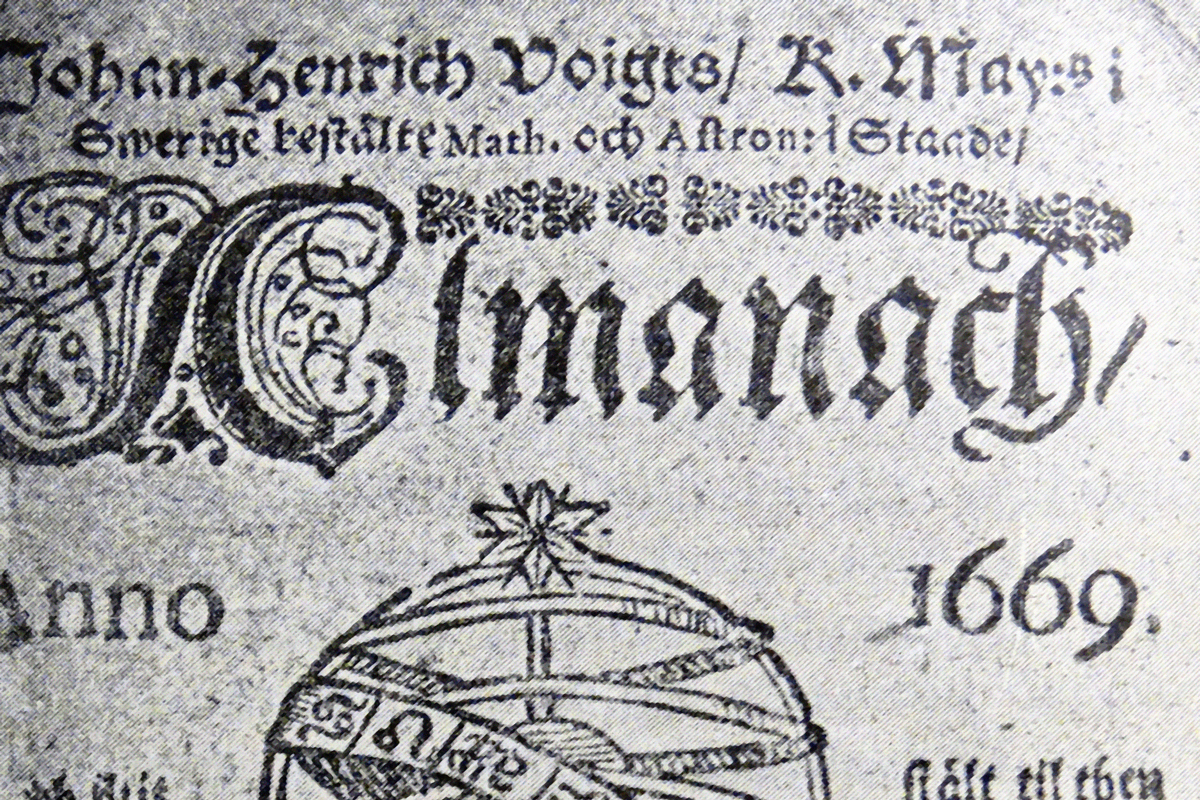
Almanacs are far older than the United States. Their roots go back to ancient societies that tracked celestial events to guide planting and seasonal work. With the invention of the printing press, the earliest known printed almanacs emerged in Europe — the first appeared in 1457 — and by the late 15th century, such publications commonly included calendars, astronomical data, tide tables, and practical seasonal guidance.
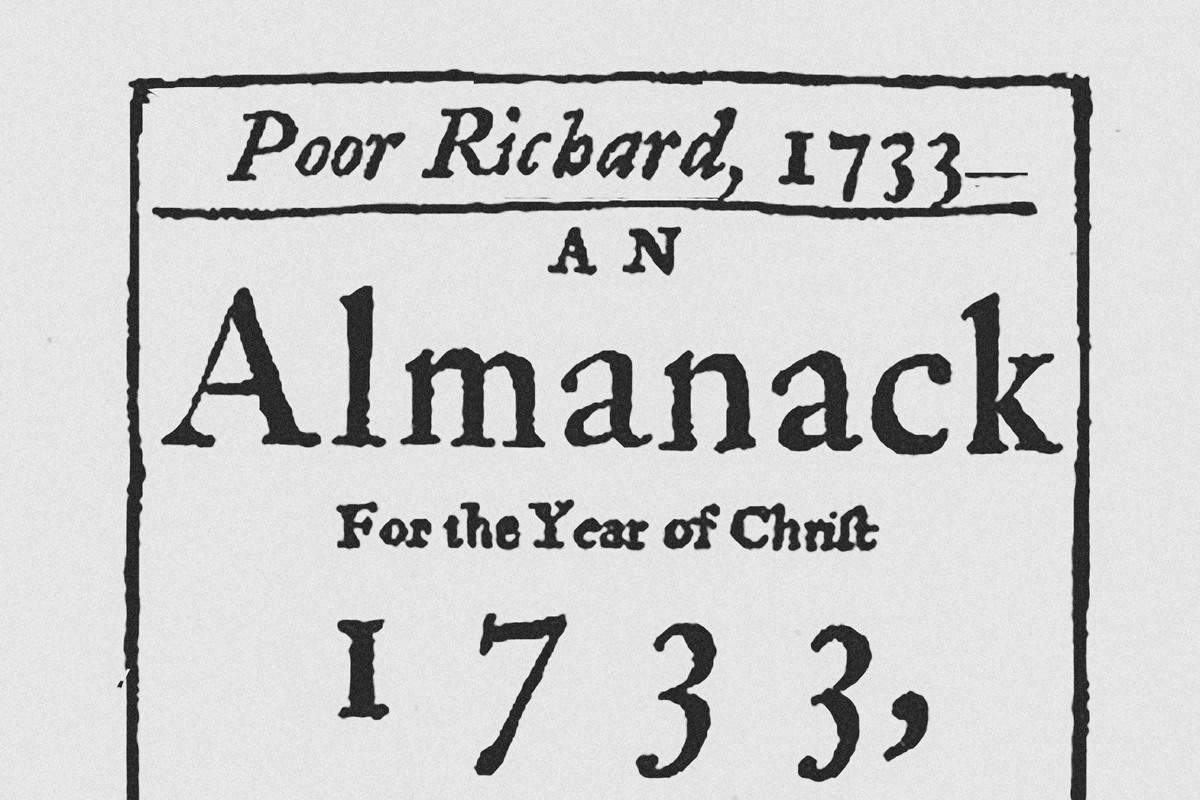
In colonial North America, the tradition of almanac‑making began in the 17th century. The first U.S. almanac was printed by William Pierce in 1639, offering calendars, weather guidance, and seasonal advice for the New England region. By the 18th century, dozens of almanacs circulated across the colonies. Perhaps the most famous was Poor Richard’s Almanack, first published by Benjamin Franklin in 1732.
Despite the many almanacs that sprang up, only a handful endured into the modern era. At the center of that legacy are two long‑running American institutions: The Old Farmer’s Almanac and the Farmers’ Almanac, which carried forward the tradition of annual almanacs centuries after their 15th‑century predecessors across the pond.
You may also like


More from our network





Similar Names, Different Styles
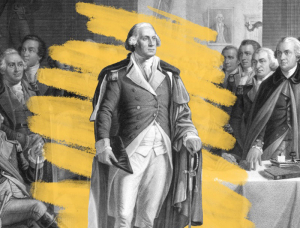
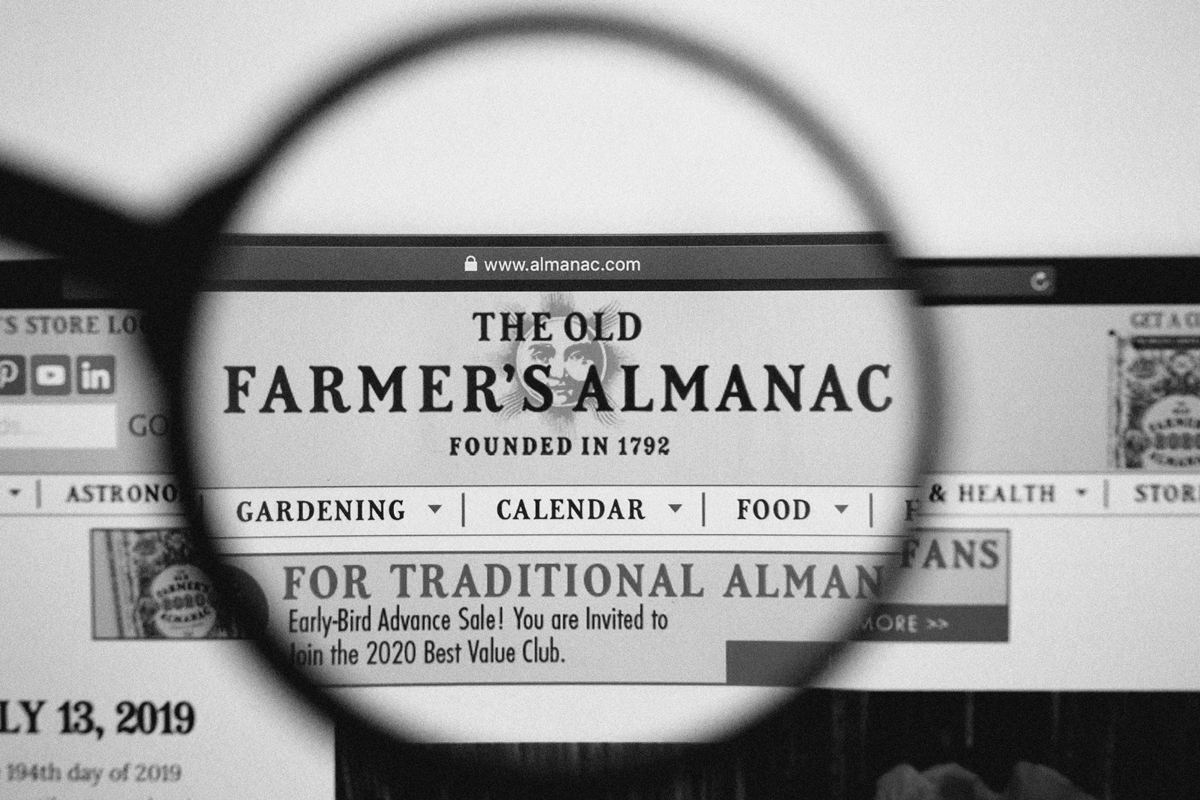
The Old Farmer’s Almanac came first. Founded in 1792 by Massachusetts teacher and bookseller Robert B. Thomas during George Washington’s first presidential term, it quickly became a trusted reference for rural households. Thomas edited the guide for more than 50 years, establishing the traditional tone that remains its hallmark.
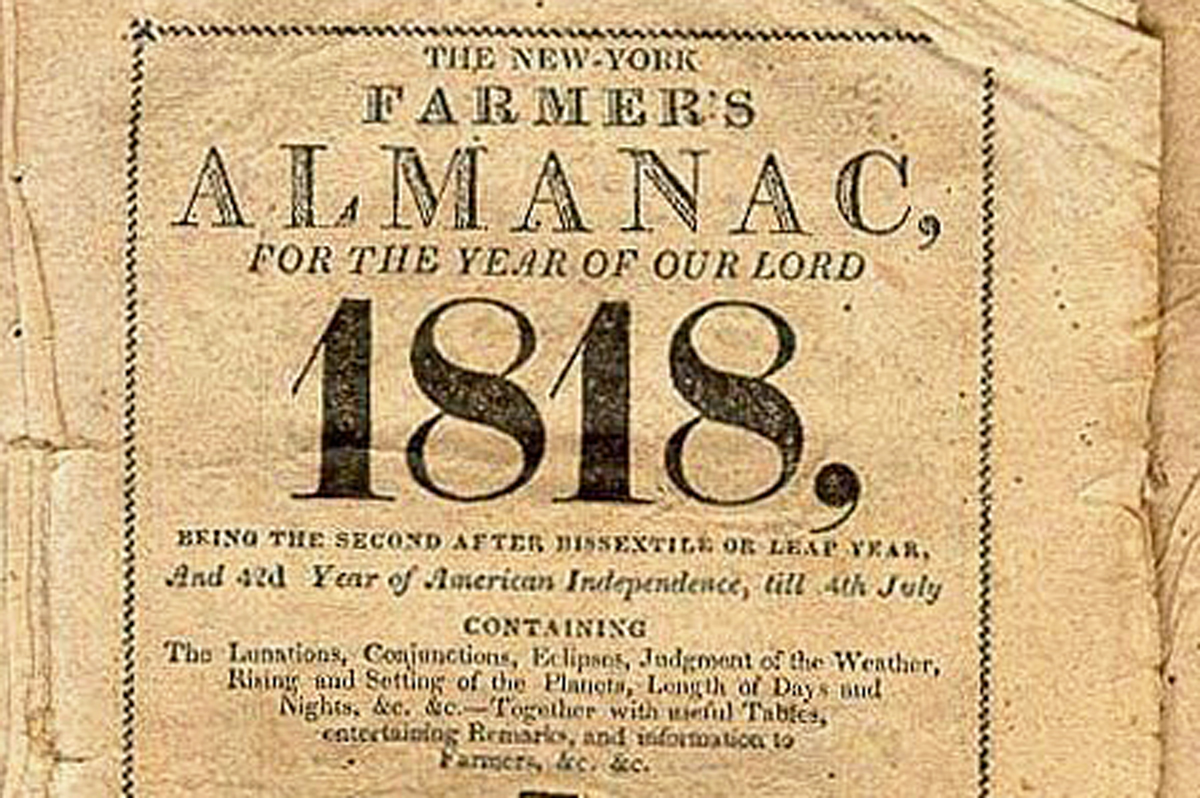
The Farmers’ Almanac followed in 1818, founded by poet‑astronomer David Young and publisher Jacob Mann. Its style was more practical and conversational and it gradually adopted a modern tone, in contrast to The Old Farmer’s Almanac, which retained a traditional, nostalgic voice.
The publications’ friendly rivalry — especially over long-range weather predictions — became part of their folklore. Accuracy varied, of course. Weather forecasting is notoriously difficult, and independent analyses typically placed both almanacs in the 50% to 70% accuracy range. The Farmers’ Almanac famously credited its forecasts to a secret equation devised by Young. And despite the lack of precision, readers valued a framework for thinking ahead as the seasons changed.
Why Did The Old Farmer’s Almanac Survive?
The Old Farmer’s Almanac adapted steadily as literacy rose, printing improved, and suburban gardening gained popularity. By the late 20th century, it had become the more nationally recognized brand, expanding into calendars, cookbooks, and companion guides while maintaining its distinctive yellow cover and familiar design.
The Farmers’ Almanac remained smaller but carried a loyal readership, especially among gardeners and hobby farmers. Both almanacs survived changes that swept away most comparable publications, and their longevity became part of their mystique.
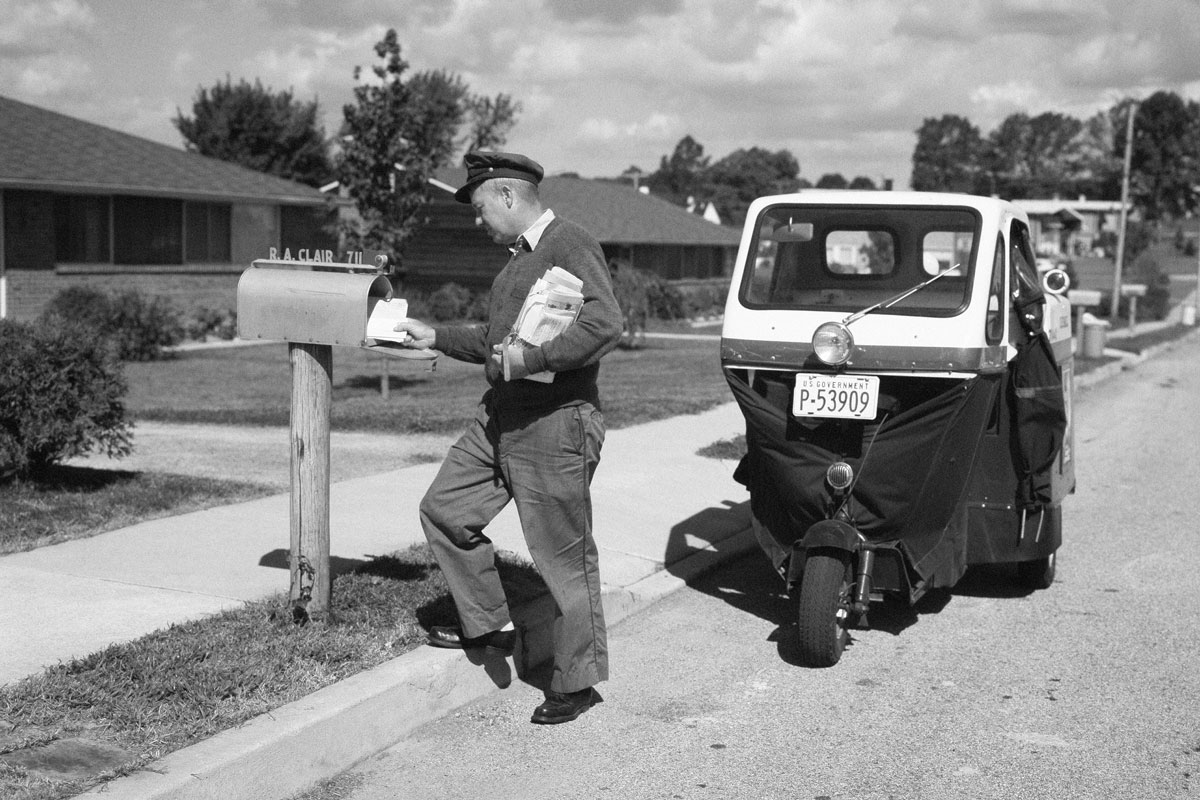
But even loyalty has limits. As print costs rose and digital tools replaced nearly every function of a printed almanac, the Farmers’ Almanac struggled to maintain the business model that had sustained it since James Monroe was president. Though the publication reported a North American circulation of 2.1 million in 2017, younger readers weren’t replacing earlier generations of buyers, and tradition alone couldn’t sustain the business.
The Old Farmer’s Almanac managed to adapt more effectively. Strong brand recognition, diversified products, and a robust digital presence helped it remain viable into the 21st century. As of 2026, it continues in print — with a circulation of more than 2.5 million in North America — making it one of the last general-interest American almanacs still published annually.
The Almanac’s Legacy
Looking back at the Farmers’ Almanac’s long run, what stands out is not only the information it provided but also the mindset it represented: a seasonal way of organizing the year by the familiar signals of the natural world. For many readers, it offered a reliable yearly rhythm that modern digital tools, for all their immediacy, can’t replicate.
Though half of this long-standing pair is disappearing, the almanac tradition itself endures. The Old Farmer’s Almanac still arrives each year, offering weather forecasts, astronomical tables, gardening guidance, and the kind of practical advice that defined the genre. A handful of smaller regional or specialized almanacs persist, mostly in niche print runs or online, but none matches the national presence of the two historic giants.
For readers who will miss the Farmers’ Almanac, its closing isn’t the end of the story. The tradition lives on in popular folklore and homespun wisdom that will continue to be passed down from generation to generation.


