


How Was Mail Delivered Before House Numbers?
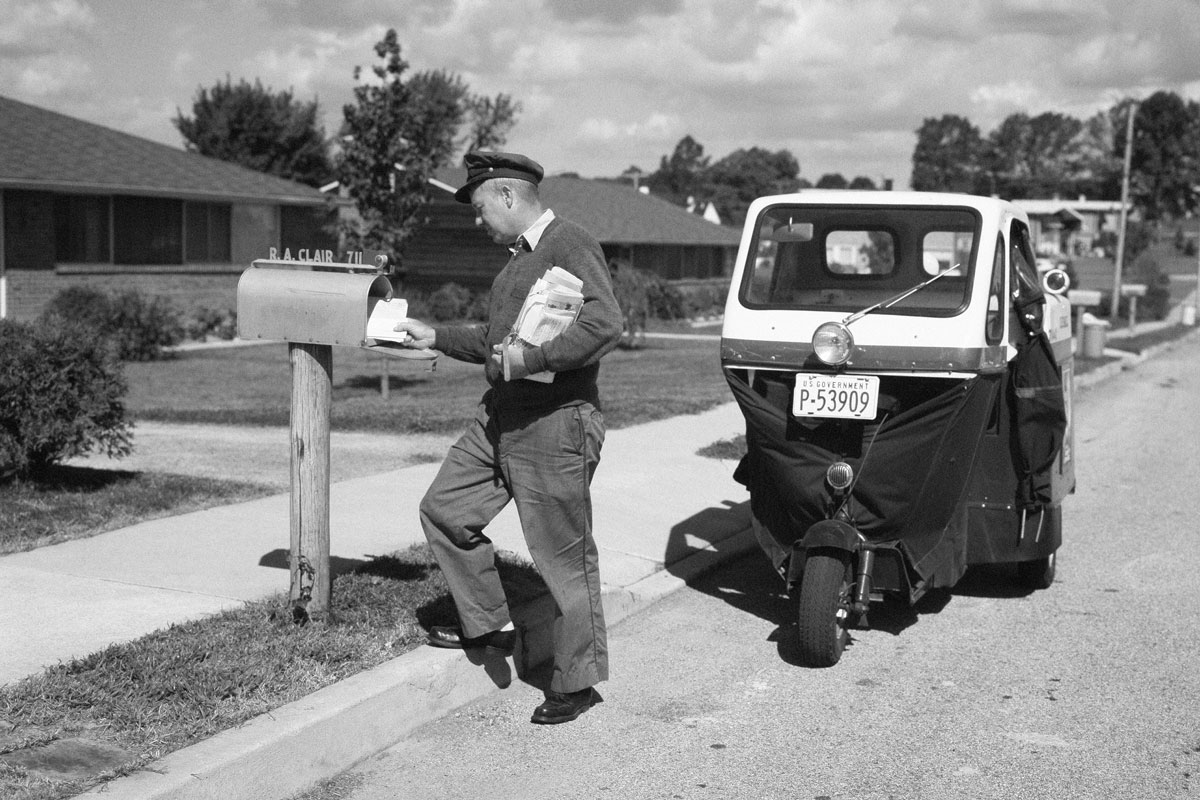
Though mail is almost an afterthought today with the amount of correspondence conducted online, we can still count on bills, holiday cards, and various other goodies to arrive with the mail carrier’s visit.
The daily post enabled the exchange of information before radio, television, or the internet — and it wasn’t always an easy feat. Mail trucks and planes do the heavy lifting now, but delivery once depended on the pace of trains and steamboats, and before that the physical capabilities of equestrian and human carriers.
Another complicating factor was the lack of an established street address system for a good chunk of U.S. history. Given all these complications, one could be forgiven for wondering just how mail ended up in the right hands without an exorbitant number of mistakes in the olden days. Here’s a look at how the Post Office Department, the precursor to the United States Postal Service (USPS), found its way.
Early Mail Service Required a Trip to the Post Office
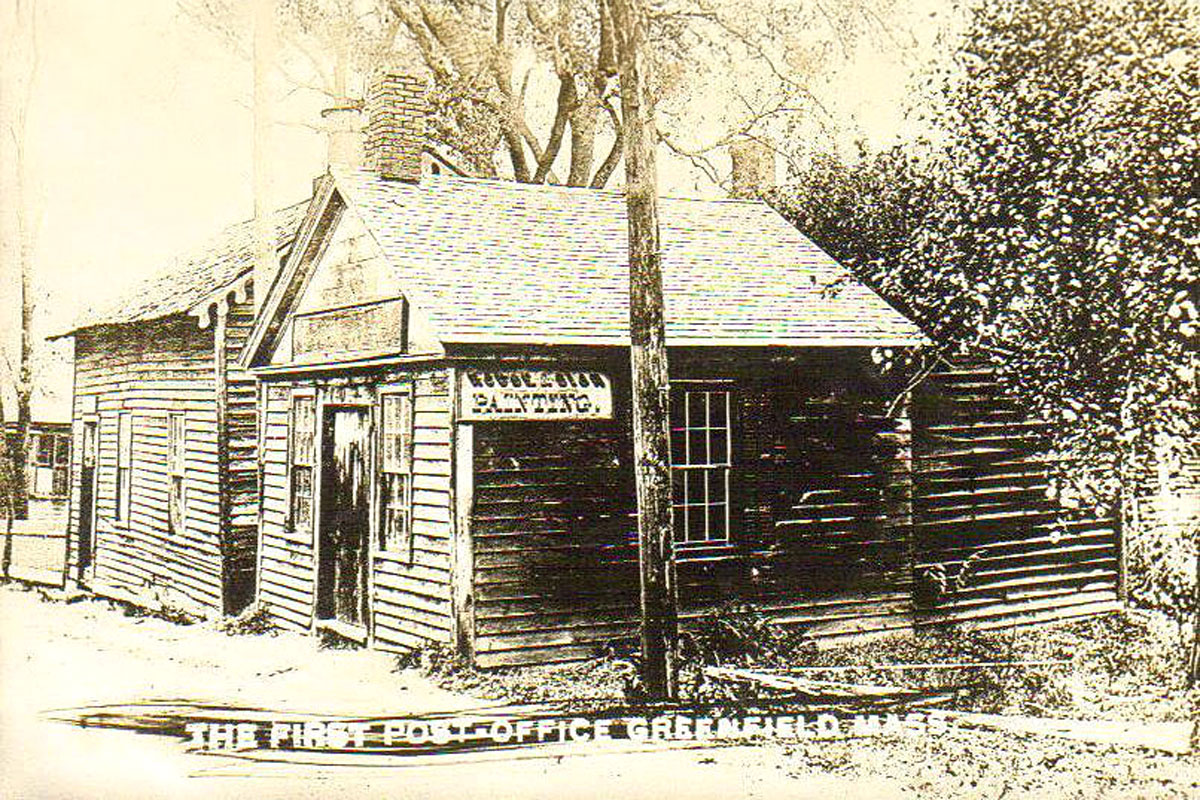
The first post office in the American colonies was established in a Massachusetts tavern in 1639, with the first intercolonial systems surfacing in the 1670s. In this era of sparse settlements, mail delivery was often handled by enslaved people or Native American carriers who knew the terrain well.
By 1789, when a Congressional Act under the brand-new U.S. Constitution placed the postmaster general under the power of the executive branch, there were 75 post offices and some 2,400 miles of post roads spread along the Eastern Seaboard. While this ensured mail access for most Americans, people needed to travel to the nearest post office to retrieve it.
There were exceptions to this rule. Benjamin Franklin, who became deputy postmaster of the colonies in 1753 and later the first postmaster general of the United States, established the “penny post” home delivery service in Philadelphia for a fee.
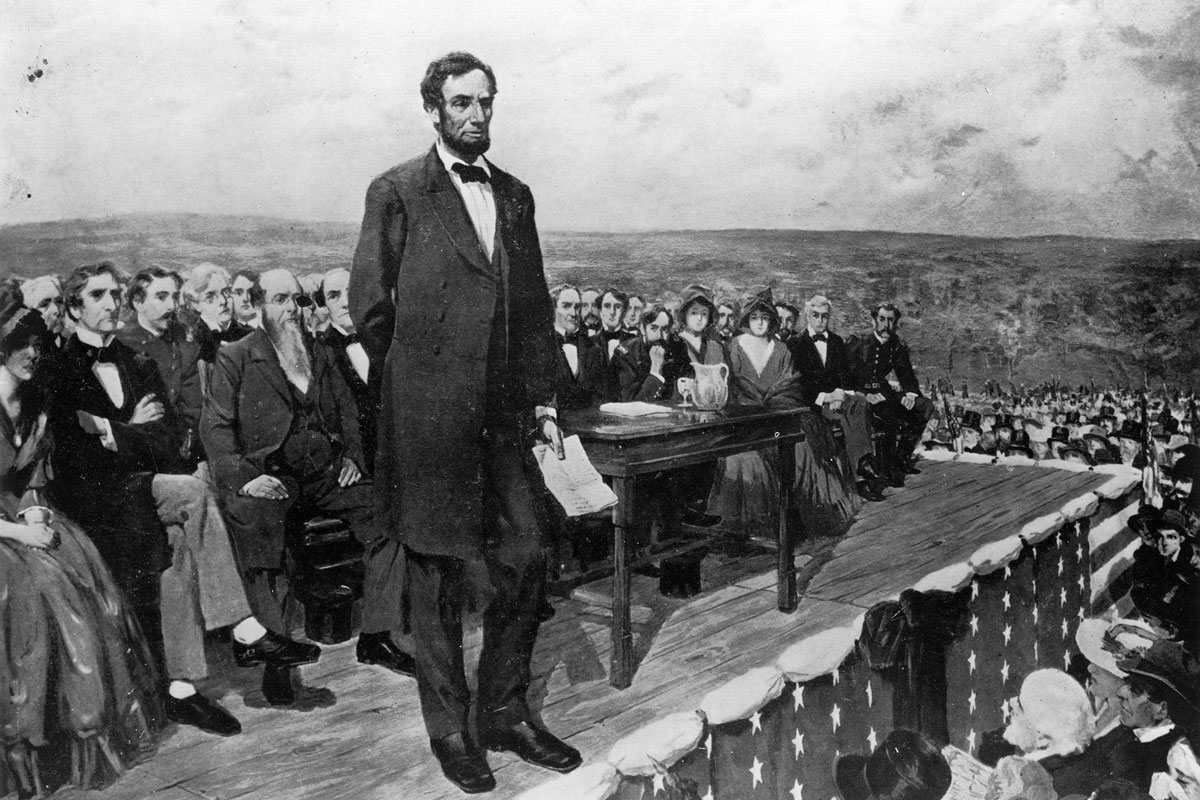
Several of the private mail companies that materialized in the 1800s also would deliver mail to a recipient’s door, while a postmaster in a smaller town, such as a pre-presidential Abraham Lincoln, might find time to stop by the homes of those unable to retrieve their mail. By and large, however, home delivery service was not a reality for most Americans before the Civil War.
You may also like

More from our network





Philadelphia Introduced the First Street Numbers
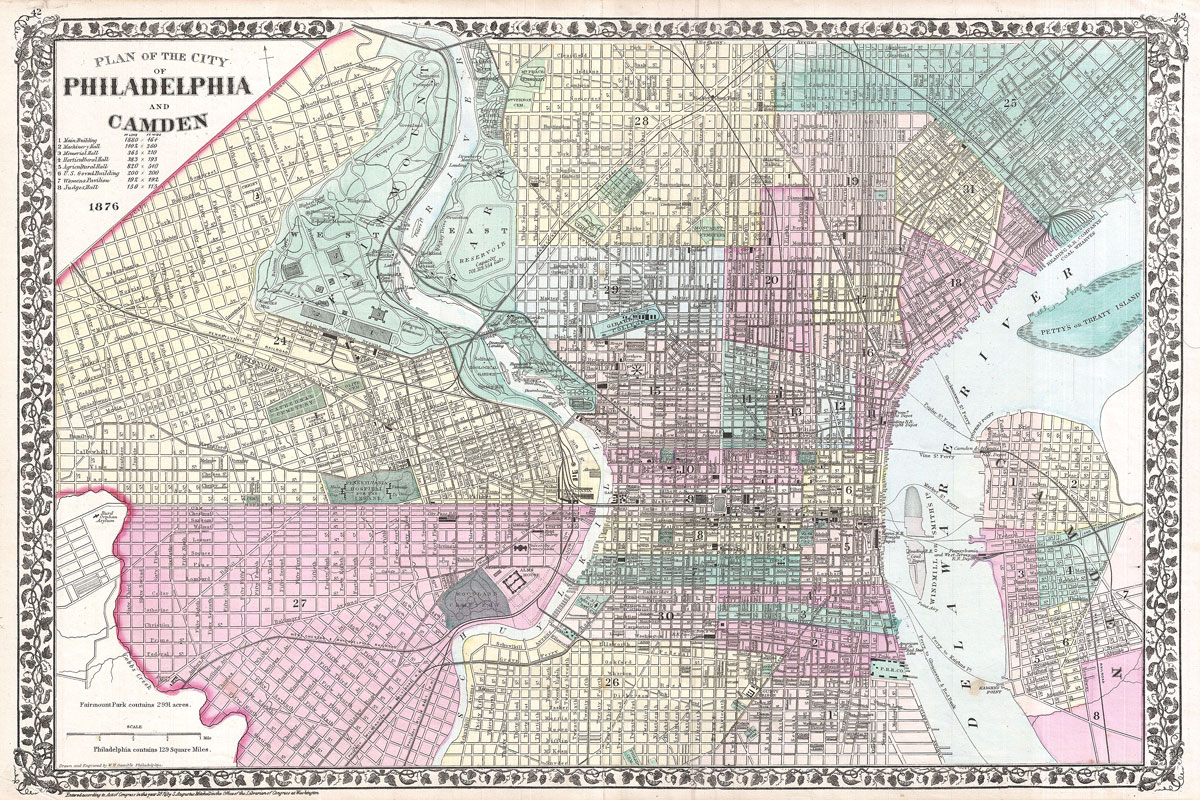
Meanwhile, the first systematic attempts at numbering buildings surfaced shortly after the United States was formed. In 1791, Philadelphia created a city directory in which odd numbers, increasing in chronological order, were assigned to buildings on the north and east sides of a street, and even numbers to those on the south and west sides. Other major urban centers such as New York City soon followed suit.
However, there were inconsistencies with these numbering systems that magnified as cities grew. Because the numbers were assigned only to existing buildings, those that popped up later on previously vacant lots were given digits that threw the sequencing out of whack. Cities with curvy, winding streets produced even more chaotic results, with buildings on different streets but in otherwise close proximity often stuck with starkly different numbers.
A solution to this mess arrived in the 1850s, again in Philadelphia, where city council member John Mascher pushed for a system in which street addresses corresponded with the numbers of the nearest cross streets. For example, a building with the number 220 was located on the block between Second Street and Third Street, a building numbered 440 would fall between Fourth and Fifth, and so on. As for the stretches between streets with names instead of numbers, the numbering would continue at evenly spaced intervals, only jumping to the next 100 on a new block.
Of course, this required renumbering in places that already had existing street addresses. While the “Philadelphia system,” also known as the “decimal system,” eventually became commonplace throughout the country, the change was not always welcomed by those attached to their old address numbers for personal or professional reasons.
People Had To Get Creative
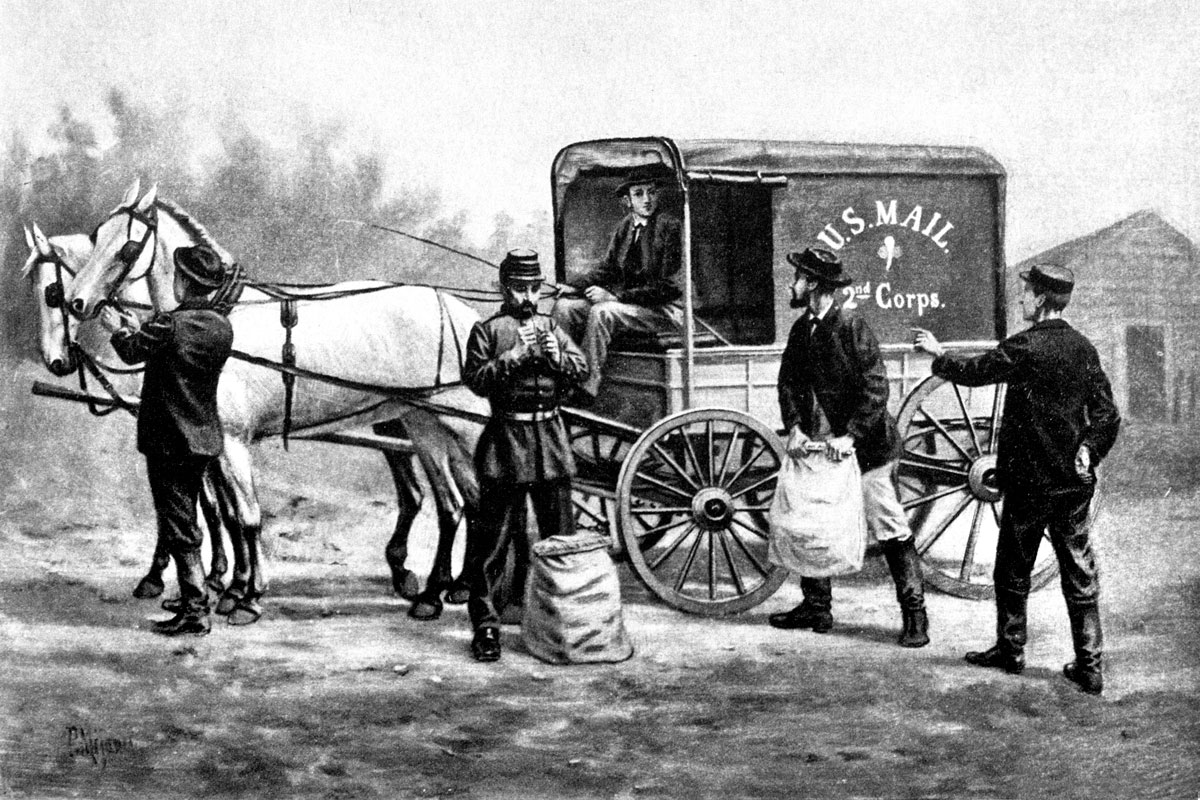
The confluence of the expanding postal system and coherent system of house numbering arrived when the U.S. government announced the start of home mail delivery in select northern cities, effective July 1, 1863. Citizens intending to send mail directly to a recipient’s residence were required to include a street address. But the street numbering system remained very much in flux at the time, and many letter senders simply ignored the requirement in lieu of more creative descriptions. A mail carrier might find a note addressed to, say, the residence halfway between Third and Fourth with the two broken windows and a crumbling chimney.
As described in Devin Leonard’s Neither Snow Nor Rain: A History of the United States Postal Service, a prime example of this came from Mark Twain, who was seeking to mail a draft of one of his stories to a friend but didn’t know the address. As a result, Twain wrote on the envelope: “For Mr. C.M. Underhill, who is in the coal business in one of those streets there, and is very respectably connected, both by marriage & general descent, and is a tall man & old but without any gray hair & used to be handsome. Buffalo N.Y. From Mark Twain. P.S. A little bald on the top of his head.”
The draft found its way to C.M. Underhill, and indeed, mail carriers were generally successful at their jobs in spite of the limited instructions they were often required to work with. Exceedingly difficult cases with vague address or illegible handwriting were sent to the Dead Letter Office in Washington, D.C., where they were sometimes deciphered and rerouted to the right place, but otherwise were opened and recycled, with the more unusual contents uncovered placed on display in the office’s museum.
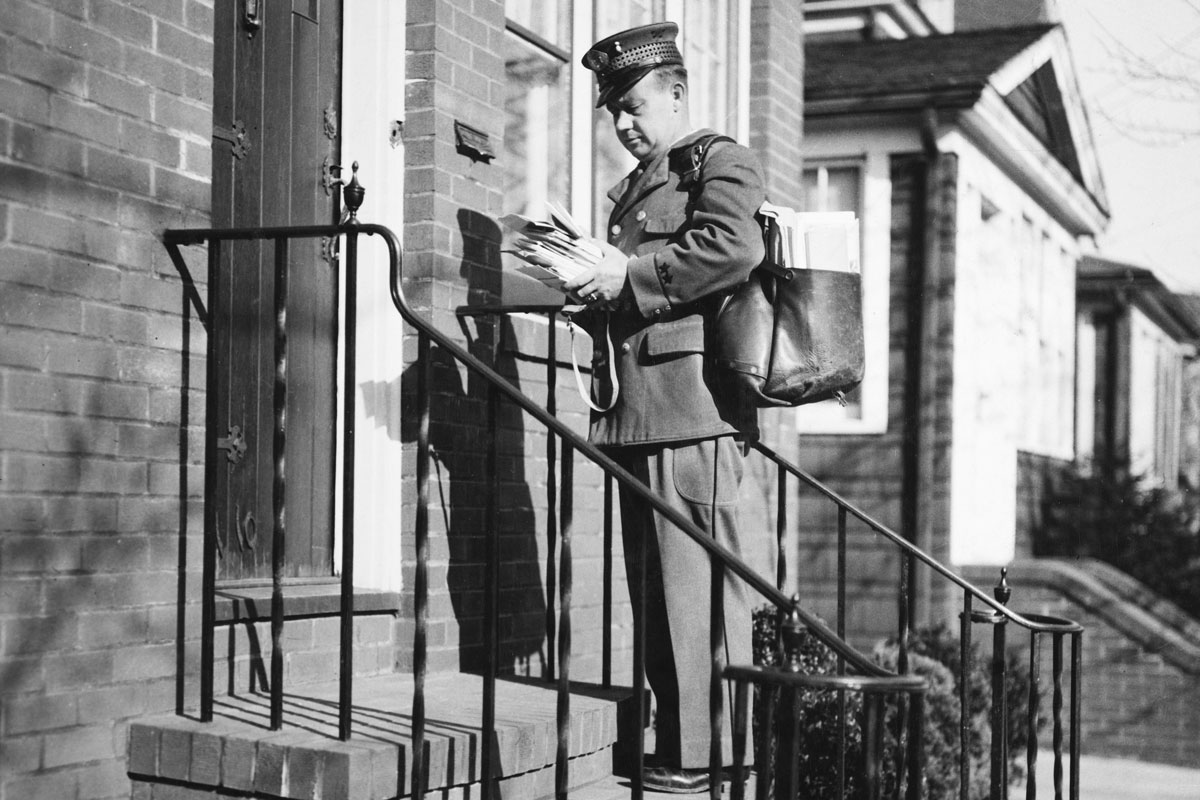
Street Numbering Continued Changing
Even with the occasional snag in service, mail delivery quickly proved an effective endeavor. By 1864, 685 postal employees were carrying mail to homes through 65 U.S. cities, those totals jumping to 2,628 carriers and 104 cities by 1880. Following a test run involving three remote West Virginia communities in 1896, Rural Free Delivery (RFD) became a permanent postal feature in 1902.
As evidenced by the continued growth and reach of the Post Office Department, the reshuffling of street addresses in some areas and the lack of them in others didn’t present a major obstacle for determined postal carriers. New numbering systems were introduced with the plethora of subdivisions that appeared across the country in the aftermath of World War II, although the arrival of ZIP codes in 1963 further streamlined the delivery process.
While street addresses are now a ubiquitous feature of developed nations, California’s Carmel-by-the-Sea managed to resist the trend that engulfed the rest of its municipal neighbors. Founded in 1916, the coastal city retained its old-time appeal for decades with residents required to retrieve mail from the post office and get creative when providing directions. However, in July 2024, the city council voted to end the long-standing nostalgic practice.


