7 Presidential Myths That Won’t Go Away
American presidential history is filled with colorful stories of doubtful veracity that have taken on lives of their own. Many of the most cherished and oft-repeated tales about U.S. presidents are either exaggerated, misunderstood, or completely fabricated. And these aren’t just word-of-mouth rumors — many have found their way into textbooks, tour guide scripts, and seemingly reliable websites, further perpetuating erroneous stories that in some cases have been around for centuries.
Here are seven myths about U.S. presidents that won’t seem to go away, no matter how hard historians work to correct the record.
Myth: George Washington Had Wooden Teeth
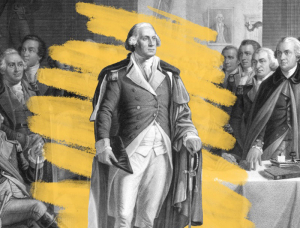
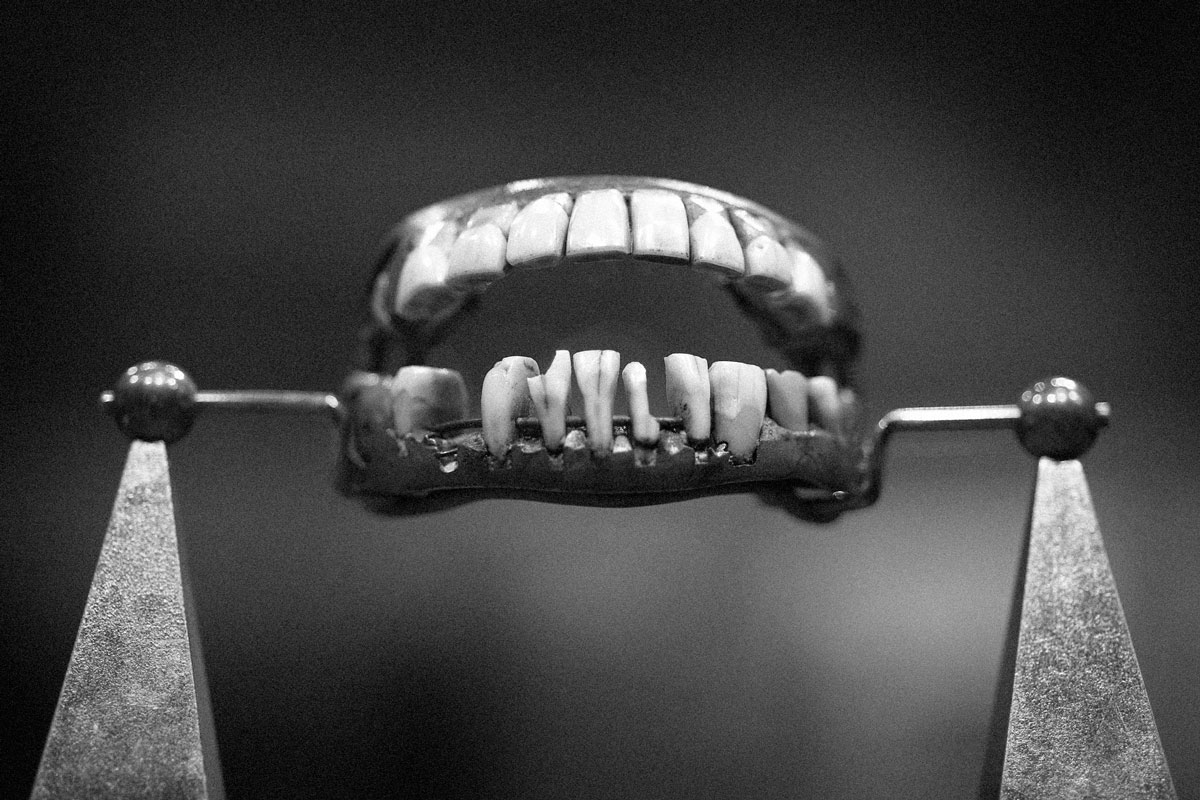
Perhaps no presidential myth is more widespread and persistent than George Washington’s supposed wooden dentures. Washington did suffer from an array of dental problems throughout his life, and he often mentioned his aching teeth, inflamed gums, and ill-fitting dentures in his letters and diary entries. But wooden teeth were never part of the solution.
The truth, in fact, is arguably even more bizarre: His various sets of dentures were crafted from ivory, gold, lead, cow and horse teeth, and human teeth. The myth of the wooden dentures likely arose because the ivory dentures that Washington did use often became stained over time, taking on a woodlike appearance.
You may also like
More from our network





Myth: William Howard Taft Got Stuck in a White House Bathtub
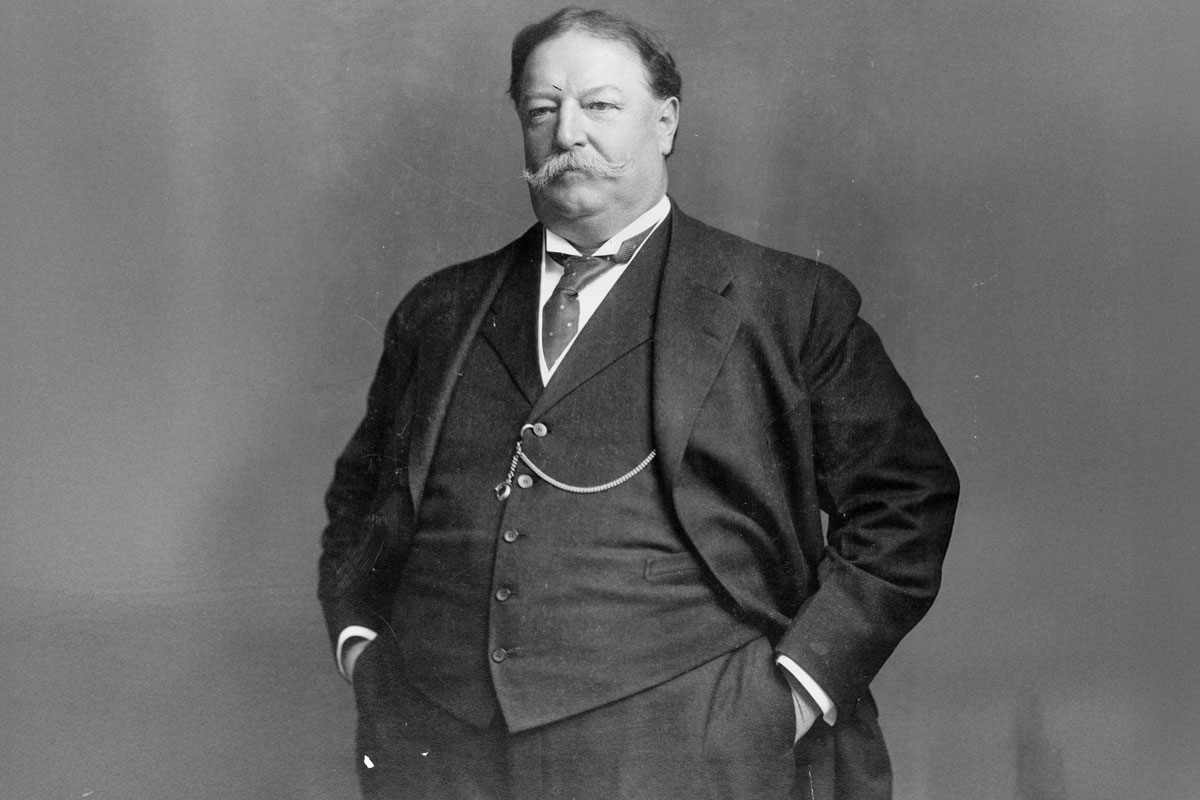
The average person might not know much about William Howard Taft, but they may have heard the bathtub story. According to the popular tale, the 300-plus-pound president became wedged in a White House bathtub and required six men to extract him. It’s quite an image, but there’s no credible historical evidence that it ever happened. However, Taft was very much aware of his size and had oversized bathtubs — one of which weighed a ton — installed in the White House. These supersized tubs may have inspired the myth of Taft getting stuck in a regular-sized bathtub, a fabrication that may have been propagated by his political rivals.
Myth: Abraham Lincoln Wrote the Gettysburg Address on the Train
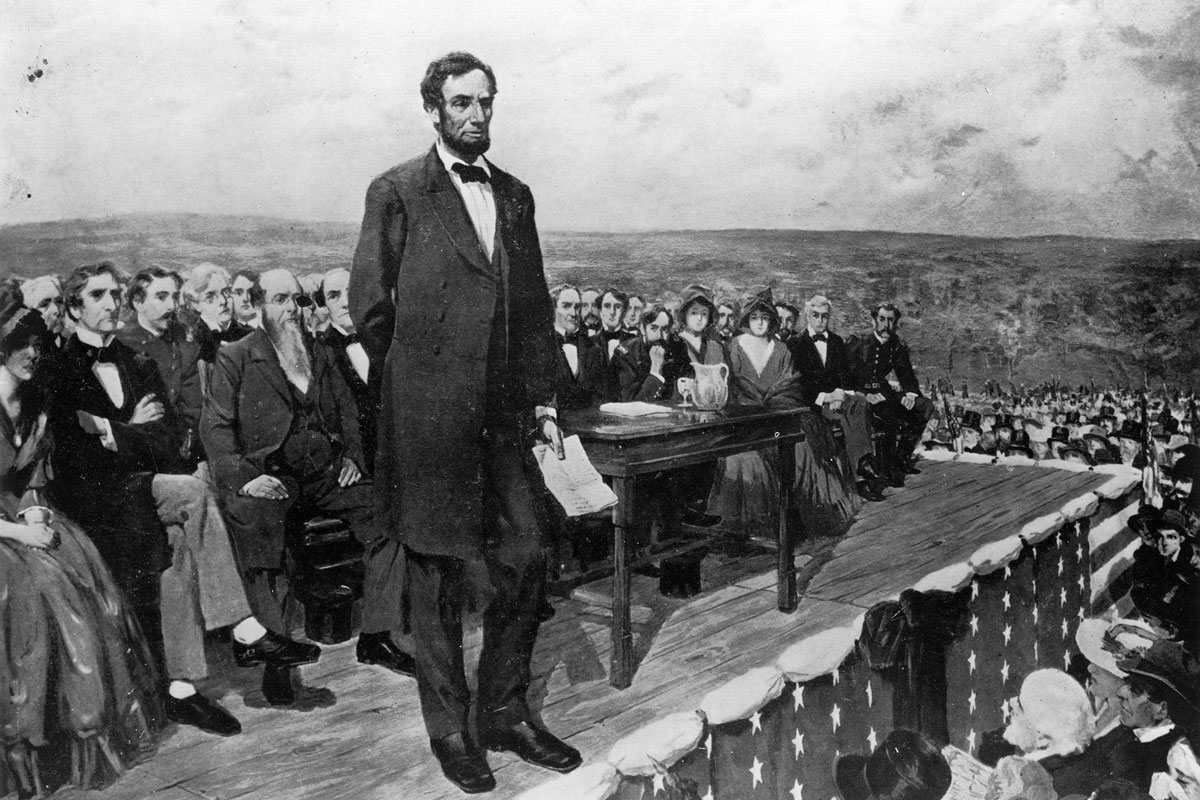
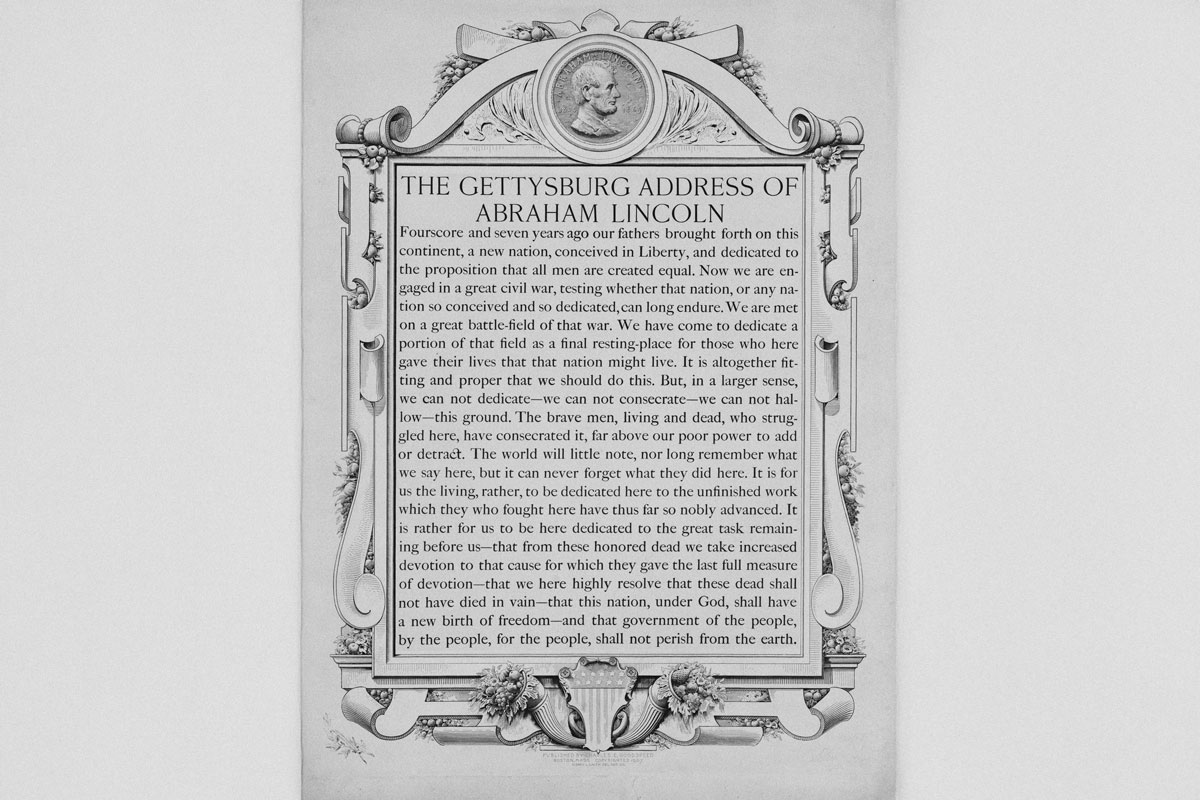
The Gettysburg Address is widely considered one of the greatest speeches in American history. It’s also attached to a persistent myth: that Abraham Lincoln hastily scribbled the immortal address on the back of an envelope while on a train to Pennsylvania. This is entirely fictional. Lincoln actually started working on his speech not long after the Battle of Gettysburg was fought in July 1863 — a few months before he gave the address on November 19. He prepared multiple drafts, five copies of which still exist — and none displays the shaky handwriting that would have been inevitable if the speech were written on the jolting, bumpy trains of the day.
Myth: Theodore Roosevelt Rode a Bull Moose
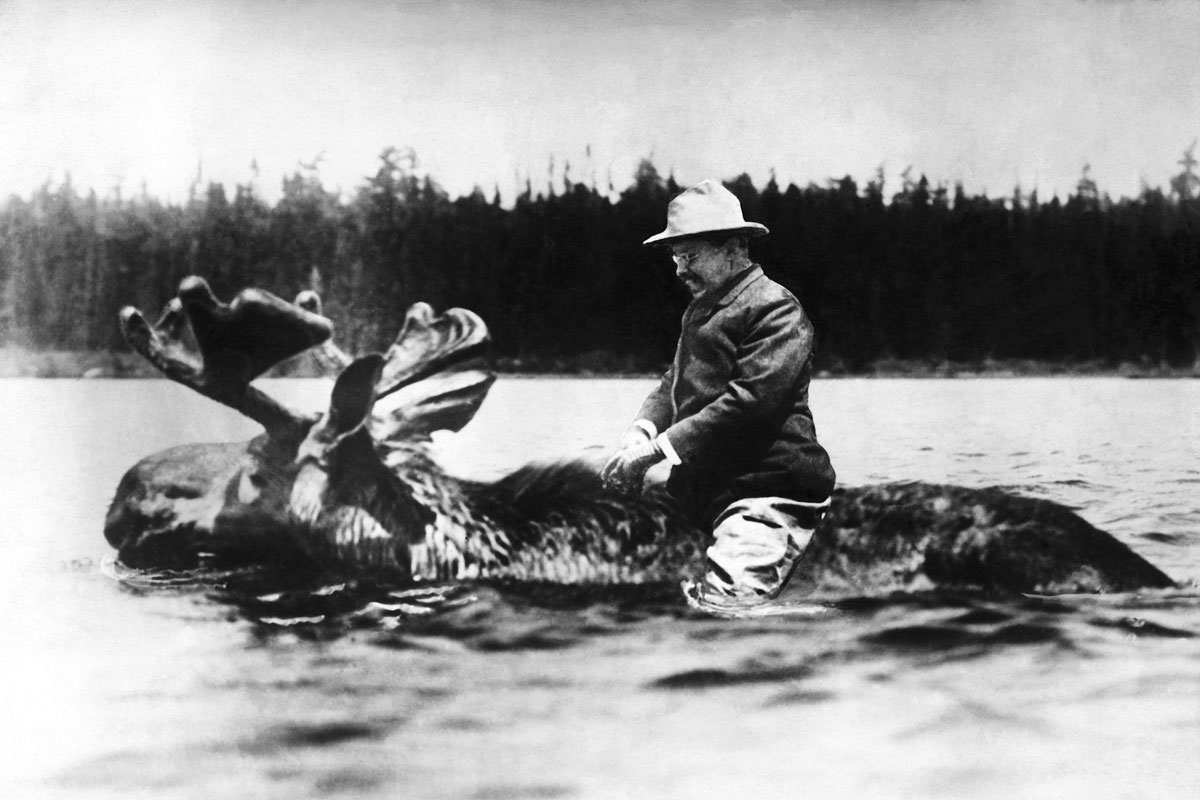
In 1912, Theodore Roosevelt launched a presidential campaign as the candidate of the Progressive Party. During the campaign, Roosevelt famously declared he felt “strong as a bull moose,” after which the party was popularly referred to as the Bull Moose Party. From there, a very specific embellishment arose: that Roosevelt actually rode a bull moose during the campaign. But this never happened.
The blame for the myth lies squarely with a fake newspaper image created in 1912. Two months before the election, the New York Tribune published a set of humorous pictures under the headline “The Race for the White House.” Created by the photographic firm Underwood and Underwood, the three images showed each presidential candidate astride the animal associated with his party: William Howard Taft riding an elephant, Woodrow Wilson sitting on a donkey, and Roosevelt sitting proudly on a bull moose. A closer look at any one of the photos provides plenty of evidence of fakery — but the images were nonetheless out in the public domain, and Roosevelt’s mythical ride on a bull moose made its way into the popular consciousness.
Myth: George Washington Cut Down His Father’s Cherry Tree
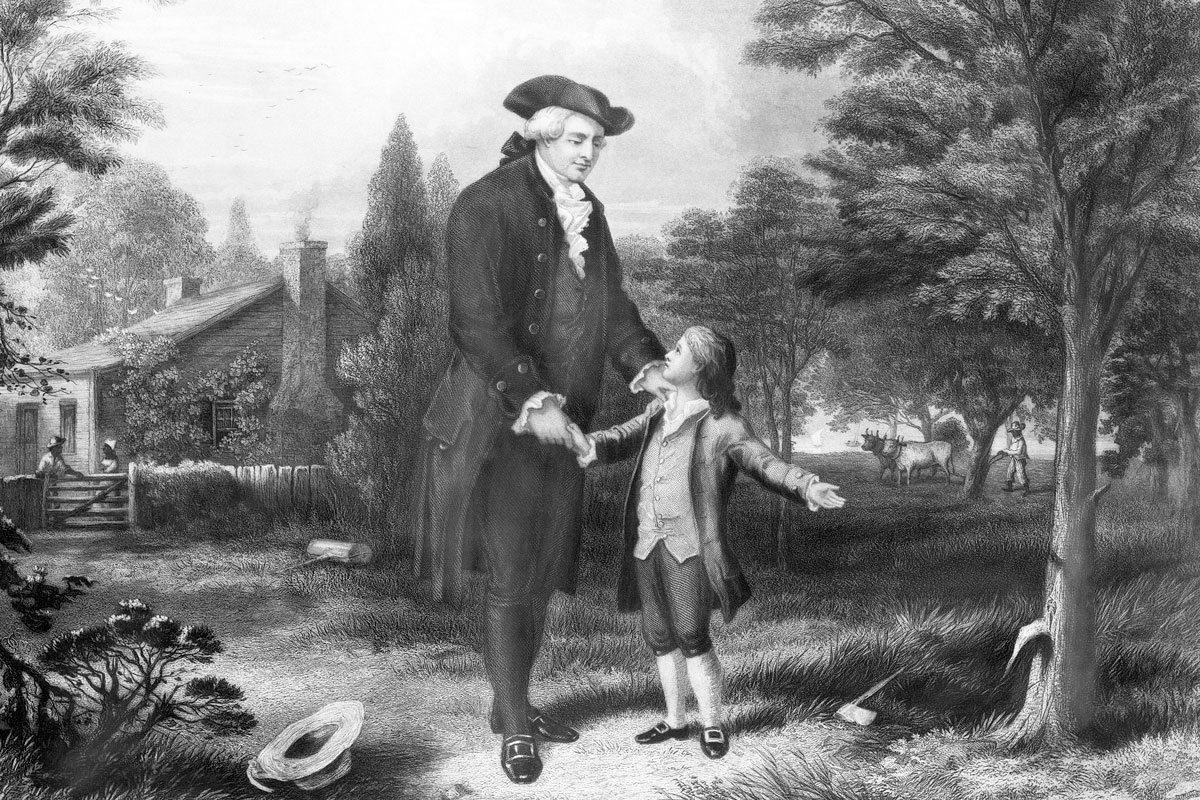
Apart from his mythical wooden teeth, George Washington is well known for cutting down his father’s prized cherry tree when he was a child. “I cannot tell a lie … I did cut it with my hatchet,” young George is said to have confessed, demonstrating his innate honesty. The story has been told to generations of American schoolchildren as an example of integrity and truthfulness — but it never happened.
The tale was completely invented by Mason Locke Weems, one of Washington’s first biographers, and published in The Life of Washington in 1800, shortly after the president’s death. Weems was just as interested in creating an inspiring moral fable as he was in documenting historical fact. Ironically, his cherry tree story, invented to celebrate Washington’s honesty, became one of presidential history’s most enduring lies.
Myth: William Henry Harrison Died From Pneumonia After His Long Inaugural Speech
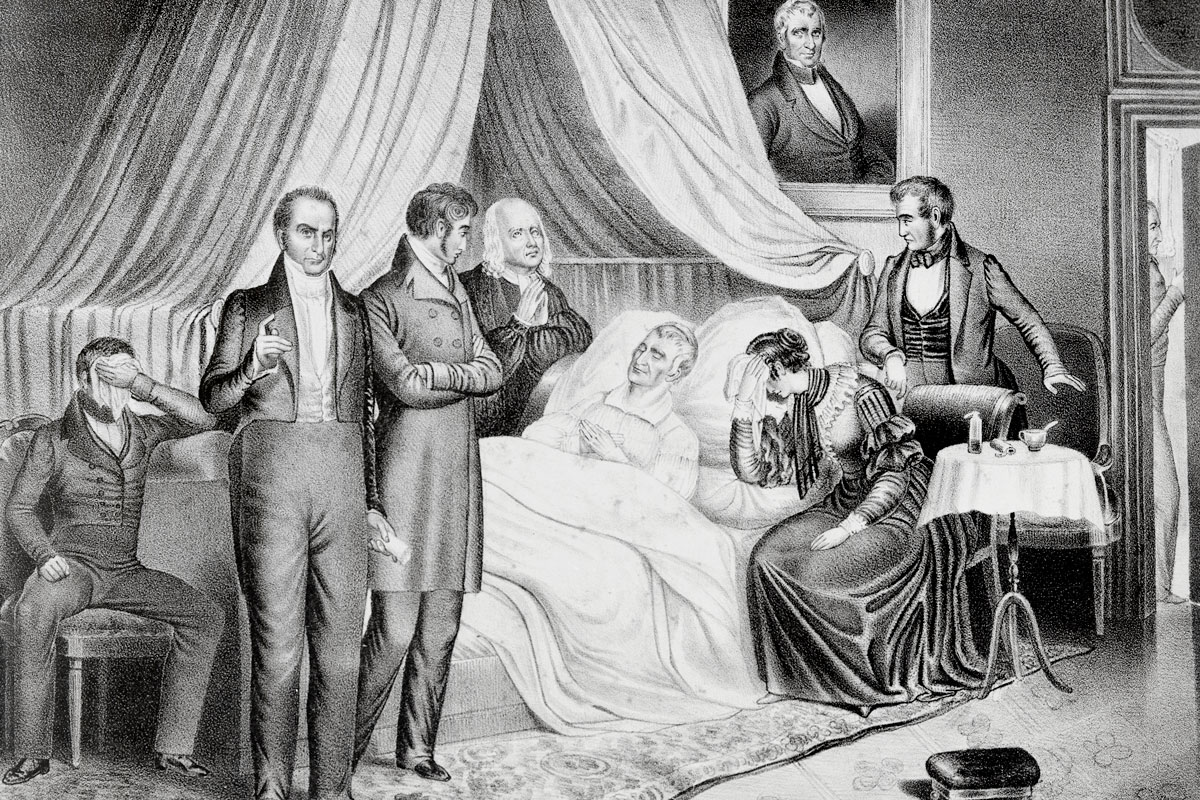
On March 4, 1841, William Henry Harrison gave the longest inaugural address in history — an 8,460-word speech that took nearly two hours to deliver. Unfortunately for Harrison, he had to deliver the epic address in cold, wet weather without a coat, and he died of pneumonia exactly one month later. That, at least, is the story we’re often told regarding the fate of America’s ninth president. The only problem? The speech is almost certainly not what killed him.
Modern medical historians who have examined the evidence believe Harrison likely died from enteric fever, not from pneumonia as a result of cold conditions at his inauguration. The true culprit was probably Washington, D.C.’s inadequate sewer system at the time, and the White House’s close proximity to a marsh full of human waste — a breeding ground for disease.
Myth: John F. Kennedy Accidentally Called Himself a Jelly Doughnut
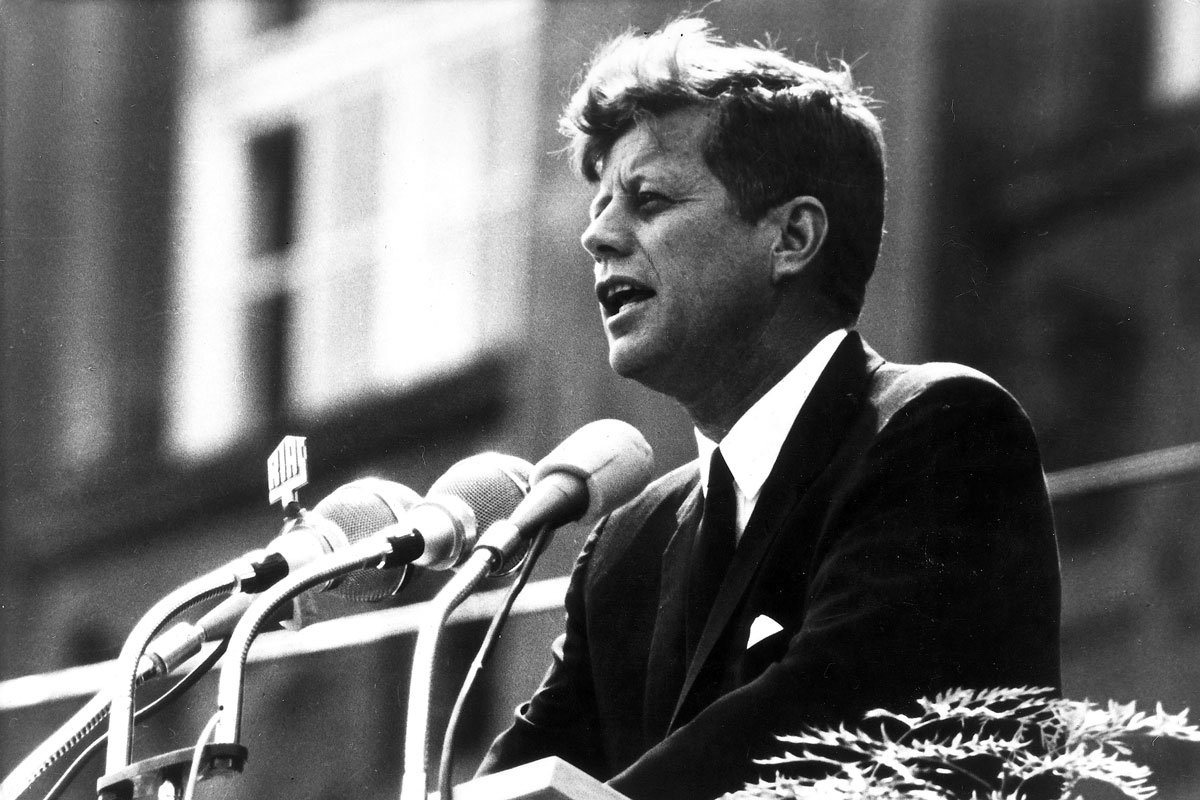
American presidents say a lot of weird stuff, but it’s not every day that they solemnly declare, in front of thousands of Germans and an eagerly watching world, “I am a jelly-filled doughnut.” It’s a common myth, however, that John F. Kennedy did exactly that. In his famous 1963 speech in Berlin, JFK declared “Ich bin ein Berliner” (German for “I am a Berliner”) in solidarity with West Berlin.
But here’s where things get weird. Rumors later began to circulate in the U.S. that Kennedy had made a grammatical error resulting in him referring to himself not as a citizen of Berlin but rather as a German confection similar to a jelly doughnut, known in certain parts of the country as a Berliner. Delightful as that gaffe may be, the truth is that every German watching Kennedy’s address would have understood perfectly well what the president was referring to. The crowd knew Kennedy was expressing solidarity, not declaring himself a pastry. Of course, the myth stuck anyway — proving just how stubborn these tales can be.


