

World War I lasted four long years, and the unprecedented scale of the conflict demanded rapid innovation and resourcefulness. The brutal war of attrition, characterized by trench warfare, created many problems to be solved, from the desperate need to treat wounded soldiers to the challenge of feeding armies and maintaining communications across vast distances.
The pressures of wartime necessity sparked a wave of creativity that led to the development of numerous technologies and products — some of which went on to become staples in our everyday lives. Here are seven products that came out of World War I that we largely take for granted today.
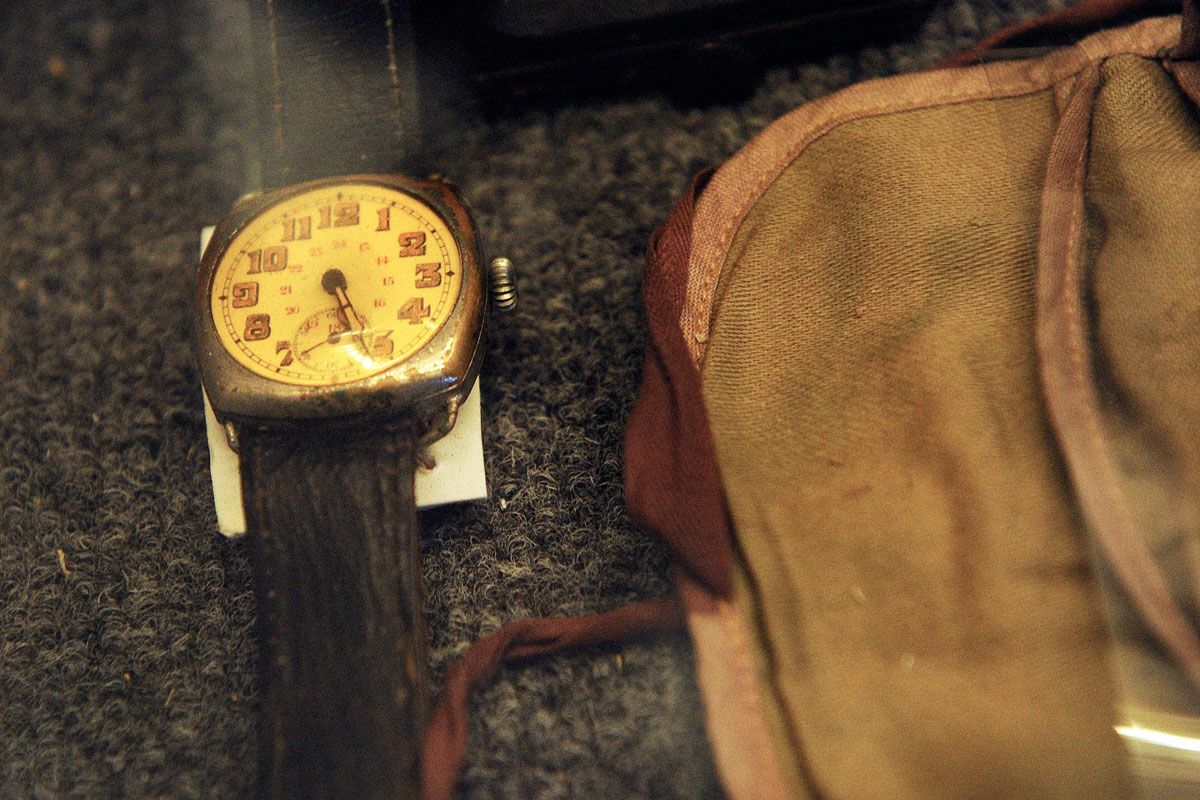
Before the First World War, wristwatches were worn almost exclusively by women as fashion accessories. Most men used pocket watches, which had been around since 1700, but these were impractical for trench warfare. During World War I, wristwatches grew in popularity, initially among the officer classes. New watch designs emerged that were larger, stronger, and often featured luminous dials for ease of reading in low-light conditions — vital for coordinating attacks and artillery barrages.
Rank-and-file soldiers from Britain saw their officers wearing wristwatches, and soon started buying their own. By the time the United States entered the war a year before it ended, troops were being issued wristwatches as part of their gear. These new accessories not only were practical, but also became a symbol of courage and bravery, helping establish wristwatches as a mainstream product after the war.
Credit: I C Rapoport/ Archive Photos via Getty Images
Pilates
After the outbreak of World War I, Joseph Hubertus Pilates, a German physical trainer and inventor, was interned as an enemy alien on the Isle of Man. During his three-plus years at the internment camp, Pilates developed a regimen of muscle strengthening through slow and precise stretching and physical movements, using minimal equipment.
To allow those who were confined to their beds to exercise, Pilates used springs and straps from the beds as resistance training, greatly aiding their rehabilitation. He later opened a fitness studio in New York City in 1925, offering the exercise system he developed during the war to the general public. He went on to patent 26 exercise apparatuses, and his eponymous Pilates regime gained worldwide popularity.
Today, trench coats are associated with an array of colorful fictional characters such as Dick Tracy, Columbo, Silent Bob, and Hellboy. But these waterproof, heavy-duty, and typically double-breasted coats were initially developed for British army officers.
Similar coats existed before World War I, but manufacturers — most notably Burberry and Aquascutum (both of which claim to have invented the trench coat) — modernized and modified the design to keep officers warm and dry in the trenches (hence the name). Shoulder straps were included for the attachment of epaulettes or other rank insignia; D-rings were added for attaching map cases, swords, or other equipment to the belt; and the addition of a gun flap buttoned at the chest offered extra protection in combat. And so the modern trench coat was born — a practical piece of attire that remains in fashion today.
Modern plastic surgery originated in Britain, a nation that saw some 735,487 troops discharged following major injuries in World War I. Many of these were facial injuries, which were initially covered using masks and patches. Then came Harold Gillies, a young ENT surgeon from New Zealand, who developed techniques to rebuild faces using plastic surgery. In 1916, he was tasked with setting up Britain’s first plastic surgery unit, where he began treating disfigurements using tissue from elsewhere on the patient’s body.
The pioneering work of Gillies and his team laid the foundations of modern plastic surgery, which today continues as a life-altering medical treatment and a sought-after cosmetic product.
Ever since the mid-19th century, various inventors had been working on combinations of hooks, clasps, and eyes to find a smooth, convenient fastening device. None of their attempts quite worked, due to design flaws and other issues, until Swedish American engineer Gideon Sundback invented the “hookless fastener” during World War I.
Improving upon previous designs, the inventor came up with a product very similar to the modern zipper. His hookless fasteners were soon put on money belts, which became an instant success among U.S. sailors, whose uniforms didn’t have pockets. Then, in 1918, the U.S. Navy ordered fasteners for 10,000 flying suits. The zippers caught on, quickly becoming a standard part of all kinds of bags and apparel.
In 1914, researchers at the consumer goods company Kimberly-Clark were touring pulp and paper plants in Europe when they came across a material that was five times more absorbent than cotton and cost half as much to produce. The company took the material back to the U.S. and trademarked it as cellucotton.
When America entered World War I in 1917, Kimberly-Clark used the material to produce wadding for surgical dressing. Red Cross nurses soon discovered that the new material made an excellent sanitary pad — superior to the flannels and other products they were previously using. When the war ended and demand for surgical dressing dried up, Kimberly-Clark heard about the Red Cross nurses and repurposed its product for commercial use. In 1920, Kotex hit shelves, forever changing the market.
Surgical dressing wasn’t the only use of cellucotton during World War I. By flattening out the material, Kimberly-Clark developed a thin, highly absorbent crepe paper used as a filter in gas masks — a vital piece of equipment in trench warfare. When the war ended, the company once again found itself looking to repurpose a product. It cleverly remarketed its cellucotton sheets as makeup and cold cream removers, and launched the sheets in 1924 with the name Kleenex.
It wasn’t long before people began recommending the product as an ideal tissue for blowing noses during colds. So, in another astute marketing move, Kimberly-Clark started promoting Kleenex as “the handkerchiefs you can throw away” — creating the brand that’s now synonymous with disposable tissues.
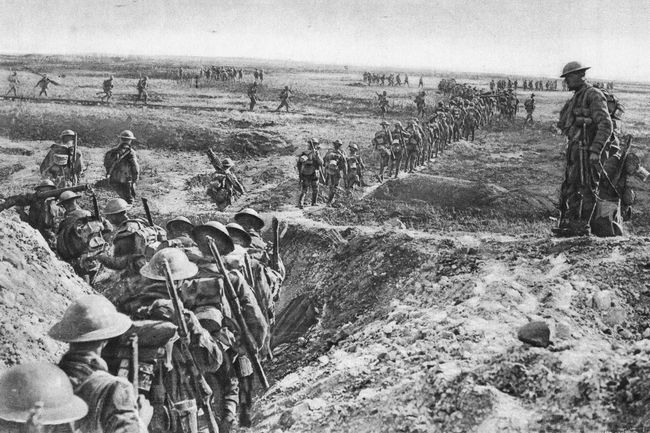
For many people, the enduring image of World War I is that of infantry troops bunkered down in a trench somewhere along the hazy battlefield of the war’s Western Front. Indeed, while stagnant trench warfare was the norm for a large chunk of the conflict in Europe, it was the transition to a mobile phase of the war in 1918 that brought about its fairly sudden conclusion, with the success of a rapidly moving offensive across late summer and early autumn that year. Here’s a look at how the Hundred Days Offensive ensured victory for the Allied forces.
Credit: ullstein bild Dtl./ ullstein bild via Getty Images
The German Spring Offensive Failed To End the War
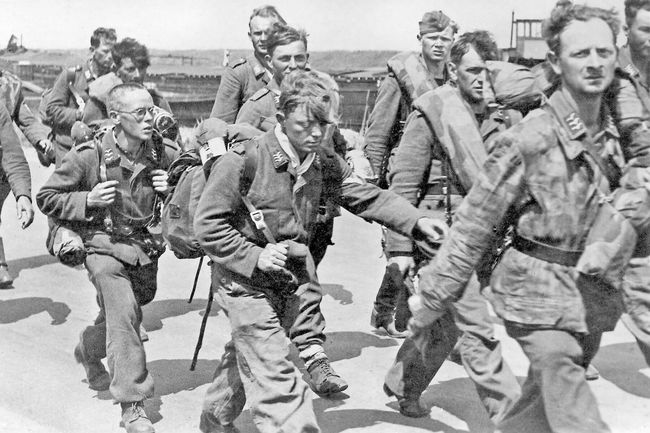
Following Russia’s exit from the war in late 1917, German General Erich Ludendorff funneled troops to the Western Front for what became known as the Spring Offensives. Beginning with Operation Michael on March 21, 1918, the German army launched four major attacks by mid-June that brought it within 55 miles of Paris but failed to deliver a knockout blow.
The Germans struck again near the French city of Reims on July 15, commencing the Second Battle of the Marne. However, they were unable to split the French army as intended, and instead were driven back when the Allies launched a counterattack three days later.
At a conference of Allied leaders on July 24, Supreme Allied Commander Ferdinand Foch outlined plans for a rapid-fire series of strikes against the exhausted and stretched-out German army. These attacks formed what later became known as the Hundred Days Offensive.
The Allied surge began with a surprise attack at Amiens on the morning of August 8, 1918. Following a barrage of gunfire at 4:20 a.m., the combined French, British, Canadian, and Australian forces overwhelmed the outnumbered German defenses along the river Somme. Upon losing some 26,000 of his troops on that day alone, Ludendorff referred to the disaster as "the black day of the German army."
When their advance slowed by the third day of fighting, the Allies continued hitting the Germans along various points of the front. As part of what is sometimes called the Second Battle of the Somme, the combined British and Australian forces drove the Germans out of Albert, France, on August 22, and a New Zealand corps helped wrest control of the town of Bapaume a week later.
Having only recently entered the war, the U.S. First Army was given the task of eliminating the St. Mihiel salient (a protuberance of German territory along the line) in mid-September. It was an easy victory for the newcomers, as by that point the Germans had largely retreated to the Hindenburg Line, a nearly 100-mile-long series of heavily defended trenches, tunnels, and fortifications across northeastern France.
In late September 1918, the Allies pressed their advantage with the launch of a four-pronged attack. On September 26, a combined American and French force invaded the Meuse Valley to commence the Battles of the Meuse-Argonne, also known as the Meuse-Argonne Offensive. On September 27, the Canadian Corps led the charge across the Canal du Nord in the Battle of Cambrai. The following day, a Belgian force joined the British in an attack on the battle-scarred terrain outside Ypres in Flanders.
The main target of this offensive was the St. Quentin Canal, which formed part of the Hindenburg Line. Following a massive fusillade of shells from more than 1,600 guns, the Allies launched their ground assault on the morning of September 29.
On one end, the American and Australian corps struggled to pass the German defenses at Bellicourt Tunnel. However, the British were well prepared to cross the canal to the south with their rafts and life preservers. Aided by the dense fog, they overtook enemy positions on the steep eastern bank and thwarted the detonation of the Riqueval Bridge. By the start of October, the St. Quentin Canal was effectively in Allied hands.
Even with the once-impenetrable Hindenburg Line breached, the Germans largely held their ground in the fighting that continued across the Western Front. Nevertheless, the string of Allied victories, combined with deteriorating conditions at home, prompted the German high command to reach out to U.S. President Woodrow Wilson for a peaceful resolution in early October. The following month, Germany agreed to the strict terms that enabled the armistice to take hold at 11 a.m. on November 11, 1918.
All told, the celebrated Hundred Days Offensive lasted about 95 days. Yet it’s no exaggeration to say that its successful strategy and execution were crucial in bringing the First World War to a long-awaited end.
Credit: Hulton Archive/ Archive Photos via Getty Images
Author Tony Dunnell
January 24, 2025
Love it?72
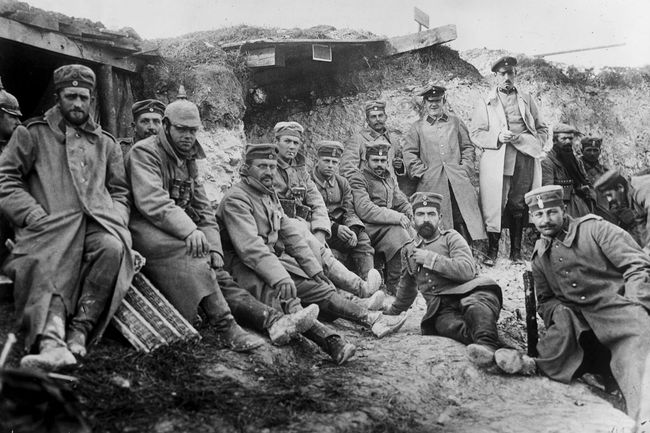
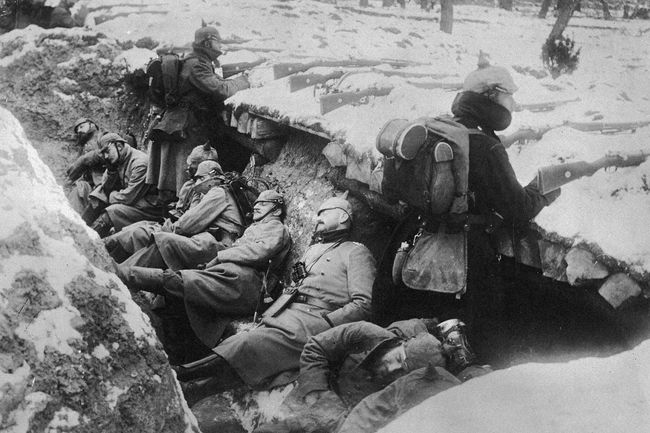
The First World War transformed modern battle through the emergence of trench warfare, a defining characteristic that shaped the conflict from its start in 1914 to its end in 1918. This entrenchment was not a planned strategy, but rather a necessary adaptation to the brutal realities of modern warfare and the devastating effectiveness of modern weapons.
By the early 20th century, advances in weaponry meant that previous battlefield tactics had to be scrapped. Infantry could no longer march toward the enemy in formation, cavalry charges were impossible, making the grand maneuvers of past battles obsolete. The war soon became an effective stalemate at the front lines, most famously along the Western Front, with opposing armies digging into increasingly elaborate trench systems. Here’s a closer look at how trench warfare came to define World War I.
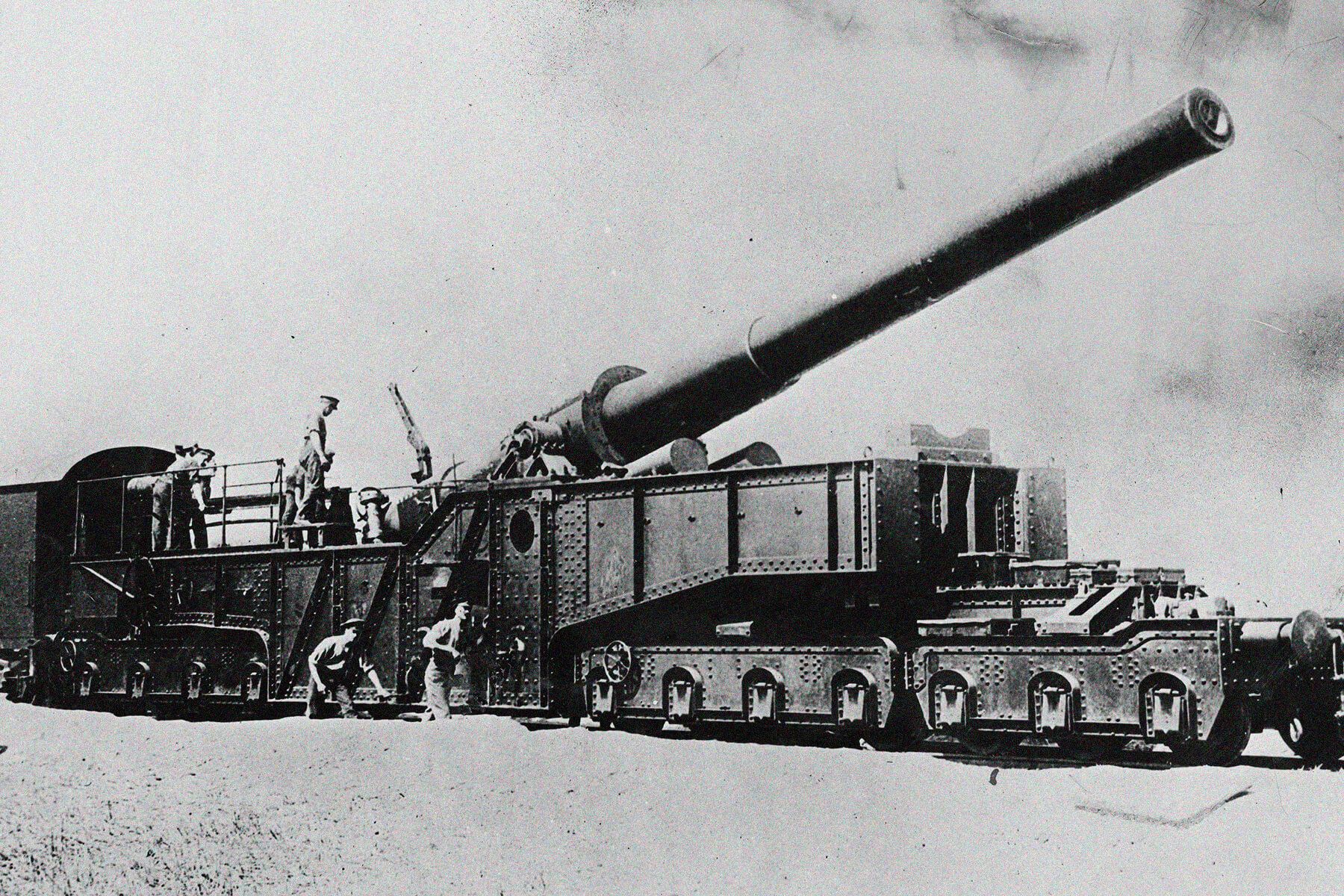
Artillery was the most destructive weapon on the Western Front. Modern artillery shells could devastate troops in open terrain, raining down high-explosive shells, shrapnel, and poison gas. Artillery created zones in which almost nothing could survive in the open, putting an emphasis on defense and the advantage with the defender, as attacking became too risky.
Because of the catastrophic effects of artillery, generals were forced to dig in at the start of the war. Trenches were initially seen as a temporary measure, but they soon became an absolute necessity, providing crucial protection against shell fragments and shock waves from explosions. As artillery quickly became the war’s deadliest weapon — around 60% of battlefield casualties were caused by exploding artillery shells — the depth and complexity of trench systems grew to match this horrific aerial threat.
Rifles were by far the most commonly used weapon of World War I. These were sophisticated weapons, with a firing rate much greater than that of their 19th-century predecessors. The standard British rifle, the Short Magazine Lee Enfield (SMLE) Rifle Mk III, had a maximum range of 2,493 yards (with an effective killing range of 600 yards), and a well-trained infantryman could fire 15 aimed rounds a minute. This alone made advancing across No Man's Land — the area between the two opposing front lines of trenches — incredibly perilous, and anyone sticking their head above a trench was an instant target.
Then there were machine guns, which made traditional infantry attacks a near-impossible undertaking. The modern machine gun, invented in 1884 by Hiram Maxim, was used in battle in the late 19th century, in conflicts such as the Boer War and the Spanish American War. The weapon revolutionized battlefield dynamics, as a single machine gun could fire hundreds of rounds per minute, effectively defending against hundreds of attacking troops. Trenches provided essential cover from both rifle fire and the sustained attacks of machine guns, allowing soldiers to move and fight while staying below the enemy’s line of sight.
As World War I progressed, trenches became far more than just ditches for duck-and-cover protection. They quickly formed part of a sophisticated defensive strategy (much like the layered battlements of a large medieval castle). On the Western Front, the line of trenches stretched from the North Sea all the way down to Switzerland — a distance of about 475 miles.
The classic British trench was about 6 feet deep and 3.5 feet wide, although deeper and more elaborate trenches were built. They were typically constructed in a zigzagging pattern, so that any enemies who managed to infiltrate the trench could not fire along its entire length, and blasts from exploding grenades and artillery shells couldn’t travel far along a single trench.
Behind the front line there could be three or four more lines of trenches, all connected by a system of communications trenches. If attackers captured the front line, they were then faced with additional entrenched positions that could be quickly reinforced. Support trenches housed reserves, supplies, and command posts, creating a defensive depth that meant any major enemy offensive required massive resources, and usually resulted in heavy casualties for minimal gains. These support trenches also allowed soldiers to be rotated in and out of the front line. A soldier might spend four to six days in the frontline trench before being sent to the support or reserve trenches further back for some much-needed rest and recuperation.
The trench systems of World War I represented both the pinnacle and the end of static defensive warfare. While trenches were used in later conflicts, they never again dominated warfare as they did from 1914 to 1918.
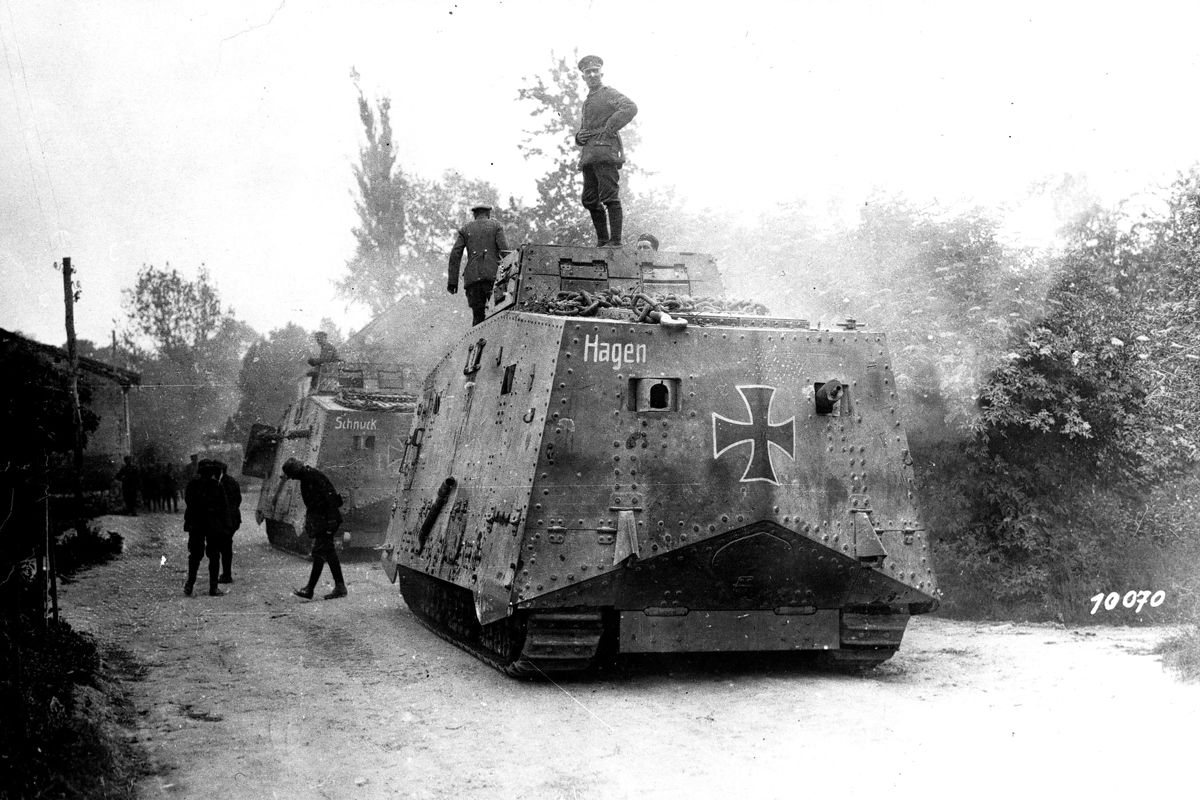
The stalemate of trench warfare came to an end with the Battle of Amiens and the beginning of what came to be known as the Hundred Days Offensive, a string of Allied offensive successes on the Western Front that led to the collapse of the German army and the end of the war. At Amiens, the Allied forces launched the largest combined arms offensive of the entire war, with thousands of heavy and super-heavy field guns, more than 600 tanks, and 2,000 aircraft. They advanced some 8 miles in three days, along a 15-mile-wide front, a massive achievement in a war characterized by minute gains. The deadlock was broken, and the German trenches were ultimately overrun. In time the trenches dug during the war were reclaimed by nature, or filled in and returned to agricultural land, though unexploded ordnance remained a problem for many years. Others were preserved or turned into monuments, such as the trenches at Vimy near the Vimy Ridge Memorial in France, and Sanctuary Wood in Ypres, Belgium.
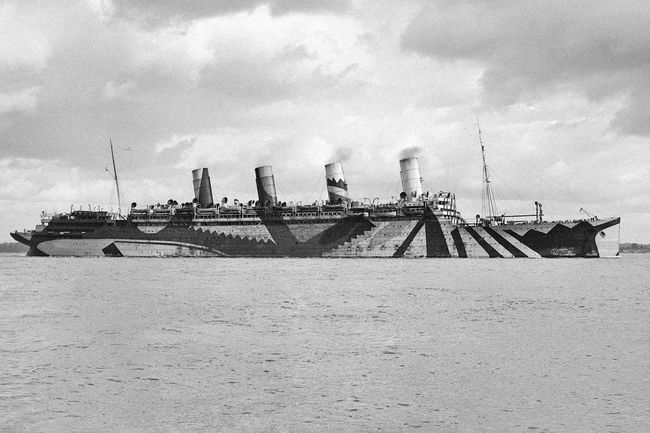
In 1917, at the height of World War I, England was in deep trouble. Germany had established an advantage in the waters surrounding the British Isles, and its policy of unrestricted warfare meant that even merchant ships were targets. Vessels were being sunk at a rate that threatened to completely incapacitate shipping to England, cutting off all manner of supplies. For the British to avoid certain defeat, they would need to find a way to protect the outgunned and outmaneuvered cargo ships. In response, the Royal Navy developed a novel paint scheme for British vessels that practically reinvented the concept of camouflage. These “dazzle ships,” as they were called, were a unique defense tactic that gave new meaning to the phrase “the art of war.”
The German navy had one of the most fearsome attack vessels of World War I: the Unterseeboot,often referred to by the abbreviation “U-boat.” Unterseeboot translates to “under the sea boat,” and these vessels were some of the first submarines used in wide-scale military operations. During the First World War, U-boats were deployed in retaliation for England’s blockade of the North Sea and English Channel; Germany’s strategy was to attack all shipping to England, and in effect create its own blockade. Germany issued a tacit threat that “a U-boat cannot spare the crews of merchant ships, but must send them and their ships to the bottom of the sea. All shipping should be warned and all merchant shipping to England should be brought to a halt in a short period of time.”
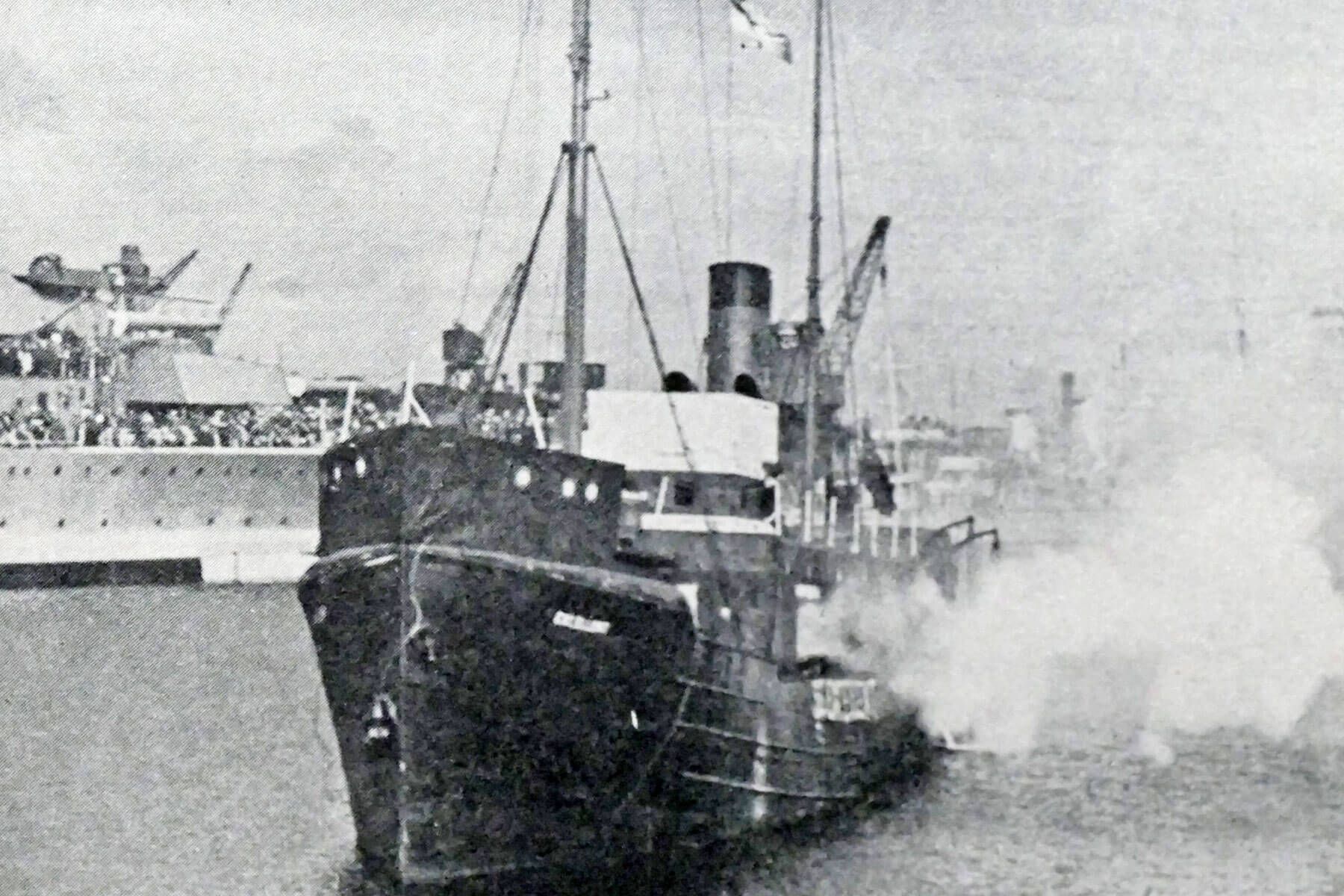
Of course, halting all shipping trade was not a feasible action for England. The Royal Navy countered with Q-ships, which were war vessels disguised as merchant ships to bait U-boats into surfacing for an attack, at which point the Q-ship would reveal its hidden weapons and fire on the outgunned U-boat. The tactic depended upon surprise, so its success was temporary: The Germans adjusted by switching from attacking with surface guns to attacking with torpedoes while still submerged. Torpedoes were a more costly weapon, but Germany was investing heavily in U-boats, increasing its fleet sevenfold between 1914 and 1917 in an effort to swiftly defeat England.
Credit: Historical/ Corbis Historical via Getty Images
The expanded, torpedo-equipped U-boat fleet wreaked havoc. Between March and December 1917, 925 British ships were sunk by U-boats — a rate of approximately 23 per week. England needed countermeasures, but anti-submarine weapons were limited at the time. Depth charges (underwater bombs) were in use by 1916, but they were primitive; their effectiveness was also limited by the inability to accurately locate a submerged U-boat. The hydrophone could detect the presence of a submarine in the water, but it couldn’t indicate distance — sonar was still years away. England needed a way to protect its ships.
The U-boats’ targeting strategy was to locate ships by the smoke emitted from their smokestacks against the horizon. The submarine would then close in to a distance of approximately 1,000 to 2,000 feet from the target, in order to be in torpedo range. Achieving a hit with the torpedo depended on accurately determining the speed and heading of the target; at the distance the submarines kept, even a slight miscalculation would result in a miss. It was Royal Navy lieutenant and painter-designer Norman Wilkinson who realized that the narrow margin between torpedo success and failure provided a defense opportunity.
U-boats viewed their targets through a periscope for only a very short time, so as to avoid the periscope being spotted and giving away the location of the submarine. “I suddenly got the idea,” Wilkinson later recalled, “that since it was impossible to paint a ship so that she could not be seen by a submarine, the extreme opposite was the answer — in other words, to paint her, not for low visibility, but in such a way as to break up her form and thus confuse a submarine officer as to the course on which she was heading.” The idea was to disorient and dazzle during the short amount of time a U-boat commander had to view the ship.
After the strategy was successfully pitched to the British Admiralty, 50 ships were ordered to be dazzle painted, and Wilkinson was tapped to lead a Dazzle Section to prepare the paint schemes, which Wilkinson described as being designed for “maximum distortion” — in other words, to create a distorted view of the ship when viewed through a submarine periscope.
No two ships had the same design, and each ship was painted differently on its port and starboard sides. When the Royal Navy asked observers for their impressions on whether or not the dazzle camouflage was effective, they made comments such as, “[It was] almost impossible to say how she was steering,” and “[It] sometimes appears to be going in the opposite direction.” Satisfied by that result, the Admiralty ordered all merchant ships to be painted in dazzle camouflage in October 1917. By June 1918, more than 2,300 ships were dazzle painted.
The concept made its way to the United States as well. When U.S. Navy Admiral William S. Sims visited England, he was so impressed with dazzle painting that he convinced the U.S. government to request that Wilkinson be brought to the United States in order to help establish a dazzle painting operation stateside. Wilkinson traveled to Washington, D.C., in March 1918 and met with Franklin D. Roosevelt (who was then the assistant secretary of the Navy). FDR expressed his enthusiasm for dazzle painting, while also noting, “We have no department of camouflage here.”
Wilkinson spent the next month establishing the American Camouflage Section, which consisted of two subdivisions: a research division at Eastman Kodak, composed of scientists, and a design division in Washington, D.C., composed of artists.
In both the U.K. and U.S., the dazzle designs were strikingly angular and futuristic. A 1918 issue of Popular Science suggested that the “crazy splashes of paint and freakish stripes” might be seen as “the whimsical color schemes of half-demented cubists and futurists.” Other critics called the camouflaged ships “a futurist’s bad dream,” a “flock of sea-going Easter Eggs,” and “a cross between a boiler explosion and a railroad accident.”
But was the dazzle painting effective? A definitive answer is elusive — additional defensive measures such as convoy escorts were put into practice around the same time, making it impossible to isolate the impact of dazzle painting. But the reduction in ships sunk by U-boats by the summer of 1918 does correlate with the widespread introduction of dazzle camouflage. And Wilkinson pointed out in a March 1920 issue of Journal of the Royal Society of Arts that the German navy also adopted dazzle camouflage, suggesting the enemy found value in the tactic. What’s more, according to a 1918 issue of Popular Science,the United States War Risk Insurance Board ordered that any ship that was not dazzle painted would be subject to higher premiums for maritime insurance — in a world where money talks, that may be the most telling of all.
Advertisement
Advertisement
A Fascinating Look at World War-Era Military Uniforms
Vehicles and weaponry attract much wartime attention, but failing to give proper consideration to uniform design can spell disaster. Take, for instance, World War I, when the French army ignored war minister Adolphe Messimy’s warning about the country’s insistence on retaining the conspicuous red coloring of its historic pantalon rouge uniforms, despite his pointed admonishment: “This stupid blind attachment to the most visible of colors will have cruel consequences.” The French went on to suffer heavy casualties at the outset of the war, and switched to issuing horizon blue uniforms in 1915. The importance of uniforms became apparent to the Soviet Union as well, when soldiers suffered frostbite and other cold injuries during the Winter War against Finland at the start of World War II.
Both world wars created shifts in uniform design that were sometimes innovative, sometimes bizarre, and in some cases, enduringly impactful to civilian fashion. These are some of the more notable facts about military uniforms from the two world wars.
WWI Marked the U.S. Army’s First Monochromatic Uniform
The uniform worn by the United States Army in the First World War was called the M1910 uniform. In addition to being the Army’s first single-color uniform — allowing for better camouflage and easier manufacturing — it was also the first time the standard olive drab uniform was worn during a war (though the Army switched to khaki-colored cotton uniforms during the summer). The M1910 was also notable for not including any blue outerwear or pants, which had been a part of every United States (or Continental) Army uniform since the Revolutionary War.
Photo credit: Archive Photos/ Hulton Archive via Getty Images
The French Army Reintroduced the Metal Helmet During WWI
Metal helmets had been in use throughout antiquity, but they fell out of favor in the 18th and 19th centuries with the decline of sword-and-spear close combat and the rise of firearms. In 1915, the French army outfitted its soldiers with steel helmets in order to protect them from falling shrapnel, which was an increasing problem in trench warfare. The helmets were designed by Intendant-General Louis Auguste Adrian, and were known as M15 Adrian helmets. The Adrian helmets proved effective enough that other Western armies began adopting them. Eventually, most countries began manufacturing some sort of metal helmet design.
The WWI-Era German Helmet Spikes Originally Had a Function
The famous spike-adorned German helmet from World War I is called a pickelhaube, and it was designed in 1842 by King Friedrich Wilhelm IV of Prussia. (Similar spiked helmets were already in use in other countries, such as Russia.) So what was the spike for? Its original purpose was as a point to attach the decorative strands of a cavalry helmet plume. Later, the spike itself (without the attached plume) gained aesthetic value for its aggressive appearance and was favored by the German infantry. The pickelhaube didn’t last for the entirety of the war, though, as it was discontinued in 1916 due to its ill-suitedness for trench warfare and a shortage of materials necessary to manufacture them. That didn’t stop it from being an enduring symbol of the German army, though, as its sinister appearance was ideal for war propaganda depicting the Germans as vicious aggressors. To celebrate the end of the war, New York City built a pyramid out of around 85,000 pickelhaubes.
Soviet Soldiers Wore Fur Coats and Felt and Wool Boots
The frigid climate of the Soviet Union posed a harrowing challenge to soldiers, especially during winter months. To combat the cold, the Soviet Union outfitted the Red Army with thick fur coats and traditional boots made of felt and wool, known as valenki. Valenki weren’t exclusively military-issued boots, though; in fact, they were a traditional form of Russian footwear worn for hundreds of years. Though the fur coats and valenki were age-old items, they were only added to the army’s provisions in August of 1941 after poor cold-weather preparedness in the Soviet Union’s 1939 invasion of Finland caused higher-than-expected casualties.
During the world wars, and at least as far back as the Napoleonic Wars, the Russian army used a predecessor to socks: the foot wrap. The clothing, known in Russian as a portyanki, is a simple rectangular piece of cloth wrapped around the foot that provides the same function a sock would. The advantage is that the foot wrap is cheap and easy to manufacture en masse, though the drawback is that it requires considerably more technique to put on correctly. Incorrectly wrapping the cloth could result in creases or folds that would cause blistering or other discomfort. Nonetheless, the portyanki remained in use by the Russian army as late as 2013.
WWII Flight Jackets Became an Enduring Fashion in the U.S.
World War II aerial warfare created a unique problem for military uniform designers to solve. Temperatures at the altitudes pilots flew at could reach as low as -30 degrees Fahrenheit, but the tight quarters of an aircraft’s cockpit meant that any outerwear that was too bulky would impede movement. In response to this challenge, the U.S. Army Aviation Clothing Board developed two leather flight jackets that were used in World War II: the A-2 and the G-1. The A-2 was issued for the Air Force, had a medium snap collar and an enclosed snap-secured pocket on each side, and zipped closed. The G-1 was issued for the Navy, and had a similar pocket and zipper design, but added some flashiness in the form of a larger fur-lined collar, and ornamental patches on the front, arms, and back.
The military ceased production of the A-2 in 1943, but the design was popularized in the 1963 Steve McQueen film The Great Escape, and retailers manufacture replicas to this day. As for the G-1, it’s still issued to enlisted members of the Navy, and had its own film role as the jacket Tom Cruise wore in 1986’s Top Gun.
Humans and animals have fought side by side since prehistoric times. Dogs have long been our faithful companions in times of peace and conflict, while horses, camels, elephants, and other mounts helped win many of the most important battles in history.
In modern times, particularly during World War I and World War II, animals played a vital role in active combat, transportation, and communication — not to mention the numerous animal mascots who helped keep morale high in the most testing of times. It’s estimated that in World War I alone, more than 16 million animals served in these various ways. Here are a few such incredible wartime animals, including daring dogs, courageous carrier pigeons, and a mischievous brown bear.
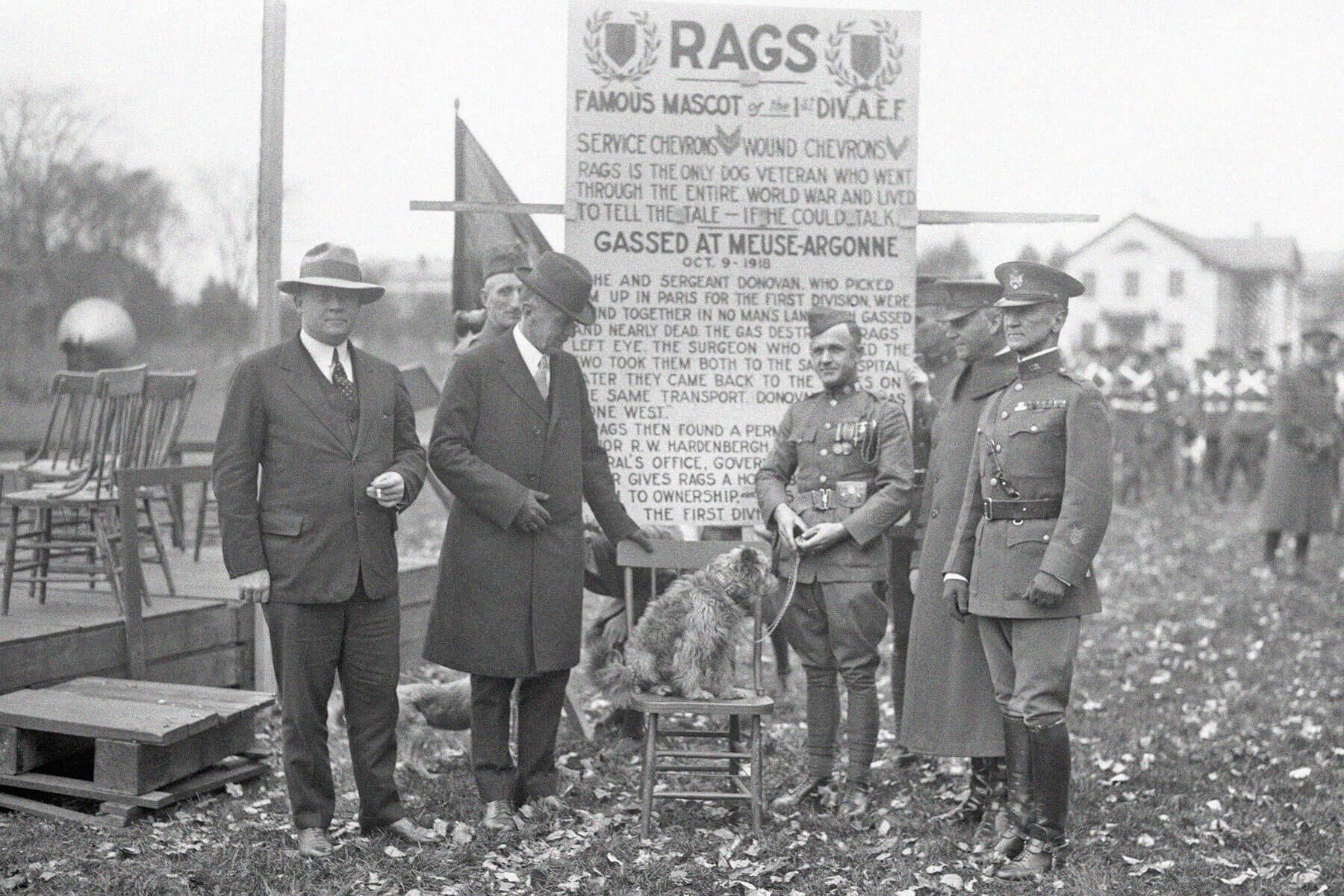
In 1918, while walking through the streets of Paris, Private James Donovan saw what he thought was a pile of rags — but when the rags moved, he realized it was a little Scotch-Irish terrier, abandoned in the gutter. Donovan adopted the dog, which followed him everywhere, and Rags, in turn, became the mascot of the U.S. 1st Infantry Division. But Rags was more than just a mascot. Donovan taught him to run messages that were affixed to his collar across the front lines, dodging shellfire as he went. Rags also led medics to wounded men, and — using his superior canine hearing — was able to alert his unit to incoming shellfire. He was also taught to salute with his right front paw.
On October 9, 1918, Rags and Donovan were hit by German shellfire and gas shells. Rags sustained injuries to his right front paw, right ear, and right eye, and was mildly gassed, while Donovan was more seriously wounded. Both were treated, but only Rags survived. His unit and other soldiers who knew of Rags’ heroics made sure the pup got safely back to U.S. soil, where he lived a celebrated life until his death at age 20.
Photo credit: Heritage Images/ Hulton Archive via Getty Images
Warrior the Stallion
When General Jack Seely left his home in 1914 to take command of the Canadian Cavalry Corps, his beloved thoroughbred stallion, Warrior, went with him to the Western Front. So began one of the most amazing animal stories of World War I. During the next four years, Warrior took part in some of the most ferocious and pivotal battles of the Great War. He saw action at the Battle of the Somme, Ypres, Cambrai, and Passchendaele, and in 1918 he led a cavalry charge against the Germans at Amiens, in a battle that proved crucial in bringing the terrible war to an end. Warrior never gave in, despite being buried in mud and rubble, trapped in burning stables, and charging through intensive barrages of machine-gun fire and mortar shells — it was no wonder he became known as “the horse the Germans couldn’t kill.” Having survived it all, Warrior and Seely returned home to the Isle of Wight, where the famous stallion lived a peaceful life until his death in 1941 at the age of 32.
In 2014, a century after the start of the Great War, Warrior posthumously received the PDSA Dickin Medal (also known as “the animals’ Victoria Cross”), the highest honor an animal can receive in Britain for acts of bravery while serving in a military conflict. Warrior is the only recipient to predate the medal’s institution in 1943, and was chosen to receive the honor on behalf of all the brave animals that served in World War I.
Being a military homing pigeon during World War I was incredibly dangerous. One such bird, Cher Ami, completed 12 successful missions — far more than normal. His final mission, on October 4, 1918, proved to be his most courageous. Cher Ami was stationed with the 77th Division, known as the “Lost Battalion,” in the Argonne Forest. Behind enemy lines and cut off from Allied troops, the 77th found themselves under heavy bombardment. Their only hope for salvation lay in getting a message out using one of the homing pigeons they carried, but every pigeon they released was shot down by enemy fire — except for their last pigeon, Cher Ami.
The pigeon took off and was quickly shot through the breast and leg and fell to the ground — but, despite his injuries, the brave Cher Ami got back up and took to the skies once again, eventually reaching his loft and delivering the message that dangled from his wounded leg. (The brave bird lost the leg, but survived his injuries.) Thanks to Cher Ami, help arrived for the battalion’s 194 men, who made it back safely to American lines. For his heroic service, Cher Ami was awarded the French Croix de Guerre. And General John Pershing, commander of the American Expeditionary Force, paid tribute to Cher Ami, saying, “There isn’t anything the United States can do too much for this bird.”
Photo credit: Fred Morley/ Hulton Archive via Getty Images
Judy the Pointer
Judy, a purebred pointer, began her service as a ship’s mascot on board the gunboat HMS Gnat in 1936. It wasn’t the most auspicious start, as her tendency to fall overboard often forced the ship to stop to retrieve her. But she soon proved useful thanks to her acute hearing, alerting the British sailors to the presence of river pirates and hostile Japanese aircraft. In 1942, she transferred to the HMS Grasshopper. When the gunboat was attacked by Japanese aircraft, the crew became stranded on an island in the South China Sea. The sailors were growing dangerously thirsty when they came across Judy standing next to a big hole she’d dug, full of fresh water.
The crew was then captured — along with Judy — and taken to a prisoner-of-war camp in North Sumatra. Frank Williams, a young British sailor, shared his scant prison rations with Judy, keeping them both alive, while Judy helped out by distracting camp guards who were otherwise intent on beating the helpless captives. Judy survived many more adventures — including gunshot wounds and alligator bites — before the war ended. On her return to Britain, she was awarded the Dickin Medal for her service.
In 1942, Polish soldiers adopted a Syrian bear cub whose mother had likely been killed by hunters. They fed him honey, fruit, and marmalade, and gave him condensed milk from an empty vodka bottle. Soon the cub — whom they named Wojtek — began to grow. It wasn’t long before the 22nd Artillery Supply Company of the 2nd Polish Corps found themselves with an unlikely mascot: a 600-pound brown bear.
Wojtek enjoyed chasing the oranges that the soldiers used for grenade practice, and he learned how to break into the communal shower huts for a refreshing shower — resulting in some unwanted water shortages. Despite being something of a troublemaker, the bear was great for morale, especially during the Battle of Monte Cassino, where Wojtek was seen on the front lines carrying empty ammo crates and used shells. After the war, Wojtek spent his retirement at Edinburgh Zoo, where he received many visitors, including his former comrades from the Polish army.
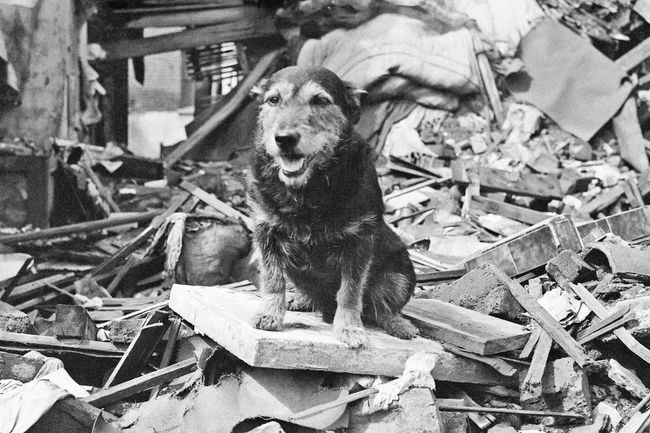
In 1940, an air raid warden called Mr. E. King was searching through the devastation left in the aftermath of a heavy air raid on London. In the rubble, King spotted a crossbreed terrier, shivering, hungry, and alone. He took pity on the pup and fed it some scraps, and the two became inseparable. The dog, whom King called Rip, soon revealed an innate talent for sniffing out survivors trapped in the ruins of bombed buildings. Despite having no formal training, he became an indispensable search and rescue dog for the Air Raid Patrol. Rip and his human colleagues worked tirelessly throughout the London blitz, and it’s estimated that Rip helped save the lives of more than 100 people. In 1945, he was awarded the Dickin Medal, which he wore on his collar for the rest of his life.
Advertisement
Advertisement
Another History Pick for You
Today in History
Get a daily dose of history’s most fascinating headlines — straight from Britannica’s editors.