Did You Know These Fun Facts About the Hollywood Sign?
Among the most memorable U.S. landmarks is the iconic Hollywood sign that sits on the steep hillside of Mount Lee in Los Angeles, part of the Santa Monica Mountains. Over the decades, the sign has become an internationally recognized symbol of the glitz and glamour associated with the movie industry. It is a remnant of the early days of Hollywood’s golden era in the early to mid-20th century, and has been featured in countless films, television shows, and photographs. Visible for miles, the towering letters serve as a place marker for both L.A. and Hollywood, representing the hopes and dreams of all who have ventured there to pursue careers in show business. As the Hollywood sign passes the century mark looking better than ever, here are six fun facts about this beloved landmark.
The Hollywood Sign Started Out as a Real Estate Ad
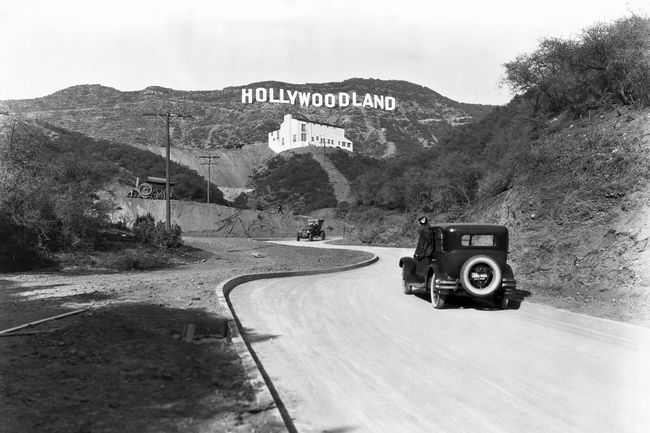
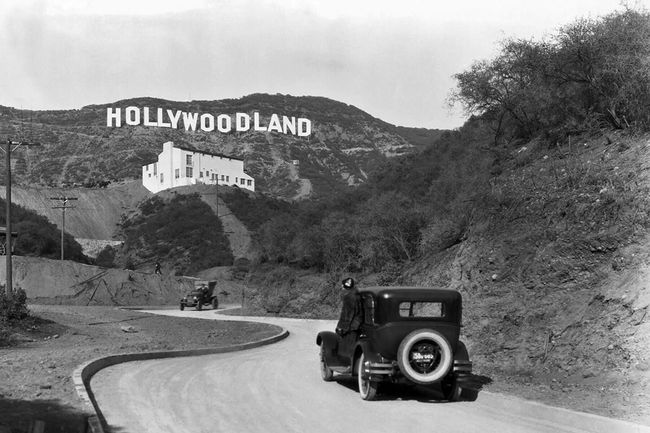
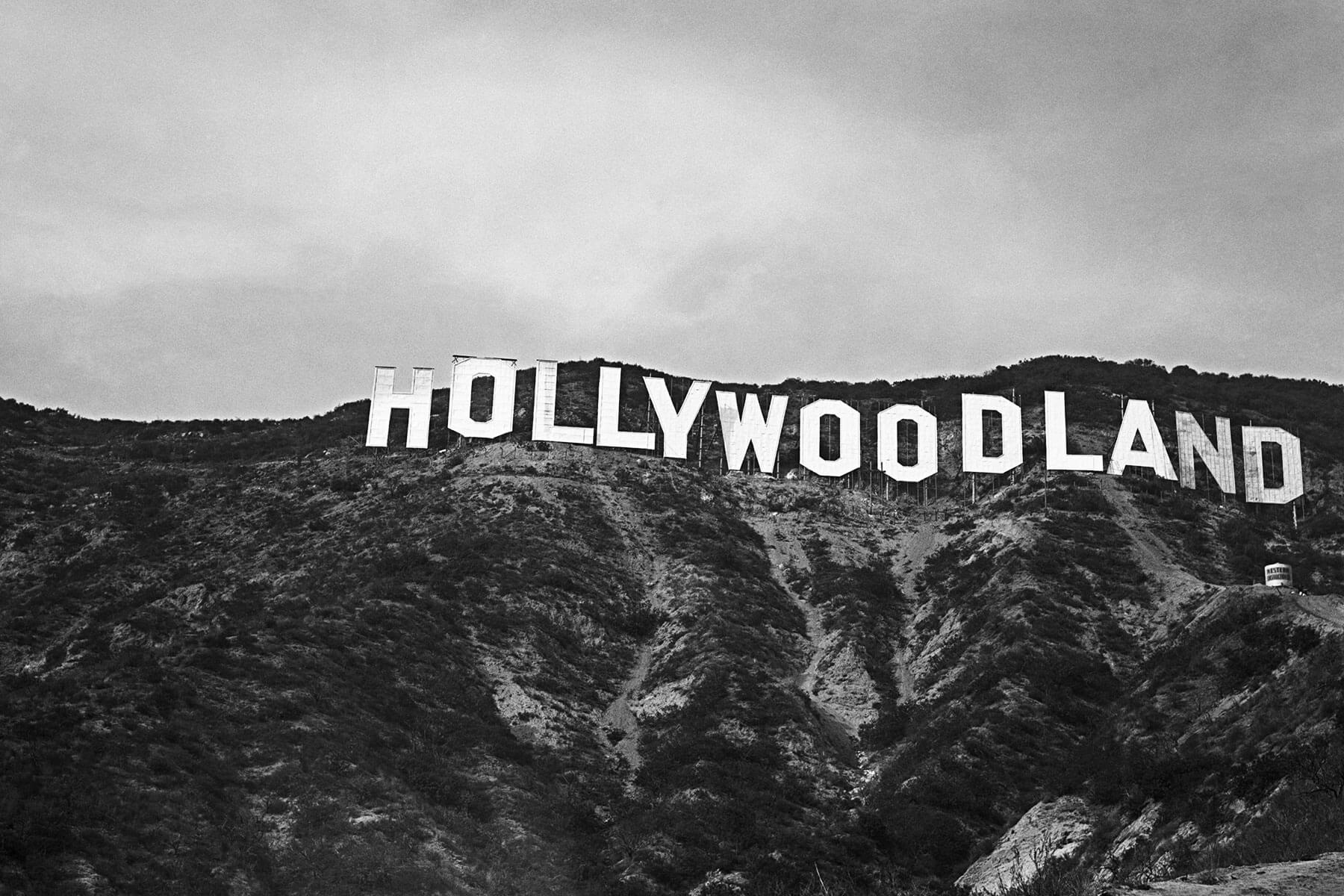
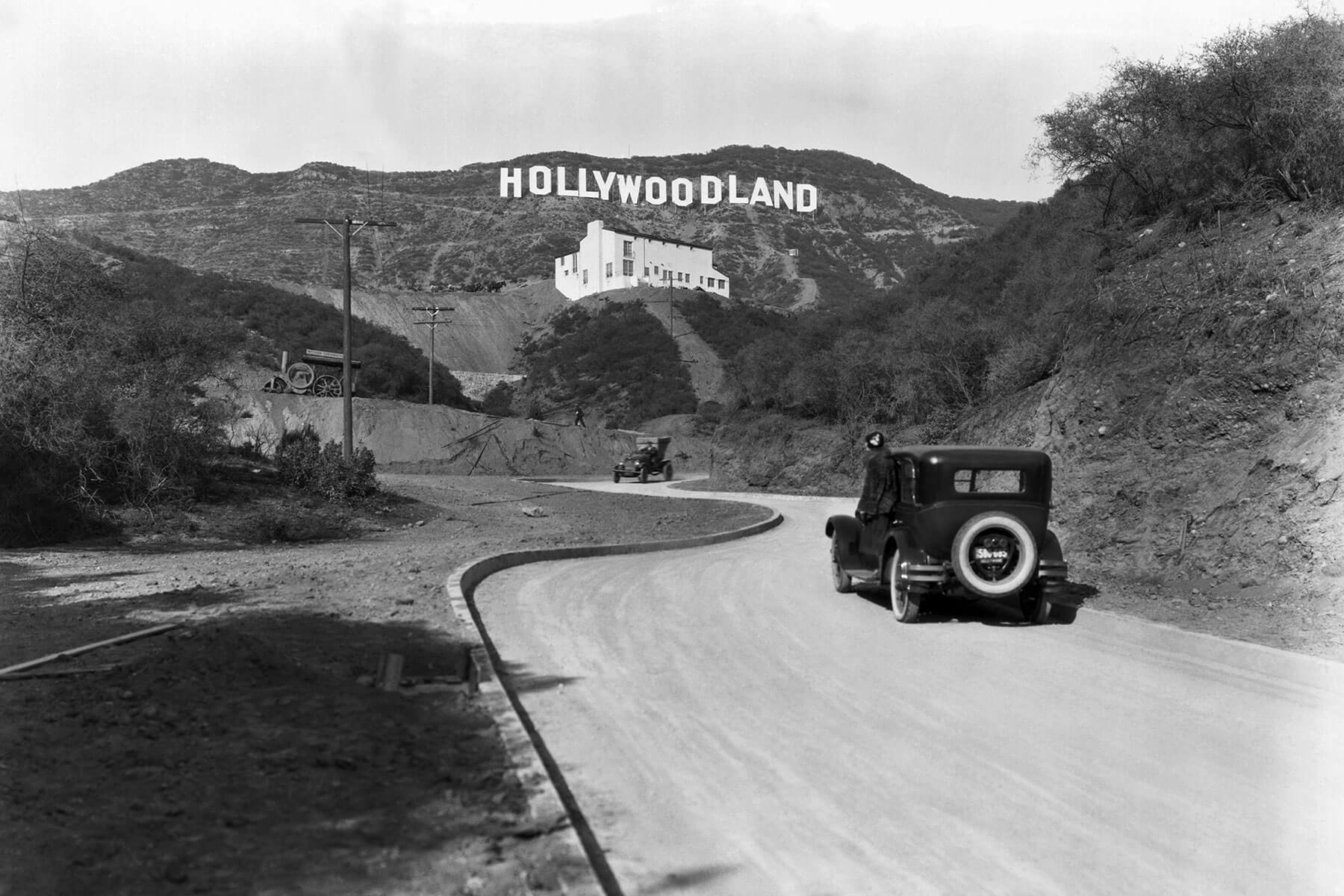
The sign that has become a symbol for the entertainment industry actually started out as a real estate billboard. In 1923, 12 years after the first Hollywood studio opened on Sunset Boulevard, Los Angeles Times publisher Harry Chandler and his real estate partners spent $21,000 (about $375,000 today) to commission an electric sign to advertise their new upscale housing development in the Hollywood Hills. The sign was constructed of metal squares connected by a frame of scaffolding, pipes, telephone poles, and wires to form 13 letters that were each approximately 30 feet wide by 43 feet tall, spelling out “Hollywoodland.” The sign was outfitted with 4,000 20-watt bulbs spaced 8 inches apart, guaranteeing it would be the brightest “star” in the night sky as it blinked: “Holly,” “wood,” “land,” and finally, “Hollywoodland.”
There Used to Be a White Dot Under the Sign
In 1924, a large, white dot, 35 feet in diameter and ringed with lights, was added under the “Hollywoodland” sign. It was an eye-catching addition to an already famous sign, but it also served as a political statement, reflecting the “good business conditions” of Los Angeles, a status that was noted with a white dot on a grayscale map produced by the U.S. Chamber of Commerce. Chandler began referring to Los Angeles as a “White Spot of America,” boasting that it was without crime, communism, and corruption. Thus, the white dot was added to the “Hollywoodland” sign, and the tagline “Keep the White Spot White” was used to promote investments in the area. The slogan had other connotations, as well, particularly in a city that was both anti-union and racially segregated at the time.
More from our network





The Sign Was Supposed to Be Temporary
Originally, the plan was to leave the “Hollywoodland” billboard in place for about a year and a half, but the sign drew so much attention that it stayed up — albeit in various states of disrepair over time. The Hollywoodland real estate area was called a “haven, peaceful and filled to overflowing with contentment,” but even it was not impervious to effects of the Great Depression. Chandler’s real estate syndicate was dissolved in 1933 and the sign’s new owner, the M.H. Sherman Company, abandoned the billboard because the cost of electricity was too expensive to maintain. The sign went through long periods of neglect and the natural elements took their toll, causing several letters to collapse under strong winds. In 1944, the sign, along with the 425-acre site around it, was donated to the city of Los Angeles. After several years of debate about what to do with the structure, the Hollywood Chamber of Commerce took the lead on restoration, removing the letters “land” and repairing the sign by the end of 1949.

The Sign Was Almost Destroyed
With no regular maintenance after the 1949 refurbishment, the sign fell into decline once again and began to deteriorate — the “O” and “D” letters even fell down the side of the mountain. In the early 1970s, local residents launched another restoration campaign, and as a result the sign was designated a City of Los Angeles Historic-Cultural Monument, and “Save the Sign” campaigns were launched. In 1978, thanks to pledges from celebrities and entertainment leaders — including Alice Cooper, Andy Williams, Gene Autry, Hugh Hefner, and Warner Bros. Records — the original sign was replaced with a steel and concrete structure that could better withstand the elements. The new structure measured 45 feet tall by 450 feet long, establishing it as the largest sign in the world. That same year, the Hollywood Sign Trust was established to ensure the landmark would be maintained and preserved to promote Hollywood as the world capital of film and cinema arts.

The Sign Was Changed to “HOLLYWeeD” — Twice
Though it’s illegal to make physical changes to the Hollywood sign or the surrounding area, that hasn’t stopped pranksters from taking a few liberties with the landmark over the years. Case in point: The sign has been altered twice, in 1976 and again in 2017, to read "HOLLYWeeD” in honor of new laws reducing restrictions around marijuana use. There have been other unofficial changes to the sign over the years, too. One came in 1983, the only year the Army-Navy football game was hosted on the West Coast. A group of Navy midshipmen covered a few of the letters so the sign would read GO NAVY. Navy won the game 42-13.