



Thank you for confirming your email! Welcome to the community.
Tag: Money
7 Things That Are Much Cheaper Now Than They Used To Be
Credit: Archive Photos via Getty Images
AuthorNicole Villeneuve
June 19, 2024
Love it?55
Despite what feels like the constantly rising costs of modern life, the prices of some essential commodities such as gas and eggs have actually remained relatively stable compared to dollar values and wages in the past. Other items, meanwhile, have actually become much cheaper over time, even when accounting for inflation. Innovations in technology, increased competition, and improvements in manufacturing and logistics are most often the reason for these surprising price drops. Here are seven everyday items that are much cheaper now than they were in decades past.
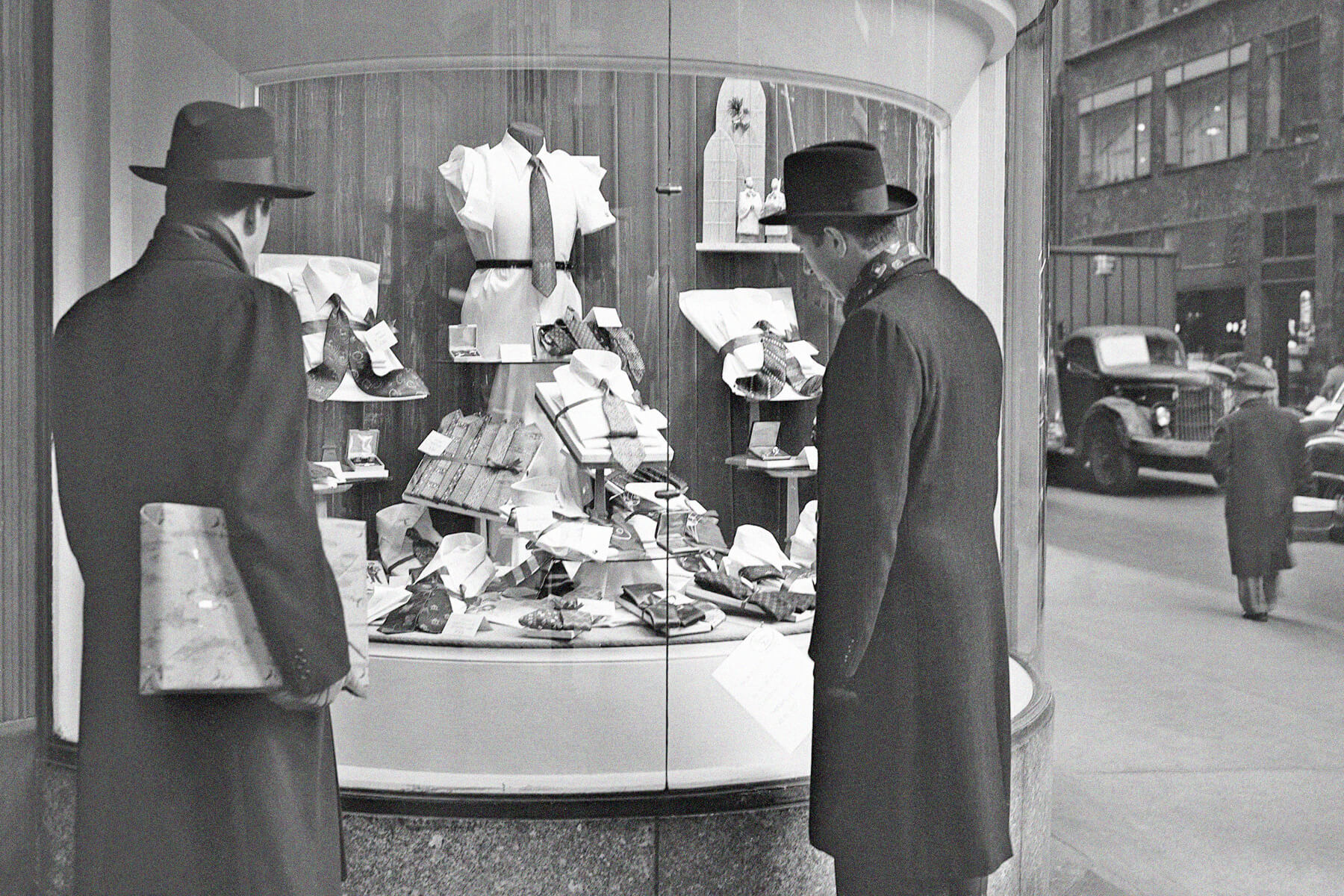
In the mid-20th century, the average American family spent about 10% to 12% of their household income on clothing. Today, that figure has dropped to around 3%. It’s not because people are buying less: The average person buys about 70 new apparel items a year, compared to approximately 25 items per person in 1960. So why are people spending so much less?
Starting in the 1970s and into the 1990s, most U.S. clothing production moved overseas, where labor costs are lower and production output is higher. Those savings were passed onto consumers, and as fast-fashion brands proliferated, Americans had more options at lower prices than ever before. According to data from the U.S. Bureau of Labor Statistics, on average, a woman’s dress cost $50 in 1960. Adjusted for inflation, that’s about $530 today — not unheard of, but far above prices at the most popular clothing retailers today.
Advertisement
More from our network
History Facts is part of Inbox Studio, an email-first media company. *Indicates a third-party property.
Bananas have been a staple fruit in the American diet for decades, and while they’re one of the cheapest and most popular fruits in the supermarket now, they started out as a luxury item. Bananas first became available in the U.S. following the Civil War. At the time, they sold for about 10 cents a piece — that’s about $3 per banana today.
The price of the tropical fruit has hovered between 50 and 60 cents per pound for the last 20 years — a significant drop from its early cost. Most bananas sold in American stores are imported from faraway places including Guatemala and Honduras and require cooling containers for shipping. Despite these barriers, labor costs remain low, and banana importers sell only one variety, the Cavendish, meaning the fruit can be harvested in abundant volumes and ripen at the same time. That helps keep production and shipping efficient, and the cost to consumers low.
Advertisement
Advertisement
Credit: Camerique/ Archive Photos via Getty Images
Televisions
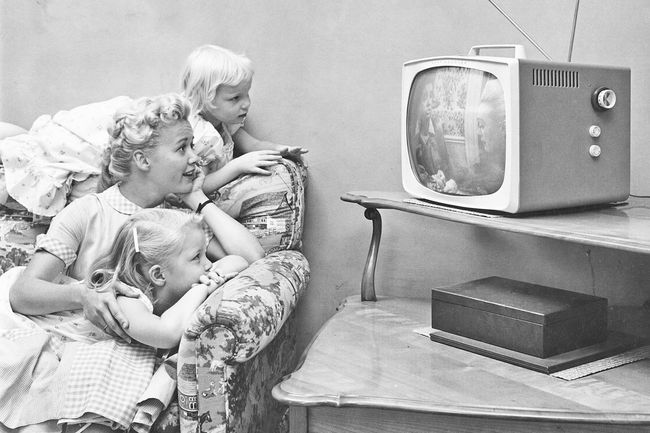
It’s no surprise that as technology improves and becomes more efficient, prices come down. But one consumer electronics category stands out from the rest for its drastic price cuts: televisions (even as they get bigger and bigger). When RCA debuted its first color TV set in 1954, the 15-inch screen came with a $1,000 price tag. According to the U.S. Bureau of Labor Statistics’ inflation calculator, that would be more than $11,600 today. By comparison, a 65-inch, high-definition smart TV might set you back less than $500 today, and while that’s neither the high nor low end of the current television market, it’s a good indicator that TVs are much more affordable than they used to be.
There are several reasons for the major price cuts over the years, including increased competition and advancements in manufacturing (especially the process of cutting several screens out of a larger sheet of “mother glass”). But there’s another factor keeping TV prices low: Consumers’ viewing data is being collected and sold to advertisers. This “post-purchase monetization” often results in targeted ads on smart TVs, and while it may offer affordable TV prices and accurate targeted viewing recommendations, the feature can be disabled for a more anonymous viewing experience.
It may feel like airfare has surged in recent years due to increased fuel prices and airport taxes, yet airline tickets — fees included — have actually become much more affordable over time. Commercial air travel used to be a luxurious experience available only to the wealthy. It wasn’t until President Jimmy Carter signed the Airline Deregulation Act in 1978 that competition opened up, flight paths and schedules increased, and airline prices began to come down. In 1941, an average flight from Los Angeles to Boston would have cost more than $5,000 in today’s money (and taken an excruciating 15 hours); now, a nonstop, one-way flight from Los Angeles to Boston commonly costs around $300 and takes about six hours. And an average domestic round-trip airfare is about $400 in the U.S.
Advertisement
Advertisement
Credit: Camerique/ Archive Photos via Getty Images
Washing Machines
Household appliances have seen many technological advancements over the years, and while high-end luxury products are still out of reach for the average consumer, other appliances have become much more affordable over the years. The price of washing machines, an invaluable addition to modern life, has changed significantly from the 1950s to today. In 1959, a Kenmore washer was advertised in Sears’ “Wish Book” Christmas catalog for $209.95. (The matching dryer was listed at $169.95.) Today, that amount inflates to more than $2,200 — a $1,600 difference from a basic $500 to $600 top-loading Kenmore machine today. That’s a happy trend, lest we have to wash our increased amount of clothing by hand.
Although it may not feel like the case to modern parents, toys are cheaper — and more plentiful — today than in decades past. The U.S. Bureau of Labor Statistics shows significant deflation on toys over the past 30 years, a trend primarily resulting from increased reliance on inexpensive overseas production and more competition both from toy brands and from major retailers. Considering today’s popular toys, from Squishmallows to STEM gadgets to LEGO sets, prices average out at about $50. That is not too different from the $25 Cabbage Patch Kids of the 1980s (about $70 today), or the $8 Rock'em Sock'em Robots of the 1960s (about $80 today), but the current cost of similar toys is much less than those inflated costs. Today, you can get a modern Rock'em Sock'em set for under $30, or a standard Barbie doll for about $12 — much less than an average Barbie from the 1994 JC Penney catalog, which, at $15, would cost more than $30 today.
Once considered a precious metal more valuable than gold, aluminum became drastically cheaper in the late 19th century. Although it’s the most abundant metal in the Earth’s crust, it wasn’t always easy to extract from its ore. After the Hall-Héroult smelting process was developed in 1886 by two different scientists — Charles Martin Hall in Ohio and Paul-Louis-Toussaint Héroult in France — it became easier to isolate aluminum, which revolutionized its production.
In 1884, when the element was still rare and expensive, the United States used 6 pounds of it atop the Washington Monument. At the time, aluminum cost about $17 a pound — that would be more than $500 per pound today. Within a few short years, thanks to Hall and Héroult’s new process, the price of aluminum plummeted; today, the metal is worth about $1.15 a pound, and is most commonly used in everyday aluminum cans.
Advertisement
Advertisement
What Did a House Cost During the Baby Boom?
Credit: ClassicStock/ Archive Photos via Getty Images
AuthorMark DeJoy
April 24, 2024
Love it?133
The baby boom was a global increase in the number of births in the years following the end of World War II. In the United States, the time frame is generally defined as between 1946 and 1964, when around 76 million people were born. It coincided with a period of economic prosperity that also saw a boom in home ownership. Census data shows that 43.6% of Americans owned a home in 1940; by 1960, that number rose to 61.9%, an increase of more than 18%. We took a look at the average cost of a house during this boom time, using data from the U.S. Census Bureau and inflation calculations from the U.S. Department of Labor’s Consumer Price Index.
At the onset of the baby boom, the housing stock was still in a state of stagnation due to the wartime conservation of building materials. As a result, in 1947, 6 million households saw families sharing living space with extended relatives, and approximately 500,000 households were living in make-do spaces such as detached garages, trailers, or otherwise temporary housing. But a few key programs reshaped the housing market: the Servicemen’s Readjustment Act (better known as the GI Bill), Veterans Administration (VA) home loans, and the already-established Federal Housing Authority (FHA).
Advertisement
More from our network
History Facts is part of Inbox Studio, an email-first media company. *Indicates a third-party property.
Credit: Camerique/ Archive Photos via Getty Images
In the prewar era, mortgages were commonly structured as “balloon loans,” which were relatively short-term loans (five to seven years, on average) with a substantial down payment (normally 20% to 50%). The VA and FHA programs flipped the convention to long-term loans with low down payments. The ability to spend less up front and pay back the loan over 25 to 30 years significantly eased the barrier to home ownership for many Americans, though not everyone: The practice of redlining meant that a vast majority of Black veterans were shut out from receiving home loans.
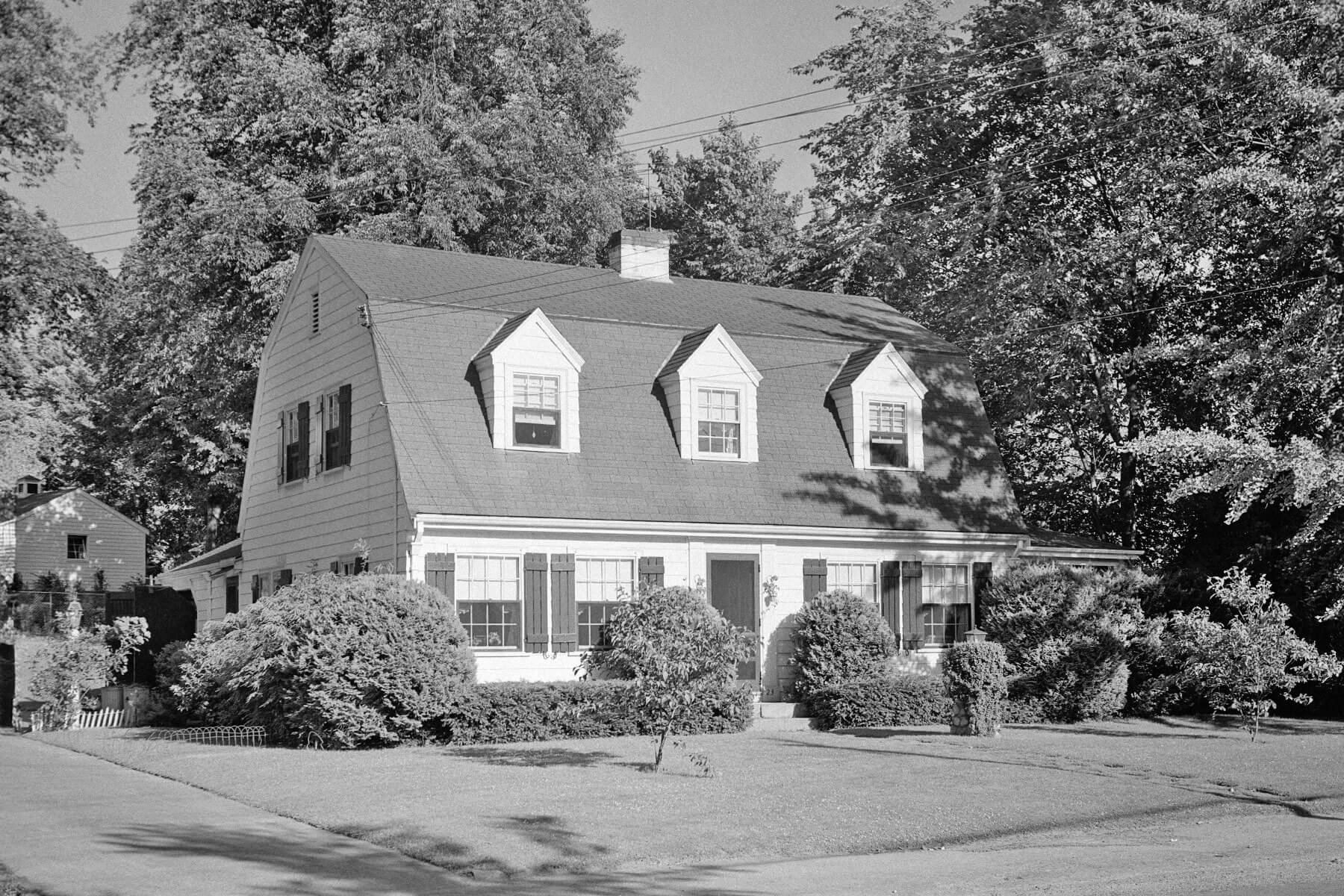
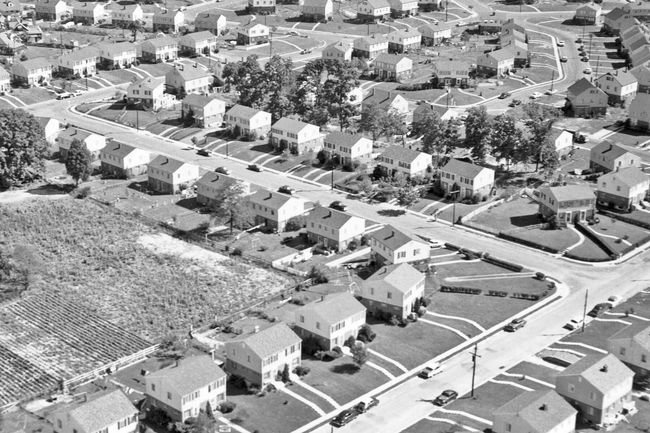
In 1950, some 1.53 million new homes were built, and VA and FHA loans comprised 51% of buyers. Another 2.4 million new homes were started between 1953 and 1957, using a total of $3.6 billion in loans. According to U.S. Census data, the national median price of a single-family detached home in 1950 was $7,354. That equates to $97,740 in today’s money, though it’s worth pointing out that the average house in 1950 was much smaller: 983 square feet and an average of 4.6 total rooms, as opposed to 2.264 square feet and seven to eight rooms today. The average family income was $3,300, the equivalent of $43,859 today, which goes to show how much the housing market has outpaced regular inflation in the 21st century: Though the value of the average home in 1950 equates to $97,740 today, data from 2018 to 2022 shows the modern-day median home value is almost triple that, at $281,900. The price of a home in 1950 was approximately double the median household income; considering today’s median household income of $74,755, the price of a home is now nearly four times the median household income.
The development of the Interstate Highway System with the Federal Aid Highway Act of 1956 made the areas surrounding cities more easily accessible than ever before. This, along with the wide availability of empty land for developers to build on, and the Home Owners’ Loan Corporation discouraging mortgage lending for central urban properties by identifying those areas as “hazardous,” contributed to the creation of the suburbs as we know them. By 1960, 15 million U.S. homes were under construction, and 75% of them were in suburban areas.
The median single-family home size in 1960 rose to 1,500 square feet and gradually increased throughout the decade to just under 2,000 square feet. The median number of rooms increased from the 1950s average of 4.6 to six rooms in the 1960s, and that number held steady throughout the decade. It’s tempting to attribute the increased home size to the space that was available in the suburbs, but the numbers don’t exactly bear out that explanation: The median lot size throughout the 1950s and ’60s was steady at just over .20 acres, and it didn’t significantly increase until the 1970s.
As home sizes increased, so too did home prices: In 1960, the median value of a single-family detached home was $11,900 — that’s $126,852 today. However, the median family income kept pace, increasing to $5,600 ($59,695 today), so the median annual family income still comprised approximately half the cost of a home. The least expensive state for home ownership was Arkansas, with a median home value of $6,700, while the most expensive state was Hawaii, with a median home value of $20,900 — or $71,4210 and $222,790 today, respectively.
Advertisement
Advertisement
6 Facts About the Vanderbilts and Rockefellers
Smith Collection/Gado/ Archive Photos via Getty Images
AuthorNicole Villeneuve
September 21, 2023
Love it?58
The United States may not have a royal family, but it has a number of influential family dynasties that have intrigued the public for centuries. Two families in particular, the Vanderbilts and the Rockefellers, are household names whose self-made fortunes made them two of the richest and most powerful American families in history. The Vanderbilts, led by Cornelius Vanderbilt’s railroad empire, amassed staggering wealth during the Gilded Age in the late 19th century. The Rockefellers, meanwhile, propelled by John D. Rockefeller’s dominance of the oil industry, made a large impact with their philanthropy and preservation. Although their ascendence is similar, their legacies ended up looking a little bit different in the end.
Rockefeller and Vanderbilt’s massive business ventures not only amassed them unprecedented personal wealth, but boosted the country’s industrial economy. At the same time, their reputations as “robber barons” emerged, amid criticisms that their successes came at the expense of fair competition, workers’ rights, and ethical standards. At the time, many Americans were living in poverty, a stark contrast to the glitzy guise of the Gilded Age that these wealthy families propped up.
John D. Rockefeller Was America’s First Billionaire
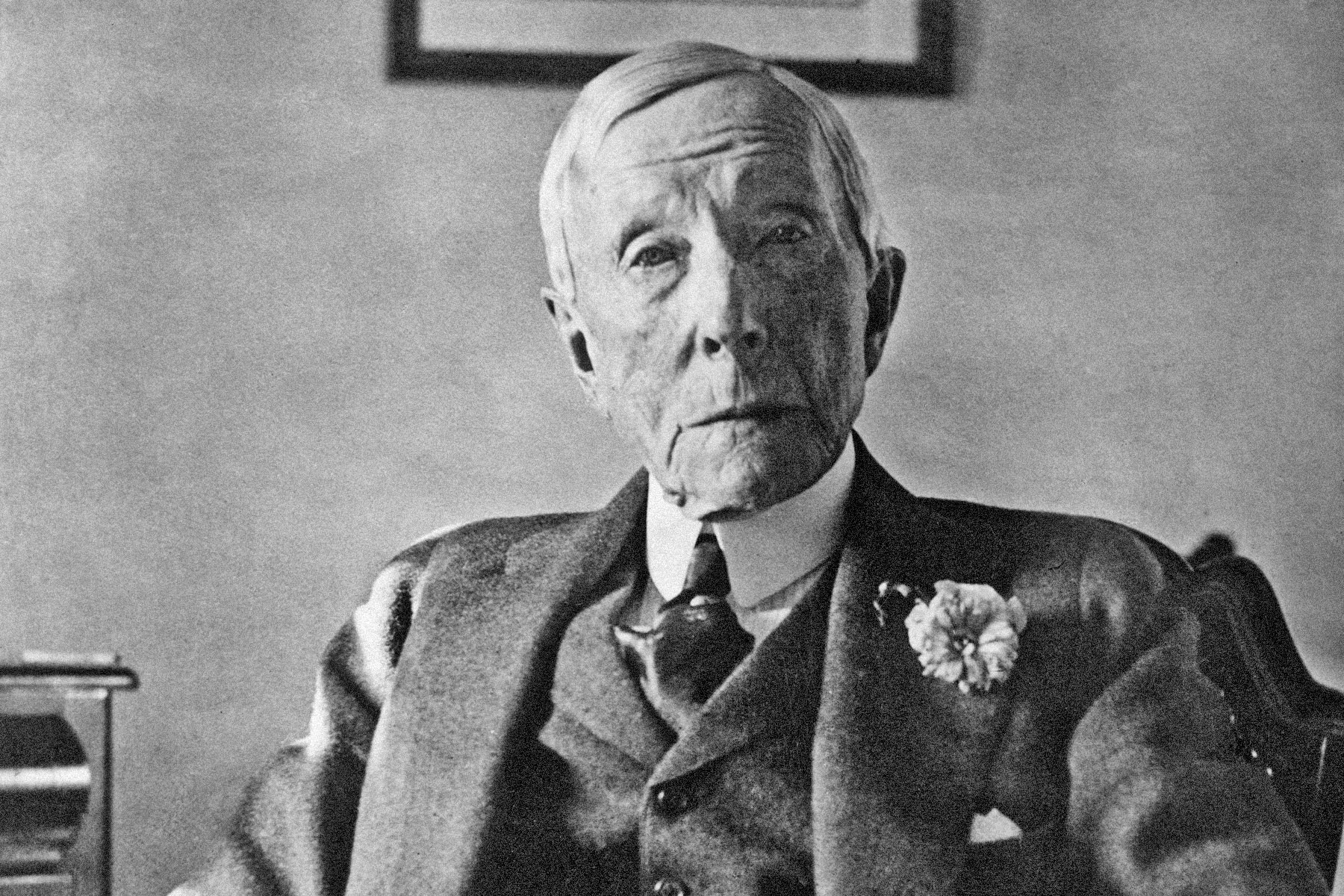
A century before Bill Gates and Jeff Bezos, there was John D. Rockefeller. When he was just 12 years old in rural New York, Rockefeller loaned a neighbor $50 of his own hard-earned money. When he received it back the next year with interest, he decided at that moment to let his money work for him instead of the other way around. This foresight and financial acumen lasted him a lifetime, helping him shape the landscape of American business and become the country’s first billionaire.
Trained and working as a bookkeeper by 16 years old, Rockefeller started his own company in agricultural trade within a few years. Through that business, he decided that the true future of industry was in moving raw materials, and at 24 years old, he moved into the oil business. Rockefeller went on to pioneer the American oil industry by founding Standard Oil (later dissolved into Exxon, Chevron, and more). Although his business practices faced their fair share of accusations and criticisms over the years — including colluding to control the price of oil and creating a monopoly by buying competing refineries — Rockefeller amassed an unprecedented $1.4 billion net worth by the time of his death in 1937 (almost $30 billion today). As much as he made, he gave plenty away, too — his philanthropic gifts over the years totaled $530 million.
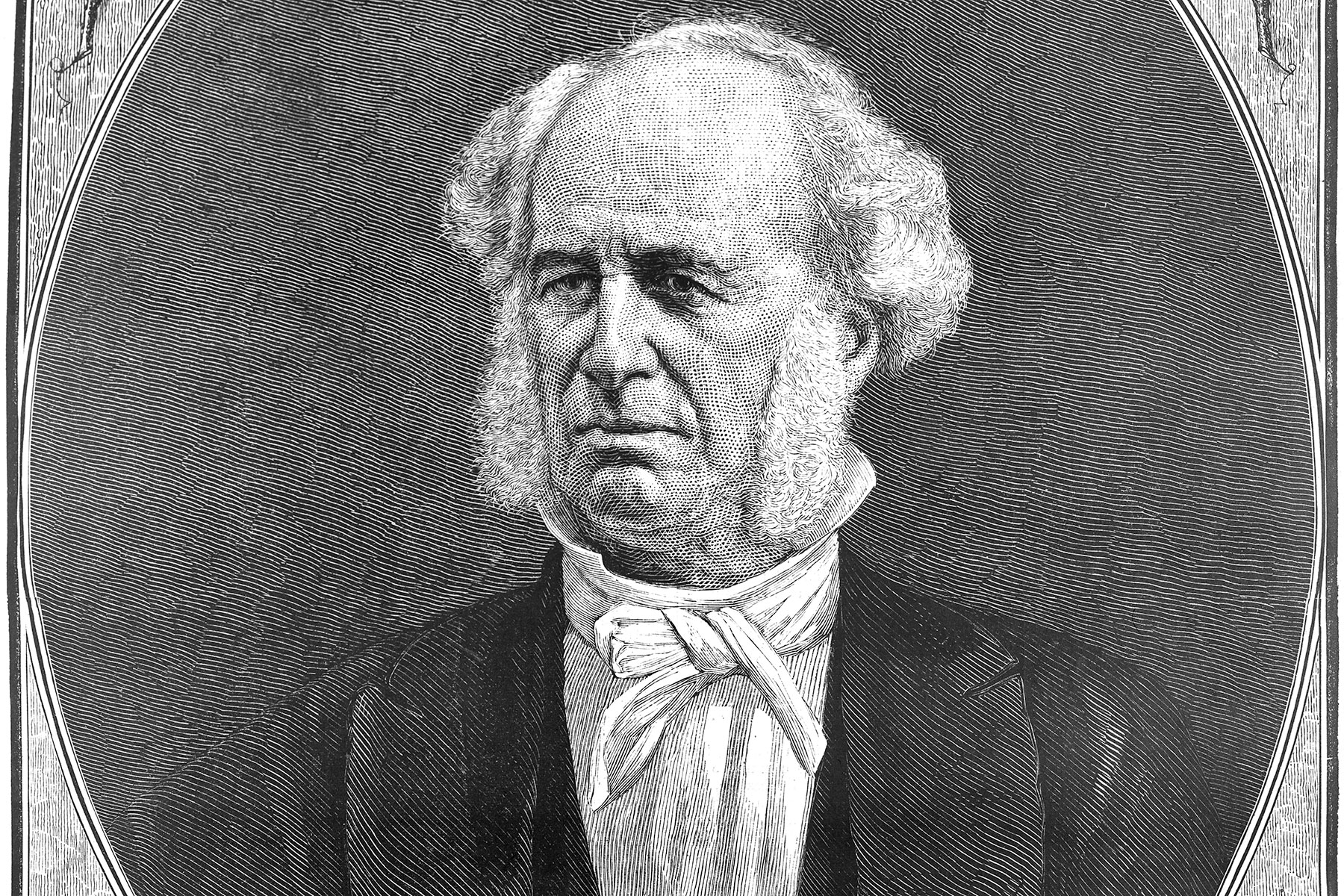
He’s a towering figure in American business history, but Cornelius Vanderbilt had little formal education. Born the fourth of nine children in Staten Island, New York, in 1794, Vanderbilt was pulled out of school to work on his father’s shipping boat when he was just 11 years old. By the time he was 16, “the Commodore,” as he became known, had bought his own boat to ferry cargo around the New York Harbor. He got a job in the steamship industry and eventually went into business for himself.
Vanderbilt’s aggressive professional approach helped him accrue wealth quickly, and in the 1840s, he built the first of many large homes the family owned in New York (and elsewhere). When the California gold rush struck, Vanderbilt saw an opportunity: He launched a shorter steamship route from New York to San Francisco than had previously existed. It was an instant success, earning more than $1 million in one year (that’s almost $40 million today). Around this time, Vanderbilt also began to manage the railroads that connected textile mills on the East Coast to shipping ports. The shipping tycoon with no formal education also became a railroad tycoon.
Advertisement
More from our network
History Facts is part of Inbox Studio, an email-first media company. *Indicates a third-party property.
John D. Rockefeller Celebrated the Anniversary of His First Job Every Year
It was referred to as his “most joyful holiday of the year” — the anniversary of the day John D. Rockefeller got his first job. On September 26, 1855, Cleveland company Hewitt and Tuttle hired a 16-year-old Rockefeller as an assistant bookkeeper. Every September 26 from that year forward, the magnate celebrated “job day.”
“All my future seemed to hinge on that day,” Rockefeller once said. “I often tremble when I ask myself the question: What if I had not got the job?” When the business magnate was 83 years old, The New York Times reported the events of his “job day” celebrations: Festivities included a round of golf (just nine holes, lest he spend too much time on the greens), working on his philanthropic ventures, and a luncheon with friends in which he detailed his job search so many years ago. Rockefeller said that just over three months after he started the job, on New Year’s Eve in 1855, he collected his first pay: $50.
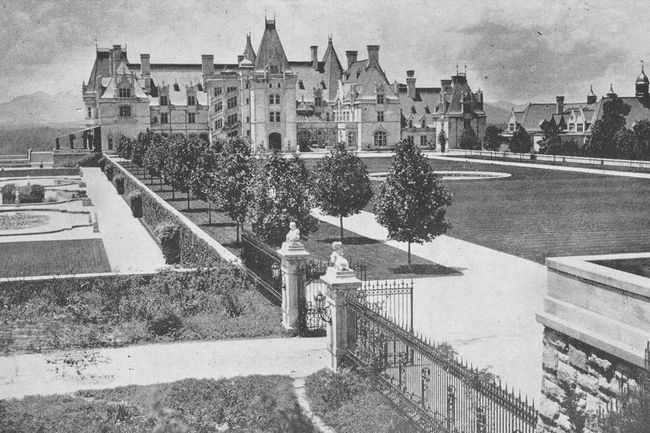
On Christmas Eve in 1895, Cornelius Vanderbilt’s grandson George Vanderbilt invited friends and family into his opulent new home for the first time. George first visited Asheville, North Carolina, in 1888. Taken by the region’s picturesque mountainous charm, he began acquiring land, eventually amassing 125,000 acres for his future estate. It took six years for the Biltmore Estate, designed by architect Richard Morris Hunt, to take its iconic form. The 250-room French Renaissance chateau — now the largest home in the United States — even required its own brick factory, woodworking shops, and railway for transporting materials during construction.
Spanning 175,000 square feet — more than 4 acres of floor space — the famous mansion includes 35 bedrooms, 43 bathrooms, and 65 fireplaces. Despite the ostentatious footprint of the estate, George was also committed to sustainable land use practices, and following his death in 1914, his wife, Edith Vanderbilt, sold 87,000 acres to the federal government, creating the Pisgah National Forest.
The Rockefellers Made Their Fortune in the Oil Industry — Then Denounced It
At its peak, Standard Oil controlled more than 90% of petroleum products in the United States. Yet in the mid-2010s, two of the Rockefeller family charities announced their plans to divest from the oil industry, walking away from the very product that made them billionaires. The companies cited concerns about the environmental impact of fossil fuels and their contribution to climate change as the reason. While the move was largely symbolic, it certainly reaped rewards. In 2020, five years after announcing the divestment, the Rockefeller Brothers Foundation — which puts approximately $15 million each year into climate change efforts — claimed its oil-free portfolio posted bigger returns than a comparable portfolio with oil holdings over the same time period.. “Oil is obviously a definitional part of my family’s past,” Valerie Rockefeller, the great-great-granddaughter of John D. Rockefeller and chair of the RBF board of trustees, said in a press release at the time. “But it has no place in our future.”
Photo credit: FPG/ Archive Photos via Getty Images
The Vanderbilt and Rockefeller Dynasties Live on in Different Ways
Despite sharing historic and cultural space as two of the wealthiest and most powerful families in American history, the Vanderbilt and Rockefeller dynasties played out quite differently. The vast fortune — upwards of $100 million at the time of his death — built by Cornelius Vanderbilt deteriorated in subsequent generations. “When 120 of the Commodore's descendants gathered at Vanderbilt University in 1973 for the first family reunion, there was not a millionaire among them,” wrote Arthur T. Vanderbilt in Fortune's Children: The Fall of the House of Vanderbilt. Journalist Anderson Cooper, one of the most famous living Vanderbilt descendants (his mother was Gloria Vanderbilt), also detailed the lavish spending and poor planning that led to their financial fall.
In contrast, the Rockefellers’ wealth has endured. Across several generations and almost 100 descendants, the family maintains a fortune in the billions. Unlike with the Vanderbilts, careful financial planning, strategic philanthropy, and diversified investments have kept the family thriving, as has, according to the modern-day Rockefellers, a system of family values and traditions that includes family get-togethers — featuring upwards of 100 people — at least twice a year.
Advertisement
Advertisement
Another History Pick for You
Today in History
Get a daily dose of history’s most fascinating headlines — straight from Britannica’s editors.