


Were People in Medieval Times Always Drunk?

  • Medieval painting
Medieval painting
Credit: Mondadori Portfolio/ Hulton Fine Art Collection via Getty Images
Author Bennett Kleinman

April 3, 2024

Love it?

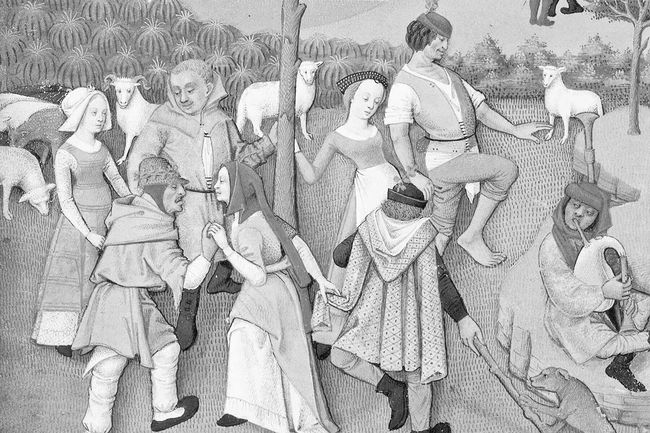
It’s often said that people during the Middle Ages, a period that lasted from roughly the end of the fifth century through the 15th century, drank beer instead of water because the drinking water at the time was dirty and unsafe. It would beg the question: Were people in medieval times always drunk? While it’s true that beer was free-flowing in the Middle Ages, a lack of clean drinking water is one of the most common misconceptions about the time period. We took a look at the history to get to the truth behind the myth.

Credit: Science & Society Picture Library via Getty Images

Water Was Safe and Plentiful

Despite the myth that’s been perpetuated in the centuries since, there was plenty of clean water during the Middle Ages, and people rarely relied on alcoholic beverages as a substitute. That isn’t to say people steered clear of the stuff — boozy beverages were widely enjoyed by everyone from members of the working class to those in high society. But it’s not actually true that unclean water led to the widespread consumption of ale as an alternative.

People in medieval times had an understanding about the health benefits of drinking water, even if the science wasn’t fully understood. This was based in part on the early medical findings of ancient Greek physician Hippocrates, who recommended boiled and strained water as an important ingredient for overall health. There was, of course, medical misinformation as well, including some 15th-century texts that encouraged pregnant mothers to drink wine instead of cold water for the health of the baby. But generally, fresh water was understood to be good for you.

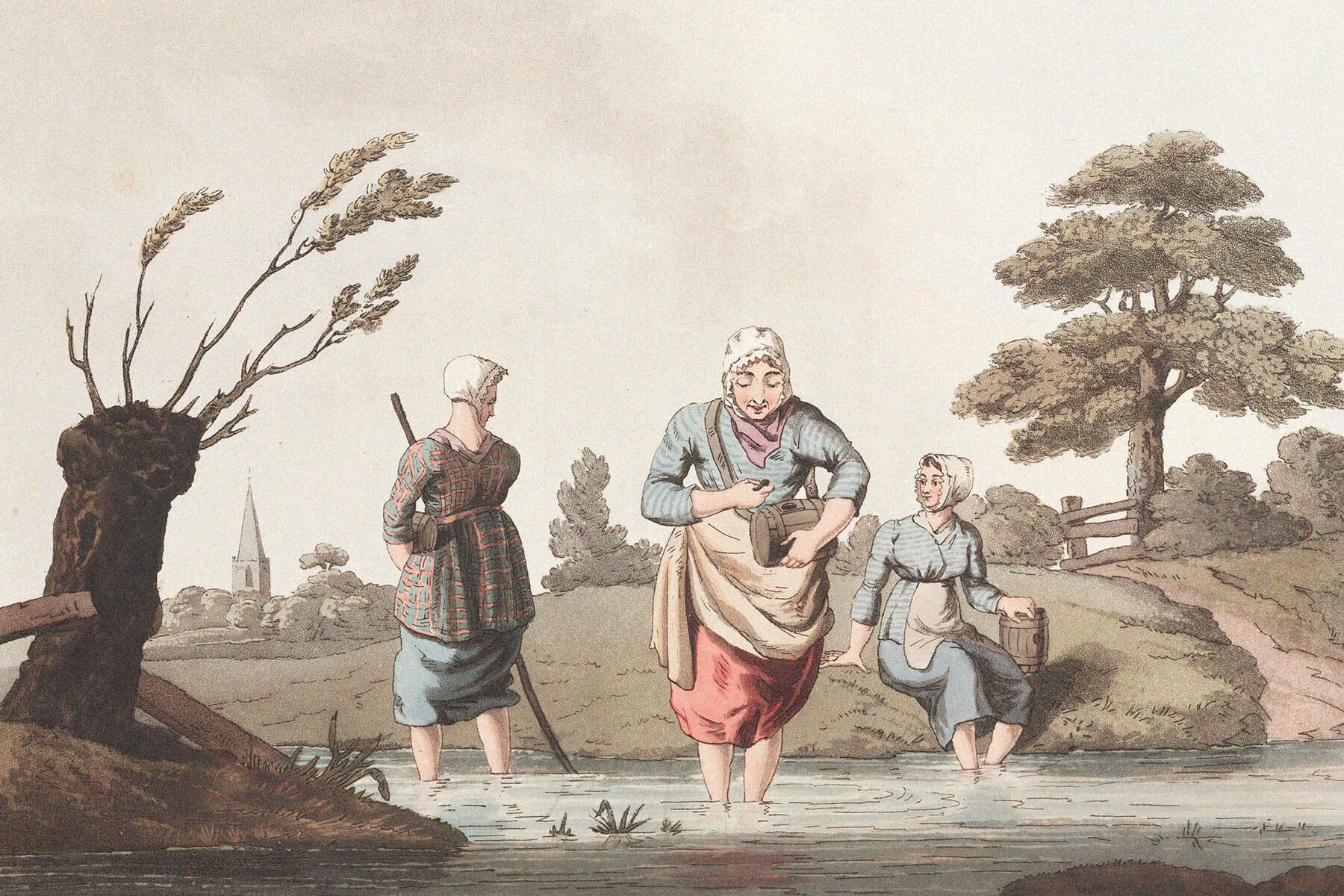
Indeed, fresh, running water was so coveted that many medieval villages were built along rivers and streams so that residents could have access to a constant supply of water for drinking, cleaning, farming, and other daily chores that required clean water. Many people also collected rainwater in barrels, which was safe to drink at the time given the lack of air pollution. Freshwater wells were quite common, too, and were built to ensure the purity of the water. People in the Middle Ages were aware of the fact that the best water was clear, cold, and odorless, and people often lined their wells with wood to ensure that the water wouldn’t get contaminated with murky mud. Some people also understood that if water looked or smelled impure, boiling it could remove impurities and make it safer to drink.

You may also like

How People Practiced Magic in the Middle Ages

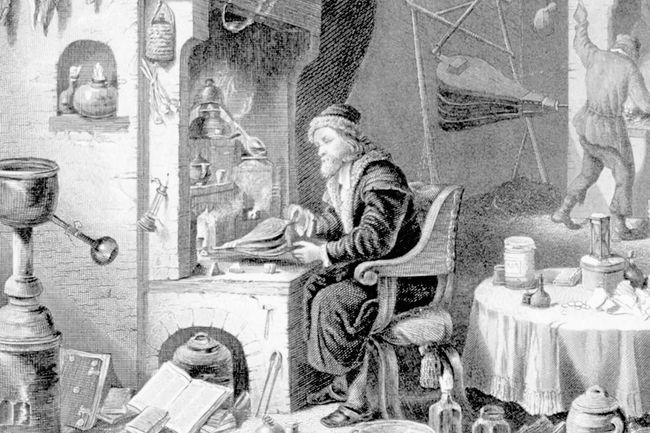
  • Engraving of an Alchemist
Engraving of an Alchemist
Bettmann via Getty Images
Author Tony Dunnell

January 25, 2024

Love it?

Magic — the wielding of supernatural forces — was a part of everyday life in the Middle Ages, although some forms were considered far more insidious than others. At one end of the spectrum were forces seen as natural and helpful. This kind of white magic was even practiced by monks and priests, despite Christianity’s increasingly hostile attitude toward such practices. And then there was black magic, a harmful and unnatural practice otherwise known as sorcery. 

The distinction between magic and religion during this time was sometimes hard to define. Churches in medieval Europe had both appropriated and Christianized native pagan practices and beliefs, and so elements of what could be seen as magic existed within the now-dominant religion. By the late Middle Ages (around 1350 to 1450), however, Christianity took a far stauncher attitude to what it saw as the worryingly widespread and dangerous remnants of pagan culture. 

During this period, people were increasingly put on trial for maleficium, the term used to define sorcery or dark magic. In the 14th century, the accusation of maleficium was mostly aimed at men. It was not until later, with the publication of clergyman Heinrich Kramer’s Malleus Maleficarum in 1487, that dark magic was associated more directly with women, at which point there was a sharp rise in witches (both accused and self-proclaimed) and witch trials. 

Practitioners of black magic, including wizards, sorcerers and, later, witches, had a number of tools to call upon to perform their dark arts. Here are some of the practices they might have used during the magical times of the Middle Ages. 

Photo credit: glegorly/ iStock

The Grimoire

No self-respecting sorcerer would be seen without a grimoire. Practitioners of black magic needed a way to learn and advance their craft, and these instructions were found in grimoires, which served as a kind of textbook, giving sorcerers all the necessary instructions for casting spells, raising spirits, and various other dark wizardry. Grimoires were of little use to the common person, however, simply because they required a certain level of education to use — primarily the ability to read. 

You may also like

The 6 Wives of Henry VIII

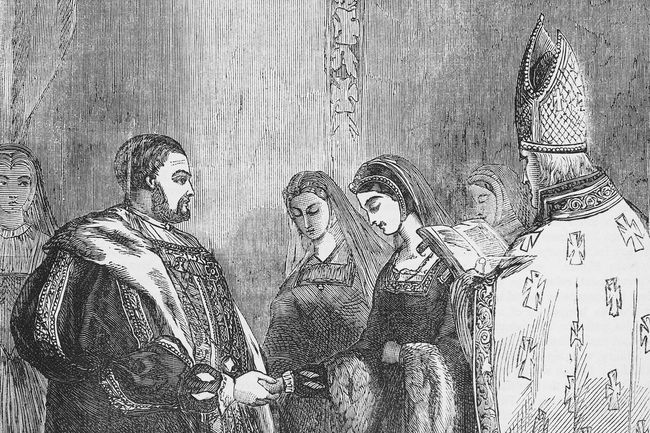
  • Marriage of Henry VIII
Marriage of Henry VIII
Bettmann via Getty Images
Author Kristina Wright

December 14, 2023

Love it?

Henry VIII left an indelible mark on British history, though he is remembered as much for his insatiable appetite for women and food as for his shrewd political maneuvers. Born in 1491, Henry ascended the throne at the young age of 17, succeeding his father, Henry VII. His youth was marked by interests in the arts, sports, and education, making him the embodiment of a Renaissance man, as well as a promising and charismatic ruler. It was the monarch’s matrimonial escapades, however, that came to define his legacy.

Henry’s reign, spanning from 1509 to 1547, was characterized by a series of tumultuous marriages entwined in Tudor politics. You may be familiar with the old rhyme, “Divorced, beheaded, died, divorced, beheaded, survived,” but here’s a closer look at the six women who became the wives of Henry VIII.

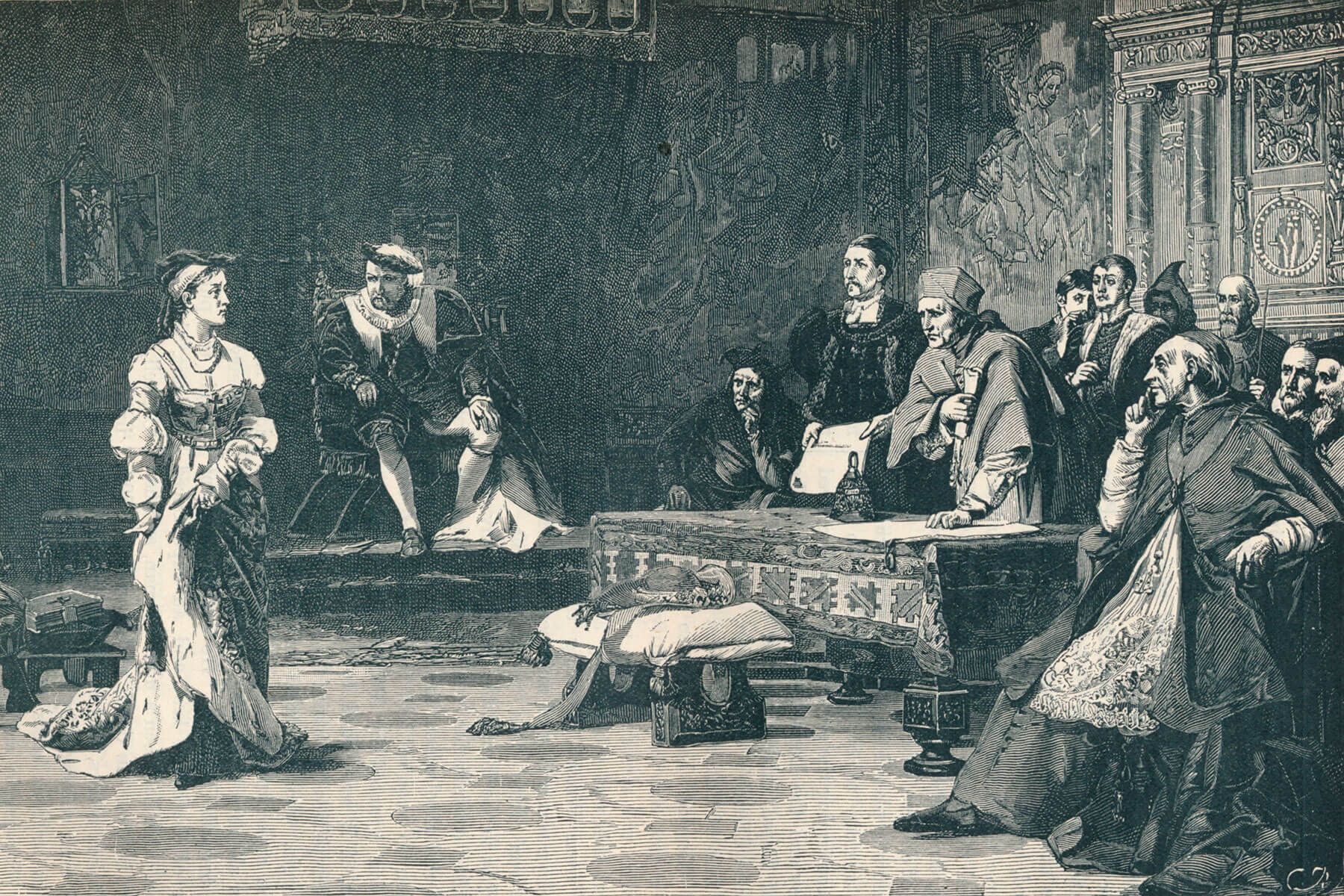
Photo credit: Print Collector/ Hulton Fine Art Collection via Getty Images

Catherine of Aragon (queen consort: 1509-1533) 

Henry VIII had been on the throne for only a few weeks when he married Catherine of Aragon. The daughter of Spanish rulers Ferdinand and Isabella, Catherine was six years older than Henry and was seen as a good match for the young monarch. Beautiful, well educated, and devoted to Henry, Catherine was also the king’s sister-in-law, having married his older brother Arthur in 1501, only to be widowed five months later at the age of 16. Her marriage to Henry lasted 24 years, but ended in divorce.

By all accounts, Henry had loved Catherine, but when she failed to give him a male heir, he asked Pope Clement VII to declare their marriage invalid, asserting that her marriage to Arthur made their union illegitimate in the eyes of God. When the pope refused, Henry divorced Catherine so he could marry his pregnant mistress (and Catherine’s lady-in-waiting), the French-educated Anne Boleyn, setting in motion his break from the Catholic Church and the establishment of the Church of England. Despite being divorced, dismissed from court, and kept from her only living child, Mary, Catherine’s devotion to Henry lasted until her death by cancer in 1536. The last line of the last letter she wrote him read, “Lastly, I make this vow, that mine eyes desire you above all things.”

You may also like

5 Facts About England’s Elizabethan Era

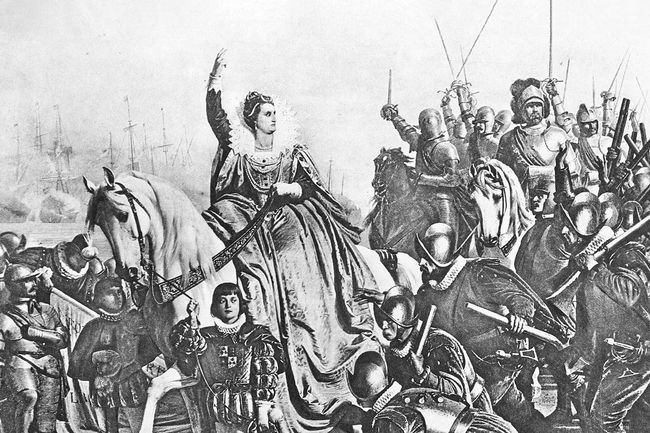
  • Elizabeth at Tilbury
Elizabeth at Tilbury
ullstein bild Dtl via Getty Images
Author Adam Levine

July 25, 2023

Love it?

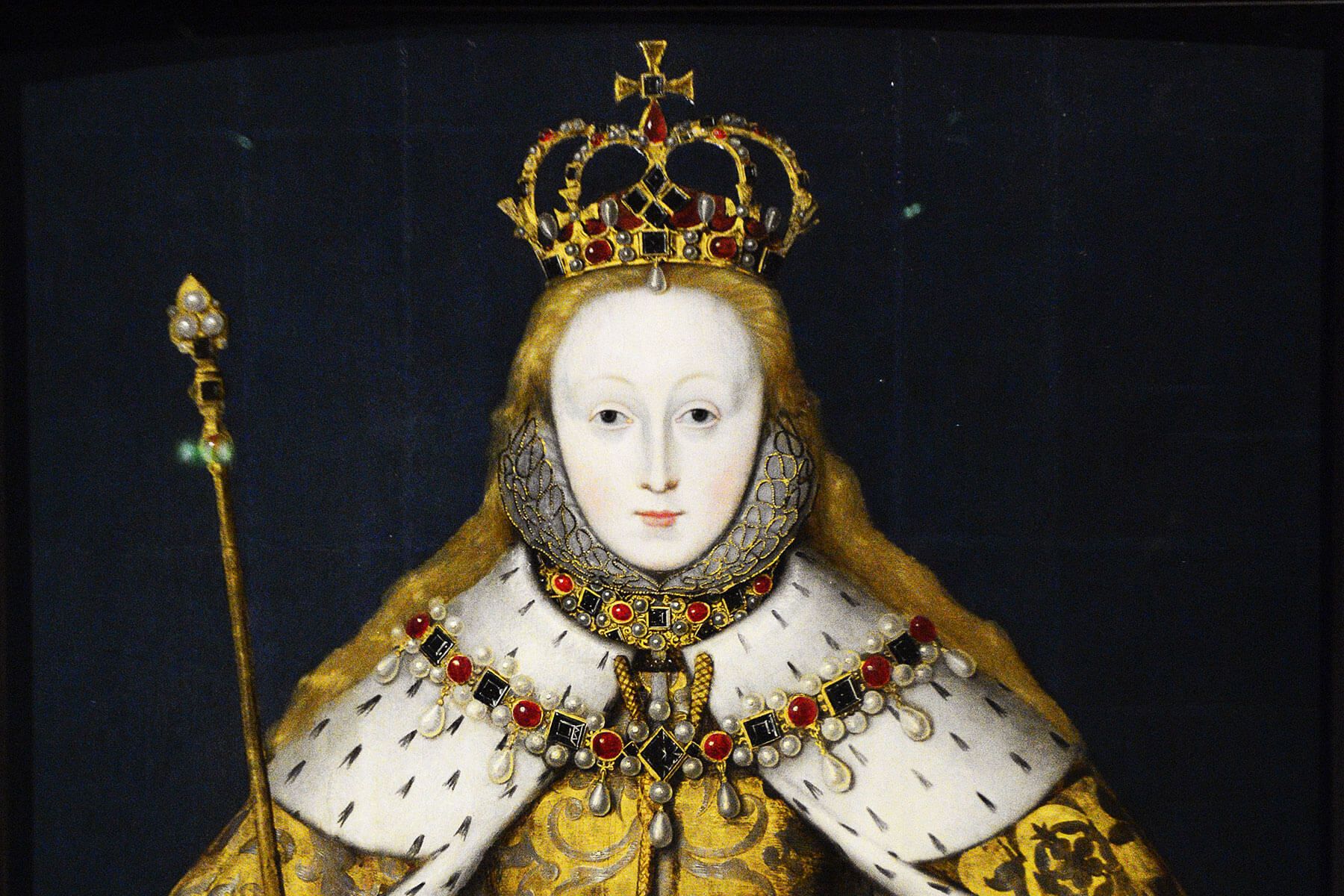
In 1558, Elizabeth Tudor assumed the throne of England and Ireland and began her reign as Queen Elizabeth I. From the moment she was crowned, Elizabeth was an unconventional ruler. She was only the second queen in England’s history to reign as the sole head of state, which made her a rarity not only in her own country, but throughout Europe in an era in which female monarchs were few and far between. Her lifelong refusal to marry also broke with tradition, and earned her the nickname “the Virgin Queen” (the state of Virginia is named in her honor). As a Protestant monarch, Elizabeth also had to withstand multiple assassination attempts from radical Catholic factions throughout her reign. Yet despite the challenges she faced, her reign is considered a golden age of English history. 

Elizabeth’s rule lasted until 1603, and was marked by a period of relative peace and progress, during which England experienced radical cultural and political transformations that continue to resonate today. Elizabeth ruled over a nation that saw the early plays of William Shakespeare and some of Europe’s first expeditions to the Americas. Yet her time on the throne was also marked by moments of political and military crisis. For a quick look at what made this period of history truly unique, here are five facts about England’s Elizabethan age.

Photo credit: Robert Alexander/ Archive Photos via Getty Images

Elizabeth’s Coronation Date Was Chosen Based on Astrology

Queen Elizabeth I was crowned on January 15, 1559, a date selected by one man: John Dee. Dee was an influential figure at court, and was well known as a mathematician and philosopher. But his interests also veered into the supernatural and occult, and he was known to dabble in astrology and numerology. His prophecy skills must have come highly recommended, because Elizabeth asked him to use an astrological reading to select the date of her coronation, believing that an auspicious date would bring her good fortune during her reign.

Photo credit: Universal History Archive/ Universal Images Group via Getty Images

The Era Marked the Beginning of British Colonialism in the New World

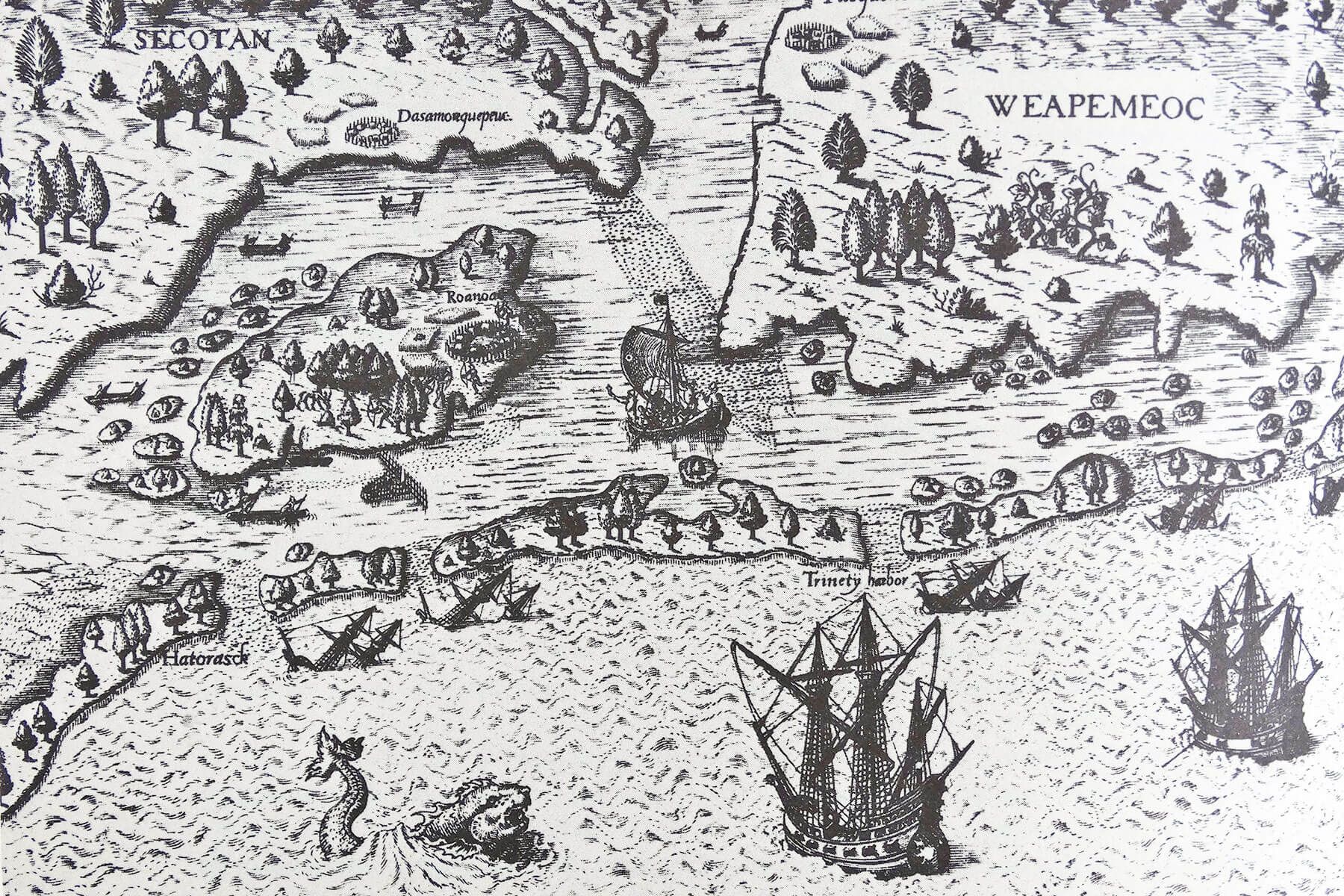
During the Elizabethan age, England took the first steps toward transforming from a small island nation into a global empire. British navigators made some of the first voyages to the New World during Elizabeth’s reign, and explorer Francis Drake’s voyages to the Americas gave England its first territorial claim in the Americas. Upon his return, Drake was knighted by Elizabeth herself on board his ship the Golden Hind. 

The queen also oversaw the establishment of England’s first colonies in the New World. The explorer Humphrey Gilbert claimed Newfoundland for Elizabeth, and Walter Raleigh established a British colony on the island of Roanoke near North Carolina. These early settlements marked the beginning of an era of colonial expansion that gave rise to the mighty British Empire, which at its peak in 1920 covered over 13 million square miles and was the largest empire the world has ever seen.

You may also like

Debunked: 5 Myths About Medieval Europe

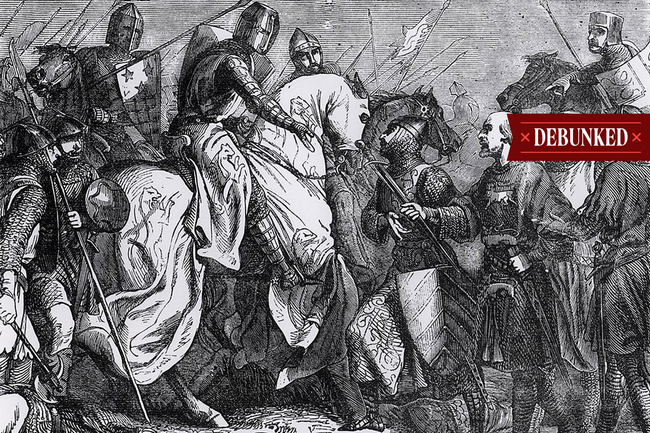
  • Henry III at the Battle of Lewes
Henry III at the Battle of Lewes
Credit: Culture Club / Contributor via Getty Images
Author Darren Orf

June 5, 2023

Love it?

Arguably no period in European history is as misunderstood as the Middle Ages, which stretched from the fall of the Western Roman Empire in the fifth century CE to the rise of the Renaissance roughly 1,000 years later. The myths surrounding this fascinating period of kingdoms and peasants are so prevalent that they led medieval historian Winston Black to write, “The first thing to understand about the Middle Ages… is that they do not actually exist.” The popular perception of life in feudal Europe (exacerbated by Hollywood depictions) is that it was prudish, brutish, and excessively foul, but society was far more advanced than these stereotypes would have us believe. Here, we shine a light on five of the most persistent myths surrounding Europe’s so-called “Dark Ages.”

Photo credit: Bettmann / Contributor via Getty Images

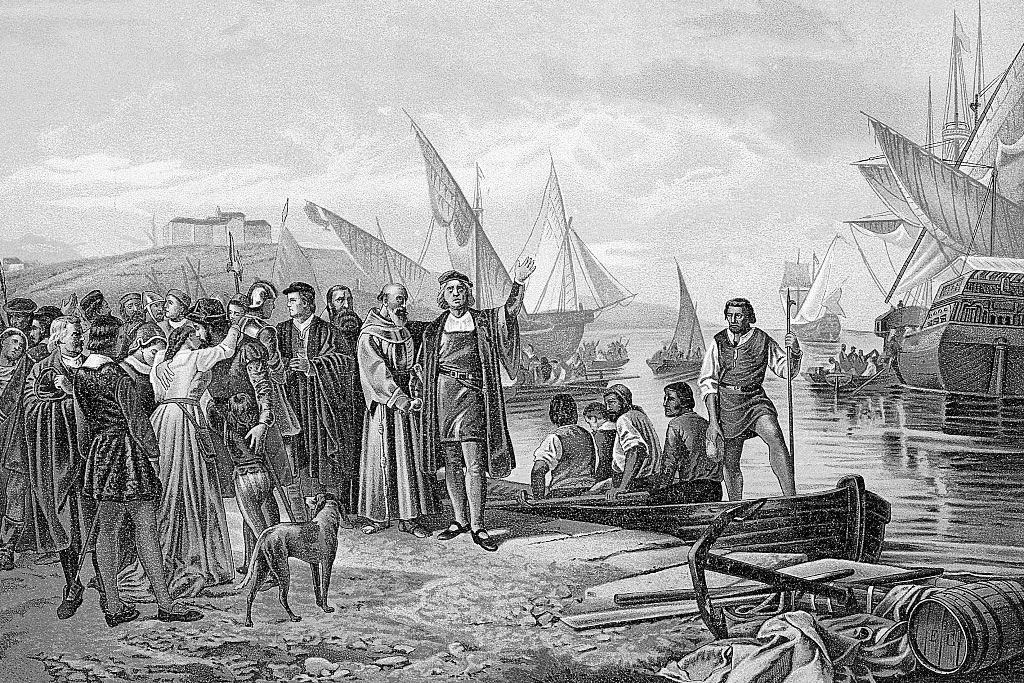
Myth: Medieval People Thought the World Was Flat

One of the most common myths about medieval society is that people widely believed the Earth was flat, but there’s no evidence that supports this. On the contrary, by the fifth or sixth century BCE, ancient Greeks (specifically Pythagoras) had already begun investigating the planet’s true spherical nature, and by 240 BCE, Greek mathematician Eratosthenes even measured the globe’s circumference (and was pretty dead-on). In fact, the popularity of the flat Earth myth is a considerably more modern development: The myth was perpetuated in 1828 when Washington Irving, who’s known for his inventive short stories, penned The Life and Voyages of Christopher Columbus, which told a tale of the Italian explorer’s mission to prove that the Earth has curves.

You may also like