



Why Do Clocks Move Clockwise?
If you grew up with an analog clock on the wall, you might remember learning that the “little hand” marked the hour and the “big hand” showed the minutes. And you probably never questioned why the hands moved in a particular direction — they simply turned “clockwise.”
But the familiar movement of a clock’s hands is a human invention influenced by geography and centuries of history. To understand why clocks move the direction they do, we have to look back to a time before clockmakers designed the gears and pendulums of our analog clocks — back to when people first started watching and recording the sun’s slow, predictable arc across the sky.
The Sun Set the Standard
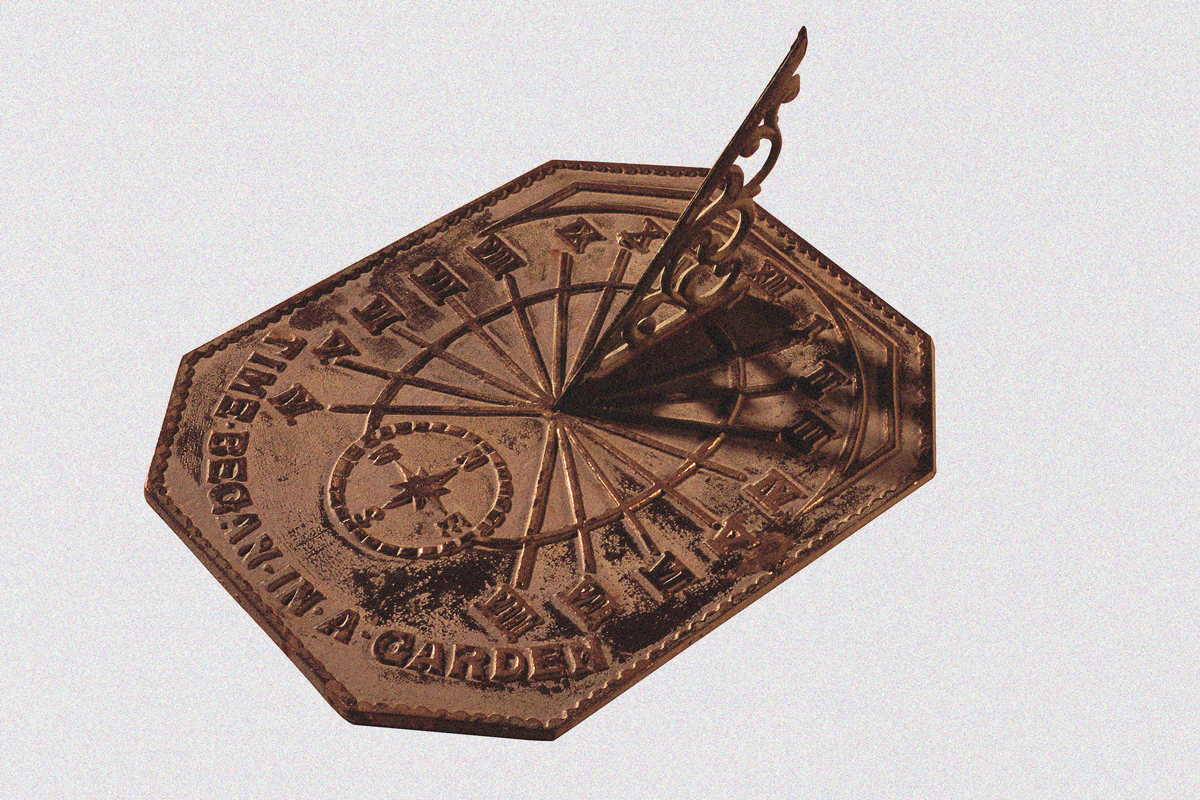
Long before mechanical clocks existed, people measured time by watching shadows. The earliest timekeeping tools — such as a simple vertical stick called a gnomon — were used in places such as ancient Egypt and Mesopotamia to track the sun’s movement.
In the Northern Hemisphere, the sun rises in the east, arcs across the southern sky, and sets in the west. As the sun moves, the shadow cast by a gnomon shifts in a predictable path: facing west in the morning, north around noon, and east in the evening.
However, the direction of movement depends on the type of sundial. On a horizontal sundial, the kind most familiar in Europe, the shadow moves in the same direction as the hands on a modern clock. On vertical, south-facing sundials, or at different latitudes, the shadow can move in the opposite direction, and its path changes slightly with the seasons. In the Southern Hemisphere, where the sun arcs across the northern sky, many sundials naturally produce what we would call a “counterclockwise” motion.
But mechanical clocks were first developed in regions where horizontal dials were common, and shadows created a consistent pattern as the sun moved east to west. This visual rhythm became the template for future timekeeping. When early European clockmakers began building mechanical clocks, they chose to replicate the familiar motion of the sundial shadow. That choice fixed the direction that became known as “clockwise.”
You may also like



More from our network





Mechanical Clocks Followed the Shadow
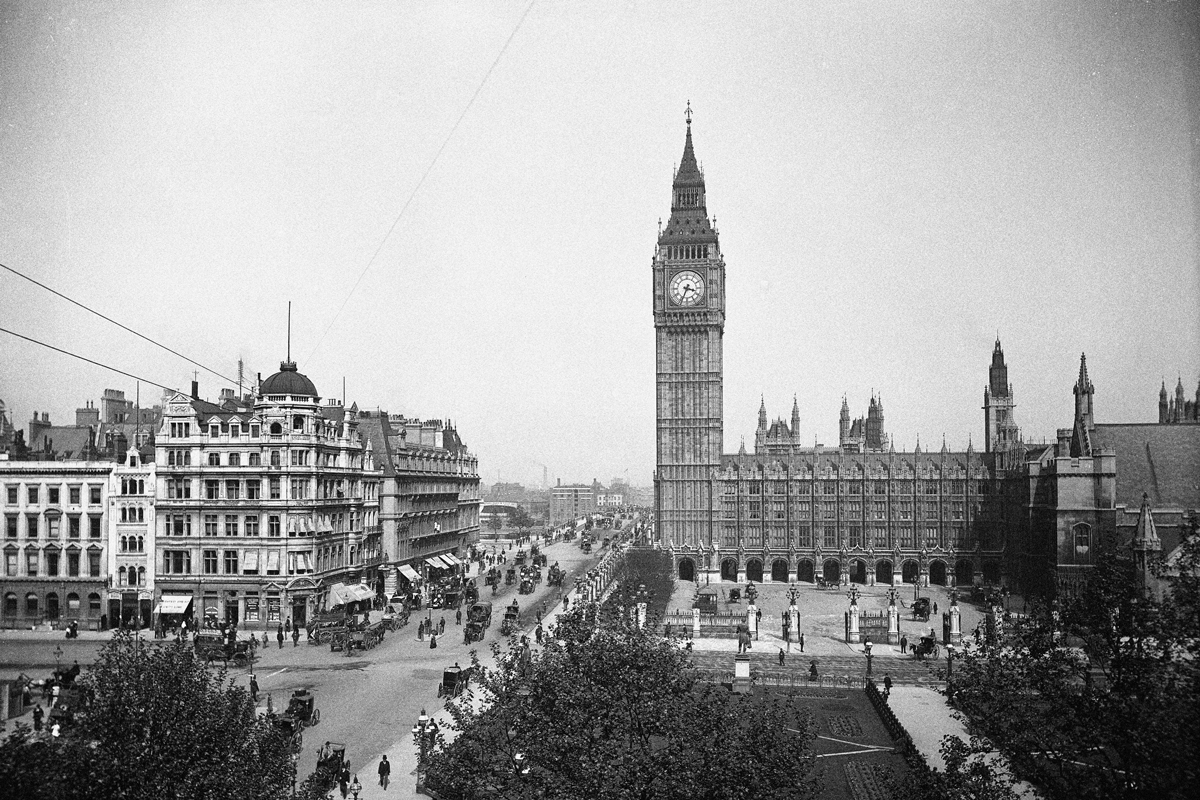
By the 13th and 14th centuries, large mechanical clocks were appearing in churches and town squares across Europe. These early machines were crude by modern standards — powered by falling weights and regulated by simple mechanics — but they represented a major shift in how time was represented, because timekeeping was no longer tied to sunlight. Clocks could run indoors and after dark, offering a way to keep time that was independent of the sky.
Yet despite their mechanical innovations, these devices inherited the sundial’s sense of rotation. Early clocks typically used a single hand for the hour, and that hand moved in the same direction people had watched shadows move for generations. The mechanism might have been new, but the visual representation of time was familiar.
As Europe became a center of mechanical clock innovation, these conventions spread. When clocks were adopted in regions where sundial shadows moved the opposite way, the European standard still dominated.
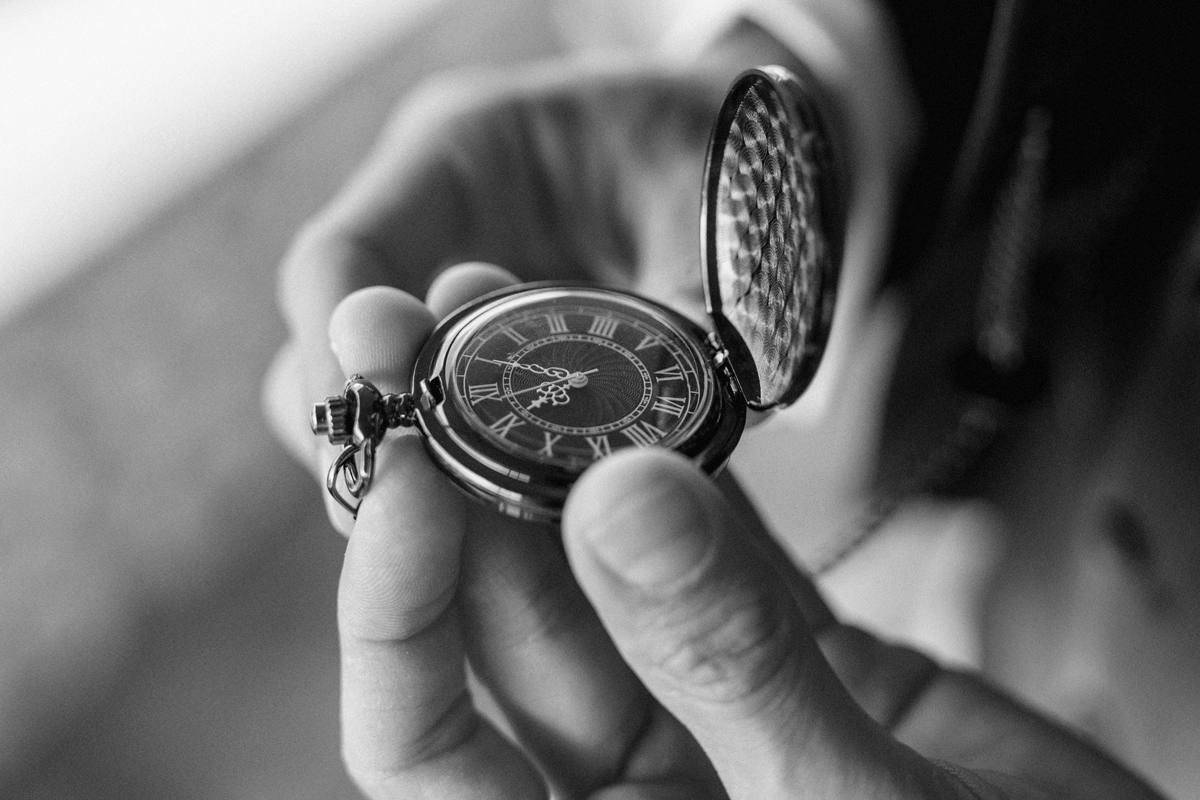
Portable Clocks Personalized Timekeeping
By the 16th century, timekeeping was no longer limited to public towers. Advances in spring-driven mechanisms allowed for smaller, portable clocks that became increasingly refined, making it possible for individual homes and businesses to keep track of the time. By the 18th century, timekeeping was even more personalized with the development of pocket watches, which grew in popularity as the Industrial Revolution progressed.
Watchmakers built their devices to match the familiar direction of tower clocks, which themselves echoed sundial motion. Even as designs improved — adding minute hands, then second hands, and increasingly accurate escapements — the direction of motion remained consistent. Clockwise became the established system across the growing global clockmaking industry.
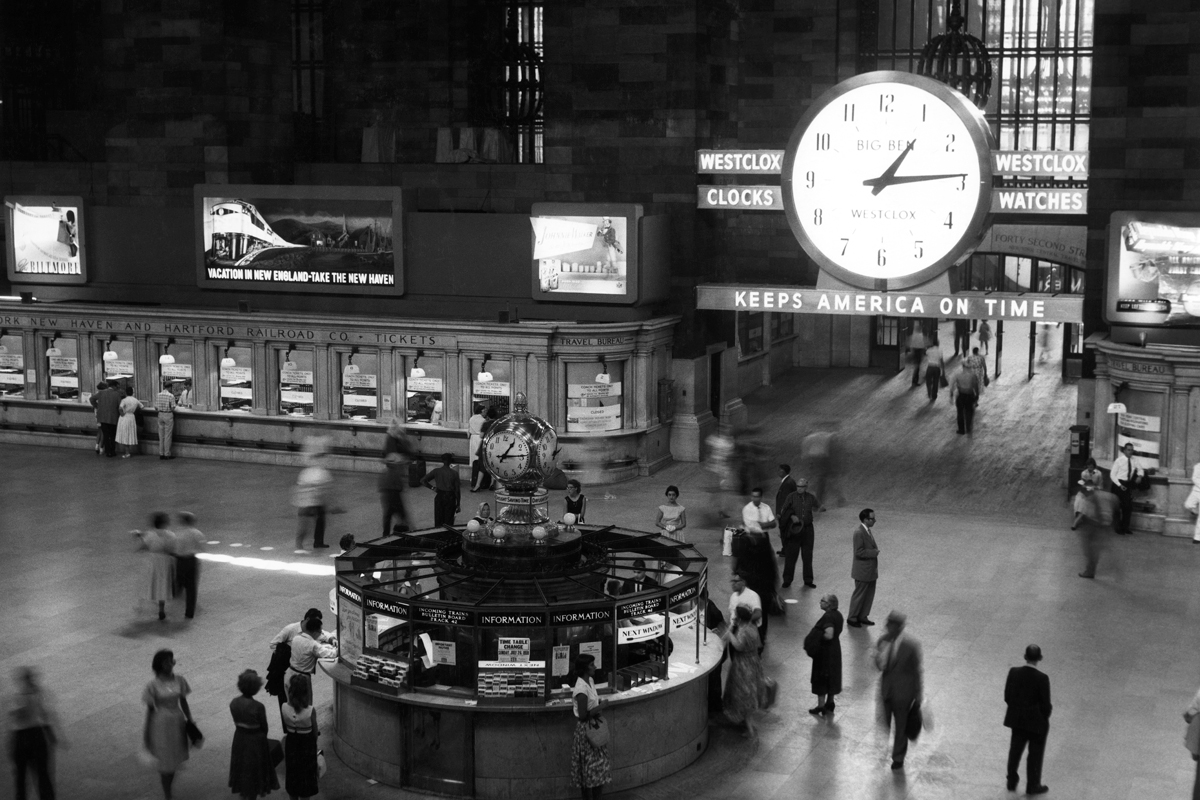
Industrialization Standardized Clocks
By the 19th century, the rise of industrial production, global trade, and expanding railroads created an urgent need for standardized timekeeping. Trains depended on coordinated schedules. Cities needed synchronized clocks. And manufacturers needed consistent designs.
As time zones were adopted and cities aligned their clocks, the sweep of the hands became even more standardized. Mass-produced wall clocks, factory whistles, station clocks, and schoolroom timepieces all reinforced the same familiar clockwise direction.

There Were Counterclockwise Clocks, Too
Over the centuries, counterclockwise clocks did appear here and there, though they remained rare. They were usually found in places where a local tradition of vertical sundials made the opposite motion feel natural. One famous example still exists today: the astronomical clock on the Old Town Hall in Prague. Its hands run counterclockwise, following the right-to-left direction of Hebrew script and echoing older local traditions. This unique timepiece shows how easily the convention could have developed differently.
While analog clocks have mostly been replaced by digital timekeeping, the familiar clockwise motion is now simply an artifact of Northern Hemisphere sundials and the fact that Europe became the birthplace of mechanical clocks. If clockmaking had first flourished south of the equator — where the sun’s shadows sweep the opposite way — our clocks, watches, and even our idea of what “forward” in time means might move counterclockwise instead.


