




Why Did Old Houses Have So Many Doors?
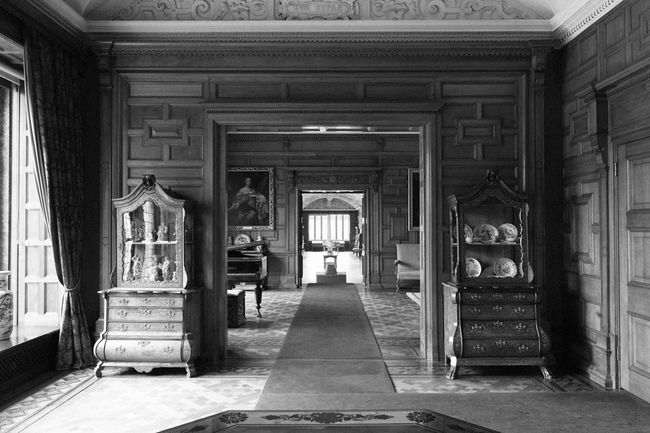
Since the 1950s, American architectural trends have tended to favor open-concept plans, with one room flowing into the next. But there was a time when the typical house didn’t open into one sweeping, uninterrupted space. Instead, it presented a series of thresholds — doors upon doors, each one leading to a room with its own function, level of privacy, or place in daily life.
You might remember visiting your grandparents’ home and noticing that certain doors were closed “to keep the heat in.” Or maybe your house had a swinging kitchen door that didn’t stay open, or the guest bedroom remained closed off from the rest of the house until company arrived. Here’s a look at why older houses had so many doors, and what all those separate rooms were for.
Rooms Had Specific Purposes
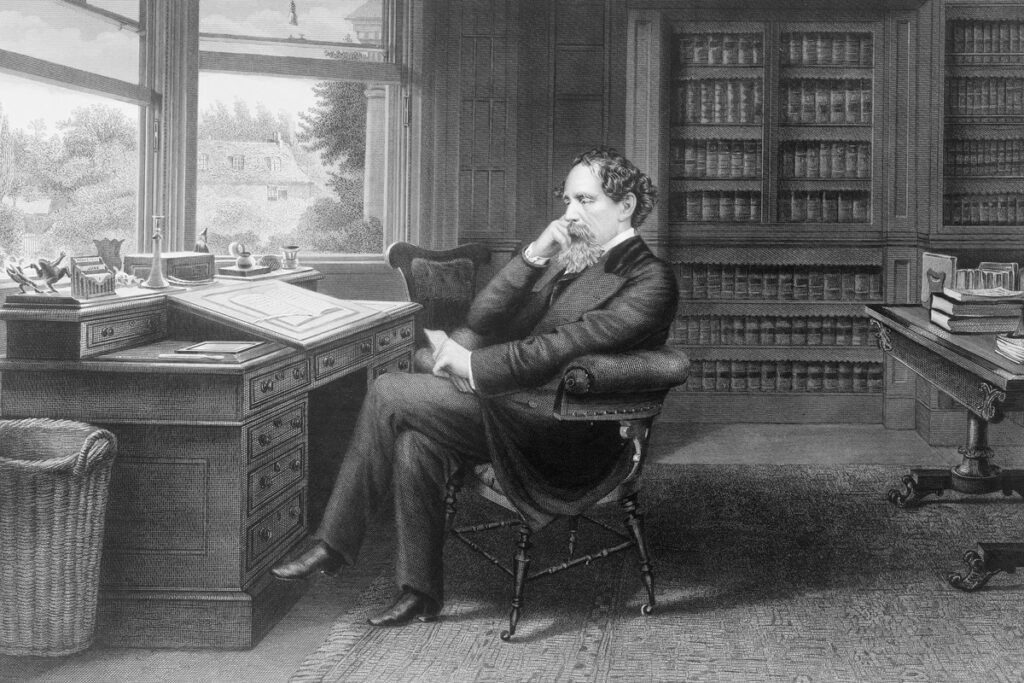
In older homes, rooms were expected to serve distinct functions, and doors helped reinforce those boundaries. A dining room was reserved for meals, a parlor was intended for receiving guests, and a study was for working or reading. Rather than blending activities together, houses were organized into separate spaces with clear expectations about how they would be used. In middle- and upper-class homes especially, maintaining these distinctions was often seen as a sign of order and respectability.
Doors created a sense of transition from one part of the household to another. Moving from the kitchen to the dining room or from a hallway into a formal parlor meant entering a space with a different purpose. The compartmentalized floor plans common before the mid-20th century reflected a belief that a well-run household functioned best when activities were kept separate.
More from our network





Hallways Changed Everything
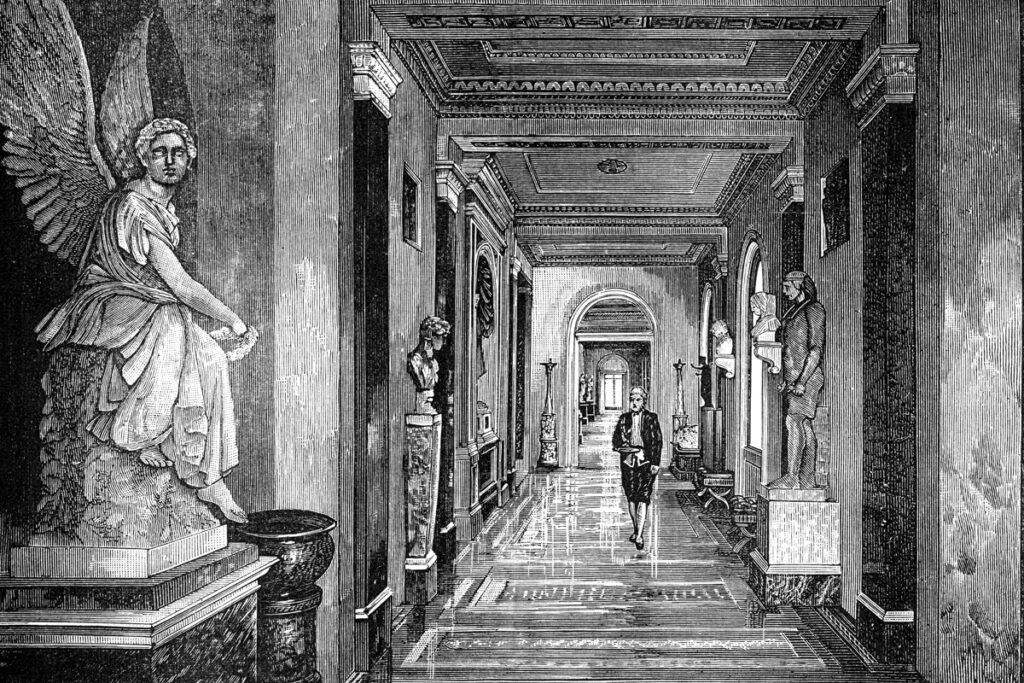
In many earlier homes, rooms were connected directly to one another, meaning people often had to pass through one space to reach the next. As hallways, or corridors, became more common in residential architecture during the 18th and 19th centuries, they created dedicated routes through the house and reduced the need to walk through rooms that were being actively used. This new layout helped separate private spaces from household traffic and made homes easier to navigate.
The growing use of hallways also increased the number of doors inside a home. Rather than a chain of interconnected rooms, houses could be organized around central halls with separate entrances to individual spaces. The arrangement allowed rooms to function more independently while giving occupants greater privacy and control over how different areas of the house were used.
Finding Privacy
As homes became more compartmentalized and hallways gave rooms their own entrances, families gained greater control over personal space. This became increasingly important as ideas about household privacy evolved during the 19th and early 20th centuries. Bedrooms, studies, and later indoor bathrooms were expected to provide a degree of separation from the rest of the household.
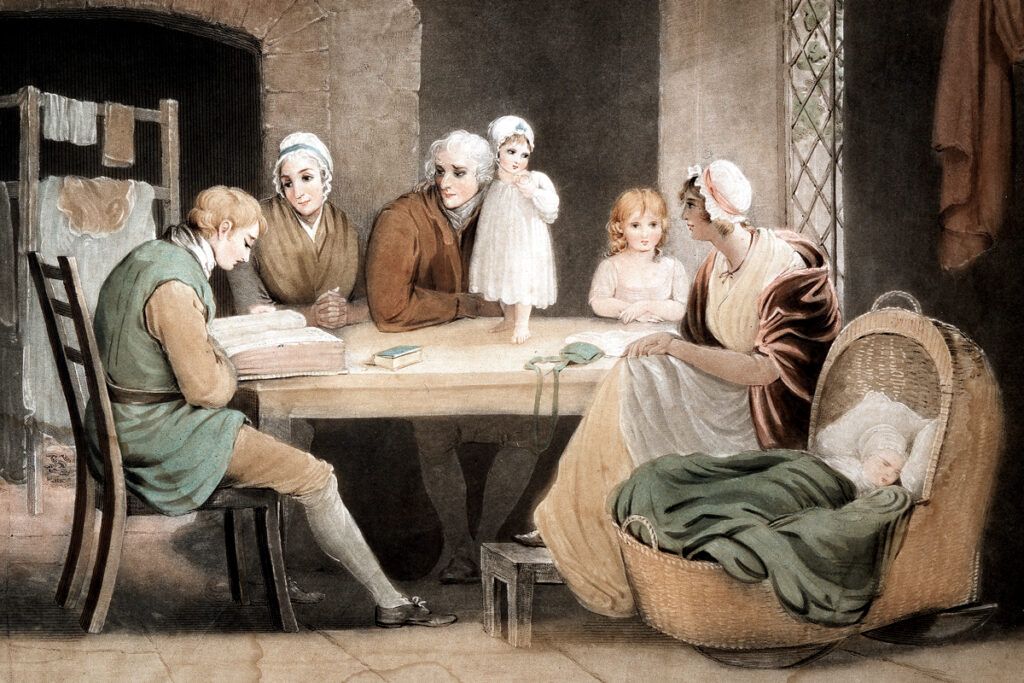
Older homes were often occupied by larger families, and personal space was not always easy to find. Multiple children frequently shared bedrooms, and several generations might live under the same roof. Doors provided a simple way to reduce noise, limit interruptions, and create moments of solitude within a busy household.
Heating One Room at a Time
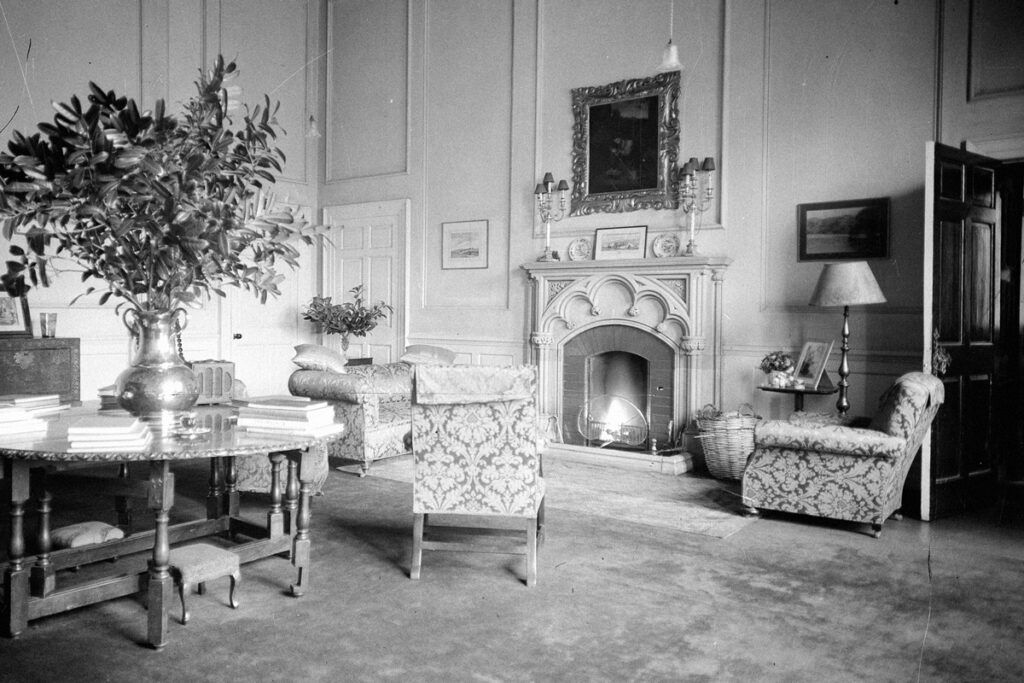
Before central heating became widespread, keeping a house warm required a very different approach. Many homes relied on fireplaces, wood stoves, coal stoves, or localized radiators, which heated individual rooms rather than the entire structure. Closing doors helped keep warmth where it was needed and prevented heat from drifting into unused areas. In colder climates, households often developed routines around which rooms would be heated and occupied during different times of the day.
This practical reality shaped the layout of houses for generations. During winter, families often spent most of their time in a few heated rooms while the rest of the house remained considerably cooler. Interior doors acted as simple but effective climate-control tools, helping households conserve fuel and maintain a more comfortable temperature. Long before programmable thermostats existed, a door was one of the easiest ways to control heat within the home.
Hiding the Kitchen
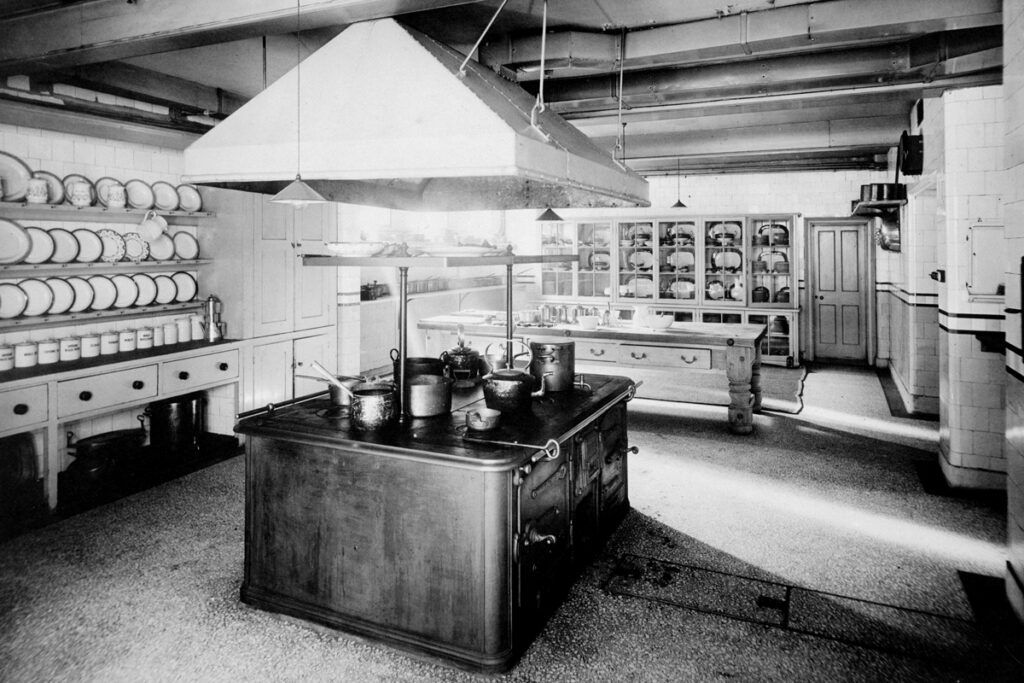
Today, kitchens are often designed as gathering spaces that open into great rooms or living rooms, but historically they were considered work areas that shouldn’t be seen. Preparing meals from scratch generated heat, smoke, noise, and strong cooking odors, making the kitchen one of the busiest and most demanding rooms in the house. For that reason, it was usually separated from formal living areas whenever possible. In many homes, keeping the kitchen out of sight was considered just as important as keeping its heat and smells contained.
Many kitchens had multiple doors serving different purposes. One might connect directly to the dining room for serving meals, while another led outside for deliveries, firewood, or access to gardens and outbuildings. These doorways helped keep household work moving efficiently while limiting the spread of heat, smells, and clutter into the rest of the home. Features such as swinging doors and butler’s pantries further reflected the desire to keep preparation and presentation separate.
Construction Methods
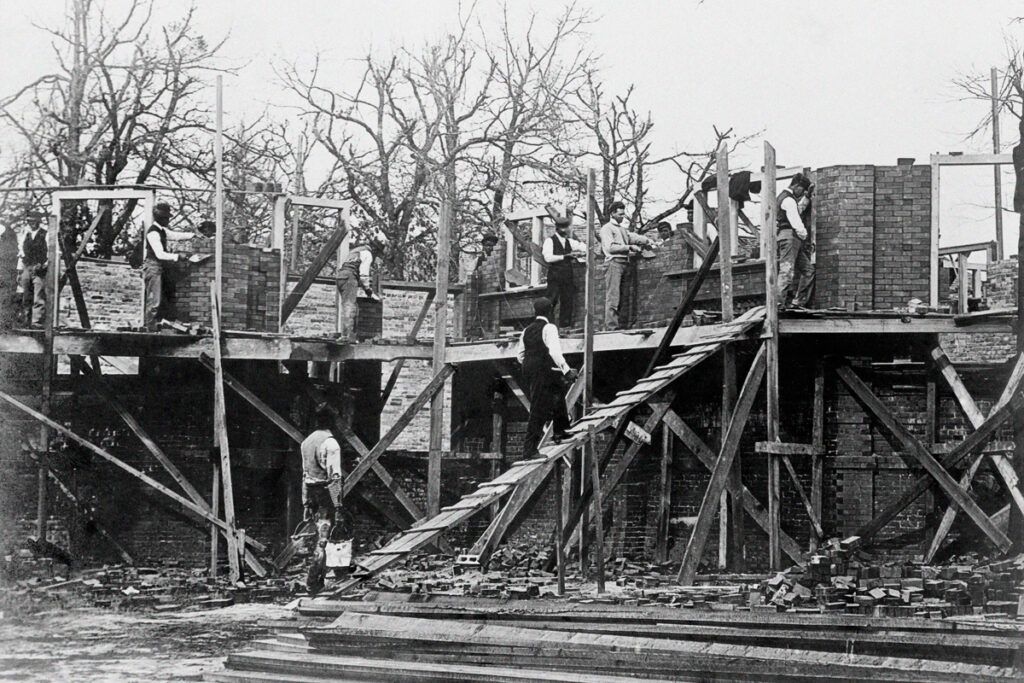
Traditional building techniques naturally encouraged houses to be divided into smaller rooms. Creating large, open spaces required longer structural spans and stronger support systems, which were more difficult and expensive to achieve with the materials available at the time. As a result, builders often relied on load-bearing walls to support upper floors and roofs. Those structural walls naturally broke homes into a series of smaller spaces connected by doors and hallways.
Once those walls were in place, adding doors was a practical way to connect rooms while preserving the structure of the house. The result was a floor plan filled with thresholds, hallways, and enclosed spaces. Only later, as steel beams, engineered lumber, and modern heating and cooling systems became common, did open-concept layouts become easier and more desirable to build. What appears unusual today was once simply the most practical way to construct a comfortable and durable home.


