




What Was the Medieval Version of a Coffee Shop?
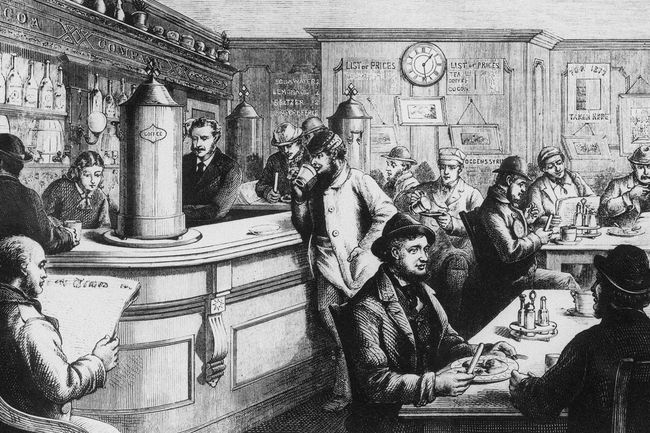
During the Middle Ages, there was no such thing as a coffee shop in Europe. Coffee itself was unknown in the region until the 17th century, long after the medieval period ended. But even without the stimulating effects of caffeine, people needed places to gather, trade news, and socialize. Medieval Europe had its own everyday gathering spots — places that served many of the same social roles coffee shops would later fill.
The World Before Coffee
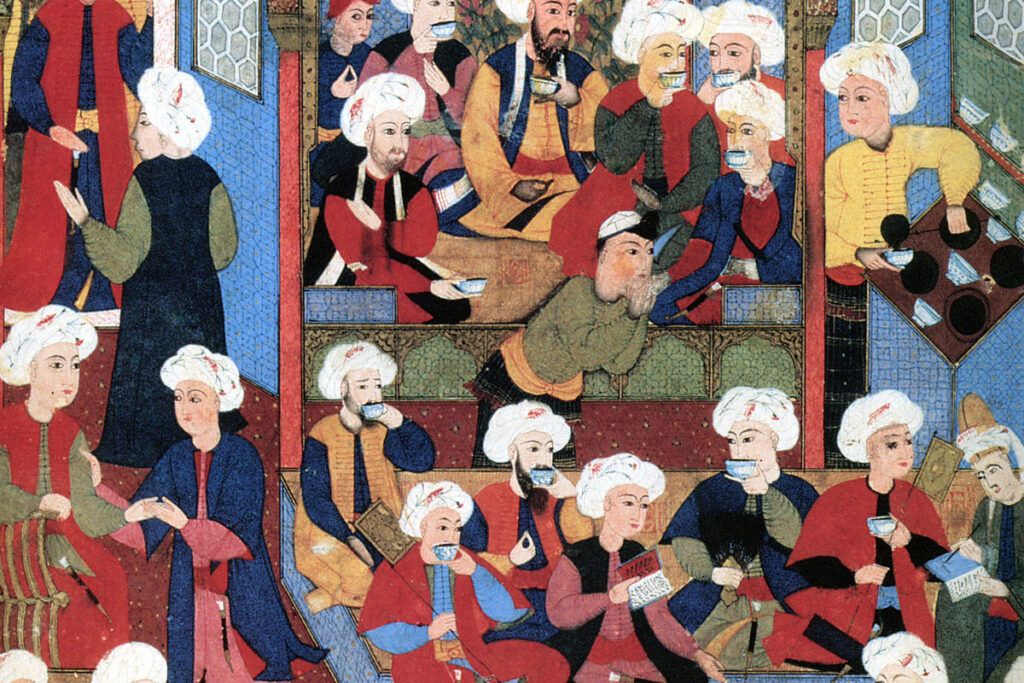
Coffee drinking as we know it today began in the 15th century in the Red Sea region (around Northeast Africa and the Arabian Peninsula), where beans were roasted, ground, and brewed into the earliest form of the drink. From there, coffee culture spread quickly throughout the Ottoman Empire (modern-day Turkey) during the 16th century.
Meanwhile, medieval Europe remained solidly a land of ale, wine, and mead. Water wasn’t always safe, alcohol was an everyday beverage, and caffeine had not yet entered the scene (tea arrived around the same time as coffee, in the 17th century).
In this context, the medieval equivalent of a coffee shop was defined less by people’s beverage choices and more by their habits. Folks needed warm interiors, shared tables, and a sense of community, and they got those things from familiar establishments with very different menus.
More from our network





Where Medieval People Gathered
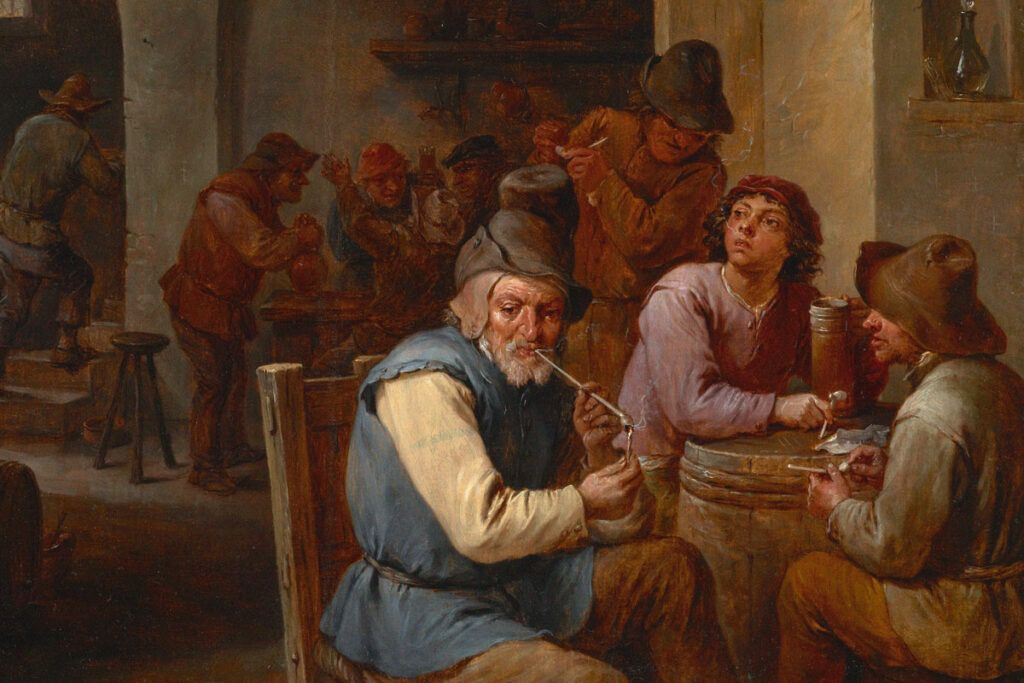
Taverns and inns were the primary social hubs of medieval towns. Travelers stopped for food and lodging; locals came to talk business, catch up on gossip, and share a drink. Alehouses were more modest and more widespread (as well as somewhat more likely to let women inside). They catered to the working classes, were often run out of someone’s home, and offered a cheap place to sit, drink, and socialize.
Bathhouses also served a social role in many urban centers, particularly in Central and Northern Europe. While we might think of them mainly as hygiene sites today, medieval bathhouses were lively social spaces where people lingered for hours to relax, eat, chat, and transact business. (Sometimes they were also places for medical and dental care.) In the absence of coffee, these were Europe’s third places — a mix of pub, café, and community center.
The First Coffeehouses
The first true coffeehouses emerged not in Europe but across the Islamic world, where alcohol was forbidden. These kaveh kanes offered patrons a place to sip coffee, play games, hear storytellers, and debate politics. They quickly became centers of urban life. However, their egalitarian structure — any man could buy a cup — worried rulers, and coffeehouses were periodically banned in the Ottoman Empire for encouraging political talk and potential dissent.
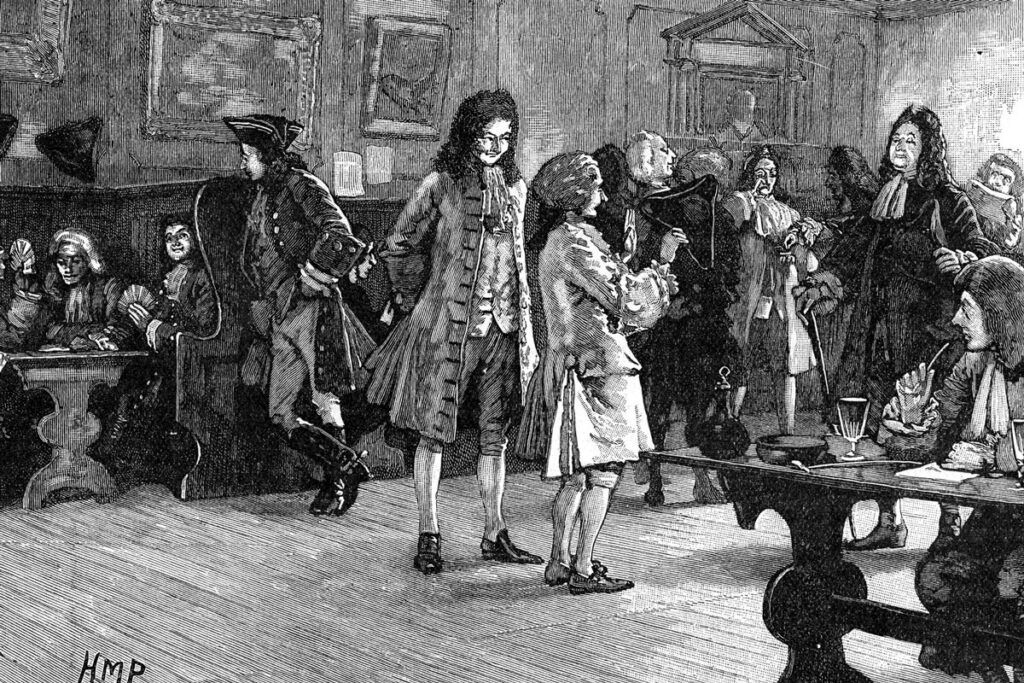
Despite these crackdowns, the concept spread. Europe’s first coffeehouses appeared in the 17th century: Venice in 1629, Oxford in 1650, and London in 1652. Soon after that, the establishments caught on in the English provinces and beyond. These new spaces took many cues from older public houses but offered important differences. They were quieter than taverns, served stimulating rather than intoxicating drinks, and encouraged news consumption and discussion. The English coffeehouse became known in Oxford as the “penny university,” where the price of a cup granted access to the news of the day and lively, sober debate.
By the late 17th century, coffeehouses had embedded themselves in European urban culture. They often served the functions of today’s office, including mailroom, board room, and desk space. Paris’ Café Procope became a favorite of Enlightenment thinkers. London coffeehouses helped birth major institutions such as Lloyd’s of London (originally Lloyd’s Coffee House), Christie’s, Sotheby’s, and even the stock exchange. Newspapers and pamphlets covered communal tables, and customers gathered to read, write, and argue.
By the 18th and 19th centuries, European interest shifted between coffee, tea, and newer social venues (such as private member’s clubs and cheap bars), but the coffeehouse model endured. It revived in new forms in the 20th century — from beatnik dens to Italian American cafés — and reshaped itself again with the rise of specialty drinks, free Wi-Fi, and laptop culture.
But the idea behind all these spaces remains much older. Long before coffee reached Europe, medieval people already knew the value of places where strangers could become neighbors. Their taverns, alehouses, and bathhouses weren’t coffee shops in the literal sense, but they filled the same human need for warmth, company, and conversation.


