




Napoleon almost wasn’t French.
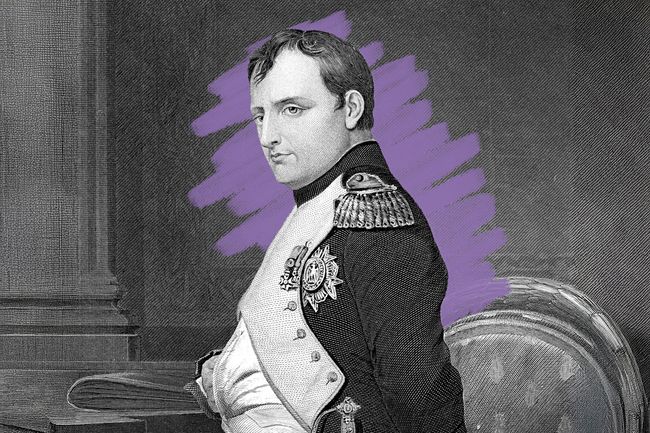
Napoleon Bonaparte is one of France’s most famous figures, but at birth, his identity was far less straightforward. He entered the world as Napoleone di Buonaparte on August 15, 1769, in Ajaccio, the capital of the Mediterranean island of Corsica. At the time, France had only just acquired the island from Genoa the previous year, after 500 years of Genoese control. In practical terms, Napoleon was born into a place that had only just become French — and didn’t yet fully feel it.
Corsica itself had long been shaped by Italian influence, and that cultural imprint was evident in Napoleon’s family, language, and name. French was not his first language (it was a local dialect similar to Italian), and as a young man, he was more interested in Corsican politics than in France’s future. That outsider status became even clearer when he was sent to mainland France for school. There, classmates mocked his accent and made fun of his name.
Napoleon’s transformation came later. After the French Revolution, he aligned himself with France’s new political order and began reshaping his identity along with it. He dropped the more Italian-sounding elements of his name and became “Napoleon Bonaparte,” a figure who would rise through the French army and eventually rule the country. In retrospect, it’s striking that the leader who came to embody France was born at the margins of it — culturally, linguistically, and politically.


