




Machu Picchu is younger than Notre-Dame Cathedral.
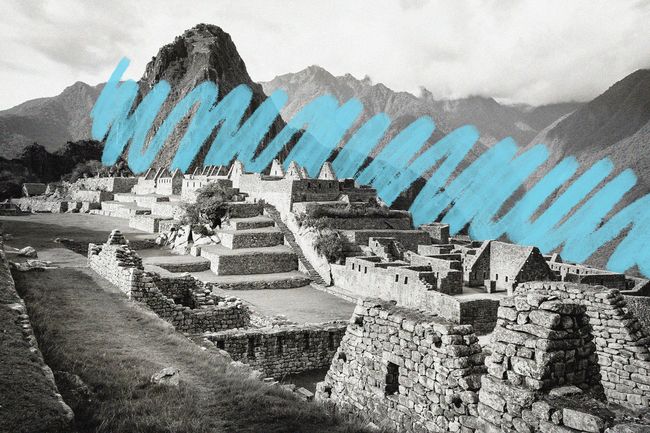
Perched high in the Andes, Machu Picchu feels like a relic from the deep past — a lost city swallowed by clouds and time. But despite its ancient aura, it’s actually younger than one of Europe’s most famous medieval landmarks: Notre-Dame Cathedral.
Construction on Notre-Dame began in 1163, and the cathedral rose over the next two centuries into a defining example of Gothic architecture. By the time it was finished around 1345, it had already become a centerpiece of Parisian religious and civic life.
Machu Picchu, by contrast, dates to the height of the Inca Empire in the 15th century, likely built as a royal estate for the emperor Pachacuti. For decades, historians placed its construction around 1450, but newer research using radiocarbon dating suggests the site may have been occupied as early as the 1420s (and possibly even a little earlier, as scientists continue refining the timeline). Still, Notre-Dame stood for centuries before it.
The comparison highlights two very different historical trajectories. While European builders were perfecting cathedral construction in the Late Middle Ages, the Inca were developing their own sophisticated architectural traditions in the Andes, shaping stone so precisely that structures could stand without mortar. But eventually, Machu Picchu was abandoned around the time of the Spanish conquest in the 16th century.


