


Ernest Hemingway preferred to write standing up.

  • Hemingway’s office space
Hemingway's office space
Annie Lang/ Unsplash
Author Michael Nordine

October 16, 2023

Love it?

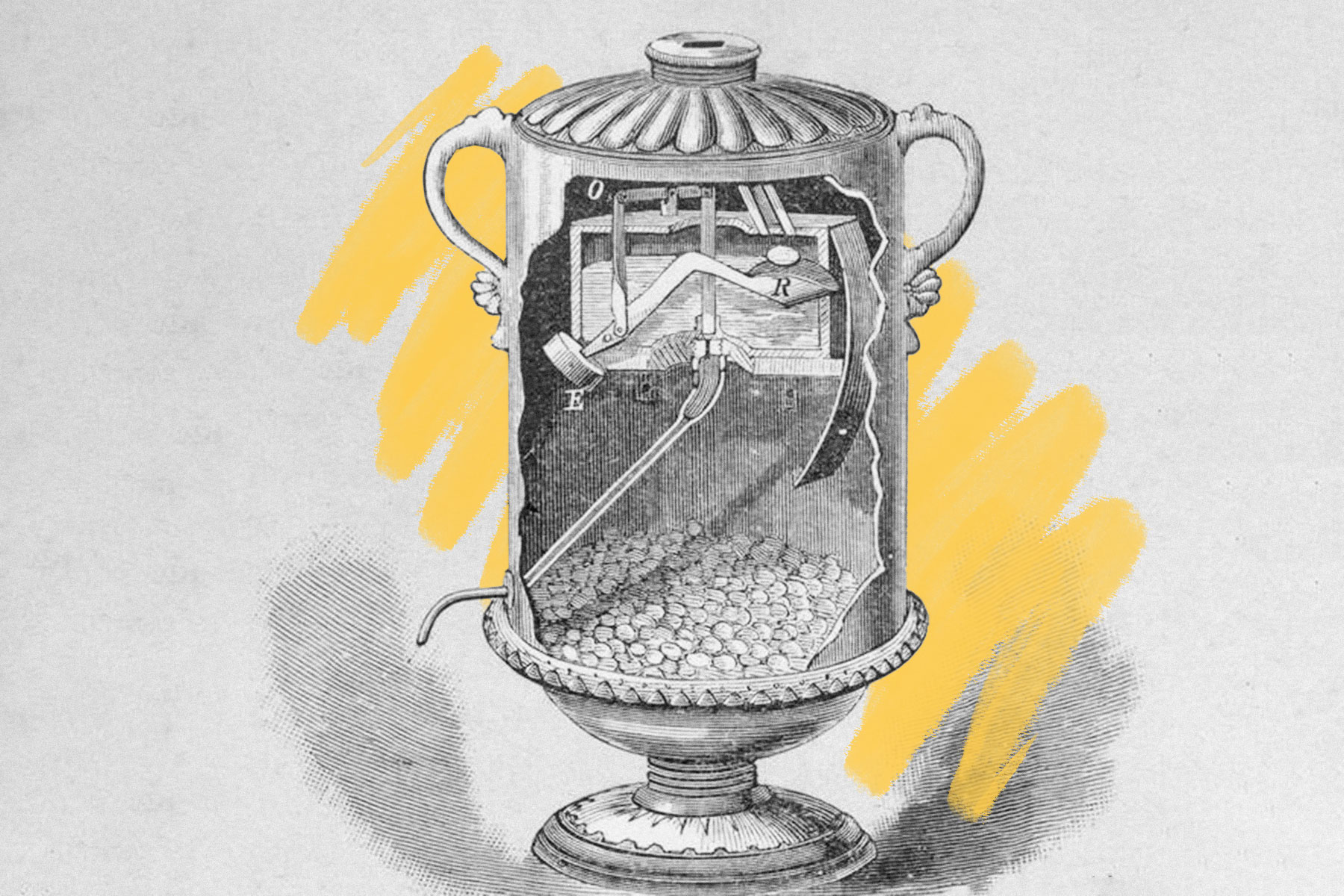
Every writer has their own routine, and it’s little surprise that Ernest Hemingway’s was as idiosyncratic as he was. The scribe behind A Farewell to Arms and The Sun Also Rises preferred to write in the morning, and did so standing up. This was “a working habit he has had from the beginning,” according to The Paris Review, and he might have picked up the habit from his editor, Maxwell Perkins. Though Hemingway preferred pencil, he turned to a tape recorder when he needed to get something down especially quickly, such as dialogue: “When the people are talking, I can hardly write it fast enough or keep up with it,” he told The New Yorker in 1950.

That was usually the second phase of his process. The first was often a rush marked by “paucity of punctuation, very few capitals, and often the period marked with an x,” as well as a daily word count, which The Paris Review marked as ranging from 450 on a slow day to 1,250 on an especially productive one. (These were usually followed by a full day of fishing, one of the writer’s lifelong pastimes.) That process yielded seven novels, two books of nonfiction, and six short story collections throughout Hemingway’s life, with several other works published posthumously. He won the Pulitzer Prize for fiction for The Old Man and the Sea in 1953 and the Nobel Prize in literature the following year, the latter for “his mastery of the art of narrative, most recently demonstrated in The Old Man and the Sea, and for the influence that he has exerted on contemporary style.”

In 1865, a single chord changed Western music forever.

  • “Tristan und Isolde” premier, 1865
"Tristan und Isolde" premier, 1865
Credit: INTERFOTO/ Alamy Stock Photo
Author Michael Nordine

November 14, 2024

Love it?

Even if you haven’t heard of the Tristan chord, you’ve likely heard the sound itself. It was introduced to audiences on June 10, 1865, when Richard Wagner’s opera Tristan und Isolde premiered at the National Theatre in Munich, Germany, and its unconventional tonality went on to transform Western music.

The augmented sixth chord (F, B, D#, G#) is fairly simple in and of itself, but subverted the long-standing musical tradition of a dissonant chord quickly being resolved. In the case of Tristan und Isolde, a tragedy about two doomed lovers, that would have been too easy. Instead, the unresolved tension of the chord reflects the sense of longing and yearning seen throughout the plot. The tonally ambiguous chord opens the opera, and it isn’t resolved until the end of the nearly four-hour performance, when the sad story itself concludes.

To call this groundbreaking would be putting it lightly. The augmented sixth chord had been used by such luminaries as Mozart and Beethoven before, but had always quickly been resolved. Wagner, in keeping with his characters’ deep pain, chose to delay that resolution. This influenced later composers such as Claude Debussy, Arnold Schoenberg, and Alexander Scriabin, all of whom went on to influence generations of composers themselves, and the Tristan chord is still being analyzed today.

Palm trees were a symbol of victory in ancient Rome.

  • Ancient Rome palm trees
Ancient Rome palm trees
Nastasic/ iStock
Author Darren Orf

October 14, 2023

Love it?

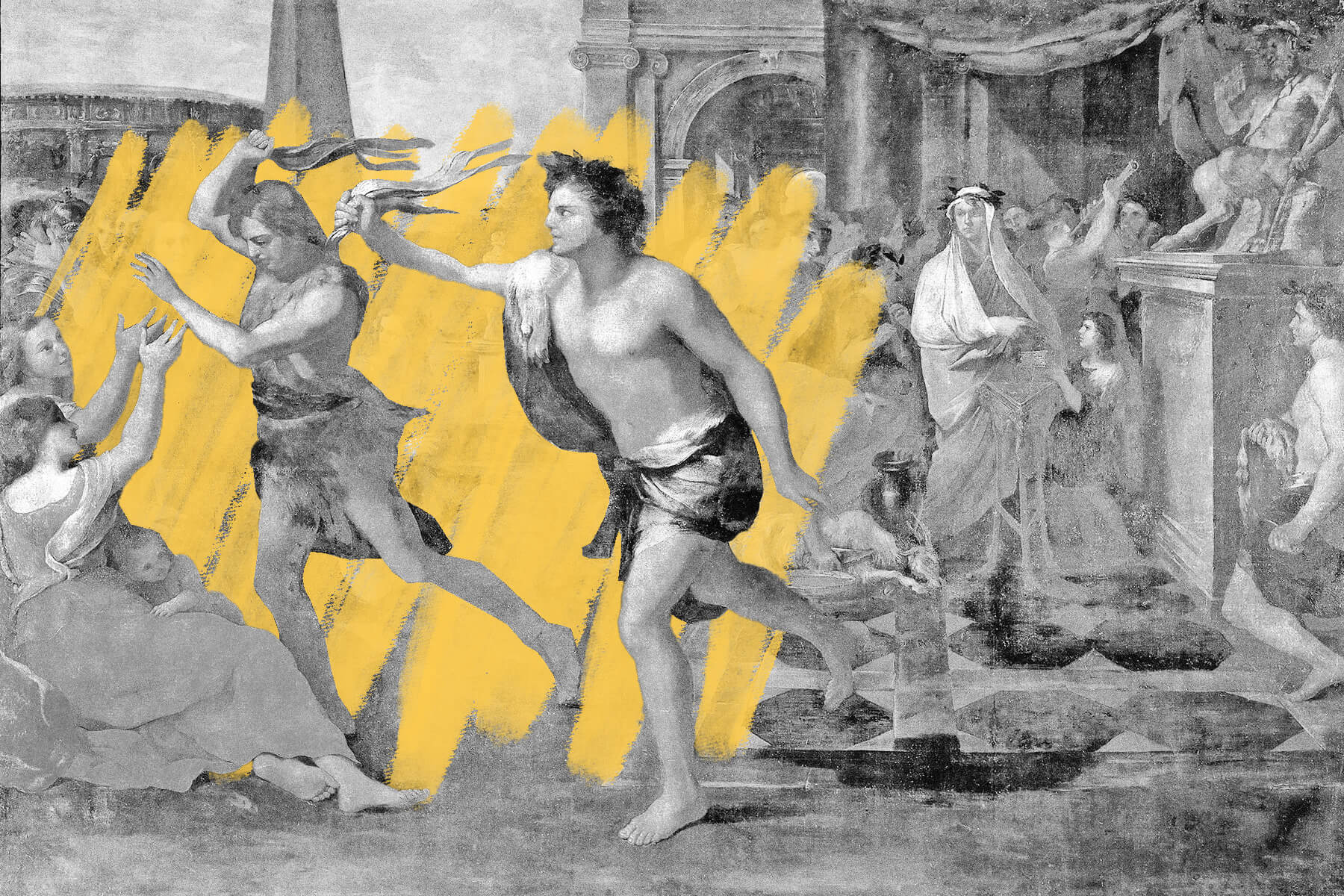
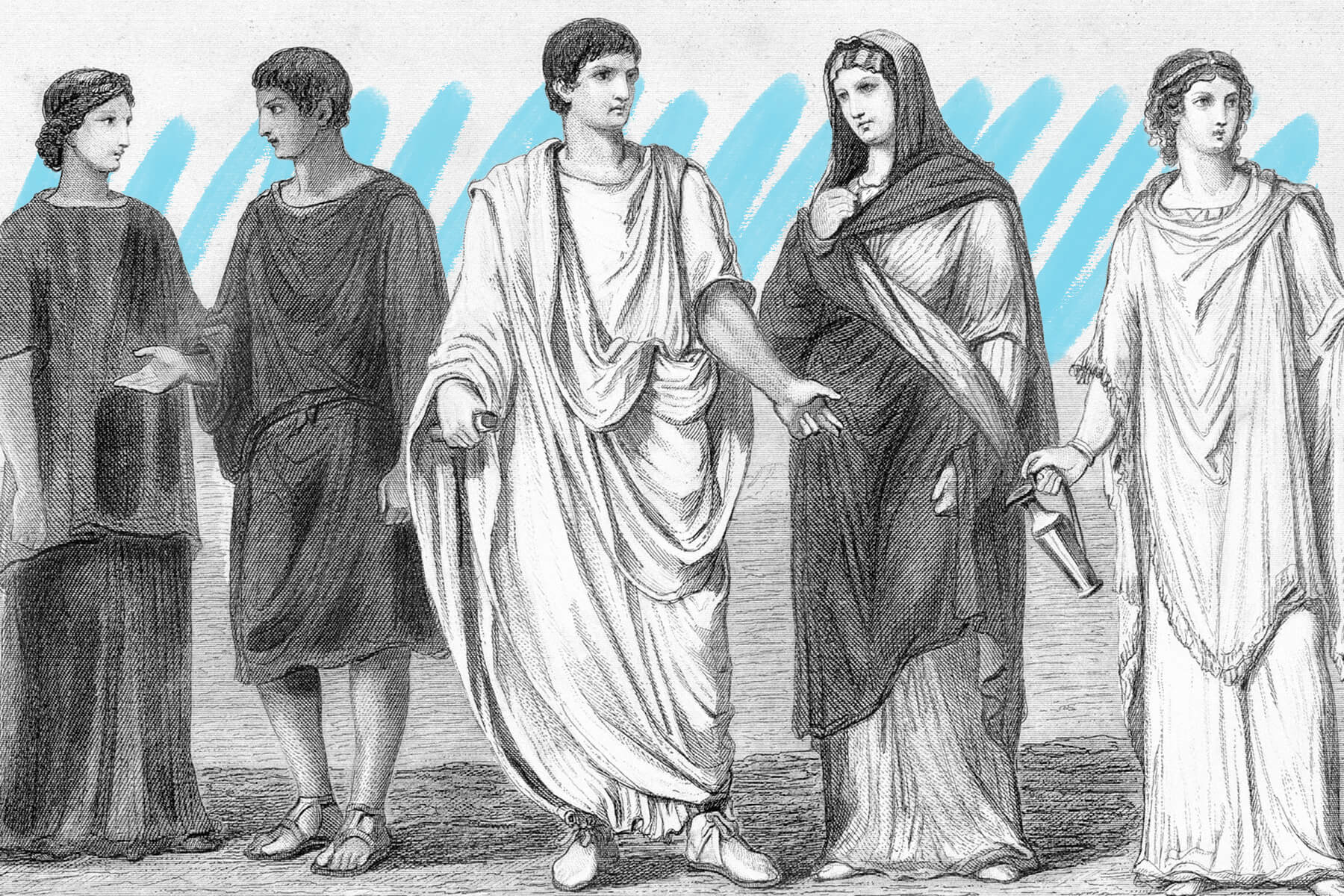
If there’s one thing ancient Rome is known for, it’s victory. First as a republic and then as an empire, Rome ruled the Mediterranean thanks to an impressive military winning streak. Centuries of overwhelming victories (with a few notable losses in the mix) eventually stretched Rome’s reach from the British Isles to the Middle East. Romans often marked these achievements with celebrations festooned with fronds from a date palm (Phoenix dactylifera). In fact, the palm trees (which, fun fact, are not actually trees) were so closely associated with victory, the Latin word “palma is essentially a metonym for the word “victory.” In the Roman Republic (509 BCE to 27 BCE), victorious military leaders wore tunics known as “tunica palmata” during triumphs (massive military parades). Palms weren’t only a martial symbol; they were also given to victorious athletes, and Roman lawyers were known to affix palm fronds to their front doors when they won a case in the forum. 

Historical evidence suggests palms were first associated with athletic victory in ancient Greece, and became incorporated into Roman culture around 293 BCE. Palms can be spotted in a variety of Roman art, pottery, and coinage, and were also an early symbol of Christianity, which originally developed within Rome’s borders. Similar to its association with victory, the plant was an emblem for martyrdom, which was perceived as victory over sin and death in the early Christian faith. In fact, some 2,000 years later, the religion still celebrates Palm Sunday to mark Jesus’ entry into Jerusalem days before his crucifixion, viewed by some as the ultimate victory over death. 

Marie Curie donated her Nobel Prize to the WWI war effort.

  • Marie Curie monument
Marie Curie monument
Marcin S. Sadurski/ Alamy Stock Photo
Author Adam Levine

October 13, 2023

Love it?

During her legendary career as a physicist and chemist studying radioactivity, Marie Curie won the Nobel Prize twice: once in physics in 1903, an award she shared with her husband Pierre and their colleague Henri Becquerel, and once in chemistry in 1911. When World War I broke out across Europe, Curie decided that she would use her prize to assist the war effort. She offered to donate the gold from her two medals to be melted down, but the French National Bank refused to accept the offer. Instead, Curie used most of the prize money she had received to purchase French war bonds.

The scientist’s contributions to the war effort didn’t stop there. She also used her expertise in radiology to develop mobile X-ray vans, which she and dozens of trained women, including her daughter and future Nobel winner Irène Curie, used to treat wounded soldiers. Curie’s mobile X-rays were a crucial innovation: Though X-ray machines were becoming commonplace in French hospitals, they were often far from the battlefield and too complex to carry in combat. The X-ray vans, nicknamed “little Curies,” were equipped with machines that could locate shrapnel and broken bones in wounded soldiers, and provide them with more immediate medical care.

Pangaea wasn’t the only supercontinent.

  • Supercontinent Rodinia
Supercontinent Rodinia
Credit: Ianm35/ iStock
Author Michael Nordine

November 14, 2024

Love it?

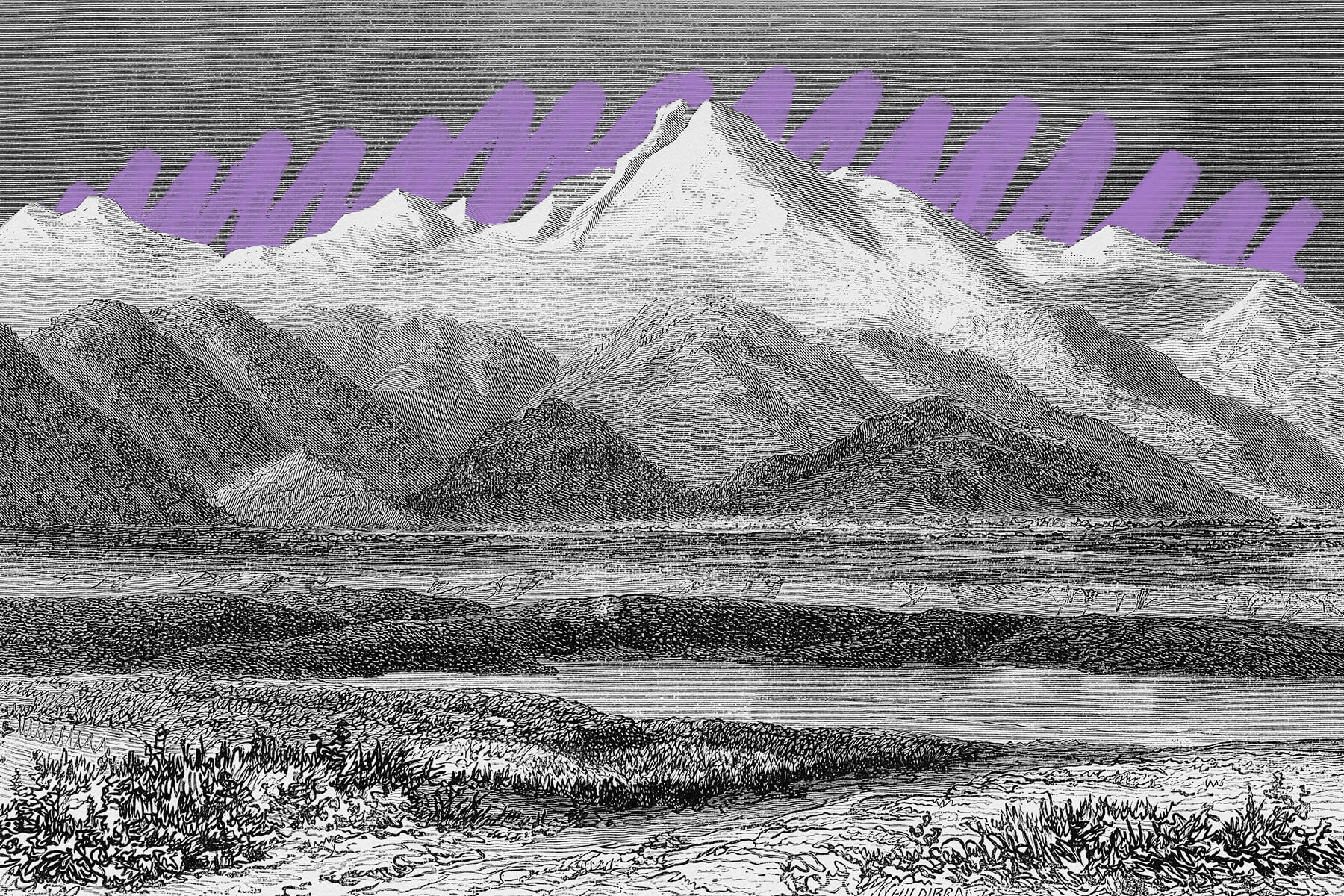
Despite breaking apart into the seven continents we know and love around 200 million years ago, Pangaea remains fairly well known long after its heyday. Less well known is the fact that it wasn’t the only supercontinent in Earth’s history. Pangaea was preceded by at least one other: Rodinia, which formed about 1.3 billion years ago and separated 750 million years ago. There was also the relatively short-lived Pannotia, which was here for about 50 million years beginning 600 million years ago, though there’s debate as to whether its landmasses ever fully formed into a single continent.

A number of other supercontinents may also have existed, including Gondwana (likely the best known), as well as Atlantica and Vaalbara, which remain disputed due to a lack of evidence. Some consider these megacontinents instead, which are smaller — the conventional definition of a supercontinent is a landmass consisting of at least 75% of the planet’s continental crust. Pangaea formed between 320 million and 195 million years ago due to plate tectonics — an incredibly slow process that shifts the Earth’s surface over the course of hundreds of millions of years — and broke apart for the same reason. This is also why North America, South America, Europe, Asia, Africa, Australia, and Antarctica won’t be here forever, with several continents likely to merge, but we probably won’t have to update our maps anytime soon.

“Sense and Sensibility” was originally credited as being written “By a Lady.”

  • “Sense and Sensibility”
"Sense and Sensibility"
gbimages/ Alamy Stock Photo
Author Nicole Villeneuve

October 11, 2023

Love it?

Even though Sense and Sensibility now ranks as one of the most beloved novels in English literature — and Jane Austen as one of the most famous writers of all time — the book’s first edition, released as three volumes in 1811, was originally published without the author’s name. During the time Austen lived and wrote, it was common for women to use pseudonyms or publish anonymously, and Sense and Sensibility was credited as being written simply “By a Lady” on the title page. 

Growing up in the village of Steventon in Hampshire, England, Austen took measures to hide her beloved writing hobby from society, even though her family encouraged her from a young age. Her father believed in her talent and, early on, tried — but failed — to secure a publisher for the manuscript that eventually became Pride and Prejudice. When Austen was about 19 years old, she began working on Elinor and Marianne, a novel about the lives and romantic pursuits of the Dashwood sisters. Austen eventually renamed the completed manuscript Sense and Sensibility, and in 1810, Thomas Egerton of London’s Military Library publishing house agreed to publish it.

The book was a big success, selling out its first print run in less than two years. Yet Austen’s next novel, Pride and Prejudice, was also published without her name: It was credited as “By the author of Sense and Sensibility.” Although by that point her identity had already become an open secret among those in the know, Jane Austen’s name didn’t appear on any of her books until after her death.

Basketball was originally played with a soccer ball.

  • James Naismith with ball
James Naismith with ball
Historic Collection/ Alamy Stock Photo
Author Bennett Kleinman

October 11, 2023

Love it?

Long before bright orange basketballs made their way onto NBA courts, the earliest basketball games were played using soccer balls. Basketball was invented in 1891 by James Naismith, a physical education teacher at the International YMCA Training School in Springfield, Massachusetts, who sought to create a new indoor activity that could be played by students during the winter months. Naismith asked the school’s janitor to fetch him two 18-square-inch boxes for “goals,” but the janitor returned with two peach baskets instead. Naismith nailed those baskets to the railing of the gymnasium balcony, which happened to be 10 feet off the ground (this is why official NBA hoops measure 10 feet high today). After Naismith procured a soccer ball, as basketballs of course didn’t exist yet, the new game was ready to be played.

The original version of basketball followed a list of 13 rules regarding fouls and ball movement. Players were required to remain stationary when in possession of the ball, as continuous dribbling wasn’t instituted until 1909. The game featured nine players per side and was divided into 15-minute halves. Naismith also enlisted the help of two men to retrieve the ball from the baskets at each end, as holes weren’t cut into the bottom of the baskets until years later. The game proved extremely popular, and the first official basketball was developed by the sports equipment company Spalding in 1894. The new sport led to the creation of the National Basketball League in 1937 and the Basketball Association of America in 1946, which merged to form the National Basketball Association in 1949.

Nine cities have served as America’s capital.

  • U.S. Capitol in Washington, D.C.
U.S. Capitol in Washington, D.C.
Credit: Nastasic/ iStock
Author Bennett Kleinman

November 7, 2024

Love it?

From 1776 to 1800, the United States capital bounced around between nine different cities. This frequent relocation was due to a mix of safety concerns amid the American Revolutionary War and a lack of a bureaucratic infrastructure in one centralized place. Philadelphia served as the nation’s first capital (at the time, the capital was considered to be the city where Congress met and enacted legislation) after the adoption of the Declaration of Independence on July 4, 1776. But due to safety concerns regarding a potential British attack on the city, Congress relocated to Baltimore, Maryland, on December 20, 1776, and the seat of government remained there for just over two months. 

Congress returned to Philadelphia in March 1777, but fled once again due to the British occupation of the city that September. Delegates retreated further into Pennsylvania, settling in Lancaster for a single day on September 27, 1777, and then moving to York. After the British army departed Philadelphia in June 1778, the capital returned to the city for roughly five years. But during the Pennsylvania Mutiny of 1783 (an uprising of soldiers over unpaid wages), Congress vacated Philly in June and headed to Princeton, New Jersey. Future relocations took Congress into the Maryland State House in Annapolis, then to Trenton, New Jersey, followed by New York City. In July 1790, the Residence Act was signed into law, establishing Washington, D.C., as the nation’s official capital. It also reestablished Philadelphia as a temporary capital until the city of D.C. was further developed and the proposed Capitol building was complete. Congress returned to its original home for 10 years until November 1800, when the capital was finally moved to Washington, D.C., where it remains.

“Computers” used to be people.

  • Computers at Harvard
Computers at Harvard
Credit: History and Art Collection/ Alamy Stock Photo
Author Sarah Anne Lloyd

November 7, 2024

Love it?

In today’s English lexicon, the word “computer” almost exclusively refers to electronic devices — but it used to be a human job. For centuries, “computer” meant “one who computes,” particularly in an astronomical observatory or as a surveyor. This definition dates all the way back to the early 1600s, long before even the most primitive digital computing machines existed.

The role of computers was, more often than not, filled by women. Although the work required a great deal of skill and made major contributions to the field of astronomy, computing was considered clerical work. In the 1870s, the Harvard College Observatory hired several dozen women as computers, who compared photographic plates of the night sky and painstakingly measured the differences in stars’ positions. Among them were Williamina Fleming, who pioneered classifying stars by temperature; Annie Jump Cannon, who created the letter stellar classification system that scientists still use today; and Henrietta Swan Leavitt, who discovered around half of all variable stars (meaning their brightness changes when viewed from Earth) known at the time.

Perhaps the best-known human computers were those employed by NASA to make calculations by hand during critical space missions. Katherine Johnson, one of the three African American NASA computers featured in the book and film Hidden Figures (along with Dorothy Vaughan and Mary Jackson), performed calculations for the Mercury and Apollo missions, including the first moon landing.

First ladies haven’t always been married to the president.

  • Martha Jefferson Randolph
Martha Jefferson Randolph
Credit: North Wind Picture Archives/ Alamy Stock Photo
Author Bennett Kleinman

November 7, 2024

Love it?

While the role of first lady is traditionally filled by the president’s spouse, other family members have stepped in several times in U.S. history. Though there’s no constitutional requirement to have a first lady, it’s always been the tradition, and in cases where the president has been widowed or unmarried, someone else has always filled the role. The first instance was Martha Jefferson Randolph, the eldest daughter of Thomas Jefferson. When Jefferson took office in 1801, he had been a widower for about 20 years, so Martha took on the first lady duties, which at the time largely entailed hosting social events. Future First Lady Dolley Madison also lent an unofficial hand during the Jefferson administration while her husband, James, was serving as secretary of state.

Another unique case was the presidency of Andrew Jackson, whose wife, Rachel Donelson Jackson, died just months before his 1829 inauguration. Jackson asked his niece Emily Donelson to be first lady, though she was later replaced by his daughter-in-law Sarah Yorke Jackson. This began a tradition of daughters-in-law acting as first ladies to widowed presidents, including Angelica Van Buren (to Martin Van Buren), Jane Harrison (to William Henry Harrison), and Priscilla Cooper Tyler (to John Tyler).

Later, from 1857 to 1861, Harriet Lane acted as first lady to her uncle James Buchanan, who was a lifelong bachelor. Widower Chester Arthur and then-bachelor Grover Cleveland, meanwhile, enlisted the help of their sisters Mary Arthur McElroy and Rose Cleveland, respectively. In the two most recent examples, presidents’ daughters filled the role for their widowed fathers. Mary McKee was first lady to Benjamin Harrison from 1892 to 1893, and Margaret Wilson served as Woodrow Wilson’s first lady from 1914 to 1915. Since then, the role has been exclusively held by the president’s spouse.