




Why Are Theater Seats Almost Always Red?
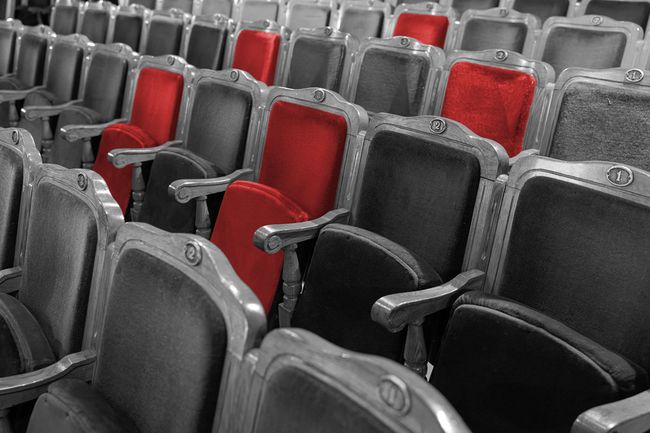
You may not have clocked the seats the last time you went to an old movie theater or playhouse, but there’s a good chance they were red. In many theaters, row after row of crimson seats stretch toward the stage or screen, creating a familiar backdrop before the show even begins.
It’s such a common sight that you might never have stopped to wonder why this particular color seems to have a monopoly on theaters. After all, restaurants, airplanes, and living rooms manage to make plenty of other shades work — so why do theaters keep coming back to the same dark red hue?
The Royal Treatment
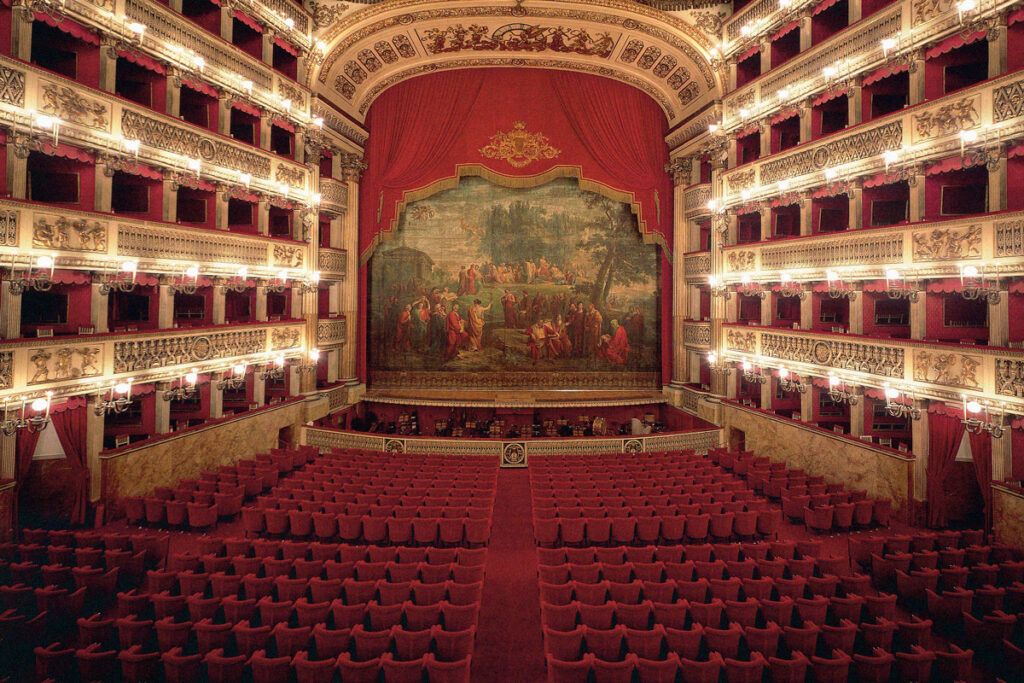
The story of the red theater seat begins long before modern cinemas, with the evolution of theaters themselves. In Europe, early performance spaces were often associated with royalty, wealth, and ceremony. Italy’s grand opera houses were designed to impress audiences before the curtain even rose, with elaborate architecture, gold accents, ornate decorations, and luxurious fabrics.
Red, in particular, had long been associated with wealth and status because producing vibrant red dyes was historically difficult and expensive. The color appeared in royal clothing, religious settings, and the interiors of important buildings, so it naturally carried an air of importance. Attending a performance was a social event where people dressed to be seen and entered a space designed to feel extraordinary.
During the 18th and 19th centuries, many theaters increasingly embraced the visual language of luxury, culminating in the opulent interiors of the Victorian era. Rich fabrics became symbols of elegance and refinement, and velvet — especially in deep, dramatic colors — was considered a premium material. Red theater seats helped create that elevated sense of occasion. Even as the popularity of opera faded, the tradition of red seats continued in playhouses and, later, cinemas.
More from our network






Why Velvet?
Beyond color, the fabric choice helped shape the traditional theater look. Velvet became a popular choice for theater seating because it combined comfort and practicality with a luxurious appearance. Its dense pile — the tiny raised fibers that give velvet its soft texture — catches and reflects light, resulting in a rich, deep appearance. Under traditional theater lighting, velvet seating helped create the elegant atmosphere audiences had come to expect.
Upholstered seats also helped absorb sound, reducing the echo that could be created by rows of hard surfaces. Theaters needed materials that could withstand constant use from thousands of visitors while still looking attractive. Dark red fabric — velvet in particular — combined the fabric’s opulent appearance with a color that was relatively forgiving of dust, stains, and everyday wear.

The Psychology of Red
Tradition and practicality explain much of the popularity of red theater seats, but there is also a scientific reason the color became closely tied to performance spaces. Historically, theaters were much darker than they are today. Before modern electric lighting, audiences watched performances under candlelight, gas lamps, and early forms of stage illumination. Moving from a brightly lit lobby into a darkened auditorium required the eyes to adjust, and theater designers wanted the room itself to become less noticeable once the performance began.
Red was the ideal color choice for accomplishing this because the human eye is less sensitive to red wavelengths in low-light conditions. While the idea that red seats simply “disappear” in the dark is an oversimplification, the color can become less visually distracting as the lights dim. That serves a theater’s main purpose of directing attention away from the room and toward the stage or screen.
Red also carries emotional associations that suit the theater experience. It is a bold, dramatic color often linked with passion, excitement, and energy. A theater is a place where audiences expect to feel something — to laugh, cry, or be transported somewhere else — and red subtly reinforces that sense of drama before the performance even begins.

From Stage to Screen
When films emerged as a popular form of entertainment in the early 20th century, movie theaters borrowed many of their design ideas from traditional performance venues. The grand movie palaces of the 1920s and 1930s were built to make going to the movies feel like a luxurious event. These theaters featured sweeping staircases, ornate ceilings, chandeliers, plush carpets, and rows of upholstered seats that often continued the tradition of deep red fabrics.
Not every modern theater has stuck with the tradition. Some contemporary venues use black, blue, gray, or green to match a particular design style or brand identity. But red theater seats remain popular because they represent more than a color choice. The iconic hue connects today’s theaters with centuries of performance history, from velvet-lined opera houses to the movie palaces that helped define the golden age of cinema.


