

The Surprising Origins of 6 Popular Fairy Tales
For many of us, fairy tales provide an introduction to the world of storytelling, with anecdotes of enchanted realms, scary monsters, and dashing princes delivering early lessons on worldly matters of good and evil.
But despite the simplicity of these stories, and the happily-ever-after versions that became widely known, the origins of fairy tales are often far more complex. Many evolved over hundreds or even thousands of years, while some, in earlier iterations, would be downright shocking to the delicate sensibilities of a preschool audience.
Here are six such fairy tales that originated well before Walt Disney first dreamed of singing dwarves, taking shape over many moons before winding their way into a children’s book near you.
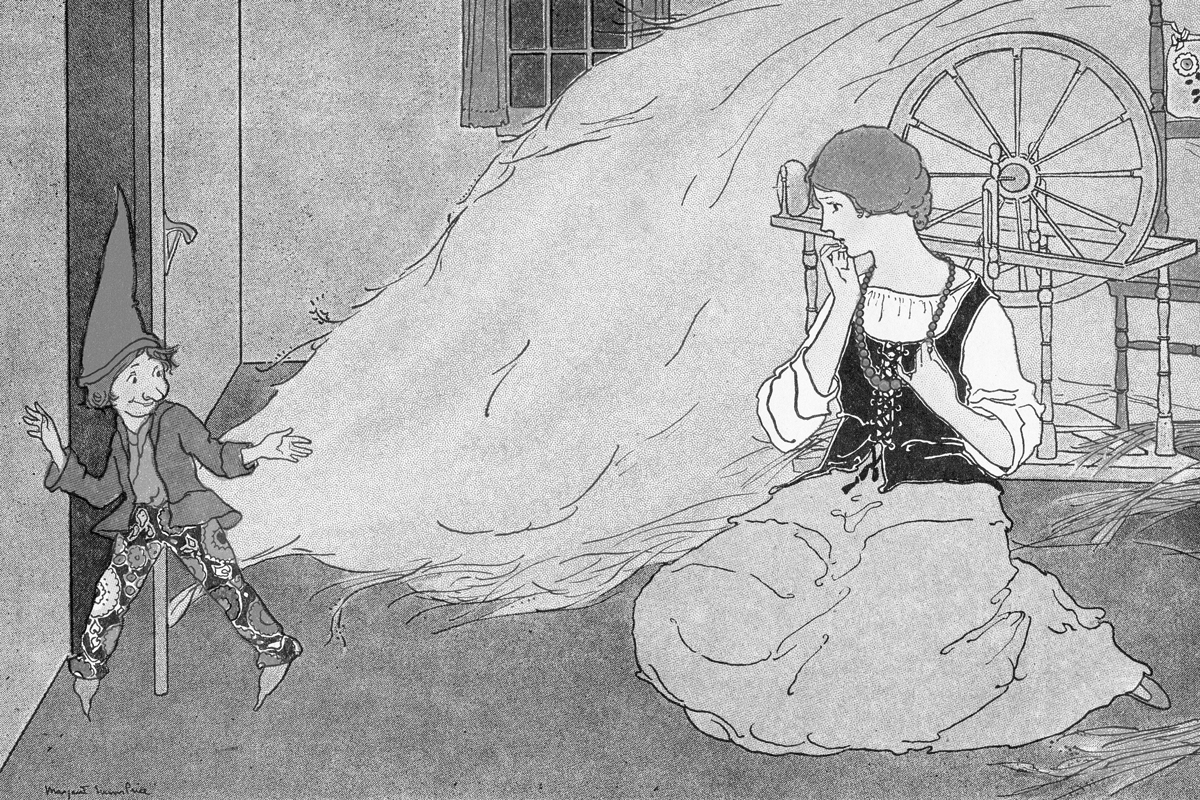
Rumpelstiltskin
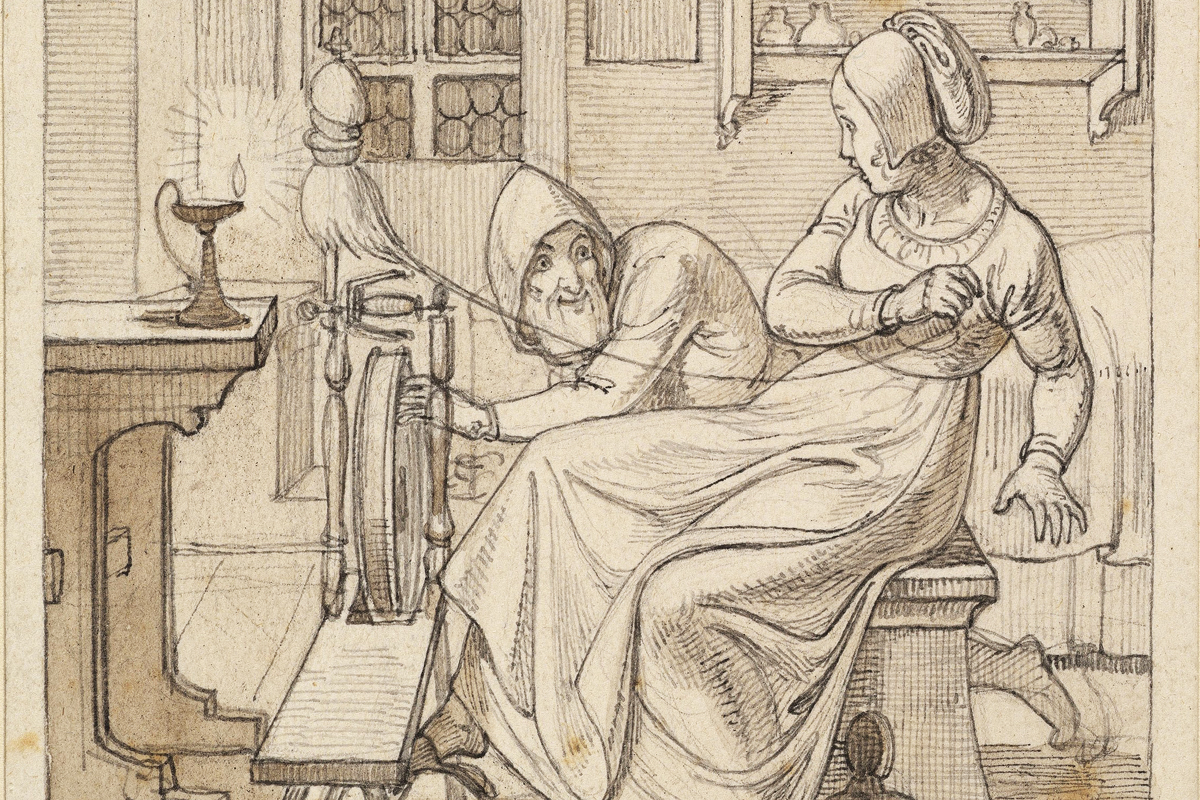
According to one study, the elements of some famous fairy tales date back as far as 4,000 years ago, around the time early forms of the Germanic and Celtic language families were emerging. One of those tales is “Rumpelstiltskin,” with its narrative of a mysterious imp who spins straw into gold.
This particular story first appeared in print by way of 16th-century German satirist Johann Fischart, who described a game of “Rumpele stilt oder der Poppart” in which children pretend to be a noisy goblin. Like many fairy tales, “Rumpelstiltskin” became more widely known after being included in a collection of oral stories by German scholars Jacob and Wilhelm Grimm, better known as the Brothers Grimm, who published multiple editions of their famed Children’s and Household Tales beginning in 1812.
You may also like


More from our network





Beauty and the Beast
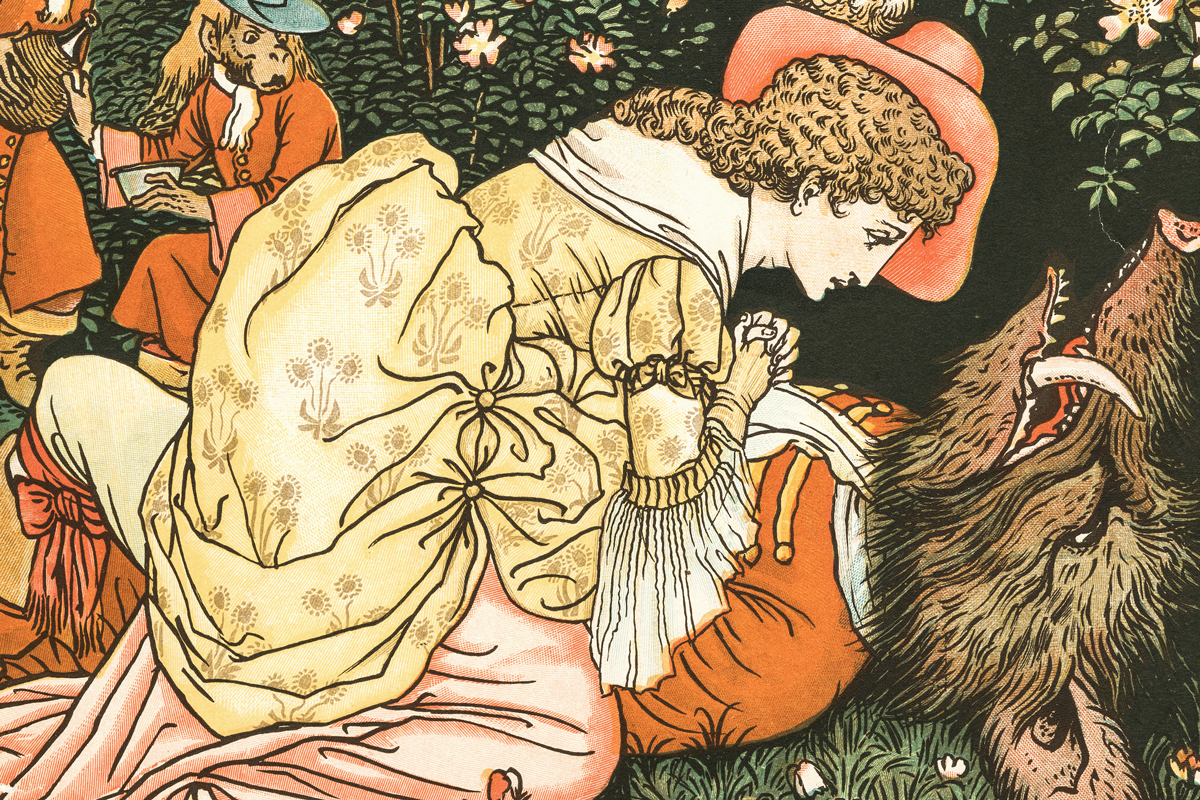
Another fairy tale with possible Bronze Age origins, this story of a woman falling in love with a monster harboring a secret has echoes in the myth of Cupid and Psyche, detailed in the second-century novel Metamorphoses. The first known version of “Beauty and the Beast,” published in 1740 by France’s Gabrielle-Suzanne Barbot de Villeneuve, was a longer-winded story about a girl sent to live with a ghastly creature as punishment for her father stealing a rose.
Another French novelist, Jeanne-Marie Leprince de Beaumont, produced a more succinct update in 1756, which became the definitive version following its first English printing the following year. It’s sometimes said that “Beauty and the Beast” was based on the true story of Petrus Gonsalvus, a 16th-century Canary Islands native who became a celebrity in France due to a condition that left his body covered in hair, although there is no conclusive evidence that he was the inspiration.
Cinderella
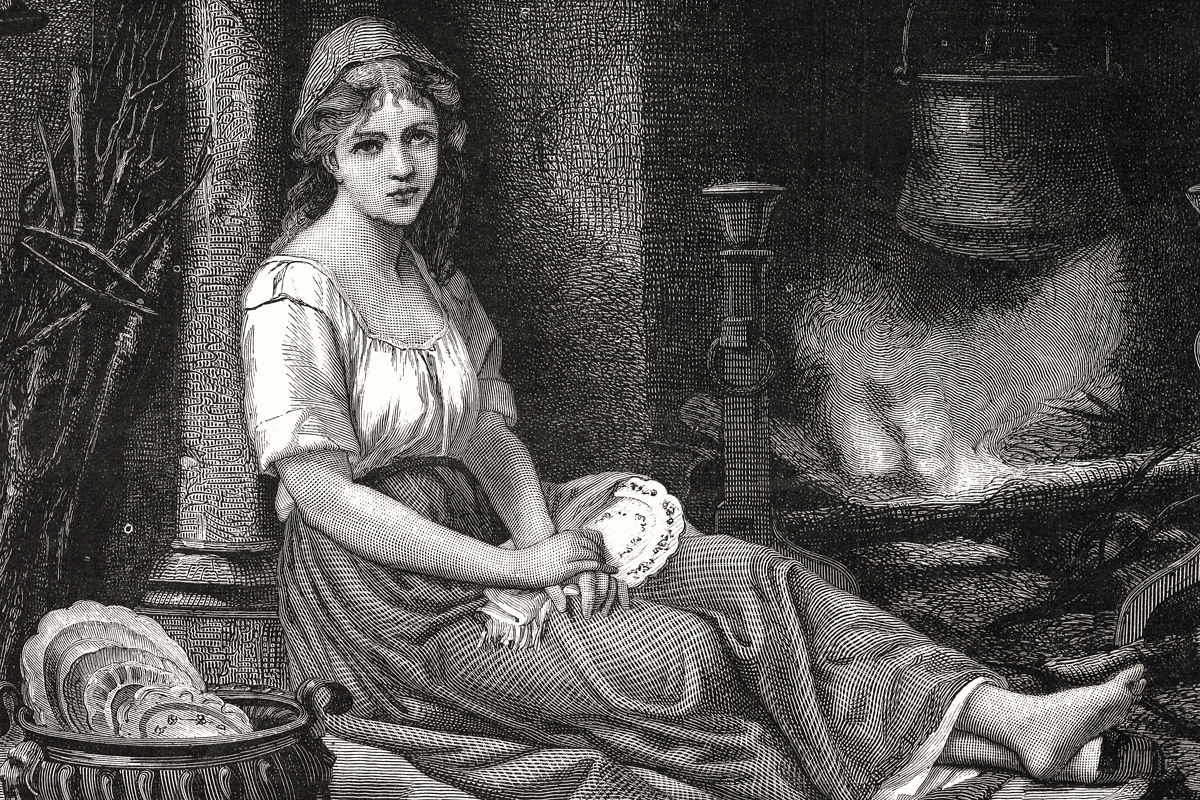
The story of a royal seeking out the owner of a lone piece of footwear can be found in the ancient Egyptian tale of “Rhodopis,” recorded around the first century BCE/CE by the Roman geographer Strabo, and the story later surfaced in the ninth-century Chinese story of “Yeh-Shen.” However, it was the 17th-century Italian folklore collector Giambattista Basile who helped shape the modern version of the tale with its wicked stepsisters and a gussied-up protagonist dazzling at the palace ball in “Cenerentola.”
French author Charles Perrault further refined the plot points in his 1697 rendition, included in his collection Histoires ou contes du temps passé, which featured the renamed Cinderella, as well as the fairy godmother, pumpkin carriage, and infamous glass slippers. Although the Brothers Grimm also published the story, their versions included mutilations inflicted on the stepsisters that understandably failed to make it into later retellings for children.
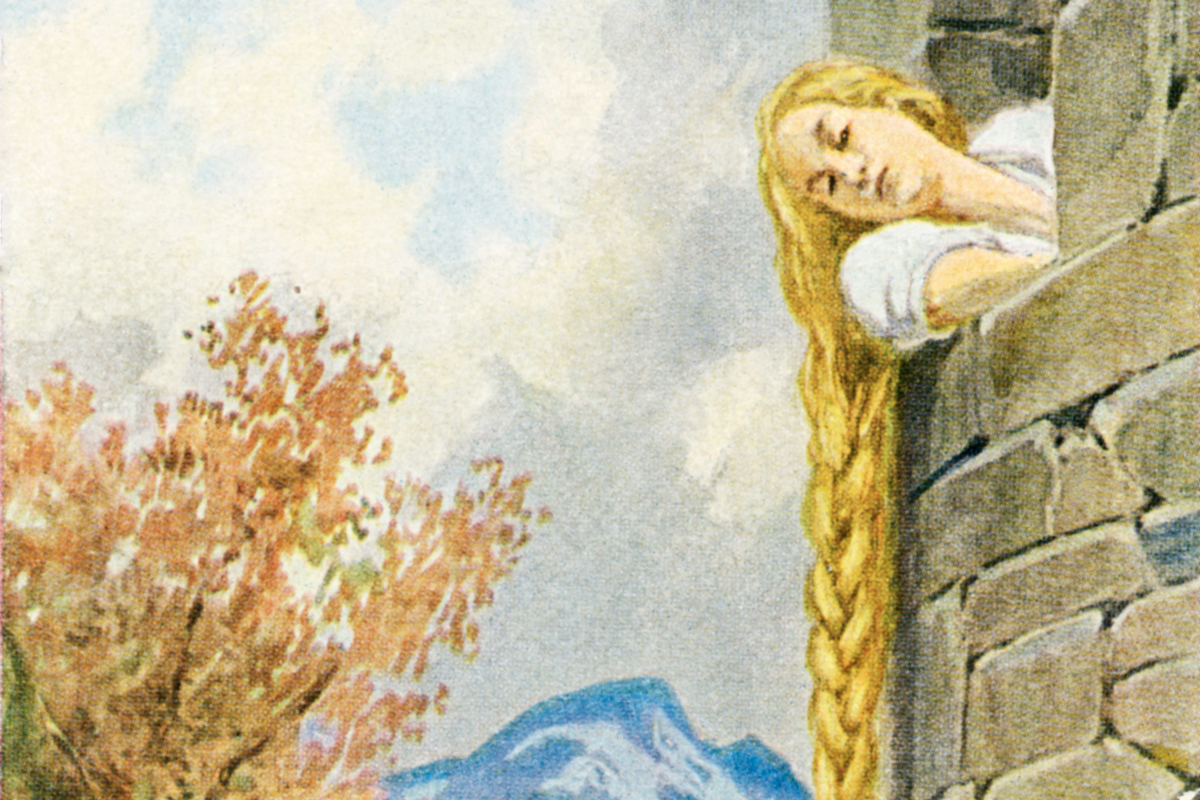
Rapunzel
The tale of “Rapunzel” is sometimes compared to that of St. Barbara, a third-century woman who was locked in a tower to prevent her from being influenced by the spread of Christianity. A stronger connection can be found in the 10th-century Persian epic poem “Shahnameh,” in which a princess lowers her hair from a palace roof to a pursuing prince.
However, it was once again Basile who gave us the contours of the modern story with “Petrosinella,” in which the titular long-haired princess is shuttered in a tower by an evil ogress. One German translation of the tale changed the heroine’s name to Rapunzel, which was then popularized by Brothers Grimm interpretations in the 19th century.
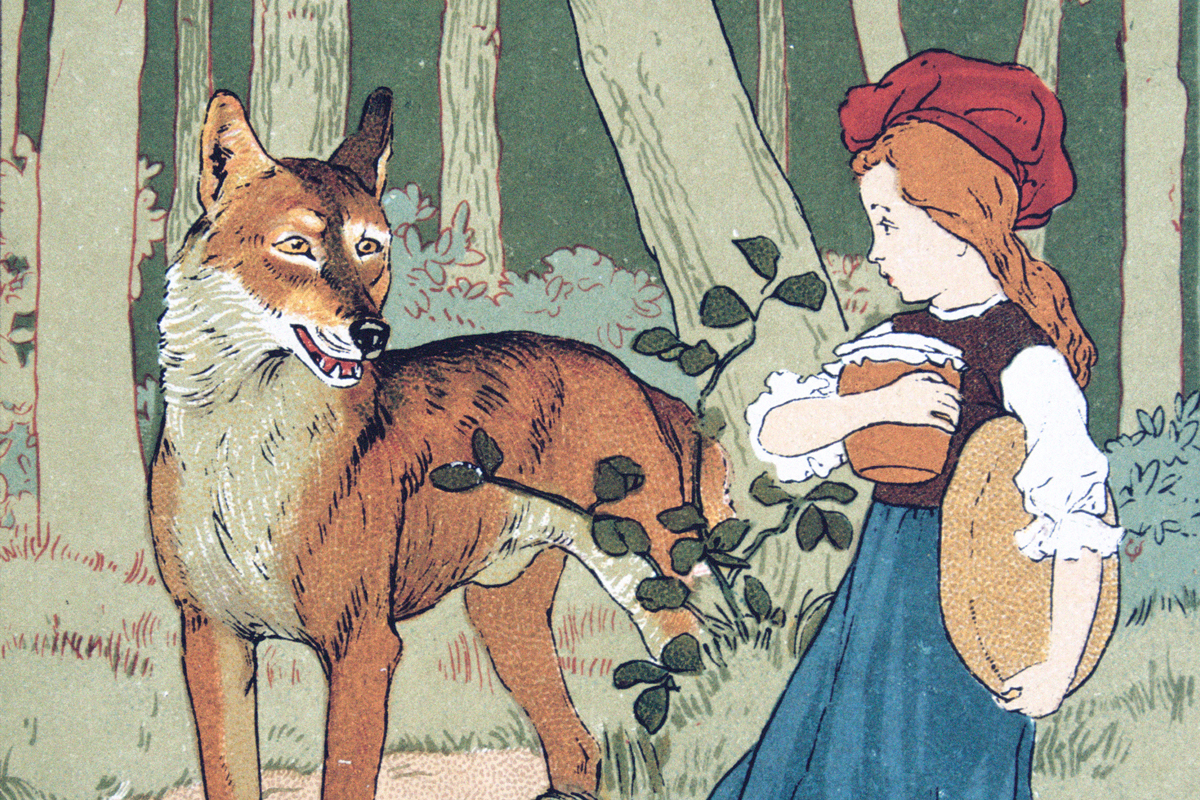
Little Red Riding Hood
Who’s afraid of the big, bad wolf? A lot of people, apparently, as the story of the trickster predator has appeared in many forms in many cultures across millennia. One work cited as the earliest known precursor of “Little Red Riding Hood,” recorded by 11th-century teacher Egbert of Liège in modern-day Belgium, includes mention of a wandering girl in a red baptism tunic who falls into the clutches of a wolf.
Perrault published a far more developed story with the familiar beats of the wolf disguising himself as the grandmother and the “What big eyes you have!” back-and-forth, although his tale ends with the hungry animal simply gobbling up Little Red. The Brothers Grimm variants of “Little Red Cap” are even less appropriate for young ears, as they conclude with a punitive death for the wolf.
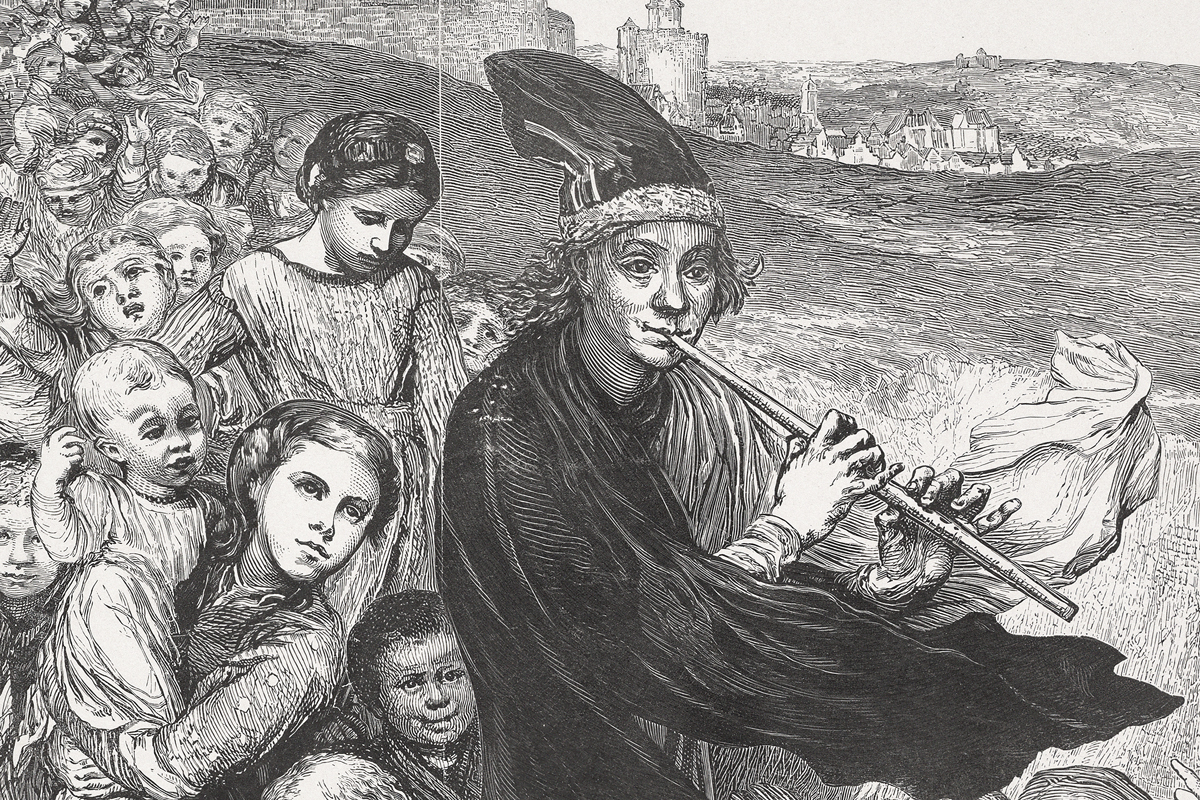
The Pied Piper
The story of the Pied Piper, a colorfully dressed musician who lures away the children of a town after he was failed to be paid for his services, earned a chapter from the Brothers Grimm before becoming the subject of a famous 1842 poem by Robert Browning. However, this is one fairy tale that has definitive roots in a real-life event.
According to records of the German town of Hamelin, on June 26, 1284, some 130 children were led away by a multicolored-clad piper and never returned. Historians have since tried to determine what may have transpired, with theories ranging from the vanishing being part of a population migration to a peculiar “dancing mania” that prompted afflicted people to flail around until the point of exhaustion or even death. But the real answer to this centuries-old mystery will likely never be known, adding another layer of intrigue to a fairy tale that retains an ominous undercurrent even today.


