




4 ‘Microgenerations’ You’ve Never Heard Of
If you were born near the beginning or end of a generation, you may have noticed that you don’t quite relate to the usual labels. Maybe you’re too young to feel like a typical baby boomer but don’t identify with Gen X either. Or maybe you remember life before smartphones but also spent your teenage years online.
That’s where microgenerations come in. These relatively small cohorts sit between the major generational categories, sharing some characteristics with each while having experiences of their own. The boundaries aren’t official, and different sources use slightly different birth years, but a few labels have become popular descriptors for those born on the cusp of a generation.
The appeal of microgenerations may come down to the fact that six or seven years can make a surprisingly big difference when technology and culture are changing quickly. Someone born in 1960 and someone born in 1965 may both technically be baby boomers, but they experienced different childhoods and came of age at different societal moments. The same is true for someone born in 1977 versus 1983, or 1993 versus 1998.
Microgenerations aren’t scientifically precise classifications, but they capture experiences that traditional generation labels sometimes miss. These “cuspers” are the people who came of age between eras, standing on the cultural and technological fault lines that shaped the generations on either side of them.

Generation Jones
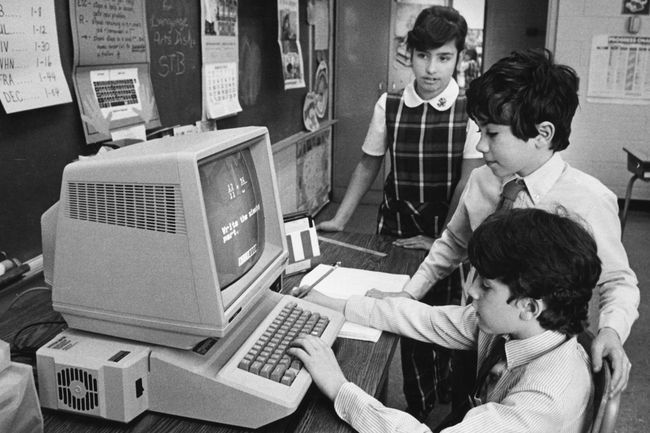
Born roughly from 1954 to 1965, Generation Jones occupies the space between baby boomers (born 1946 to 1964) and Generation X (born 1965 to 1980). Cultural commentator Jonathan Pontell coined the term in 1999 to describe people whose experiences differed from those of older boomers who came of age during the 1960s. The name may refer to the idiom “keeping up with the Joneses” or to the term “jonesing,” meaning craving or yearning. Either way, it’s a nod to a generation raised with high economic expectations.
Although members of this microgeneration were born during the postwar baby boom, their experiences often put them closer to Gen X than to older boomers. Many Generation Jones members were too young to participate in the Vietnam-era counterculture, for example. Instead, they entered adolescence during the 1970s and adulthood amid the economic turbulence of the late ’70s and early ’80s. They experienced the cultural changes of the 1960s without necessarily sharing the formative experiences of people who came of age during that decade.
More from our network




Xennials
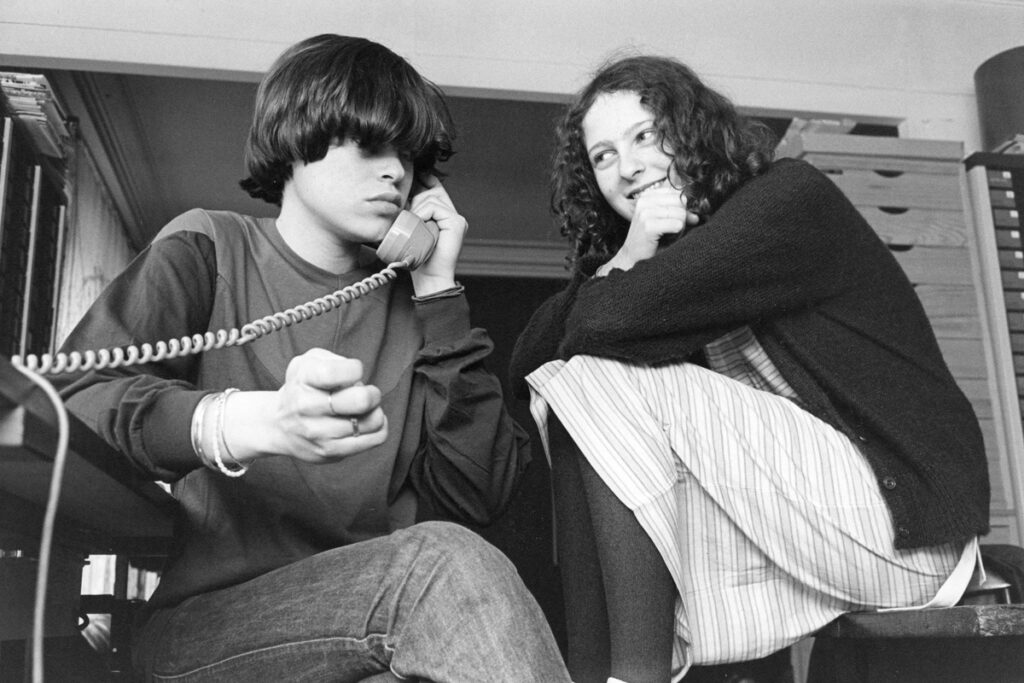
Born roughly from 1977 to 1983, Xennials are one of the best-known cusp generations, combining experiences from Generation X and millennials (born 1981 to 1996 and also called Generation Y) experiences. The term was coined by writer Sarah Stankorb in a 2014 article for GOOD magazine to describe people who had an analog childhood but entered adulthood during the digital revolution. They remember landlines, cassette tapes, handwritten notes, and making plans with friends without texting, and then saw computers, email, and the internet become everyday necessities during their teens, college years, or early careers. Someone born in 1978 was already a teenager when the World Wide Web became publicly available in 1991, while someone born in 1983 was 8 years old. Both, however, can remember a childhood before the internet became part of daily life.
Xennials are sometimes called the Oregon Trail Generation, a reference to the educational computer game many students played in school computer labs. But Xennial is the name that stuck, even earning a place in the Oxford English Dictionary in 2021.
Zillennials
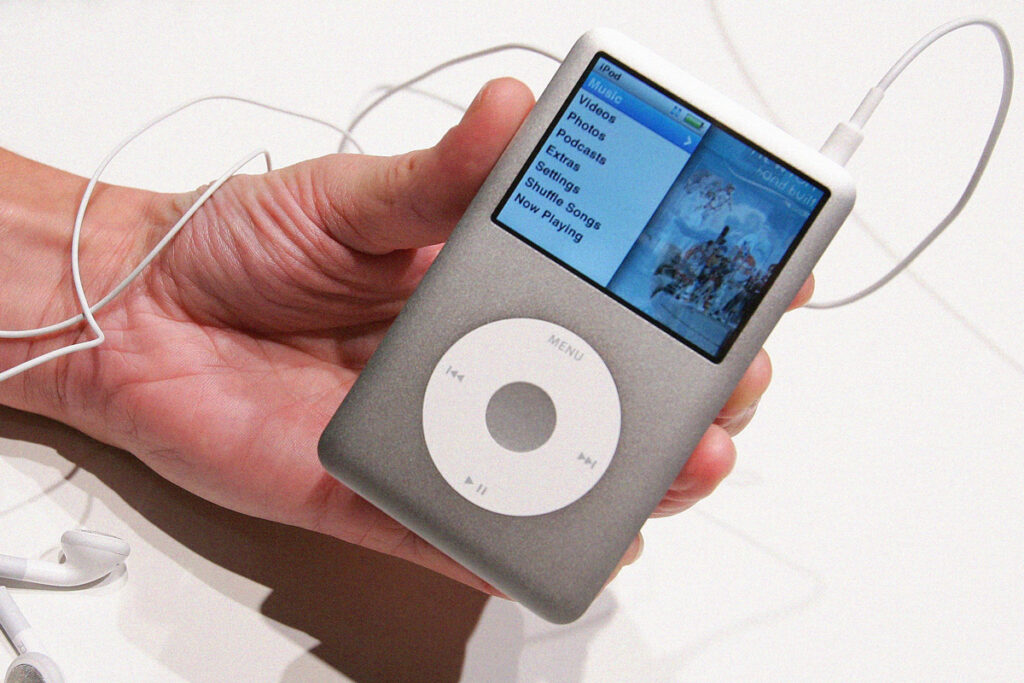
Born roughly from 1993 to 1998, Zillennials (sometimes called Zennials) fall between millennials and Generation Z (born 1997 to 2012). They grew up with computers and the internet but remember a time before smartphones and social media dominated everyday life. Many experienced the transition from shared family computers and early online communities to smartphones, Facebook, and YouTube. That puts them between millennials, many of whom had largely offline childhoods, and Gen Z members who grew up with smartphones and social media from an early age.
Their timing also shaped how they experienced major events. The oldest Zillennials were in elementary school during the September 11 attacks, while the youngest were toddlers. They were in middle school and high school during the Great Recession of 2007 to 2009 and in their early to late 20s when the COVID-19 pandemic began in 2020. Their experiences varied by birth year, but they shared a transition from early internet culture to an always-connected world. Like Xennials, Zillennials have no universally accepted birth years. Some sources start the group in 1992 or 1994, while others extend it into the late 1990s.

Zalphas
Born roughly from 2008 to 2014, Zalphas sit between Generation Z and Generation Alpha (born around 2010 to the mid-2020s). The name combines the two generation labels, though there is less agreement about the exact birth years than there is for older cusp groups. Zalphas grew up in a world where smartphones, streaming video, and social media were already commonplace.
Unlike earlier generations, they encountered digital media not only as viewers but also as participants, creating and sharing videos, playing interactive games, and communicating through online platforms from a young age. They also experienced the COVID-19 pandemic during their early school years, meaning remote learning and disrupted routines became part of their childhood.
The label is still relatively new and less established than the terms “Xennials” or “Generation Jones.” Because Zalphas are still growing up, it’s difficult to know which shared experiences will ultimately define them as a generation. Events and technologies that shape their childhood may take on a different significance as the generation moves into adolescence and adulthood. And as Generation Alpha gives way to Generation Beta, the next cusp generation will have its own dividing line to cross — and, eventually, its own name.


