


Did Old West Saloons Really Have Swinging Doors?
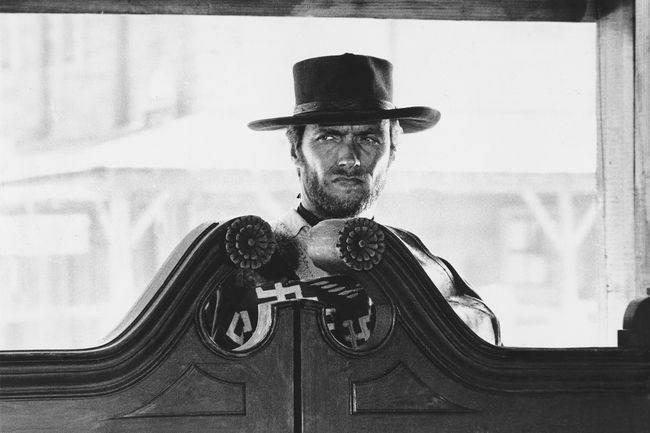
The Western film genre is full of iconic images and recurring storytelling tropes: dramatic sunset silhouettes, high-noon standoffs, and wide-brimmed Stetson cowboy hats, to name just a few. A lot of these elements, however, are at least partially the result of Hollywood mythmaking and the romanticization of the “Wild West.”
But what about saloon doors? If the movies are to be believed, these adorned the front of every saloon in every frontier town. It’s a familiar scene: the lone outlaw or lawman entering the saloon through swinging doors as the piano music stops and everyone inside falls silent in anticipation of a barroom brawl or gunfight.
The swinging saloon door is such a common movie trope that it’s fair to wonder whether those doors were pure Hollywood invention — like so many other aspects of the Western genre — or if they were genuinely a feature of the frontier saloon. The truth, as is often the case, lies somewhere in between.
Some Saloons Did Have Swinging Doors
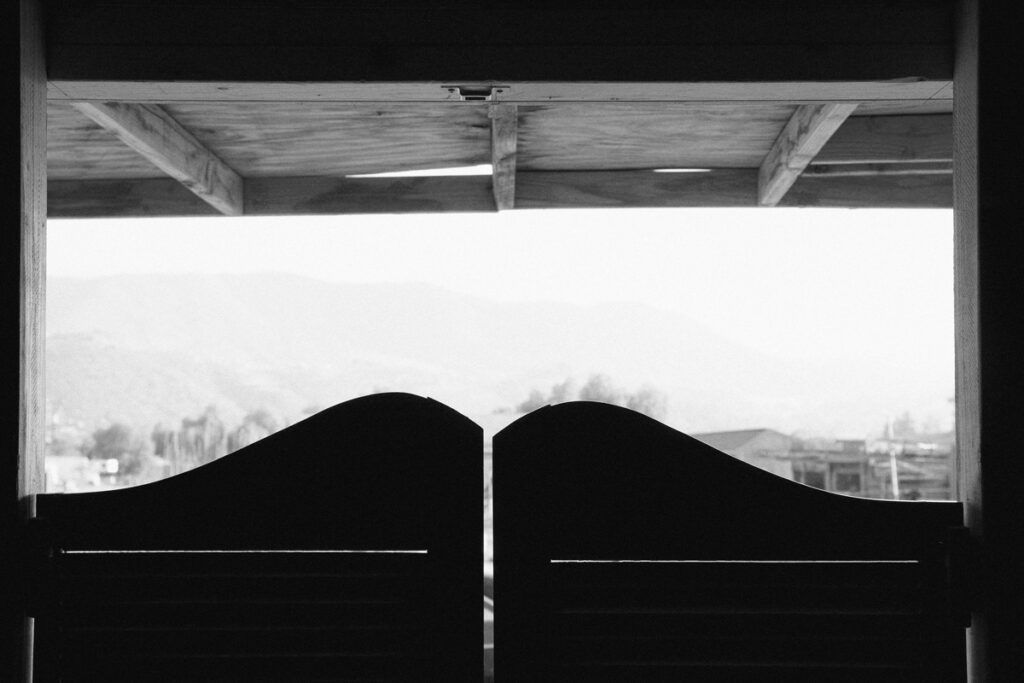
Swinging half-doors, often called batwing doors — or, in more elegant circles, café doors — were a real feature of some Old West saloons. And rather than being just an eccentric design choice, they served a number of practical purposes. Hinged to swing both ways and rising from roughly knee height to chest height, they let fresh air circulate through a room thick with cigar smoke, body odor, and the smell of dirty boots. And in warmer climates, having a half-open entrance helped keep the saloon cool.
Ease of access was another consideration. For cowboys entering the saloon carrying heavy saddlebags, it was easy to push through the doors even with their hands full. This was probably even more practical for people leaving the saloon, as they were likely to be full of whiskey. Swinging doors also enabled bartenders — who had to be equal parts barkeep, mediator, and bouncer — to throw people out of the saloon without having to open the door.
Furthermore, batwing doors offered a degree of privacy for those inside without the need for a totally enclosed entrance. They offered enough of a barrier that passersby on the street couldn’t easily see the drinking and gambling going on inside. In an 1890 article by Rev. J. F. Avery, the reverend notes how “no provision is made for the thirsty, save, alas! through the ever-swinging doors of the saloons, doors which hide from view, but do not hinder those who have money for having a drink, and drinking even unto maudlin and maddening drunkenness.” Avery obviously wasn’t a fan — but for bibulous saloon patrons, swinging doors were a win-win.
The doors also provided a bit of free advertising by letting the sounds of carousing cowboys, rowdy card games, dancing girls, and piano melodies spill out into the street, tempting people to come in and join the fun. And it’s possible that revelers, especially those of a more dubious nature, appreciated the advance warning that swinging doors provided of any newcomer entering the saloon, whether it be the boots and hat of a lawman, bounty hunter, or disgruntled outlaw.
More from our network





They Weren’t a Saloon’s Only Doors
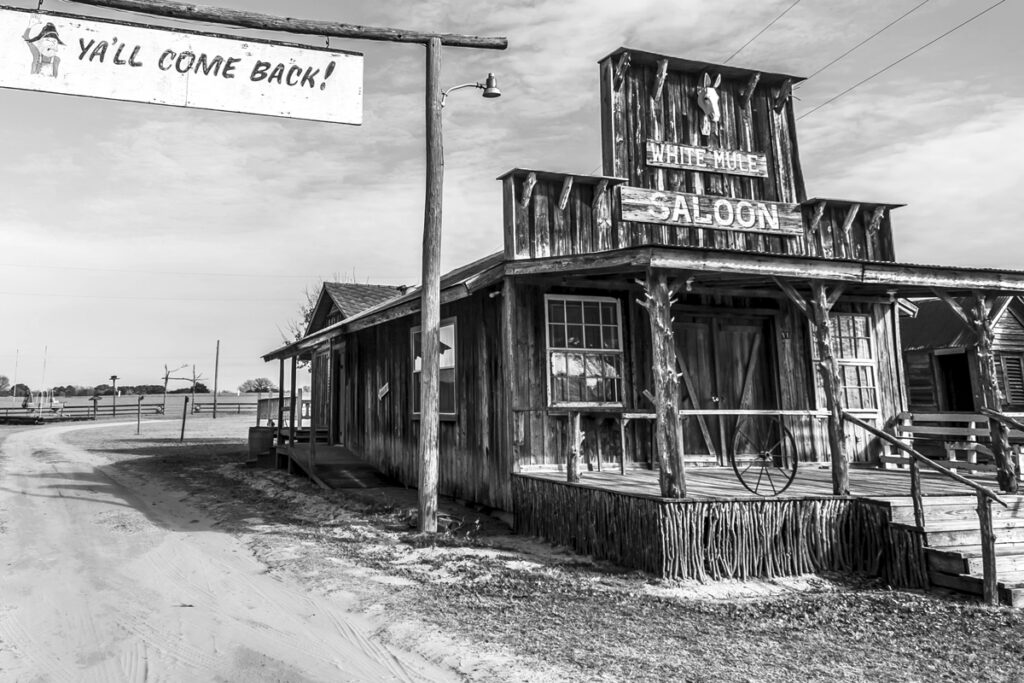
Something that movies almost always leave out is that batwing doors were rarely a saloon’s sole line of defense. Establishments that did have swinging doors typically installed them as an inner set, with a full, solid, lockable door (or double doors) mounted just behind or in front of them. With the exception of some 24-hour saloons — normally found in boomtowns — most saloons did close at some point, usually in the early morning. The owner would bolt the heavier door shut to keep out thieves and bad weather. So, the iconic swinging doors we see in the classic Westerns weren’t often standing alone, but were more likely to be a friendlier layer of a two-door system.
Not Every Saloon Had Them
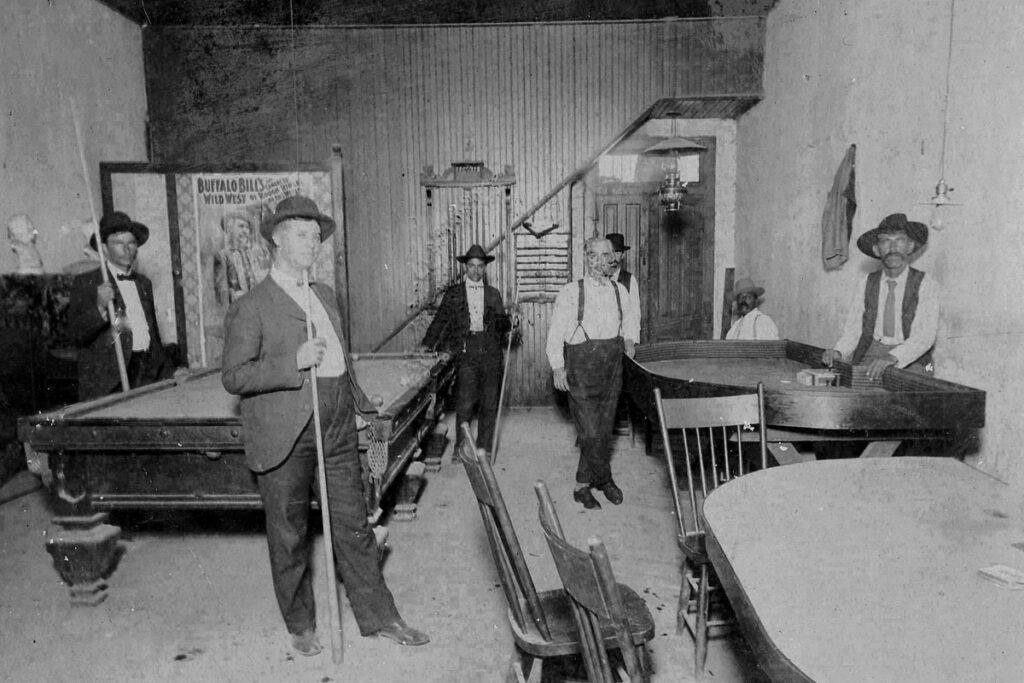
Here’s where the image of the ubiquitous frontier swinging door requires something of a reality check. Batwing doors weren’t a universal feature of the Old West — in most cases, they were more of a regional one. They made the most sense in warmer climates, where letting air flow freely through the saloon was a genuine comfort during long, hot afternoons.
But in many parts of the country, especially in the mountains and regions farther north, it was simply too cold much of the year to have swinging doors. These saloons generally skipped the swinging doors entirely in favor of standard, fully enclosed doors that could actually keep out the cold. A saloon in Arizona or New Mexico, therefore, was a far better bet for spotting real batwing doors than one in, say, Montana — but even saloons in warmer climates weren’t guaranteed to have them.
So, while Hollywood didn’t invent swinging saloon doors, it did make them seem far more common than they really were. The doors proved to be a wonderfully cinematic tool for showing a dramatic solo entrance — be it Henry Fonda’s Wyatt Earp in My Darling Clementine (1946), Clint Eastwood’s Manco in For a Few Dollars More (1965), or Mongo ripping the doors clean off their hinges in Blazing Saddles (1974). But the idea that they were found in every saloon in every frontier town has more to do with cinema than actual history.


