




Early amusement parks were built near graveyards.
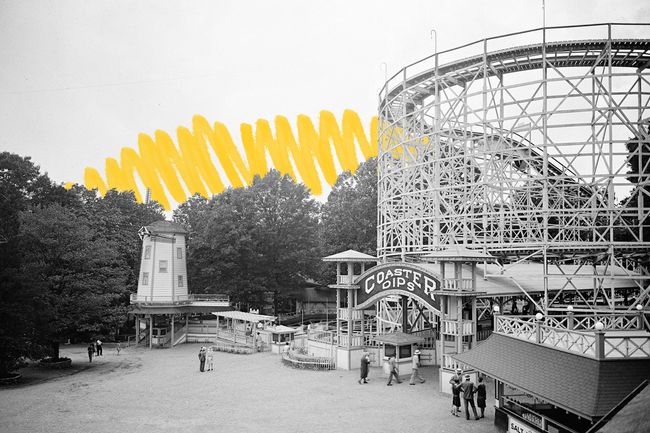
Graveyards are typically considered somber places, but that wasn’t always the case. Before the days of Disneyland and Six Flags, cemeteries even hosted some of America’s first amusement parks, for a number of practical reasons that made more sense in the late 19th century than they do today.
For one thing, amusement parks require a good deal of open space, ideally on inexpensive land. The plots next to or overlapping with cemeteries fit the bill, and also often happened to be at the end of transit lines, which provided an additional benefit.
Streetcar, trolley, and rail companies actually built amusement parks to incentivize riding their conveyances to the end of the line and back during off-peak hours on evenings and weekends. Lake Shawnee Amusement Park, for instance, was built on a sacred Indigenous burial ground in West Virginia, leading to both controversy and all manner of ghost stories.
The result of these locations, according to Lost Amusement Parks of New York City: Beyond Coney Island authors Wes and Barbara Gottlock, was that “picknickers could be observed eating their lunches among the headstones and using the remaining foundation stones from the mansion as tables for their provisions” at Gala Park, an early amusement park in Queens that was also built on an abandoned cemetery. If you’ve ever ridden the Haunted Mansion at Disneyland, that probably doesn’t sound so strange.


