




The Rise and Fall of the American Department Store
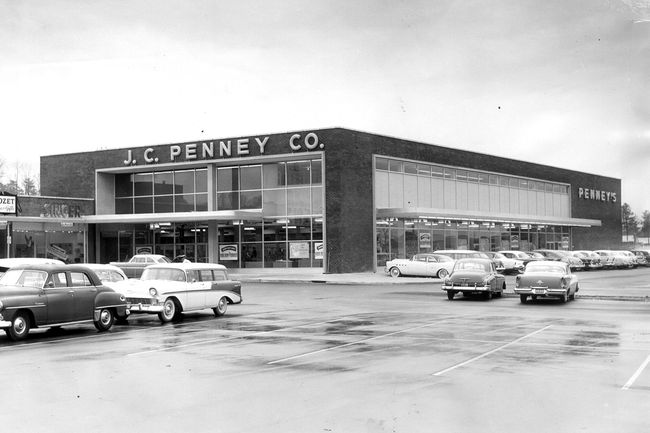
There was a time when going to the department store was an exciting event. For generations of Americans, a trip to Gimbels or Marshall Field’s meant visiting a local landmark downtown — and often dressing for the occasion, as these stores also served as gathering places for friends.
If you grew up in the 1940s or 1950s, you may remember department stores as destinations in their own right; by the 1970s and ’80s, they were more likely to be the giant anchors at the ends of your local shopping mall. Today, the department store has become an even smaller part of American life. Macy’s, JCPenney, Kohl’s, and a handful of other familiar names remain, but many stores that used to be ubiquitous have disappeared altogether.
Here’s a look at the rise — and subsequent fall — of the once-mighty American department store.
Palaces of Consumption
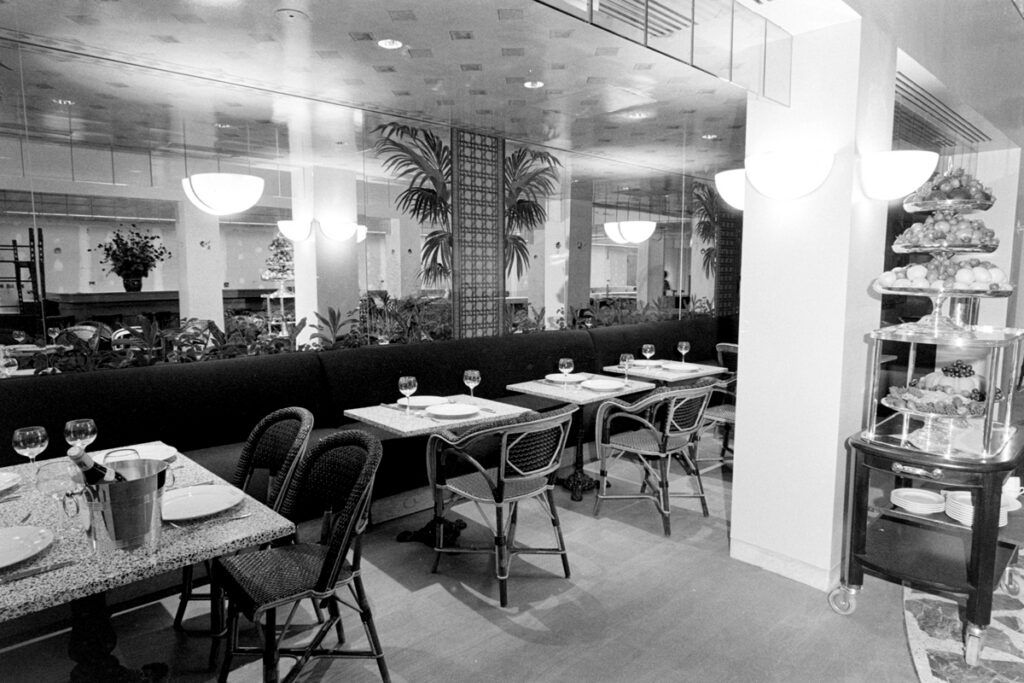
The early American department store giants were designed to make shopping feel like an outing rather than an errand. Stores such as Wanamaker’s in Philadelphia and Marshall Field’s in Chicago transformed the act of buying household goods and clothing into something closer to entertainment. Elaborate window displays, holiday decorations, restaurants, music, and architectural grandeur gave shoppers reasons to linger. Historians have described these early stores as “palaces of consumption” because they turned shopping into an occasion.
The sheer variety could be astonishing. Instead of visiting separate shops for shoes, clothing, housewares, and toys, customers could find all of those things under one roof. Escalators made it possible to move easily among multiple floors, where generations of shoppers were introduced to products they might never have encountered in smaller local shops. The biggest stores became part of the identity of their cities, and their Christmas windows became traditions in themselves.
More from our network





The Postwar Shift
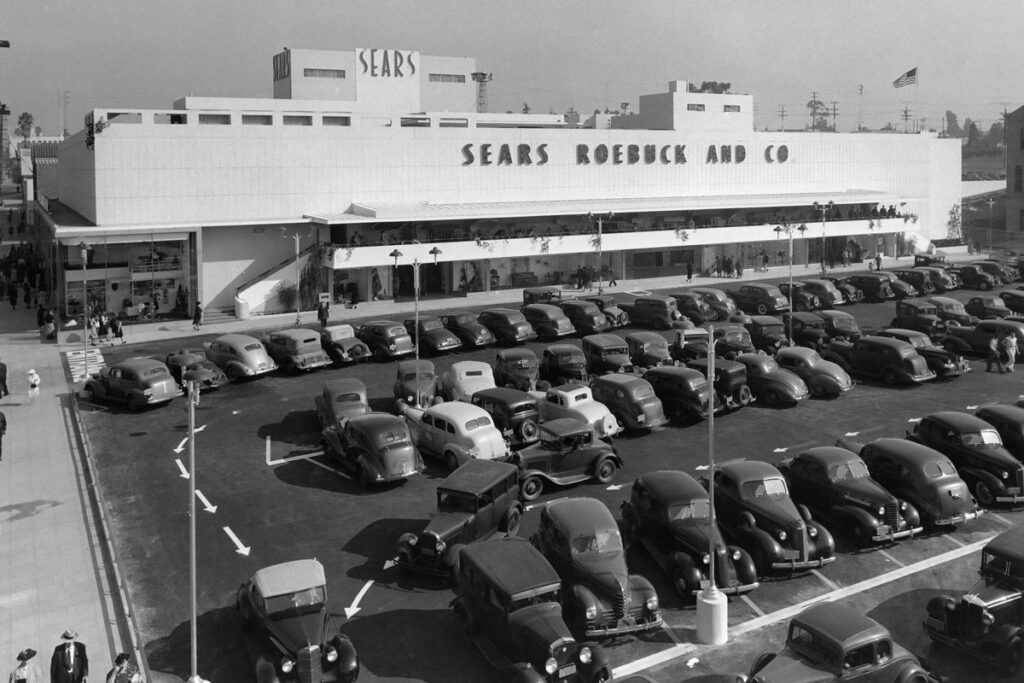
The department store’s golden age changed after World War II, when millions of Americans moved to the suburbs and the automobile reshaped where people lived, worked, and shopped. Downtown stores had once benefited from pedestrians and public transportation, but increasingly, shoppers wanted easy parking and stores closer to home. Suburban shopping centers, and eventually enclosed malls, offered both. Department stores followed those shoppers into the suburbs, expanding their presence in the new retail centers that were springing up outside city centers.
Sears opened its first department store in Chicago in 1925 and had more than 300 stores by 1929. By the mid-1950s, it had more than 700 U.S. stores. JCPenney was expanding rapidly as well, reaching more than 1,700 stores by 1959, including locations in growing suburban shopping centers. As malls became popular in the 1960s and 1970s, department stores became their anchor tenants, occupying enormous spaces at opposite ends of the shopping center and drawing customers through the smaller stores in between.
Instead of heading downtown on a Saturday, families could spend an afternoon at the mall, shopping for clothes, appliances, toys, shoes, and household goods under the same roof, fueled by a quick meal at the food court. For teens and tweens, the mall offered a place to hang out with friends in an environment parents felt comfortable allowing them to roam.
Discount Chains Arrive
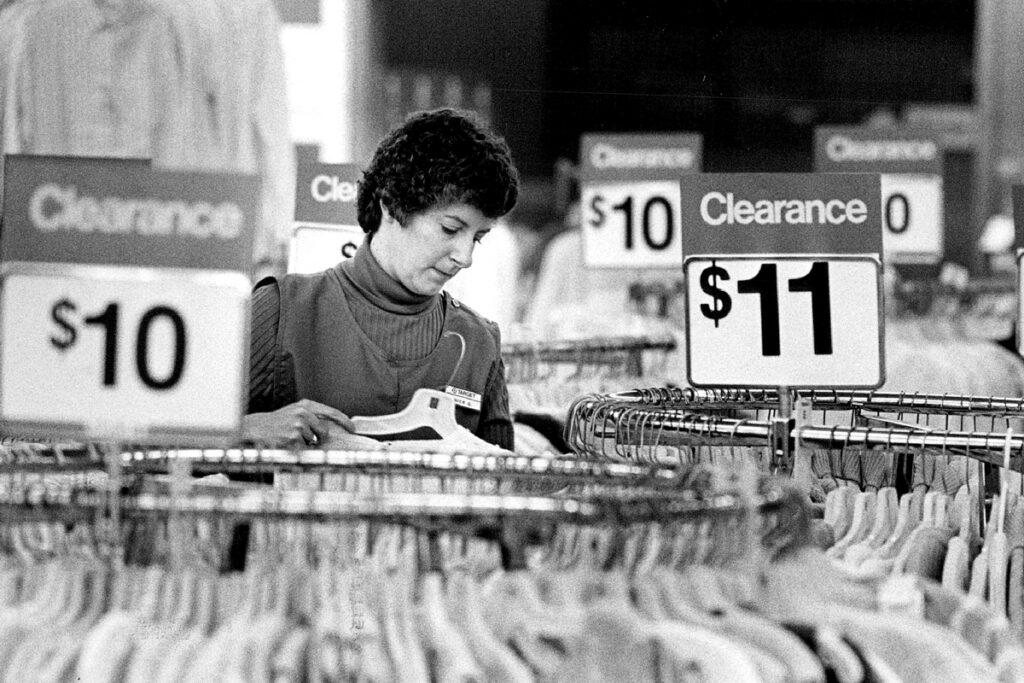
The rise of discount retail put new pressure on the traditional department store model. The year 1962 saw the launch of three major discount brands: Kmart, Walmart, and Target. As their territory expanded during the 1960s and 1970s, they offered many everyday products at lower prices while operating more streamlined, stripped-down stores. This new retail philosophy made it harder for larger retailers with broader assortments and higher operating costs to compete. Sears, once the nation’s top retailer, lost that position to Walmart in 1991.
Department stores also became caught between different kinds of competitors. Discount retailers could undercut them on everyday basics, while specialty stores such as the Gap, Ann Taylor, and Express focused on narrower categories and specific customer groups, offering deeper selections and quickly changing fashions. The old department store promise of “everything under one roof” was less compelling when shoppers could find lower prices at discount brands or go to a specialty store elsewhere in the mall for a more focused shopping experience.
Then Came the Internet
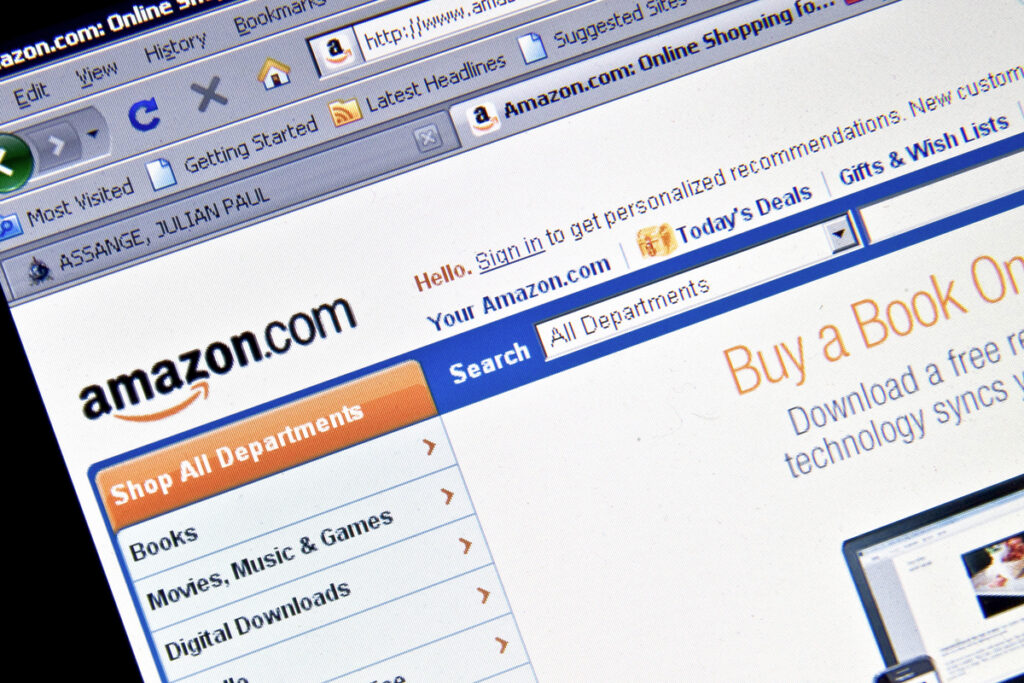
With the rise of the internet, the department store faced a competitor with no aisles, no parking lot, and no closing time. Online shopping made it possible to compare prices instantly, search for specific products without walking through an enormous store (or even leaving your couch), and have purchases delivered to your home. Amazon opened as an online bookstore in 1995, while eBay launched that same year as a digital marketplace. Online shopping has exploded in popularity since, taking many brick-and-mortar stores down in its wake.
E-commerce wasn’t the sole reason department stores declined, but it added another layer of competition to an industry that was already struggling to adapt. Macy’s, Nordstrom, Dillard’s, and other stalwart brands continue to find ways to attract shoppers, including by expanding their online businesses and focusing on the categories where they can compete. The sprawling one-stop shopping experience that defined American retail for generations, however, has become something that many shoppers now remember fondly but rarely seek out in person.


