




How PB&J Became America’s Favorite Lunch
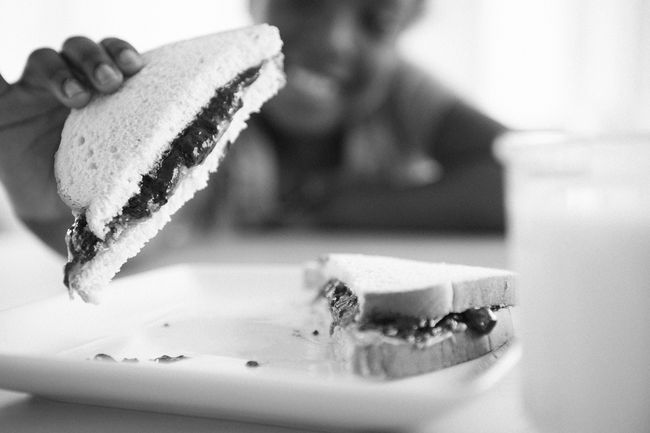
Ask a group of friends to name their favorite childhood sandwich, and chances are peanut butter and jelly will be near the top of the list. However you make it, it’s a simple sandwich that has a way of calling up childhood lunches, school cafeterias, kitchen counters, and the comforts of home.
Today, the PB&J seems so thoroughly American that it’s hard to imagine a time when it wasn’t a lunchtime staple. It’s inexpensive, portable, filling, and easy enough for a child to make. But those qualities don’t explain how peanut butter and jelly went from separate foods to a beloved sandwich pairing. So how did this classic combination become such a familiar part of American life?
Peanut Butter’s Fancy Origins
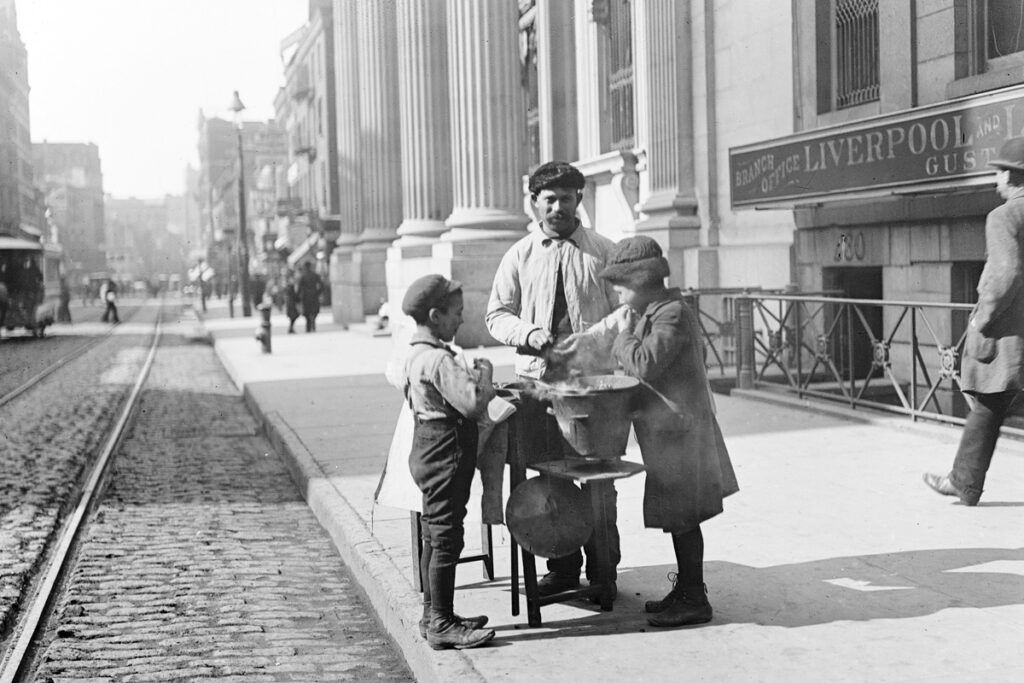
Peanut butter’s American story began in the late 19th century, when peanuts were increasingly promoted as an inexpensive source of protein. People had been grinding peanuts into a paste for centuries, but modern peanut butter was introduced commercially in the 1890s. One early version was reportedly sold at the 1893 Chicago World’s Fair, although the true inventor of peanut butter remains unknown.
Health reformers including John Harvey Kellogg experimented with nut butters as alternatives to animal products. Kellogg patented a process for producing peanut-based food in 1895, but he didn’t invent peanut butter, nor did George Washington Carver, who helped popularize peanuts and developed hundreds of others uses for them.
Early on, peanut butter was an expensive luxury that was more likely to appear in restaurants and tea rooms than in a child’s lunch box. It might have been served on crackers or toast alongside ingredients such as watercress, tomatoes, pimentos, or relish.
The first known published recipe combining peanut butter and jelly appeared in 1901 in the Boston Cooking School Magazine of Culinary Science & Domestic Economics. Author Julia Davis Chandler suggested making tiny bread fingers with three thin layers of bread, peanut paste, and currant or crab apple jelly. The dainty sandwiches fit the era’s tea-room and luncheon culture, when peanut butter was still considered something of a specialty food rather than an everyday pantry staple. As commercial production made peanut butter more widely available and affordable in the following decades, it gradually moved from upscale tables into American home kitchens.
More from our network




How Jelly Earned Its Spot in the Pantry
Fruit preserves also have a long history. The earliest jam-like recipe appears in De Re Coquinaria, a Roman cookbook compiled in the fourth century CE, calling for quince mashed with honey. For centuries, honey (and later, sugar) helped preserve fruit so it could be enjoyed after the growing season ended. Sugar was expensive for much of history, however, making sweet preserves more of a luxury than an everyday food. As sugar became more affordable and commercial food production expanded in the 19th century, jams and jellies became more accessible to American households.
Preserves, jam, and jelly are similar, but they aren’t quite the same. Preserves contain whole or large pieces of fruit, while jam is made from crushed, mashed, or pureed fruit, giving it a softer, spreadable texture. Jelly is made from strained fruit juice, giving it a smooth, firm texture. All three became increasingly common packaged foods as improvements in preservation and manufacturing made them easier to produce and sell.
By the early 20th century, Welch’s had made Concord grape juice a familiar American product, helped by its promotion at the 1893 Chicago World’s Fair. The company later expanded into grape spreads, including Grapelade, a sweet jam that the U.S. military purchased for troops during World War I. Welch’s eventually produced grape jelly as well, helping establish grape as the classic fruit spread for the peanut butter sandwich.
The Best Thing Since … Well, Sliced Bread
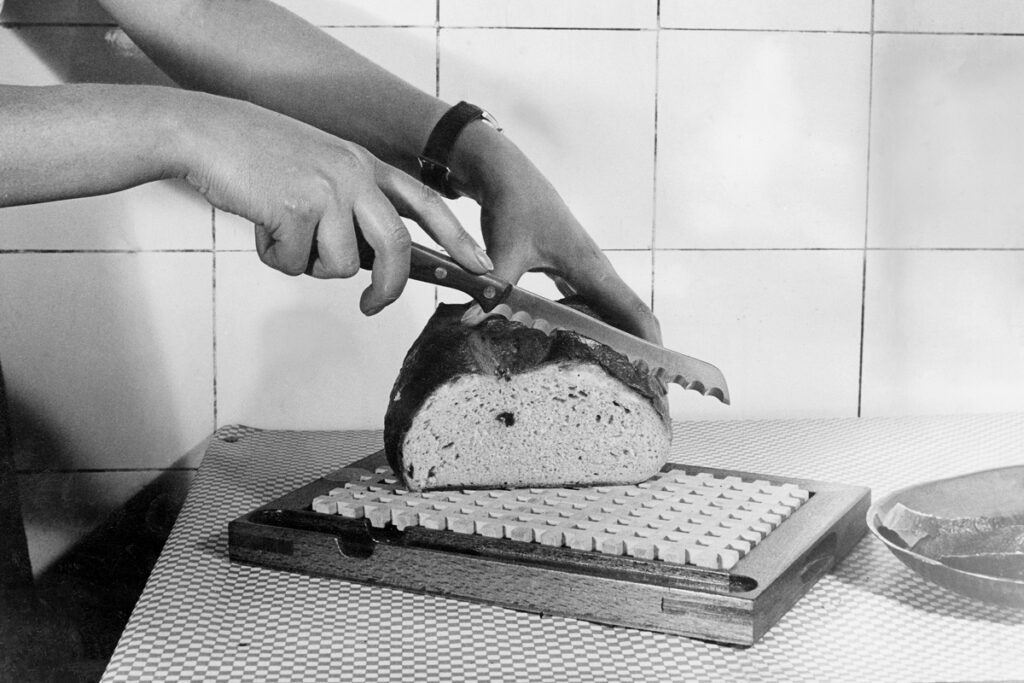
In the late 1920s, commercially sliced bread made sandwiches easier and quicker to prepare. Instead of slicing a loaf every time, families could simply open a package. That convenience was especially useful for packed lunches and made a simple sandwich such as PB&J easy enough for children to assemble themselves.
By the 1930s, peanut butter was also a practical choice for families watching their budgets. It provided protein and calories without the expense of meat, while bread was inexpensive and jelly added sweetness. The ingredients kept reasonably well without refrigeration, making the sandwich useful for school lunches and other meals away from home.
PB&J Goes to War
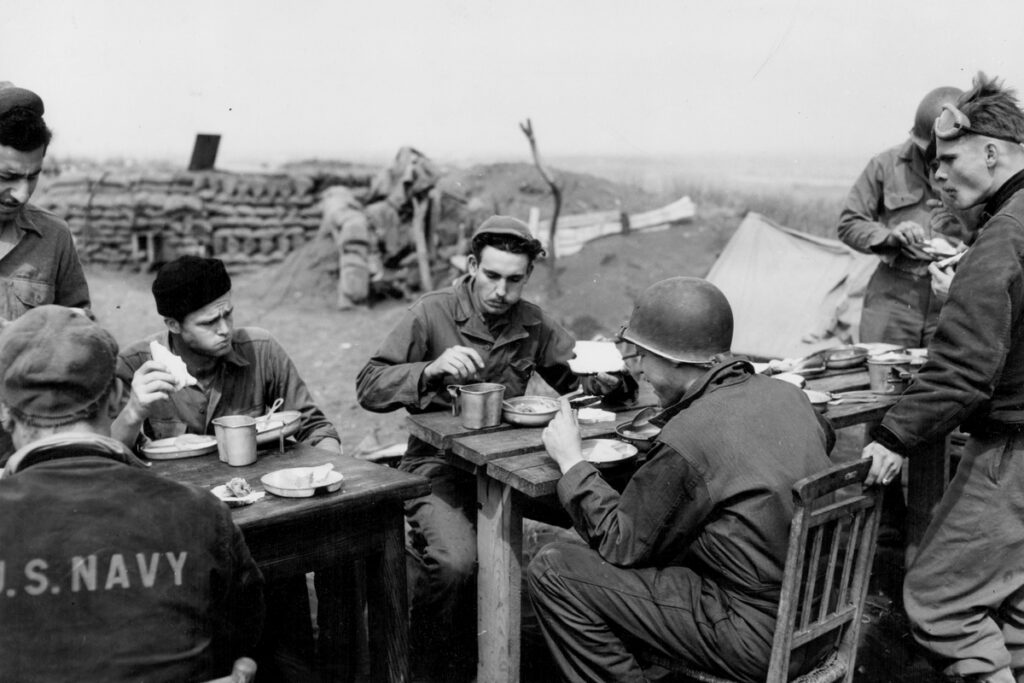
World War II helped cement PB&J’s place in American food culture. Both peanut butter and jelly were included in U.S. military food supplies because they were portable, filling, and relatively shelf-stable. Peanut butter also provided protein at a time when meat and other foods were subject to rationing.
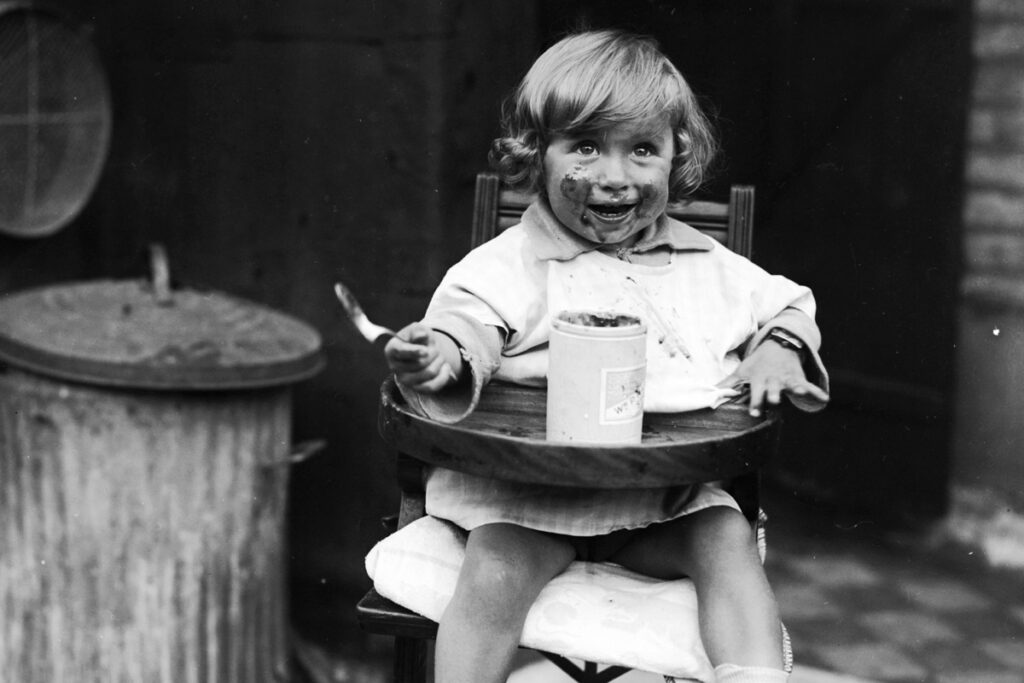
After the war, the sandwich became increasingly associated with children, school lunches, and family life as convenience foods became a bigger part of everyday eating. For generations of American kids, a peanut butter and jelly sandwich was one of the first meals they could make entirely on their own. It crossed economic lines, traveled easily, required no cooking, and offered endless variations in breads, spreads, and proportions. And what started out as an unlikely pairing of two foods became the classic American lunch.


