




Why Did Old Airplanes Have Black Noses?
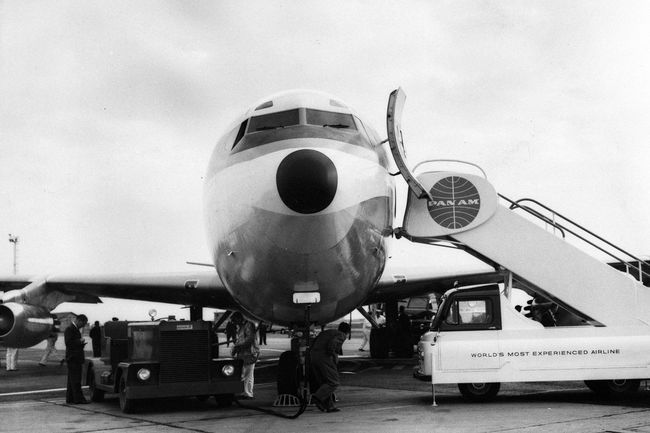
Flip through photos of mid-20th-century airplanes and one detail keeps popping up: a prominent black nose. It was once seen everywhere, even across rival airlines with completely different color schemes and branding — almost as if these companies had all agreed on one small, unglamorous exception to their own style. In truth, that black nose wasn’t a design choice at all, but rather a practical work-around for keeping cutting-edge radar technology working properly.
The Nose Cone’s Hidden Job
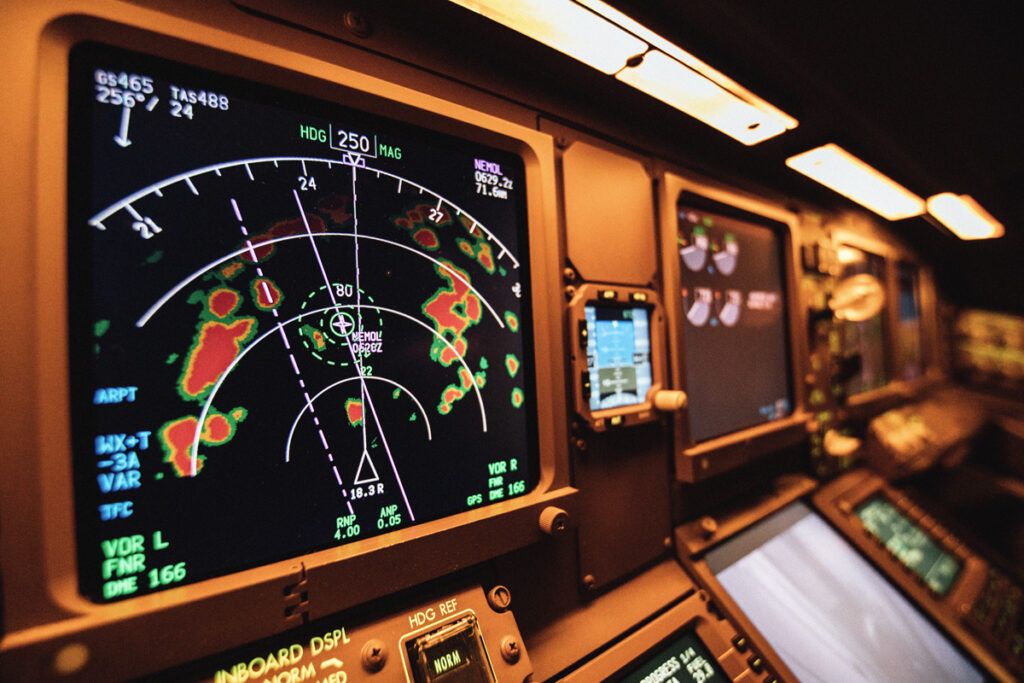
The black nose you’ll sometimes see, especially on older aircraft, is a protective covering called a radome, short for “radar dome.” It’s one of the most important parts of an aircraft: It houses and protects the plane’s weather radar antenna, a vital piece of equipment when it comes to planning routes and detecting storms.
The first radomes appeared in the 1940s when radar systems were installed on planes during World War II. For the radars inside the nose-mounted radomes to actually work, it was vital that the material covering the radome didn’t interfere with the radio waves passing through it. Metal was not an option, as it blocks radar signals, so early radome skins were built using plywood. By the end of the war, plywood had been replaced by fiberglass. But for the radar to actually work, the fiberglass shell had to remain transparent to radio waves — limiting how it could be covered for protective or aesthetic reasons.
More from our network





The Reason for Black
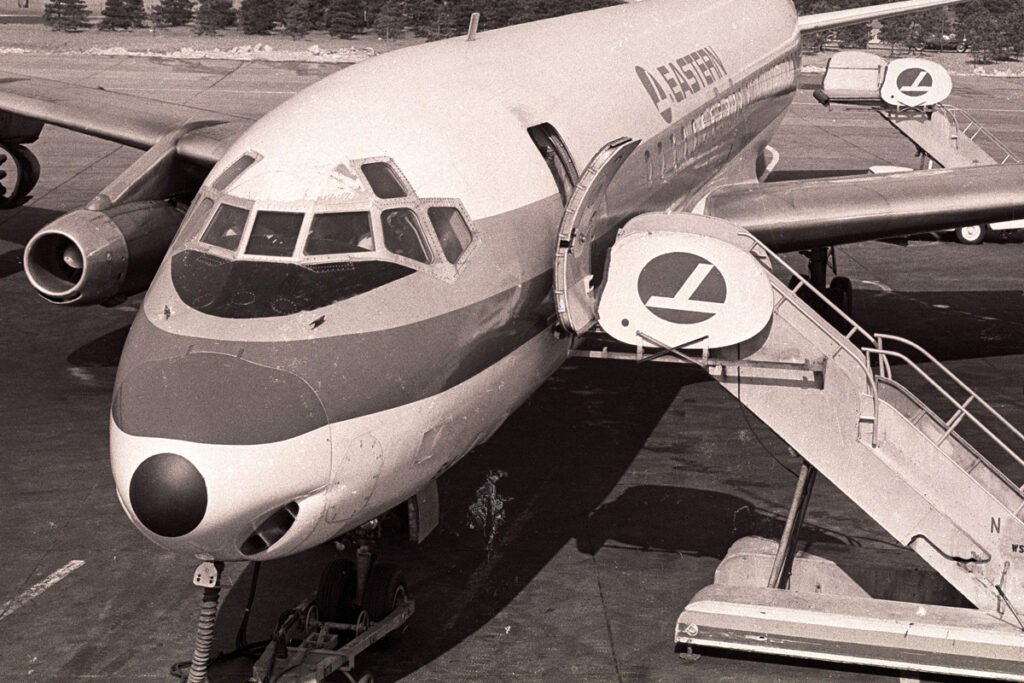
Radomes needed to be tough enough to withstand potential damage from things such as birds or weather. But fiberglass radomes came with a real vulnerability: At cruising speed, dust, debris, rain, and hail could hit with enough force to abrade the radome’s surface over time, potentially causing problems.
To protect against this, some early radomes were covered in a black rubber or neoprene coating, providing a tough, weather-resistant layer that shielded the delicate fiberglass shell underneath from rain, ice, and debris, without interfering with radar signals. Eventually, the rubber coatings were replaced by durable black paint, which offered a cheaper, more practical alternative to a full rubber covering for many aircraft.
Black was used because a lot of ordinary aircraft paint in the mid-20th century was lead-based and contained metallic compounds, which could distort or block radar signals passing through a radome. Black paint typically didn’t rely on those same metallic pigments, making it more suitable for radar transparency. And in many cases, the black paint used for radomes served an important secondary function. Many radomes were coated with conductive, carbon-based paint formulas (naturally black in color due to their graphite content), which helped to safely drain static electricity that built up on the aircraft’s exterior during flight.
So, between erosion protection, static dissipation, and radar safety, black became the practical default almost by process of elimination, regardless of how colorful or uniform the rest of an aircraft happened to be.
Why Black Noses Disappeared
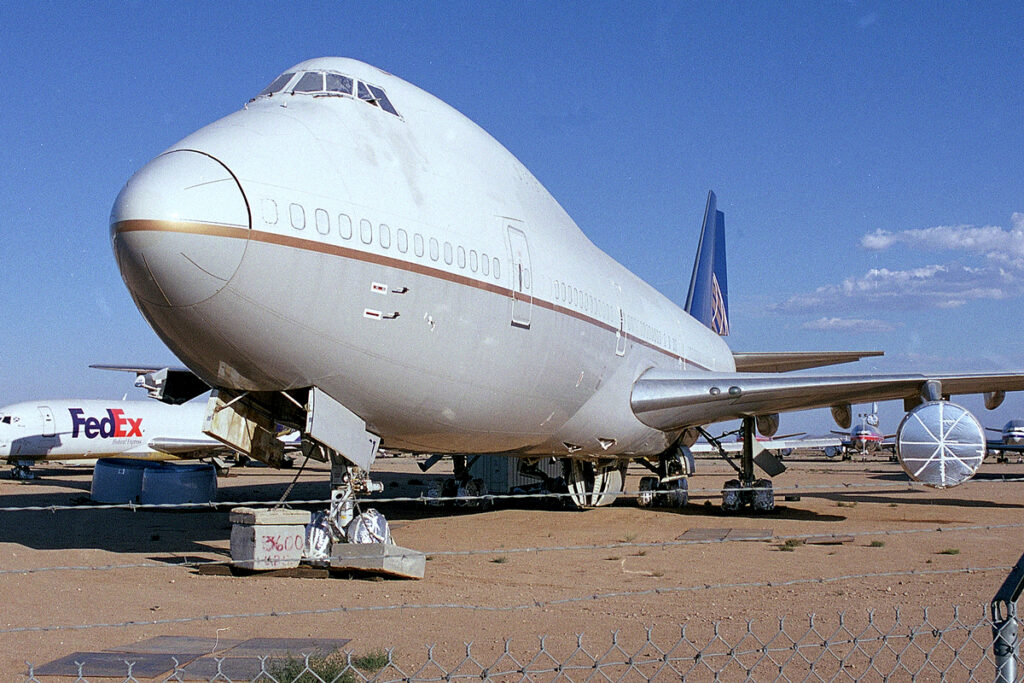
As radome materials and paint technology improved, the black nose gradually became unnecessary. Modern composite radomes hold up far better against weather erosion on their own, and today’s paints can be formulated to remain radar-safe across a much broader range of colors, no longer requiring the same reliance on black rubber or carbon-based coatings. That shift freed airlines to paint their radomes to match the rest of their livery, allowing for a more seamless, branded paint job.
The black nose hasn’t vanished completely, though. Some older aircraft and specialized military planes still feature it, whether from legacy design, budget constraints, or the simple fact that replacing a perfectly functional radome just isn’t worth the cost. And some modern airlines occasionally decide to go with a deliberately retro livery — black nose included — for posterity’s sake and as a nod to aviation enthusiasts.


