




For centuries, inns made strangers share beds.
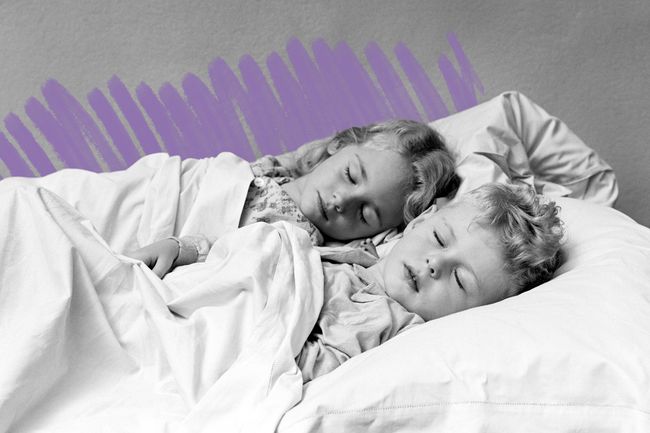
When you book a hotel room, you expect the bed to be yours alone. Even a hostel, where you’re likely to share a room, gives you your own mattress. But a couple of centuries ago, travelers had very different expectations. Sharing a bed with a stranger was often part of the deal at inns. In Europe and colonial America in the 17th and 18th centuries, when space was tight and bedding scarce, two, three, or even more people who had never met might find themselves sleeping side by side.
Many historical travelers left detailed accounts of getting cozy with strangers. In colonial America, British merchant Robert Hunter Jr. recalled sleeping in a tavern room near Williamsburg, Virginia, with eight other people, including three men arguing over who should get the middle of their bed.
Even two of America’s Founding Fathers once found themselves in a sharing situation. In 1776, John Adams and Benjamin Franklin were traveling together when they stopped at a crowded New Jersey inn and found that only one bed was available. They shared the sleeping space, and Adams later recounted their amusing argument about whether to keep the window open.
Bed-sharing wasn’t limited to travel; members of large households also often slept several to a bed. That began to change in the late 18th and 19th centuries, as bedroom furniture became more accessible and hotels increasingly offered private rooms. Changing ideas about privacy, personal space, and hygiene also made sleeping alone more desirable, and gradually, what was once an ordinary occurrence became something most people today would not find tenable.


