




Why Do We Throw Coins Into Wells?
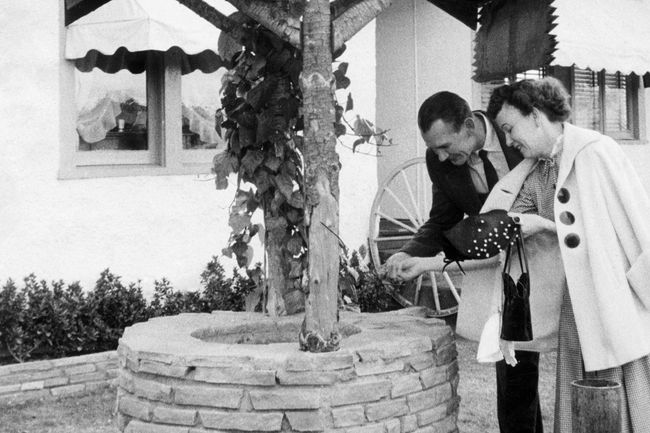
Most of us, whether as kids or adults or both, have probably tossed a coin into a fountain or a well at some point. And there’s a good chance we’ve done it without really thinking why — especially when we’re already thinking about what to wish for. But the coin-throwing custom isn’t some random modern whimsy. It stretches back thousands of years to a time when water sources were treated as sacred, even divine.
Ancient Water Rituals
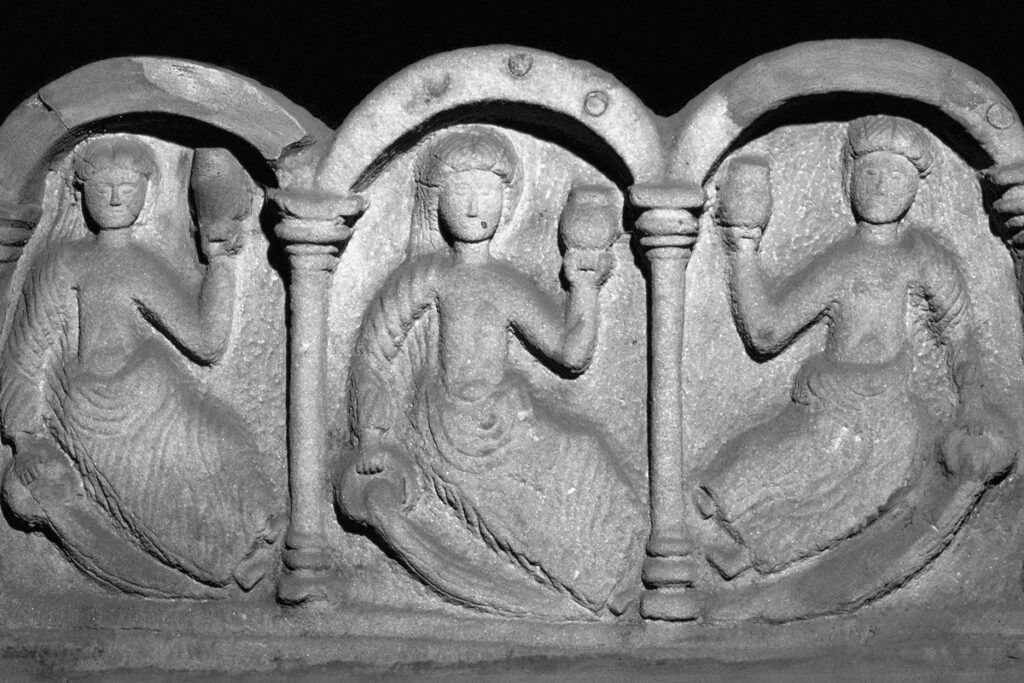
Long before coins even existed, natural water sources were treated as more than just practical necessities. Many ancient cultures viewed lakes, springs, wells, and pools as thresholds to another realm — places where the everyday world and the spirit world were thought to meet. Evidence for this can be seen at Britain’s most important Mesolithic site, Star Carr, located on the shores of the prehistoric Lake Flixton. Archaeologists believe that early hunter-gatherers carried out rituals there some 11,000 years ago, placing important objects — flint tools, worked wood, a hunting bow — in the lake.
While Star Carr exemplifies the spiritual importance of water among our ancient ancestors, it predates the existence of coins by millennia. Coins were invented by the Lydians in Asia Minor in the late seventh century BCE, almost 3,000 years ago. At another British site — Coventina’s Well in Northumberland — archaeologists found not only early coins but also a well into which they were thrown. Coventina’s Well dates back to at least the second century CE during the time of Roman-occupied Britain. The site was dedicated to Coventina, a local goddess associated with healing and springs. When archaeologists excavated the area in 1876, they found a massive trove of gifts left for the goddess that included glass beads, rings of gold and silver, a bronze mask — and 13,487 coins.
The logic behind these offerings can only be guessed at. But if a spirit or deity controlled the water, offering it something valuable was presumably a way to ask for a favor in return, whether that meant healing an illness, ensuring a good harvest, or simply bringing good fortune. Many cultures — from the Celts to the Incas — held similar beliefs, treating wells and springs as literal gateways to other worlds guarded by spirits or water nymphs who could be persuaded into granting requests or bestowing favor.
More from our network





From Roman Offerings to the Trevi Fountain
The Romans had a well-documented habit of throwing coins into natural and human-made bodies of water as offerings to their own gods. For example, at the archaeological site of Minturnae, founded in 296 BCE, archaeologists uncovered various artifacts deliberately tossed into the nearby river, including 4,918 coins. And in 2022, archaeologists recovered around 3,000 ancient coins that had been thrown into hot springs in the village of San Casciano dei Bagni in Tuscany during the second century CE.
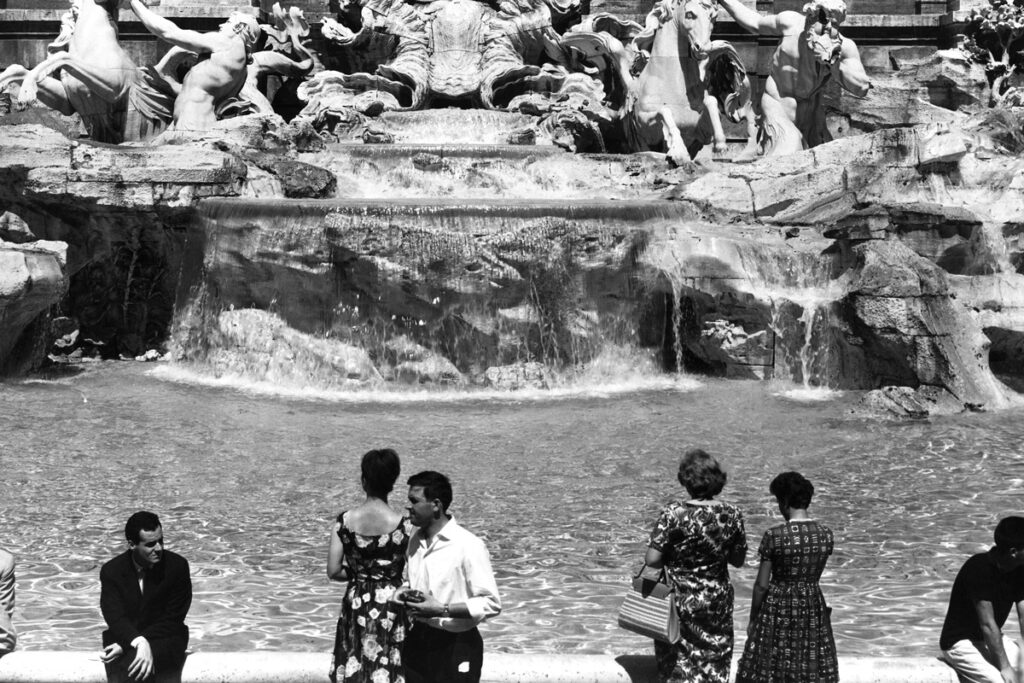
Rome, of course, is now home to the most famous wishing well in the world: the Trevi Fountain. Built in 1762 on the site of an earlier fountain, it reflects the much older Roman custom of treating flowing water as something worth paying tribute to. Today, people don’t throw coins into the Trevi Fountain to honor the gods. Instead, according to tradition, throwing one coin into the fountain ensures a return to Rome, two coins will grant a new romance, and three signify a future marriage. So, while the tourist throngs at Trevi may not pay much heed to the gods and spirits of the water, they do nonetheless continue a centuries-old tradition of tossing coins into fountains and wells.
Why Coins?
It’s impossible to say exactly why or when humans started tossing coins into wells, but we do know that our ancestors did just that — or at least something similar — for millennia. The tradition dates back to at least the Roman period, after which the custom of throwing a coin into a spring, fountain, or well seems to have been passed down through the generations.
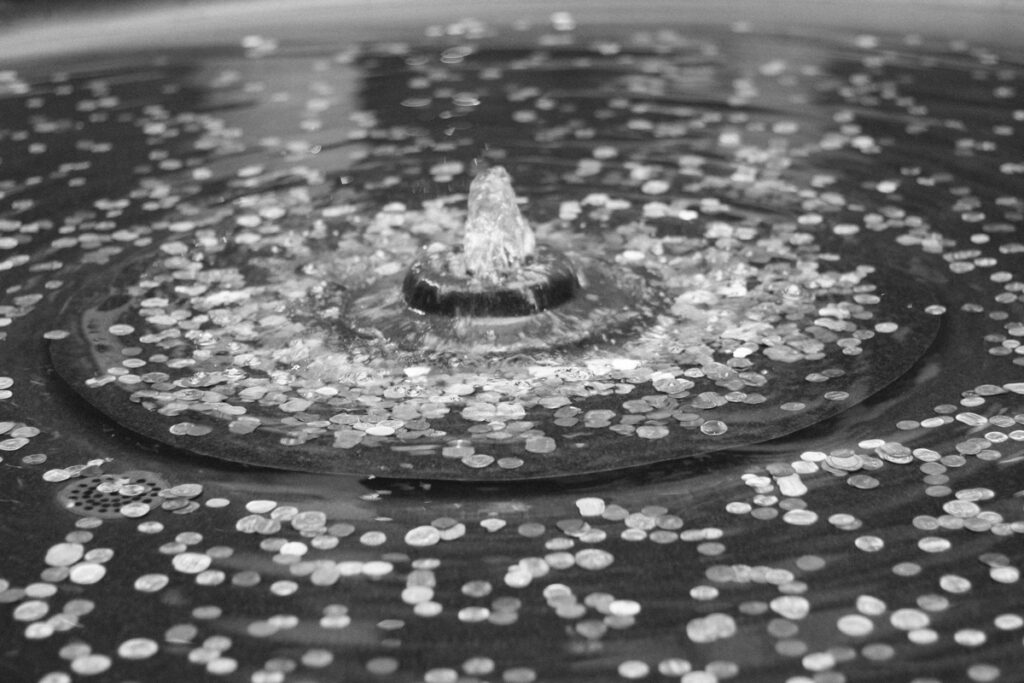
But why did coins, in particular, become the go-to object for tossing into wells? In purely practical terms, coins have long been something that people have carried on their person as a matter of course, making them a handy token for throwing into wells. But Bill Maurer, an anthropologist and the dean at the University of California, Irvine’s School of Social Sciences, points out that coins also have a further significance. Talking to CNN, he explained how it’s not so much about the payment or value of the money, “but how the coin itself has a quasi-magical property people think comes with it. … It has a connection of sovereignty and represents a token of authority.”
The actual value of the coin we throw into a wishing well is not, therefore, of utmost importance. And this is not just a sign of modern miserliness. Most of the coins found in Coventina’s Well, for example, were of low denominations — people who threw coins in the well chose coins that were worth very little or nothing at all, suggesting that the coin’s value had no real bearing on its potency as a gift to a greater power. As Maurer pointed out, the monetary amount doesn’t tend to make a difference when it comes to throwing a coin into a well: “It’s more about the idea of a sacrifice. The Gods are not capitalists.” So the next time you throw a coin into a wishing well, don’t worry if it’s a penny or a nickel — but maybe spare a thought for the ancient spirits of the water.


