



Napoleon wrote a romance novel.
“Like all men,” Napoleon Bonaparte once wrote, “he desired happiness, but he had found only glory.” That observation comes not from a journal entry or an essay on military strategy but from Clisson and Eugénie, a romance novella the future emperor wrote at age 26.
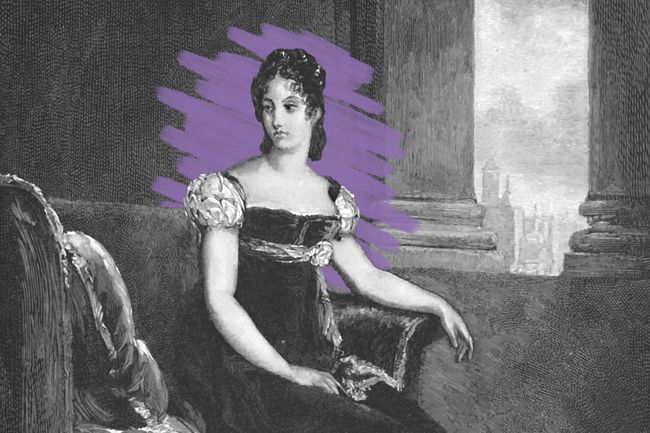
Said to have been inspired by Napoleon’s own relationship with Bernardine Eugénie Désirée Clary, the story details the doomed romance between a revolutionary French soldier and a woman he meets at a public bath. At just 17 pages, it’s less a major literary work than an interesting footnote in a fascinating life.
“Their eyes met. Their hearts fused,” Napoleon wrote of Clisson and Eugénie’s meet-cute, adding that she “was like a piece by Paisiello which transports and elevates only those souls born to appreciate it, leaving ordinary people unaffected.” Only Clisson — a stand-in for Napoleon — is wise enough to see what makes Eugénie so special, though the protagonists’ star-crossed love affair ends tragically. Clisson eventually returns to war, during which time Eugénie is seduced by one of his friends; after learning of her infidelity, Clisson leads a suicidal charge and dies in battle.
The novella wasn’t translated into English until 1972, but the current edition claims — perhaps dubiously — that it “makes the reader regret that Napoleon Bonaparte did not write more fiction.”


