




Italy once called for the abolition of pasta.
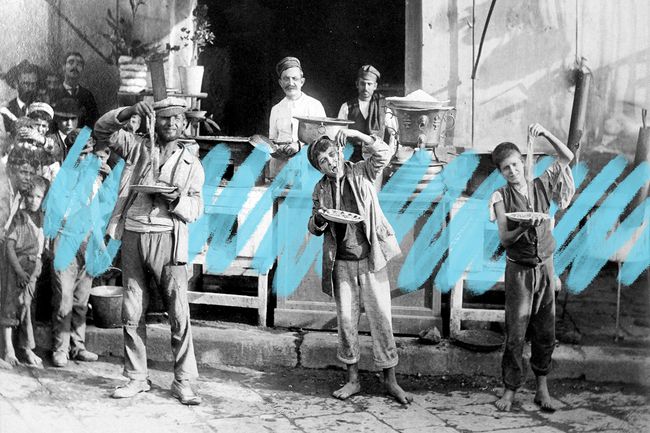
Pasta is a culinary staple worldwide, but in Italy it’s also a cultural institution — which is why it’s shocking to consider that the country once tried to abolish the food.
During the 1920s and 1930s, Benito Mussolini’s fascist government pushed a campaign against pasta that was framed as an attempt to improve public health. Some officials and allies of the regime argued that a modern, stronger nation would be better off with fewer carbohydrates and more protein. People who ate pasta, proponents claimed, were sluggish and bloated, and merely trying to fill an insatiable emotional emptiness.
But the campaign had ulterior motives. Since pasta relied heavily on imported wheat, the anti-pasta rhetoric was really an effort to reduce foreign economic dependence and to tighten control over everyday civilian life by increasing domestic crops such as rice.
Many Italians, perhaps unsurprisingly, resisted Mussolini’s efforts. In the rice fields of northern Italy, working-class women known as the mondine organized strikes and protests over poor wages and conditions. Elsewhere, the mayor of Naples defended pasta by saying, “The angels in Paradise eat nothing but vermicelli al pomodoro.” By the 1940s, the fascist control over Italians’ everyday diet had shifted, overtaken by the realities of World War II and a population far more concerned with eating at all than with the details of the menu.


