




Alaska was sold to the U.S. for 2 cents an acre.
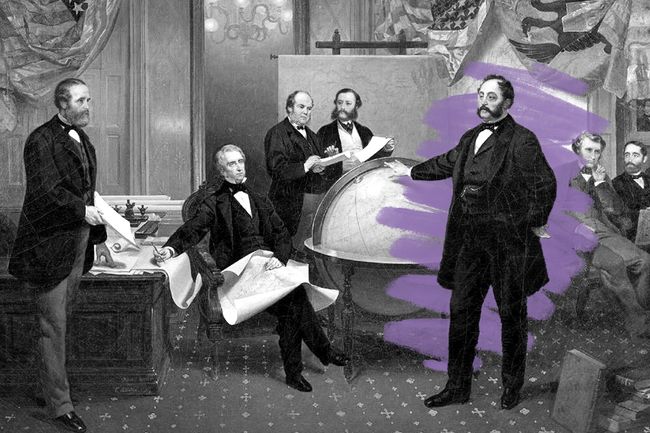
Before it was part of the United States, Alaska belonged to the Russian Empire. By the 1860s, however, Russia was eager to sell the territory. The country had been weakened by the Crimean War, and Alaska’s remote location made it difficult to defend and maintain. So in 1867, the United States agreed to purchase the frozen expanse for $7.2 million (roughly $162 million today) — or just 2 cents per acre for a territory that is more than double the size of Texas.
Secretary of State William H. Seward negotiated the deal; he had long supported American expansion, envisioning a nation whose borders might stretch from the tropics to the polar circle. A handful of critics, most notably the New-York Tribune, questioned the value of the icy land and popularized mocking the deal as “Seward’s Folly.”
In hindsight, of course, the deal was less folly than it was foresight. Alaska proved rich in natural resources including timber, gold, and oil, and geographically it was valuable to U.S. trade and national security — benefits that came to far outweigh its modest purchase price.


