





The Gift the Inventor of Mother’s Day Wanted You To Give
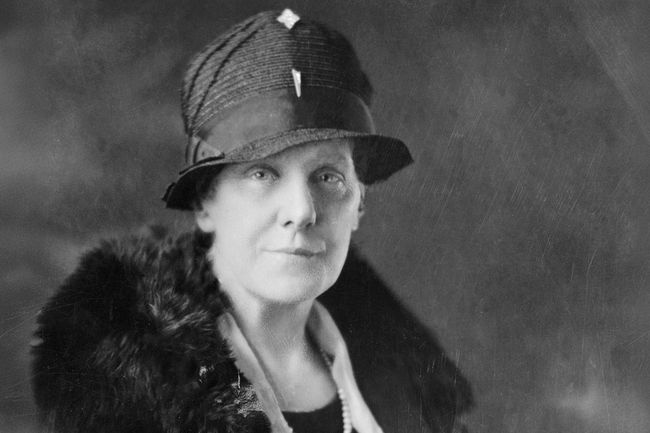
For Anna Jarvis, Mother’s Day was never about cards or brunch reservations. Her original vision of the day was a quiet one, built around honoring her late mother, Ann Reeves Jarvis, a Civil War caregiver and community organizer who spent her life bringing people together. Jarvis’ ideas about what a Mother’s Day gift should be were deeply personal, and she wanted everyone to honor their mom with something equally meaningful. So when the holiday she invented turned into a retail event, she spent decades trying to take it back to its roots.
Her First Gift Was 500 Carnations
Mother’s Day began as a church service. Jarvis organized the first Mother’s Day service on May 10, 1908, at the Andrews Methodist Episcopal Church in Grafton, West Virginia, where her mother had taught Sunday school for more than two decades.

Andrews Methodist Episcopal Church. Credit: © Wirestock, Inc./Alamy
But Anna didn’t attend. Instead, she sent 500 carnations, with instructions for each attendee to wear one to honor their own mother. Jarvis chose the carnation deliberately. It was her mother’s favorite. Each flower was a small, private tribute, worn by a single person for their mom.
Her Mother Was the Reason for All of It
The elder Jarvis was a remarkable figure. During the Civil War, she organized “Mothers’ Day Work Clubs” in Appalachia to improve sanitation and reduce infant mortality while caring for wounded soldiers. After the war, she helped coordinate a “Mothers’ Friendship Day” that brought former enemies together in the same room to shake hands. When she died in 1905, Anna set out to make sure her name and work wouldn’t be forgotten.
The Punctuation Was Intentional
Jarvis trademarked “Mother’s Day” as a singular possessive, not plural. The distinction mattered. The holiday was meant to honor one specific woman, with her name, her history, and her story. Historian Katharine Antolini, who wrote the definitive scholarly account of Jarvis’ life, has noted that the singular framing was the entire point of the holiday.
Jarvis also trademarked the phrase “second Sunday in May,” meaning nearly every florist selling a “Mother’s Day” bouquet on the “second Sunday in May” was, technically, infringing on the trademark.
It Became a National Holiday
Jarvis wanted Mother’s Day made official so it couldn’t be dismissed or altered from its original purpose. Jarvis wrote thousands of letters to senators, governors, and newspaper editors, finding early allies in department store owner John Wanamaker and ketchup magnate H.J. Heinz. By 1912, Mother’s Day was being observed in churches and towns across the country. In 1914, President Woodrow Wilson signed a proclamation making it a national holiday on the second Sunday in May.
Then She Tried to End It
Within a decade, the holiday had slipped away from her. Florists hoarded white carnations every May and raised their prices to capitalize on demand. The industry also invented a new rule: red carnations for living mothers and white for deceased, to diversify sales.
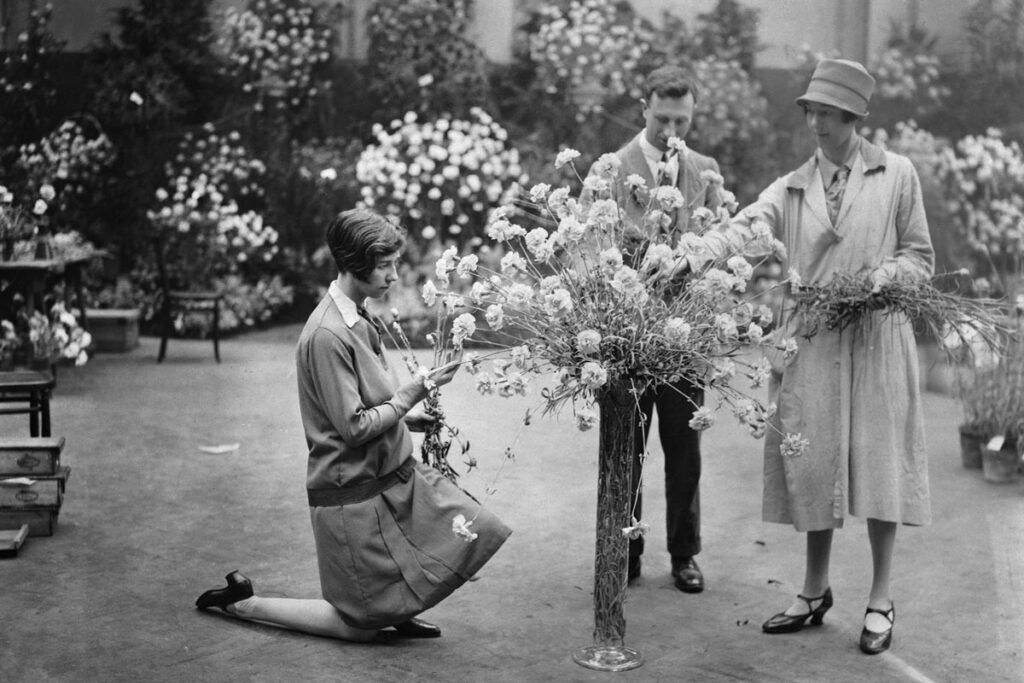
Credit: © Hulton Deutsch—Corbis Historical/Getty Images
Jarvis filed dozens of lawsuits against businesses for misusing the phrase “Mother’s Day.” In 1925, at 61, she was arrested for disturbing the peace at a convention of the American War Mothers while protesting the sale of carnations.
The Gift She Actually Wanted
Jarvis didn’t really want Mother’s Day gone. She wanted it returned to what she’d imagined: a specific mother, honored specifically. No two moms have the same story, and no two gifts should either.
More than a century later, Jarvis’ original version still feels right. A Mother’s Day gift that celebrates your mom — not a generic gesture, but something rooted in her life and history.
That’s the idea behind the MyHeritage DNA kit. A simple cheek swab reveals your mom’s unique ethnic mix, tracing her roots across continents and cultures. It can connect her with relatives she didn’t know existed and unlock stories she’s never heard.
For a limited time, the MyHeritage DNA kit is $19.90 (regularly $89). And for a deeper view into your mom’s history, the MyHeritage DNA kit + 30-day Complete free trial is also $19.90. With more than 39 billion historical records and a global network of family trees, Complete can surface the great-grandmother whose maiden name got lost, the village her family left behind, or a photograph of her grandmother as a child.
The MyHeritage DNA kit is a gift that keeps giving long after Mother’s Day is over.
To give your mom the kind of gift Jarvis had in mind, visit MyHeritage.com
This story was paid for by an advertiser. History Facts’ editorial staff was not involved in the creation of this content.
Sponsored Content



This story was paid for by an advertiser. History Facts' editorial staff was not involved in the creation of this content.