




Popular Breakfast Foods That Used To Be Dinner Foods
Why do pancakes remind us of a lazy Sunday morning ritual but seem like a strange choice at 7 p.m. on a weekday? And why do we whip up an omelet before work but rarely think to serve eggs for dinner? Many of the foods we now associate with breakfast weren’t always tied to the first meal of the day. Indeed for much of history, the idea of “breakfast foods” didn’t exist at all.
While breakfast has been around for centuries, the modern concept of it as a specialized category of food emerged primarily in the late 19th and early 20th centuries. Before the Industrial Revolution, meals were shaped largely by agricultural labor cycles and household food availability, and people commonly ate similar foods throughout the day. Industrialization transformed daily life by imposing standardized work hours and commuting routines, creating demand for quick, portable, and easily digestible morning meals.
Meanwhile, the rise of packaged foods, advertising, and mass media introduced new ideas about nutrition, health, and productivity, helping define what breakfast should look like. Here are six foods that once graced the dinner table but have become associated primarily with breakfast.
Pancakes
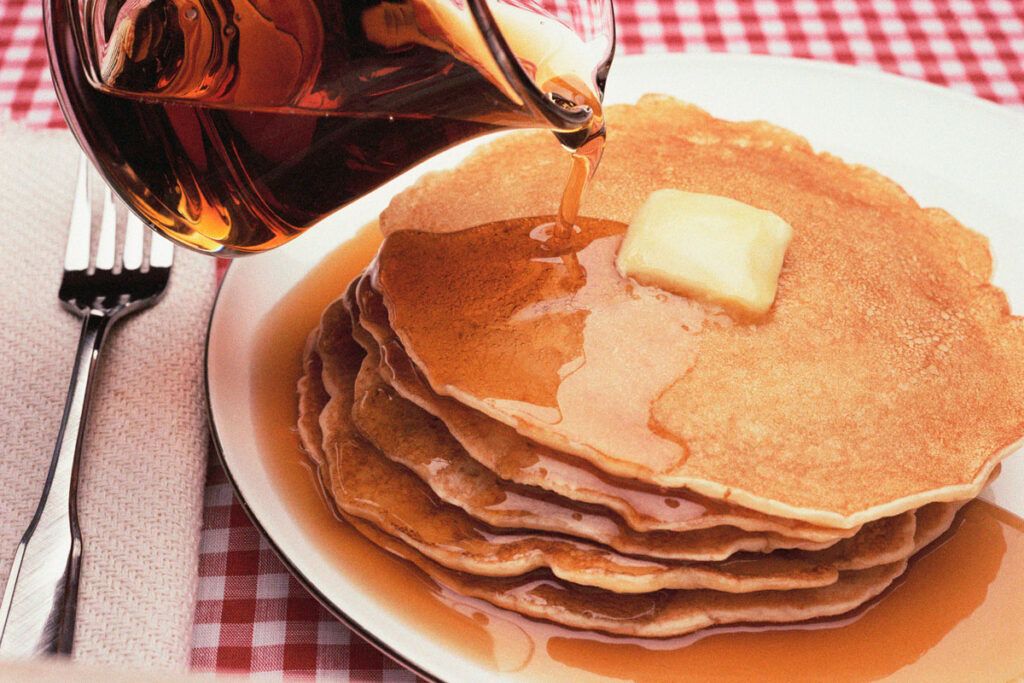
In colonial America and through much of the 19th century, pancakes — also known as flapjacks, hoecakes, johnnycakes, or slapjacks — were served not just at breakfast but also for dinner (the day’s main midday meal, or what we’d call lunch today) and supper. Early American cookbooks, such as American Cookery (1796), include multiple versions of pancakes made from wheat flour or cornmeal. They might be eaten with butter, molasses, maple syrup, or alongside savory dishes and meat drippings. Rather than belonging to a specific mealtime, pancakes functioned much like bread: inexpensive, filling, and adaptable.
Their tighter identification with breakfast developed gradually in the late 19th and early 20th centuries. As printed breakfast menus became more standardized in hotels, restaurants, and eventually diners, pancakes appeared more consistently as a morning offering. Commercial baking powder made lighter cakes easier to prepare, and affordable syrup brands such as Long Cabin and Aunt Jemima (introduced in 1887 and 1888) reinforced the pairing of pancakes with sweet toppings and the morning meal. By the mid-20th century, pancakes were culturally framed almost exclusively as breakfast food, and their long history as an all-day staple was largely forgotten.
More from our network






Bacon and Eggs
For much of American history, neither bacon nor eggs belonged exclusively to breakfast. Eggs were an everyday, all-purpose food in the 18th and 19th centuries, appearing at breakfast but also at dinner and supper in omelets and other fried or baked dishes. Cookbooks such as The Virginia Housewife (1824) include savory egg dishes suited to the day’s main meal. Bacon, meanwhile, was part of the broader salt pork tradition, valued for its preservation qualities and caloric density. In colonial and 19th-century households, cured pork was commonly served with beans, greens, cabbage, or potatoes, or used to flavor stews and vegetables.
The strong association of bacon and eggs with breakfast took shape in the 1920s. Seeking to boost sales, the Beech-Nut Packing Company launched a publicity campaign promoting the foods as the ideal hearty breakfast. The effort encouraged physicians to endorse substantial protein-centered morning meals and publicized the pairing nationwide. Restaurants, hotels, and the growing American diner culture soon standardized bacon and eggs as the centerpiece of breakfast menus. By the mid-20th century, the combination had become synonymous with “the most important meal of the day” — overshadowing the long history of both foods as common components of dinner and supper.

Hash
Hash began as a practical leftover dish. The word comes from the French hacher, meaning “to chop,” and by the 18th and 19th centuries, English and American cookbooks described hash as chopped cooked meat — often beef or mutton — reheated with onions, potatoes, and gravy. Before refrigeration, this was an economical way to repurpose Sunday roasts into the next day’s dinner or supper. Many early American cookbooks include hashed meat recipes as main dishes rather than breakfast fare. By the mid-19th century, inexpensive restaurants serving cheap, reheated fare were colloquially known as hash houses.
Hash migrated to the breakfast table gradually in the late 19th and early 20th centuries. Its ability to be reheated quickly made it well suited to restaurant and hotel breakfast service, and by the early 1900s corned beef hash appeared regularly on printed breakfast menus. The growth of diners further cemented the association — particularly as canned corned beef became widely available in the late 19th century. By the mid-20th century, hash was primarily a breakfast or brunch dish, despite its origins as a dinner made from leftovers.

Chicken and Waffles
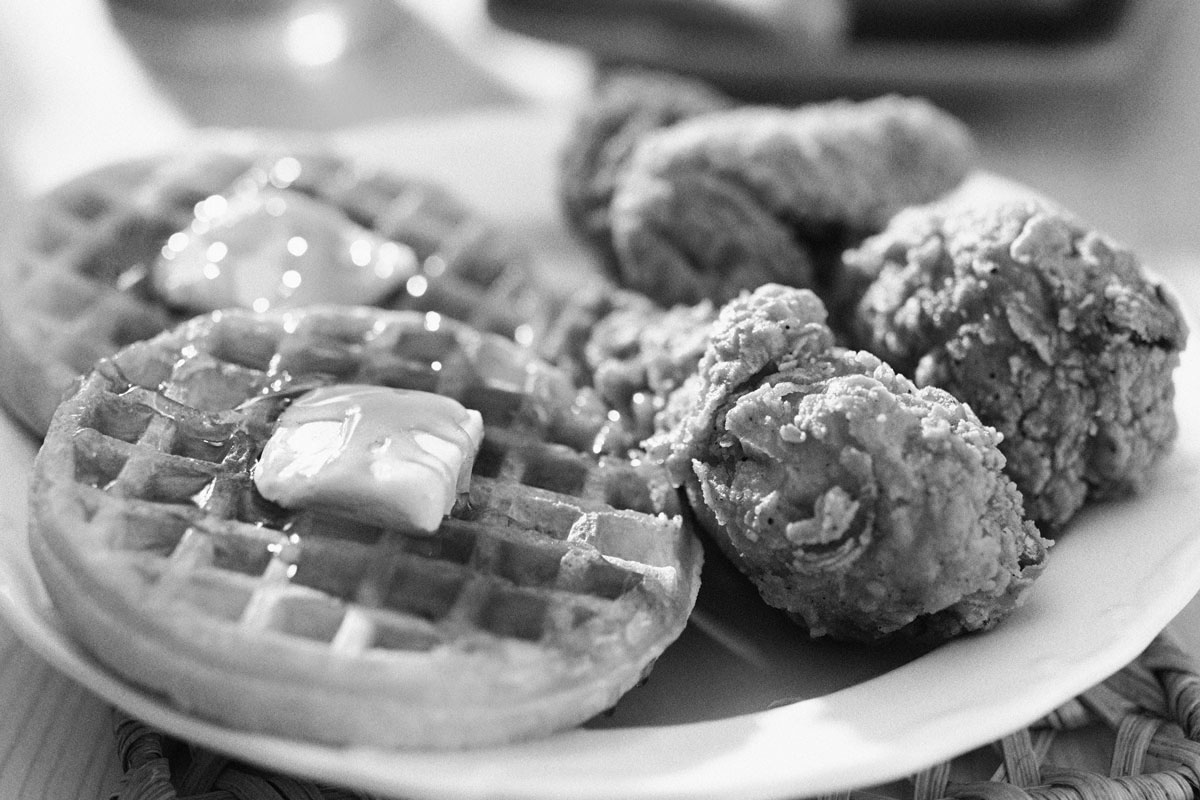
Waffles have a long history in the United States, arriving with Dutch settlers in the 17th century and becoming especially prominent in Pennsylvania Dutch cooking. In the 18th and 19th centuries, waffles were not strictly a breakfast food — they appeared at lunch and supper as an accompaniment to roasted or stewed meat. Often served with savory accompaniments rather than syrup, they were versatile enough to soak up gravies, stews, and other rich sauces. In Pennsylvania Dutch communities, waffles topped with pulled chicken and gravy were a traditional Sunday dinner, a hearty meal rather than a morning treat.
The pairing of fried chicken and waffles developed separately and later. In 1930s Harlem, venues such as the Wells Supper Club served the dish to late-night crowds leaving clubs and theaters, offering a satisfying combination that bridged dinner and breakfast cravings. By the late 20th century, chicken and waffles shifted into a sweet and savory breakfast and brunch staple, particularly as restaurant culture expanded and diners embraced indulgent morning fare.


