



What Did History’s Most Important Moments Smell Like?
Think about the historical moments you’ve learned about over the course of your life — scenes shaped by textbook descriptions, famous photographs, paintings, or old newsreels. Some historical events left tangible evidence behind: documents, tools, clothing, buildings, and personal objects that help anchor those happenings in the real world. By the late 19th and early 20th centuries, many of history’s turning points were even documented with sound, preserved on scratchy recordings or early film.
But there’s one sense that we rarely consider when talking about the past: what history smelled like. It’s not something most of us have considered because it’s not usually possible to bottle or archive an odor from the past. Still, the historical moments that we know so much else about had distinct smells shaped by their environment. When we pause to imagine the smell of pivotal events, history becomes less distant and more immediate. Here’s what some of the most important moments in history likely smelled like.
The First Olympic Games (776 BCE)
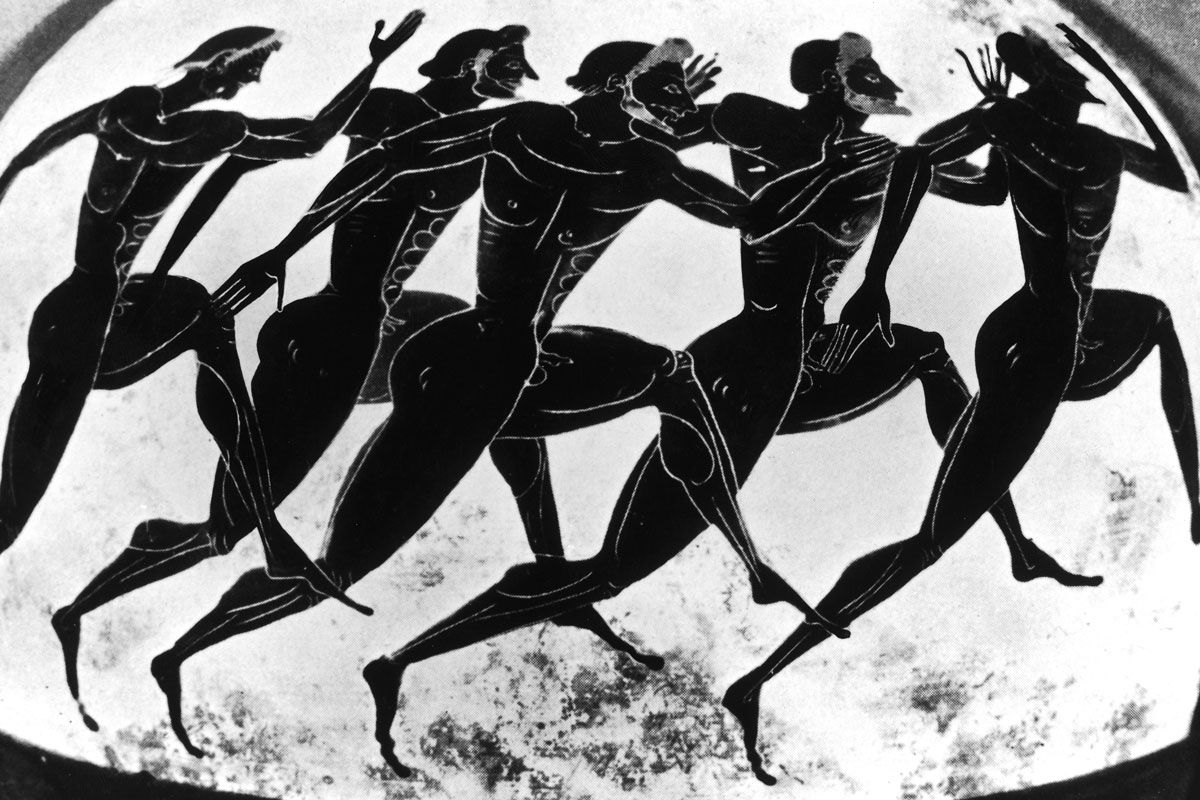
The first recorded Olympic Games, held at Olympia, Greece, in 776 BCE, unfolded in air thick with oil, dust, and body odor. Athletes often competed nude with their bodies massaged and coated in olive oil that smelled fresh, grassy, and faintly bitter, clinging to skin warmed by the sun. Mixed with this was the sharp, salty odor of sweat from unwashed bodies, intensified by days of exertion, heat, and close proximity in training and competition areas, where physical contact further concentrated these smells.
Underfoot, dry earth and trampled grass released dusty, mineral scents as crowds moved through the grounds. Animal dung from pack animals, human waste in nearby latrines, and food scraps added to the odors. Herbal garlands of laurel, thyme, and wildflowers contributed pleasant aromas, while animal sacrifices to Zeus created a heavy odor of greasy smoke and charred meat that lingered throughout the area. It was a smell of dedication and competition, marking the Olympics as both a religious festival and a test of physical excellence.
More from our network






Signing of the Declaration of Independence (1776)
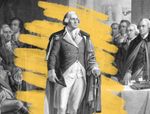
In May 1776, John Adams wrote, “The Affairs of America, are in so critical a State… Yet I dread the melting Heats of a Philadelphia Summer.” In the days leading up to the signing of the Declaration of Independence — which was adopted on July 4, 1776, and officially signed on August 2 — the air would have felt oppressive inside the Pennsylvania State House, crowded with dozens of men in wool waistcoats. Ink, parchment, and wood lent mild background scents, but unwashed clothing and body odors likely grew stronger as debates dragged on through long, poorly ventilated days. Open windows offered little relief, admitting warm air along with faint smells of horses, street dust, and nearby waste.
Meanwhile, light came from a mix of candles that added their own scents into the mix. Cheap tallow candles released a greasy, smoky odor that further thickened the air, while beeswax and bayberry candles — likely used for such an important occasion — burned more cleanly. Beeswax added a subtle honeyed sweetness, and bayberry a crisp, herbal note, though it’s probable neither could fully counter the dense combination of heat, smoke, sweat, and wool filling the room.

The Battle of Waterloo (1815)
From the opening hours of the Battle of Waterloo in June 1815, the battlefield was likely dominated by the sharp, acrid scent of gunpowder from cannons, muskets, and rifles. Rain-soaked Belgian soil released a damp, earthy odor as tens of thousands of boots, hooves, and wheels churned the ground. Thousands of horses added the smells of exertion, hay, and urine, while wool uniforms and leather from saddles, boots, and harnesses contributed heavy, pungent notes. Natural odors from grass, crops, and nearby trees likely quickly overpowered by the smells of battle.
As the day wore on, the air likely grew heavier with the scent of blood and open wounds from both soldiers and animals, adding a metallic tang that mixed with the existing smoke, sweat, and scorched earth. Fallen horses and casualties probably contributed to the lingering odors, particularly in areas where bodies and animals accumulated. By the time the weapons fell silent, low-lying areas where water collected carried the first smells of decay. Observers who arrived in the days and weeks following the battle described it as the smell of death.

Queen Victoria and Prince Albert’s Wedding (1840)
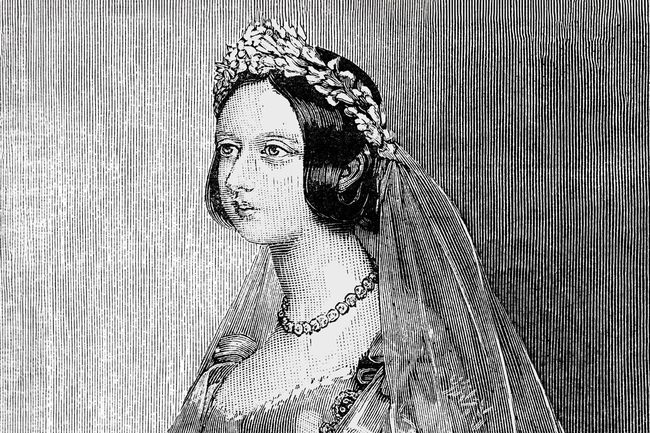
On February 10, 1840, Britain’s Queen Victoria married Prince Albert in a ceremony followed closely by the nation, and scent played a quiet but powerful role in shaping the day’s atmosphere. Victoria herself was a fragrant presence: A wreath of orange blossoms crowned her hair, their delicate, sweet aroma signaling love, purity, and fertility. Sprays of the same blossoms decorated her bodice and trimmed her silk satin gown, infusing her immediate surroundings with a light, floral perfume. Orange blossom was so closely associated with this ceremony that it became a lasting bridal tradition in Britain.
The Chapel Royal at St. James’s Palace was awash in subtle scents on the day. Floral arrangements of orange blossom, myrtle, and white seasonal blooms filled the air with leafy and floral notes, softening the chapel’s stone interior. Beeswax candles burned cleaner without the smoke of tallow candles and added a faint honeyed aroma. The natural fabrics of the attendants’ garments — silk, wool, and linen — carried their own organic, slightly sweet scent. Meanwhile, perfumes, colognes, and hair pomades likely added hints of lavender, rose, and other florals, and the resin smell of furniture polish — made from beeswax, linseed oil, and turpentine — lingered on pews and railings.

The Wright Brothers’ First Flight (1903)
On a chilly December day in 1903 in Kitty Hawk, North Carolina, the air carried the clean, biting scent of the Atlantic, swept inland by a brisk north-northeast wind. Salt, damp sand, and cold grass dominated the dunes, typical for the coastal environment. The first new smells came from the Wright Flyer itself: Its wings were made of unbleached muslin stretched over a wooden frame of spruce and ash, with metal fittings and rope used in the control mechanisms. When the Wright brothers’ custom gasoline engine started, it likely released the distinctive odors of fuel, lubricant, and heated metal, sharply contrasting with the crisp sea air.
The first successful powered flight lasted only about 12 seconds and covered roughly 120 feet, so these industrial smells were likely brief and localized. The handful of witnesses standing nearby would have caught the fleeting scent of the engine and moving mechanical parts as the aircraft lifted off, before the strong coastal wind dispersed them across the dunes.


