




6 Jobs That Paid More in the Past

Today, the future is full of big promises, and careers in fields such as artificial intelligence, cybersecurity, and climate science are expected to produce the next generation of top earners. But history reminds us that many of the jobs that once paid really well no longer deliver the same economic security. Over the years, technology, deregulation, and shifting markets have steadily eroded pay and bargaining power. These six occupations are reminders that even the most lucrative careers can shift with the changing times.
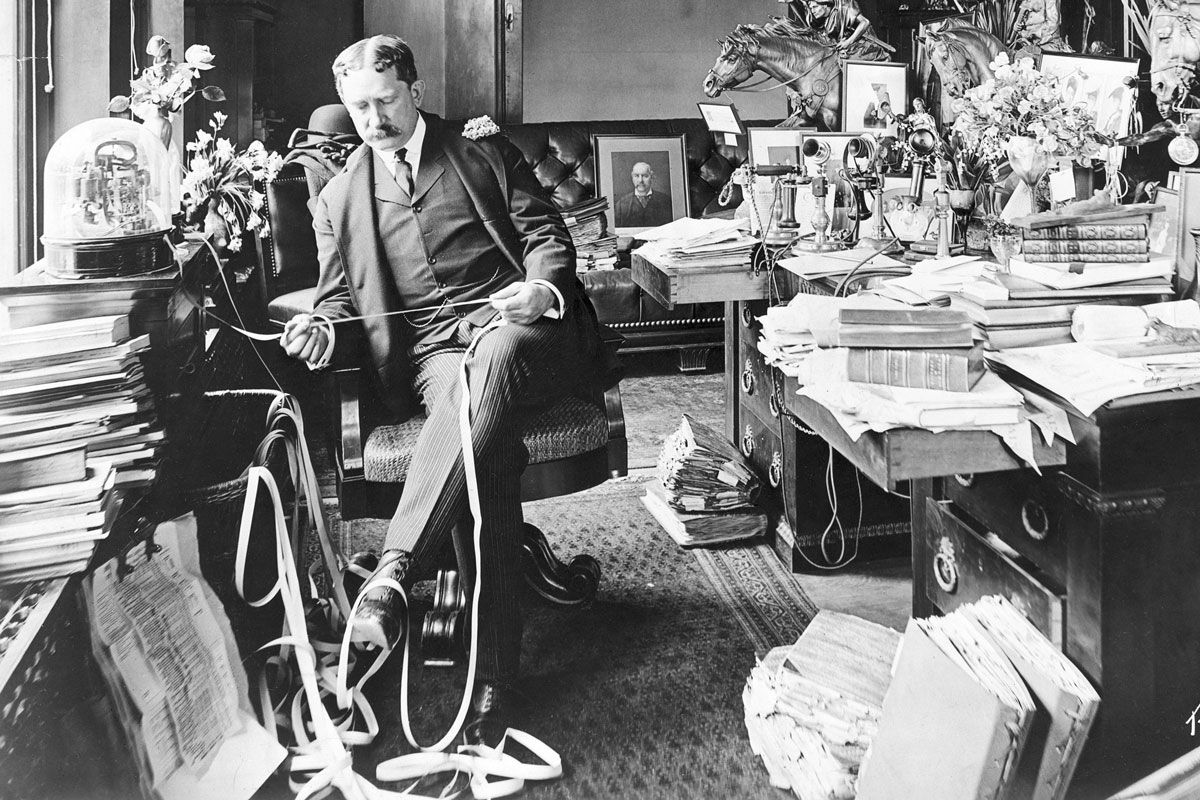
Stockbroker
In the 1950s through the early 1980s, stockbrokers occupied an elite position in the American labor market. Trading commissions were fixed, information was scarce, and brokers acted as essential gatekeepers to financial markets. While precise figures are difficult to pin down because compensation was heavily commission-based and not consistently captured in government wage data, average salaries in 1969 ranged between $13,000 and $20,000, or $118,000 to $182,000 when adjusted for inflation. Top performers could earn much more, and regulations effectively guaranteed commissions.
Deregulation on May 1, 1975, known as “May Day,” eliminated fixed commissions and fundamentally changed the industry. Discount brokerages, online trading platforms, and algorithmic trading stripped individual brokers of their pricing power. But even with the new rules, many brokers continued to command impressive salaries into the 1980s, with an average salary of $79,000 in 1985 — or $242,000 in today’s dollars. Currently, the median salary for a securities, commodities, and financial services salesperson sits around $78,000 annually. Some brokers still earn commissions or performance-based bonuses on top of their base pay, but commissions are typically smaller and less central to earnings than they once were. While a small minority still earn very high incomes, the average stockbroker now makes a fraction of what the role once commanded.
More from our network






Airline Pilot
Commercial airline pilots were once among the most highly paid professionals in the transportation sector. In 1978, the average annual salary for a pilot was $57,000, with senior captains at major U.S. airlines earning as much as $110,000, along with generous pensions, defined-benefit retirement plans, and strong job security. Today, those salaries would be equivalent to around $300,000 to $570,000.
The Airline Deregulation Act of 1978 and the subsequent rise of regional and low-cost carriers altered industry structure and compensation patterns, with many pilots at smaller carriers earning far less than those at major airlines. The loss of strong union bargaining power further reduced compensation. While senior captains at major airlines can still earn high salaries, the median airline pilot today earns closer to $138,000, and many pilots earlier in their career earn far less.

Steelworker
In the mid-20th century, unionized steelworkers formed the backbone of American industrial prosperity and were among the best-paid blue-collar workers in the country. In 1965, a steelworker’s average weekly pay was around $145 — about $7,540 annually, or $78,000 adjusted for inflation. The job came with secure pensions, employer-paid health care, and strong labor union protections reinforcing long-term security.
Beginning in the 1970s, global competition, automation, and the restructuring of domestic manufacturing sharply reduced employment and weakened labor’s bargaining power. Foreign steel imports, plant closures, outsourcing, and declining union membership eroded both wages and benefits. Today, U.S. steelworkers earn closer to $62,000 annually on average, and there are far fewer of the lifetime benefits that once defined the job. In real terms, total compensation has fallen substantially from its midcentury peak, even as productivity demands have increased.

Journalist
Journalism was once a reliable middle-class career, particularly at metropolitan newspapers. By the end of the 1950s, staff reporters earned around $122 per week — about $6,300 annually or just over $70,000 in today’s dollars — with editors and senior correspondents earning more, especially at major city papers. Newspapers enjoyed near-monopoly control over local advertising, which provided a steady revenue stream that funded large newsrooms, foreign bureaus, investigative desks, and long-term careers. Unionization through organizations such as the American Newspaper Guild reinforced job security and standardized pay scales.
The collapse of print advertising, the rise of digital media, and consolidation in the industry dismantled that model. Today, the median journalist salary in the U.S. is around $57,500, and many reporters earn significantly less, particularly in local newsrooms that have been hollowed out or shuttered entirely. Freelance work, contract roles, and layoffs are common as news organizations struggle to replace lost advertising revenue with subscriptions, platform partnerships, and venture funding, reshaping journalism into a far less stable and lucrative career than it once was.

TV Repair Technician
In the early decades of television ownership, repair technicians were indispensable. In 1960, a skilled technician typically earned about $100 to $130 per week — roughly $5,000 to $6,700 annually, or approximately $50,000 to $75,000 in today’s dollars. These experts serviced expensive television sets that households expected to maintain for years. Televisions were built with replaceable components, repairs were routine, and service calls were a normal part of ownership, keeping trained technicians in steady demand.
Advances in electronics fundamentally changed that economic model. Flat-screen televisions became inexpensive, sealed, and difficult to repair, making replacement cheaper than service and effectively eliminating traditional, consumer-facing TV repair. While some modern electronics technicians earn solid incomes in industrial or specialized technical fields, the closest contemporary equivalent — electrical and electronics repair technicians working outside of manufacturing — has an average annual salary of $41,000.

Retail Sales Associate
In the mid-20th century, department store salespeople typically worked full-time schedules and often had access to commissions, employee discounts, and other benefits. While precise wage data for individual sales roles is limited, historical accounts suggest that full-time sales staff at major urban department stores — such as Marshall Field’s, Gimbels, and Macy’s — could earn the equivalent of $50,000 to $70,000 per year in today’s dollars, providing a stable, middle-class income with opportunities for advancement.In contrast, modern retail has shifted heavily toward part-time and seasonal schedules, flat hourly wages, and little to no benefits. The median income for a full-time retail salesperson today is about $34,700 per year, but most work irregular hours with few opportunities for career growth.


