




What Did Victorian Ladies Actually Carry in Their Purses?
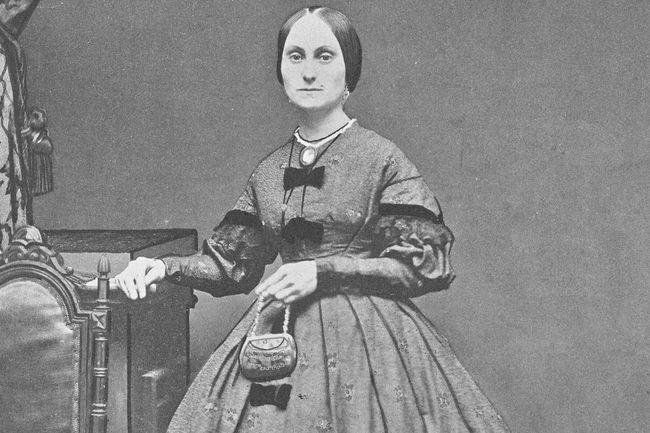
Victorian-era England was a time of rapid industrial change but also strict social rules and customs — especially for women. Middle- and upper-class women were expected to appear modest and composed at all times, and even the smallest details of their appearance were carefully considered.
In an era when women had limited legal and financial rights, a purse represented a form of independence. In 1853, American suffragist Susan B. Anthony wrote in her diary, “Woman must have a purse of her own.” Also known as a reticule, this small handbag was one of the few personal belongings a Victorian woman kept close and carried herself. Though small, it held the necessities of daily life — items that allowed her to move through public spaces with confidence, propriety, and a degree of self-reliance.
So, what exactly would you find inside these important pouches? Let’s take a peek.
A Purse of Her Own
Victorian women’s fashion was famously elaborate and layered, built around corsets, petticoats, crinolines, and later, bustles. These dramatic silhouettes left little room for practicality. Pockets were rare or difficult to reach, and tie-on pockets, which were popular in the 17th and 18th centuries, disappeared as styles shifted. Yet as women’s lives increasingly extended beyond the home — encompassing shopping, visiting, traveling, and attending lectures or concerts — ladies needed a way to carry personal items.
By the early 19th century, the reticule had become the solution. Usually a small, soft bag gathered with a drawstring, it was carried on the wrist or held delicately in the hand. Though satirized in magazines as the “ridicule” because of its tiny size, the purse endured. It fit Victorian ideals of femininity, but more importantly, it provided a private space in a society that closely regulated women’s behavior — earning it the more positive nickname of “indispensable.”
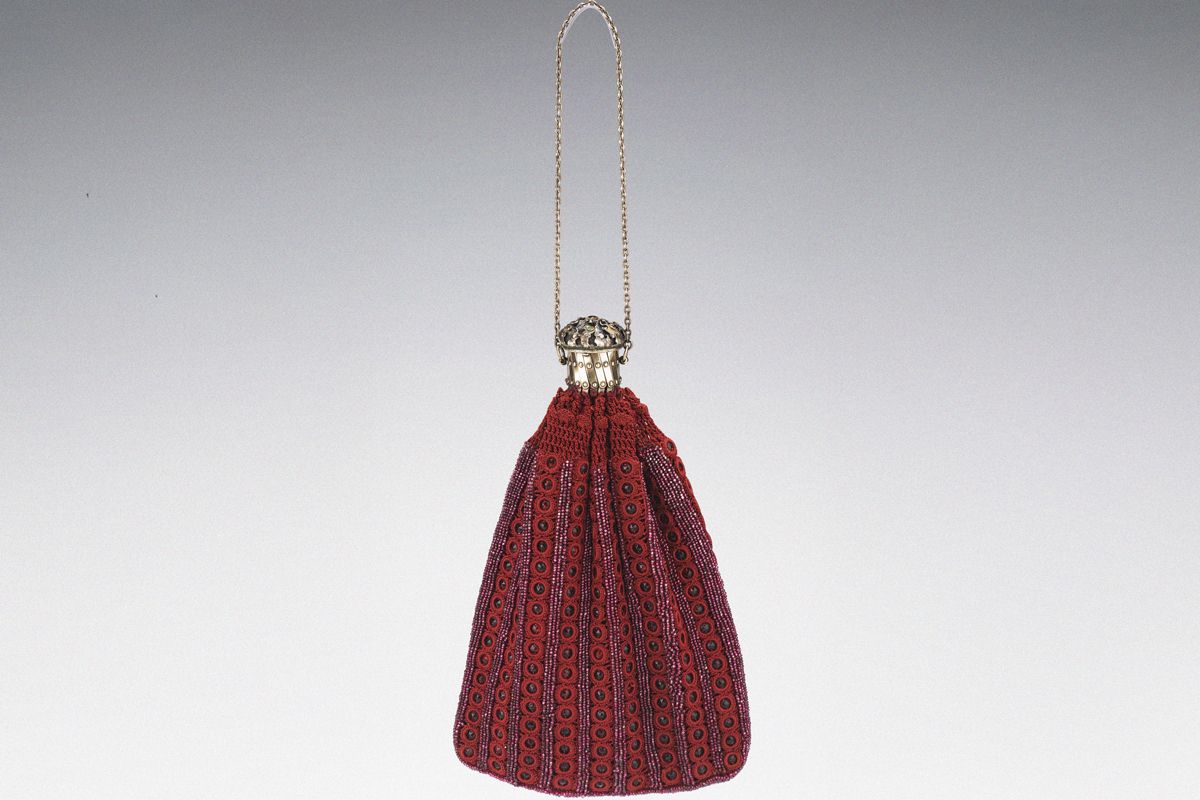
The classic pouchlike reticule was often made of silk, satin, velvet, or fine cotton, embellished with embroidery, beadwork, or tassels. Many women made their own, turning each purse into a showcase of needlework. Later, metal mesh and intricately beaded purses became fashionable, especially for evening wear. These were prized for their shimmer and craftsmanship rather than their capacity. Some beaded purses featured astonishing density, with hundreds of beads per square inch.
In general, Victorian purses were far smaller than modern handbags. Their size was deliberate, signaling refinement and suggesting that the woman carrying it was not burdened by physical labor.
More from our network





Social Essentials
A Victorian woman’s purse was carefully curated to support the social rituals that governed daily life. Calling cards were among the most important items. These small printed cards, bearing a woman’s name, were exchanged during visits or left behind when making a formal call to a home, and they were collected to keep track of one’s social calendar. Indeed, forgetting one could be a major social misstep.
Money was another necessity, though usually in modest amounts. Coins were needed for small purchases, carriage or streetcar fares, tips, and charitable donations. To keep them secure — and prevent awkward rummaging — many women carried a tiny coin purse inside their reticule.
Writing materials were also common. A short pencil, sometimes paired with a small notebook or loose slips of paper, allowed women to jot down appointments, write brief notes, or leave messages. Even these practical tools were often decorative, reflecting the importance of maintaining an elegant appearance.

Hygiene and Grooming Tools
Victorian life, especially in crowded cities, came with sensory challenges. Handkerchiefs were indispensable and nearly universal. Often embroidered and lightly scented, they served hygienic purposes while also functioning as an accessory. A lady might carry more than one.
Vinaigrettes — small silver or metal containers that held aromatics known as smelling salts — were another frequent inclusion. Crowded rooms, poor ventilation, and restrictive clothing made faintness a frequent concern at the time. Fragrant substances offered quick relief and helped minimize unpleasant odors encountered on the street or in public spaces.
Folding fans were also commonly tucked into a purse. These delicate items served multiple purposes: creating a breeze in overheated rooms, offering a discreet way to shield the face, and even aiding in the unspoken language of flirtation and social signaling. Personal grooming items, meanwhile, reflected the era’s emphasis on self-control and presentation. A mirror, small comb, lip salve, and face powder might be carried for discreet touch-ups. These items were meant to be used privately and sparingly, reinforcing the idea that a respectable woman appeared effortlessly composed.

Practical Necessities
Some purse contents addressed the literal constraints of Victorian fashion. For instance, gloves were considered essential attire for public outings, but they were often removed indoors, so women needed to be able to carry them neatly. Button-hooks were also especially useful later in the 19th century, when gloves and boots fastened tightly at the wrist or ankle. These slender tools made dressing and undressing possible without assistance, giving women greater autonomy in public spaces.
Sewing items were also carried. A needle, some thread, and a small pair of scissors allowed women to mend a loose button or torn hem on the spot. While household managers sometimes wore chatelaines — decorative belts with dangling tools — many women tucked these necessities into their purses instead, keeping them close at hand.

Personal Comforts
Not everything in a Victorian purse was strictly functional. Many women carried small sentimental keepsakes such as pressed flowers, miniature photographs, or love notes. These private items offered emotional comfort while remaining hidden from public view.
Prayer cards or religious tokens provided reassurance during travel or illness, reflecting the era’s deep spirituality. And perfume bottles and scented sachets also served both practical and emotional purposes, masking odors while offering a familiar, comforting scent.
Today, surviving Victorian purses — some preserved in museum collections with their original contents intact — offer intimate glimpses into the daily lives of women in centuries past. Though modest in size, these “indispensables” held the tools a lady needed to meet social expectations, care for her body, manage practical challenges, and preserve a sense of self in a tightly regulated world.


