




The Colosseum used to be a housing complex.
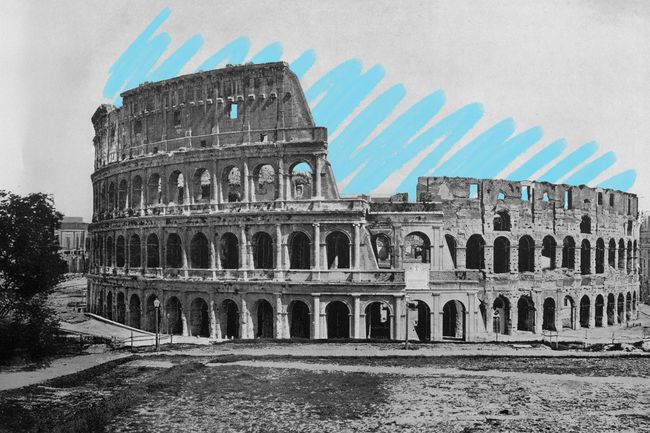
Gladiators haven’t fought in the Colosseum since 404 CE, when Emperor Honorius I put an end to the bloodsport for good. But the iconic structure itself didn’t go away with the battles, of course, and has had many functions in the nearly two millennia since, serving as a cemetery, place of worship, tourist attraction, and even a housing complex.
Friars belonging to the Santa Maria Nova convent rented out the Colosseum for more than five centuries beginning in 800 CE, building stables, workshops, and sewage pipes made from terra cotta. Their tenants represented a cross-section of Roman society and included everyone from aristocrats to humble shopkeepers. Not until a massive earthquake struck Rome in 1349 CE did they abandon the historic landmark, which has since been repurposed many times over.
The era of gladiators lasted even longer, a roughly 650-year span that began in 264 BCE. Their slow decline in popularity was due to many factors, including how costly the fighters were to maintain, but a changing of the religious guard is what ultimately did the games in. The rise of Christianity heralded the end of gladiators, as religious leaders objected to the violent spectacle. Constantine I technically abolished them in 325 CE, a ruling that apparently went unheeded until Honorius I ended the games yet again.


