



Shrapnel is named for a British army officer.
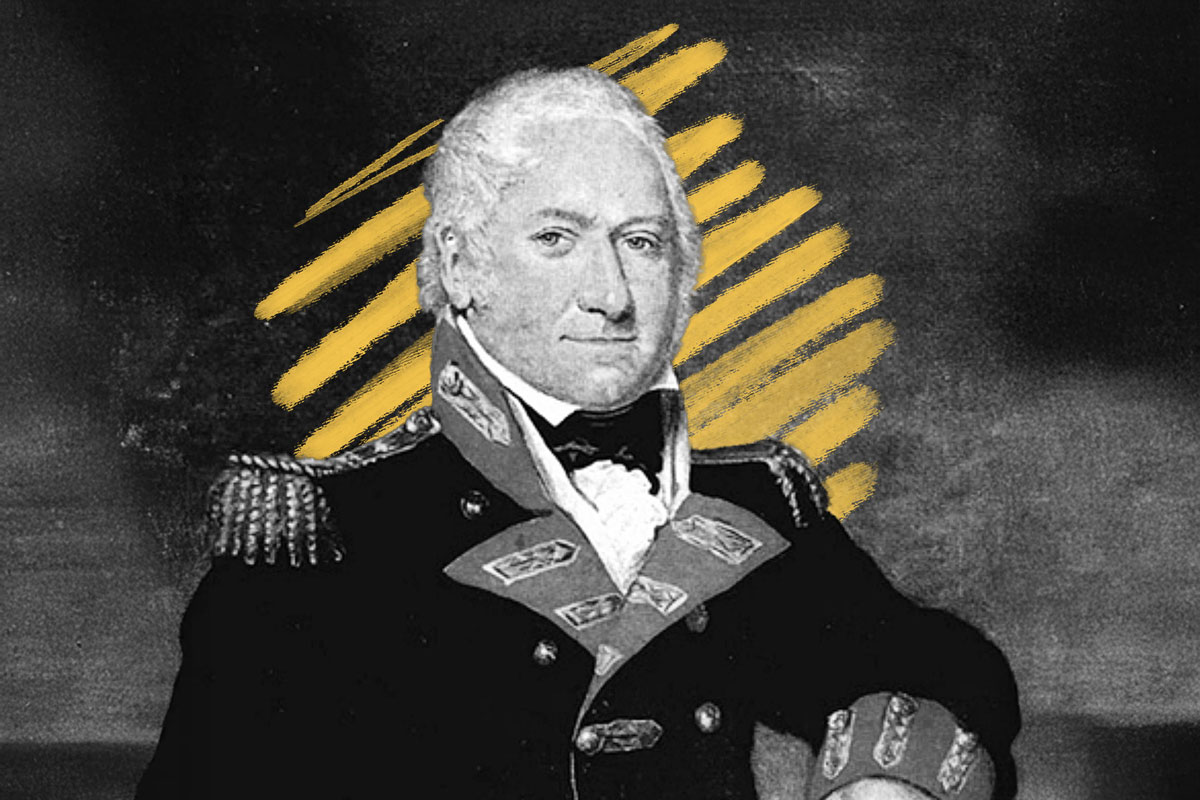
When we talk about shrapnel today, we usually mean jagged fragments of metal blasted from an exploding shell. But the word originally referred to a very specific invention — and to the man behind it.
Henry Shrapnel, born in 1761 in Wiltshire, England, was a young lieutenant in the British Royal Artillery when he began experimenting with a new kind of antipersonnel ammunition. Working at his own expense and in his off-hours, he devised what he called “spherical case shot,” a hollow cannon ball packed with small shot and a bursting charge. A time fuse ignited the charge just before the projectile reached enemy lines, spraying bullets in a highly lethal distribution. Crucially, the shell could be fired from existing guns, making it easier to deploy across the army.
After years of tinkering (squeezed in between postings to Newfoundland, Gibraltar, and the West Indies), Shrapnel submitted his design to the British army. In 1803, they officially adopted it, and within a few years soldiers were calling it simply the “Shrapnel shell.” The invention saw extensive use during the Napoleonic Wars, and caused a majority of the artillery wounds in World War I. Shrapnel, for his part, was awarded an annual pension of 1,200 pounds (around 124,000 pounds in today’s money) in 1814 for his decades of private research to develop his device. But his invention’s legacy far outlasted him. Even after militaries shifted to high-explosive shells, which shattered their own casings into deadly fragments without added bullets, the name stuck.


