




A mapping error made an Italian village an independent republic.
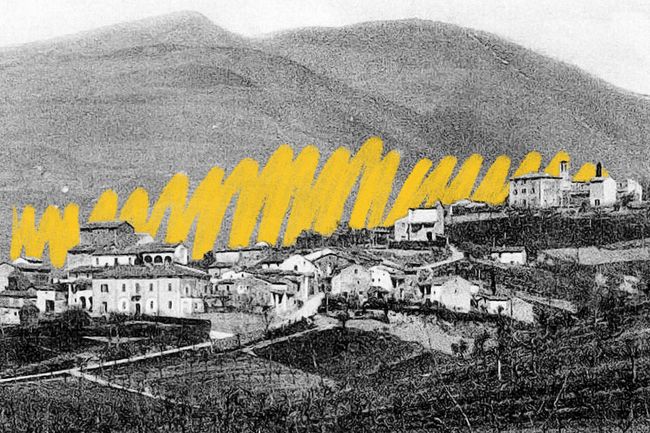
In 1440, a simple mapping mistake left the tiny Italian village of Cospaia in political limbo — and its residents quickly seized on the opportunity to declare their freedom.
The mix-up began after Pope Eugene IV transferred the nearby town of Sansepolcro and the area around it to the Republic of Florence as part of the payment of a large loan. (Yes, apparently the pope can be in debt too.) The treaty specified that the new border should follow a stream called the Rio. Unfortunately, there were two nearby streams known by that name, about .3 miles apart. Florence treated the northern stream as the border, while the Papal States chose the southern one.
The narrow strip of land between them, including Cospaia, was claimed by neither side.
Rather than renegotiate the boundary over such a small territory, the neighboring powers simply left it alone, and Cospaia effectively became an independent republic. Home to only a few hundred people, it had no formal government, no written laws, no army, and no taxes. Local disputes were generally settled by a council of elders, while more complicated legal matters could be taken to courts in neighboring towns.
For more than three centuries, Cospaia’s independence proved surprisingly durable. Its greatest economic advantage came after tobacco arrived in the region during the 16th century. Because neighboring states heavily taxed the crop — or even banned it, in the case of the Papal States — Cospaia became an important center for tobacco cultivation and duty-free trade.
The tiny republic finally disappeared in 1826, when the Papal States and the Grand Duchy of Tuscany grew tired of the situation (by then, Cospaia had reportedly become a den of thieves) and formally divided the territory. As compensation, the villagers received permission to continue growing half a million tobacco plants — and indeed, the region is still known for the crop.


