

The Origin of 7 Surprising Nicknames
Some of the most familiar nicknames in the English language seem to have little in common with the names they’re supposedly short for. How did Chuck become short for Charles, for instance? And why do some Margarets go by Peggy? Many of these curious nicknames carry centuries of linguistic history. Some emerged from playful medieval rhymes, others from sound shifts in everyday speech, and still others from migration, mishearing, or sheer convenience.
The word “nickname” itself also has a somewhat surprising origin, making it a perfect example of how these terms evolve. It comes from the Middle English ekename, meaning “also-name” or “additional name,” built on the Old English word eaca, meaning “an increase.” An ekename was literally an extra name added to the one a person already had. By about the 15th century, saying “an ekename” aloud became “a neke name,” which eventually led to its familiar form: “nickname.”
The word “nickname” has nothing to do with the name Nicholas or the word “nick” — it’s a linguistic accident that stuck, like many nicknames themselves.
Peggy for Margaret
At first glance, Peggy seems like a bizarre detour from Margaret — a name that already comes with a slate of more intuitive nicknames, from Meg to Maggie to Margo. But Peggy follows a classic medieval pattern: rhyming nicknames.
In Middle English, Margaret was commonly shortened to Meg or Mog. From there, medieval English speakers — famous for inventing playful, rhymed pet names that switched up the first letters of a name — spun off new versions. Playing with “m” and “r” names was especially common. Meg became Peg, and Meggy became Peggy.
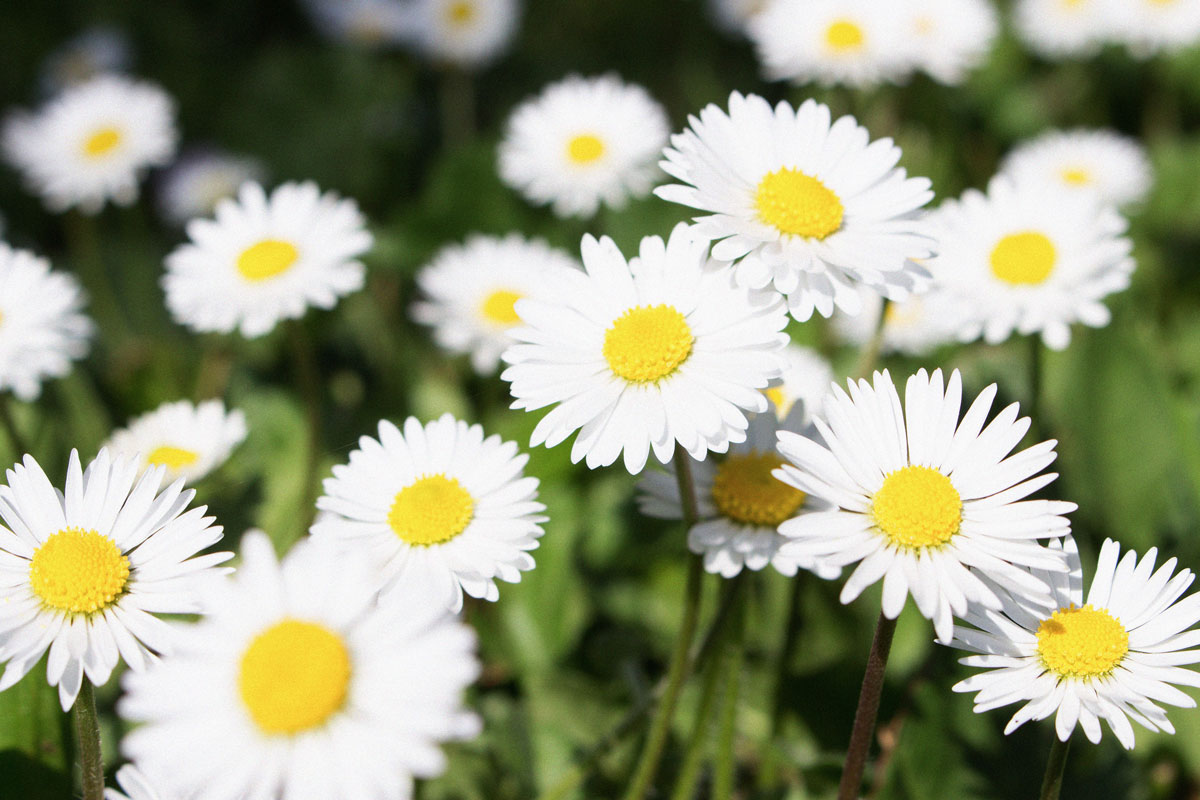
Peggy isn’t the only unexpected nickname Margaret picked up. Educated English speakers in the early modern era also used Daisy, inspired by the French name Marguerite, which means “daisy.” And in an era when families routinely reused the same handful of given names, these nickname detours made practical sense; they were useful for telling one Margaret from another. Luckily for all the Peggys, theirs was a far more charming nickname than one of the era’s less-fortunate options: Some Margarets were called Maggot.
Continue Reading Below
More from our network




Dick for Richard
The name Richard has been around since the Middle Ages, and so have its nicknames. In an era when everything was written by hand, shortening a common name made daily life easier. Rich and Rick were the first shortened versions of Richard to appear, and from there medieval English speakers leaned into one of their favorite linguistic games: rhyming nicknames.
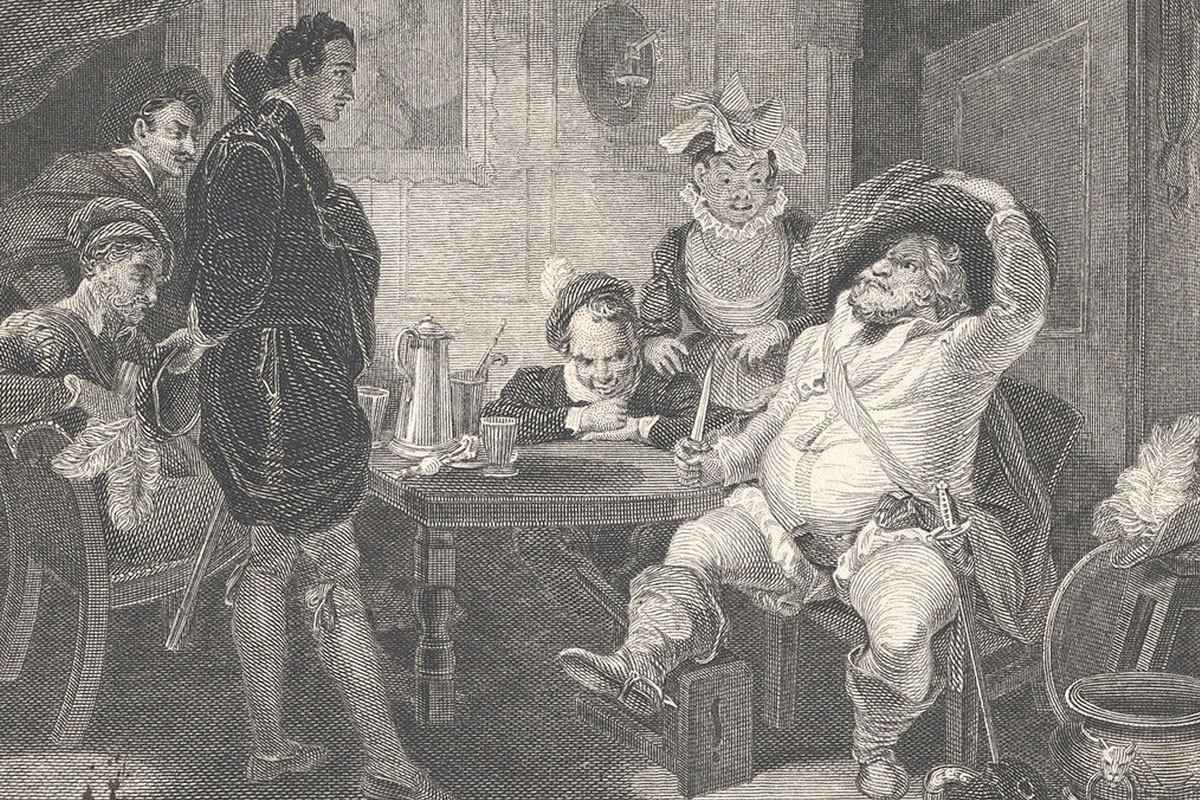
That’s how Rick became Dick — and also Hick, Hitch, and a few others that didn’t survive. Dick, however, stuck. By the 13th century, the nickname was so widespread that it eventually evolved into a generic term for “fellow” or “everyman.” By Shakespeare’s time, Dick was so familiar that the Bard used it as a stock name in Henry IV, pairing it with Tom and Francis to evoke ordinary working men (in this case, a trio of bartenders).
Chuck for Charles
Chuck is an unusual nickname because it seems to have two plausible — and very different — origin stories.
One theory points to Middle English, where Charles was sometimes written as Chukken. That variant may have helped generate Chuck as a shortened, familiar version of the name. It fits neatly alongside other medieval habits of bending and reshaping names into something easier to say.
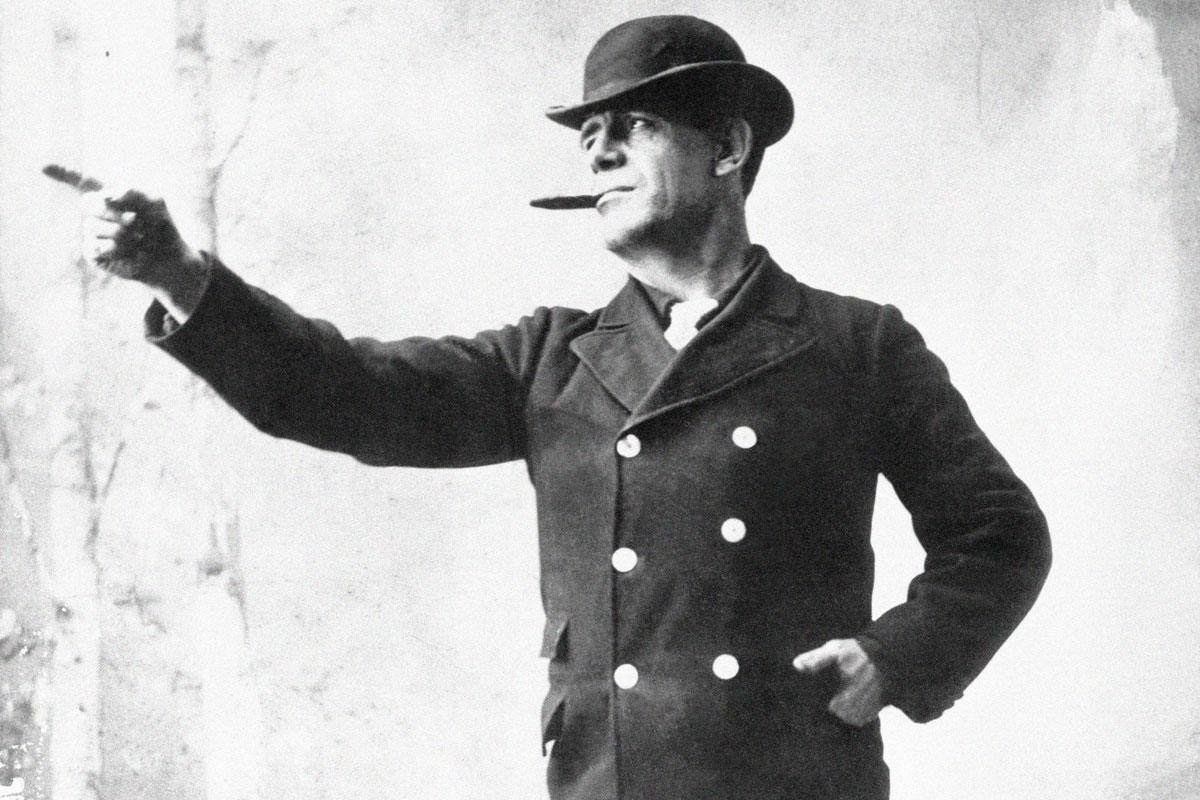
The other theory is thoroughly American, however. In the late 19th century, a New York City character and sometime gangster named George Washington O’Connor — not a Charles at all — became locally famous as the self-styled “Mayor of Chinatown.” He supposedly picked up the nickname Chuck in the neighborhood, possibly from the Chinese community (where the name was common) or from his own claim that he liked chuck steak. When O’Connor died in 1913, some newspapers mistakenly printed his given name as “Charles,” inadvertently creating a link between Chuck and Charles for readers. Since Charles didn’t have many catchy nicknames at the time, the association stuck.
Hank and Harry for Henry
Henry has been a staple of English naming since medieval times, and it collected not one but two enduring nicknames along the way: Hank and Harry. They come from very different places.
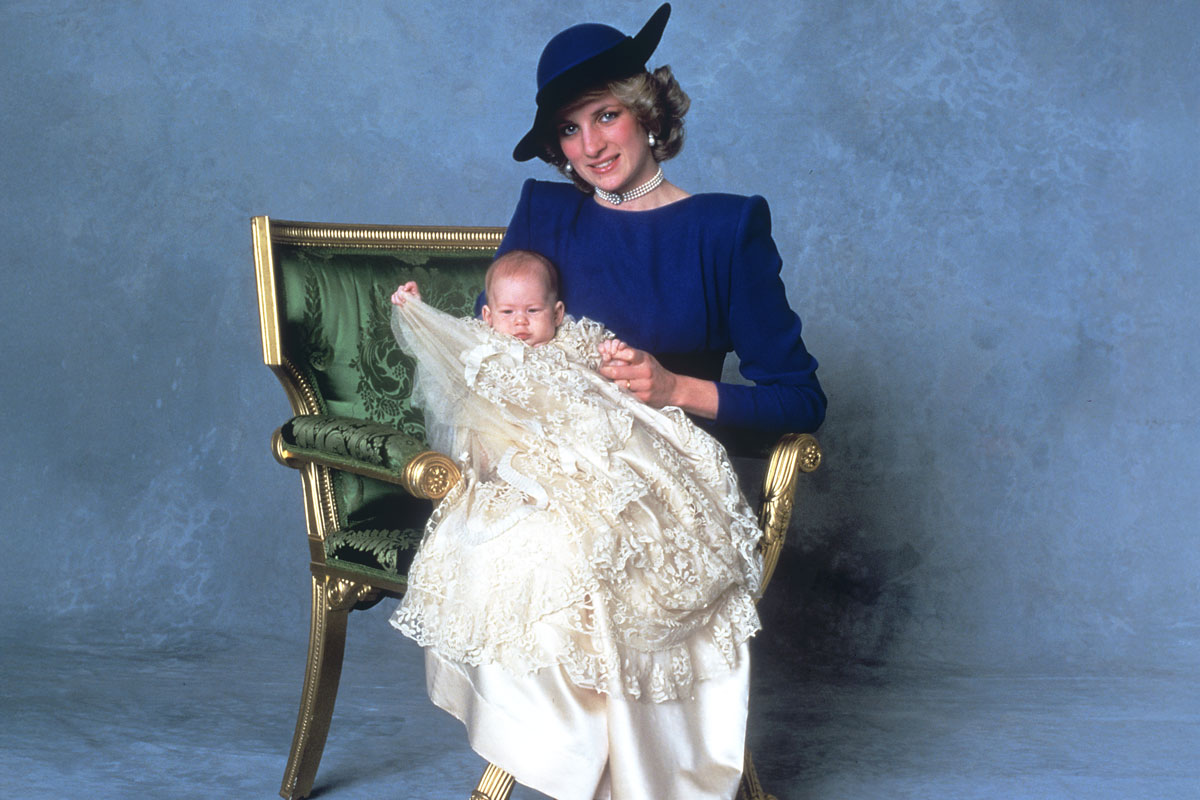
Harry is the older of the two. When the Normans brought the name Henri to England in the 11th century, most people encountered it by ear rather than on the page, and pronounced it however they could manage. The result often sounded more like Harry than Henry. For centuries, Harry was the standard familiar form, used by kings and commoners alike. Many English monarchs named Henry were known as Harry to their subjects — a tradition that continues today with Prince Harry.
Hank has a murkier, more American origin. The most widely accepted explanation is that it traces back to Dutch influence. The Dutch form of Henry is Hendrik, whose diminutive is Henk. In areas with strong Dutch settlement — especially New York and New Jersey in the 17th and 18th centuries — Henk likely morphed into Hank. By the time the name spread across the United States, it had a distinctly American feel and became especially popular with cowboys, country musicians, and mid-20th-century parents looking for something sturdy and informal.
Sally for Sarah
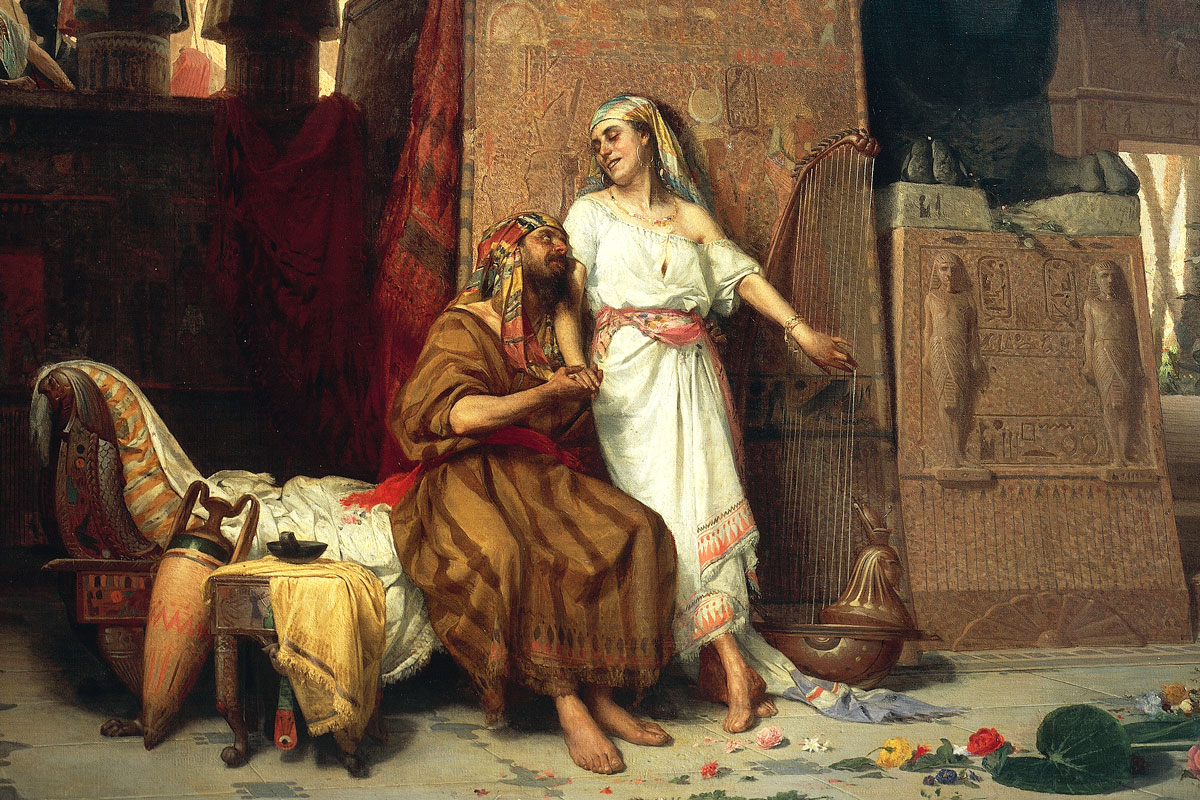
Sally may sound like a name all its own, but it began as a nickname for Sarah, a name with biblical roots in Hebrew. Sarah appears in the Old Testament as the wife of Abraham and the mother of Isaac, and the name remained popular across Europe for centuries. As it spread through English-speaking regions, shortened and familiar forms naturally followed.
One likely explanation for the shift from Sarah to Sally lies in speech patterns, especially in early English and child speech, where the “r” sound is often softened into an “l” sound. Through this kind of sound change, Sarah could become Salah and eventually Sally. By the Middle Ages, Sally was established as a common diminutive in England.
One likely explanation for the shift from Sarah to Sally lies in the way certain sounds changed in early English. In some Middle English dialects, the “r” at the end of unstressed syllables was pronounced more softly or less distinctly, which helped familiar forms such as Sary drift toward Sally. Children reinforced the pattern — “r” is a late-developing sound, and young speakers often replaced it with “l.” By the Middle Ages, Sally was established as a common diminutive in England.
By the 18th and 19th centuries, Sally was widely used as an affectionate nickname for girls named Sarah and was increasingly adopted as a given name in its own right. While it’s less common today, Sally remains a clear example of how pronunciation — not logic — often shaped historical nicknames.
Jack for John
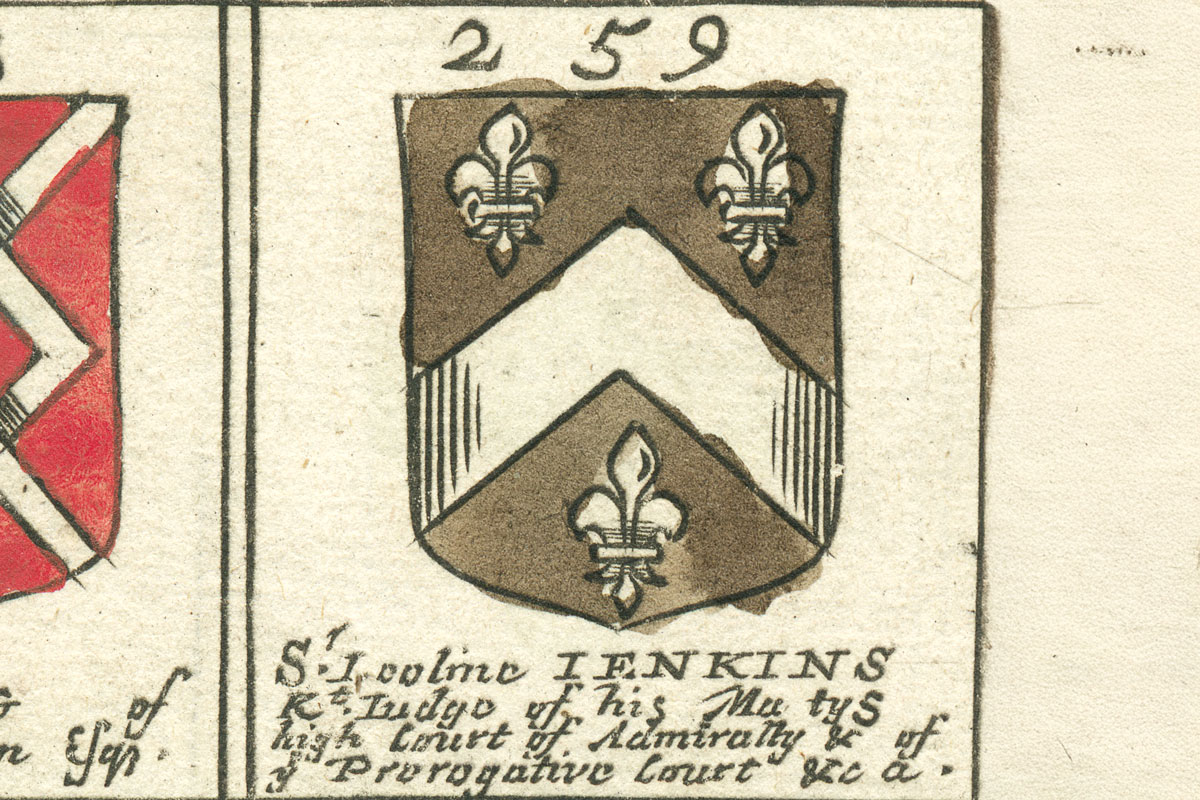
One likely explanation for the link between John and Jack traces Jack back to a medieval habit of adding the suffix “-kin” to create affectionate or diminutive forms of names. John was sometimes written as Jen or Jan, which could become Jenkin — meaning “little John.” That form was gradually shortened to Jenk and then Jack. Similar “-kin” names survive today in surnames such as Wilkinson and Perkins.
Another theory points to linguistic overlap following the Norman Conquest, when French names and pronunciations flowed into the English language. The French name Jacques, while technically a form of James, may have influenced the sound and spread of Jack as a familiar name. However it happened, Jack became so entrenched that it outgrew John entirely, evolving into a name all its own, as well as a term meaning “everyday guy.”
Polly for Mary
Polly isn’t commonly used as a nickname for Mary today, but you’ll see it all over older genealogical records. The link comes from a medieval pattern in which familiar forms of names were reshaped through rhyme or sound shifts. In this case, Mary became Molly (perhaps because children often pronounce “r” sounds as “l” sounds, as we’ve mentioned), and Molly was then rhymed to Polly.
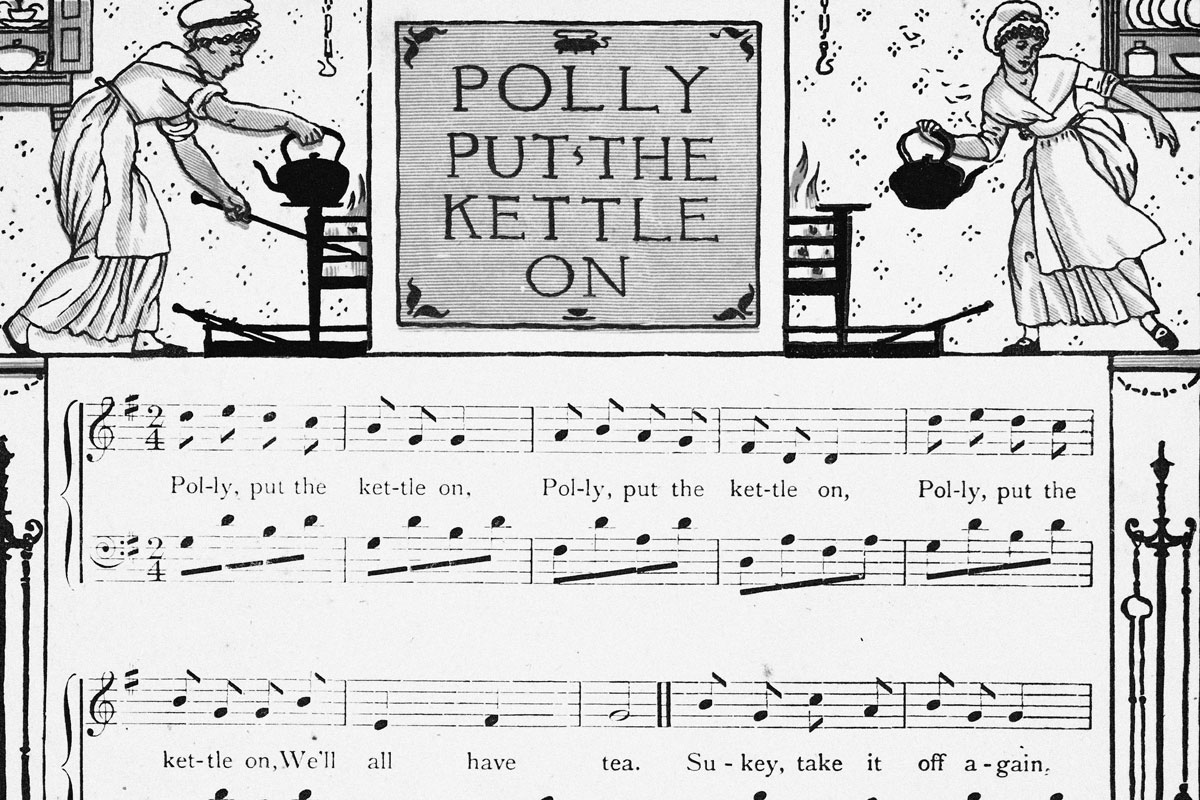
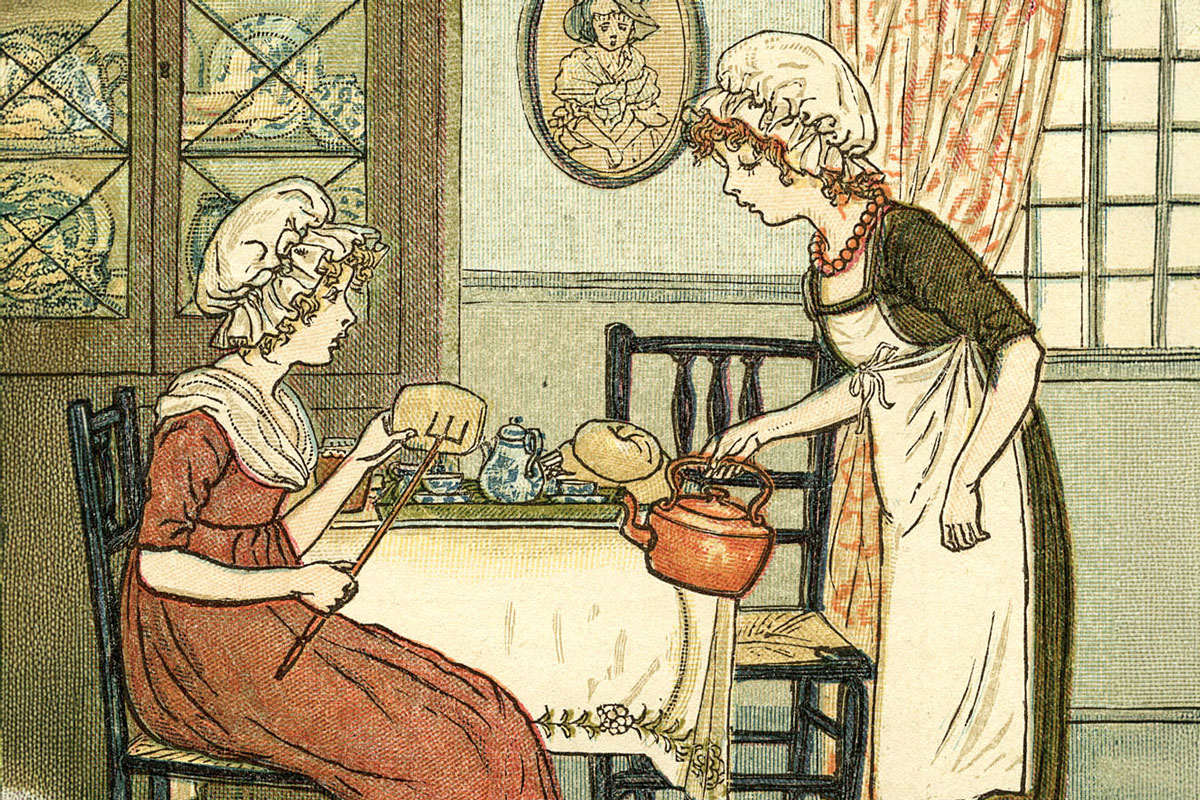
By the 18th century, Polly had become a popular nickname for women named Mary, particularly in the United States. The name also gained a big cultural boost from literature and song: It appeared in the 1728 opera The Beggar’s Opera and in the 18th-century nursery rhyme “Polly Put the Kettle On,” which helped cement it in the public imagination.
Today, Polly is no longer tied strictly to Mary. It’s sometimes used as a nickname for names including Pauline or Apollonia, and many parents use it as a standalone given name because of its simplicity and nostalgic charm. Even if its original connection to Mary has faded, Polly remains a vivid example of how rhyming nicknames once shaped everyday identity.


