




7 Common Foods That Used To Be Status Symbols

Today, foods that signal wealth might include caviar, truffles, or a steak gilded with edible gold. But status is a fickle thing. Many foods now languishing in spice cabinets, supermarket aisles, or neglected crudité platters once served as a way to proclaim their owners’ prosperity.
Some of these foods were scarce imports carried across oceans; others demanded special equipment or days of servants’ labor. Advances in agriculture, manufacturing, and transportation eventually brought them within reach of ordinary households — and gave the upper crust reason to find something else to show off.
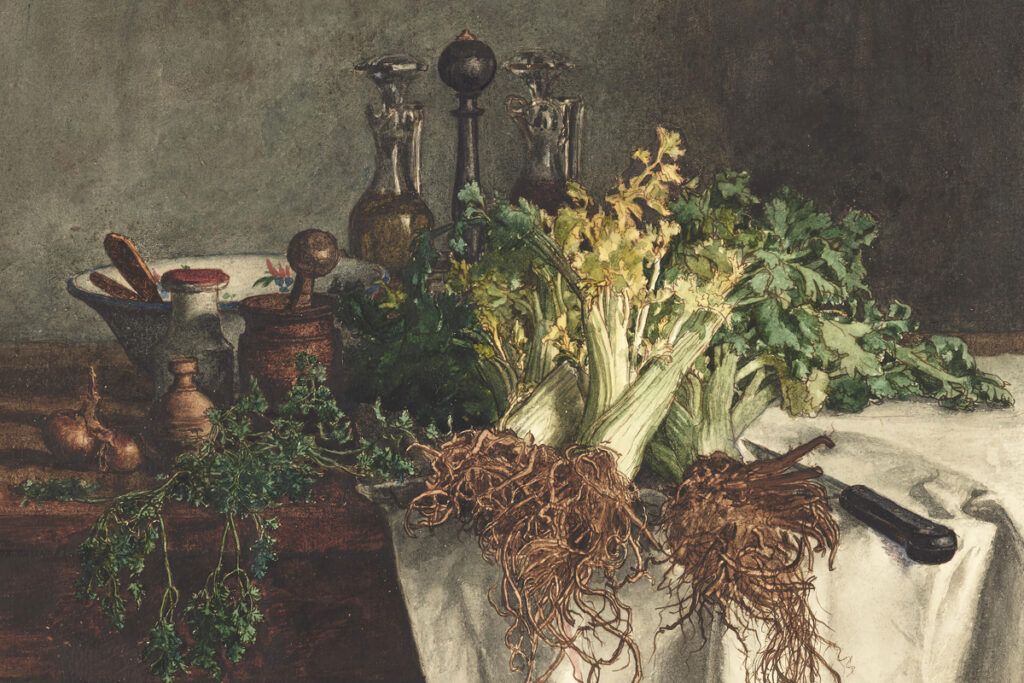
Celery
For wealthy 19th-century Americans, one of the most elegant additions to the dinner table was a towering centerpiece of celery. The vegetable was considered difficult to cultivate, in part because growers had to “blanch” it by piling soil around the stalks to protect them from sunlight, making them paler, sweeter, and less bitter than their wild cousins. (At the time, pale yellow was seen as the ideal color for celery.) From roughly the 1830s through the 1880s, hosts displayed entire bunches of celery upright in specially made glass or silver celery vases, much like flower arrangements.
The introduction of the easier-to-grow Golden Self-Blanching variety around 1884 helped turn the prized vegetable into an ordinary one. The vases gradually disappeared, and celery began its long descent toward becoming the last thing left on the veggie platter.
More from our network





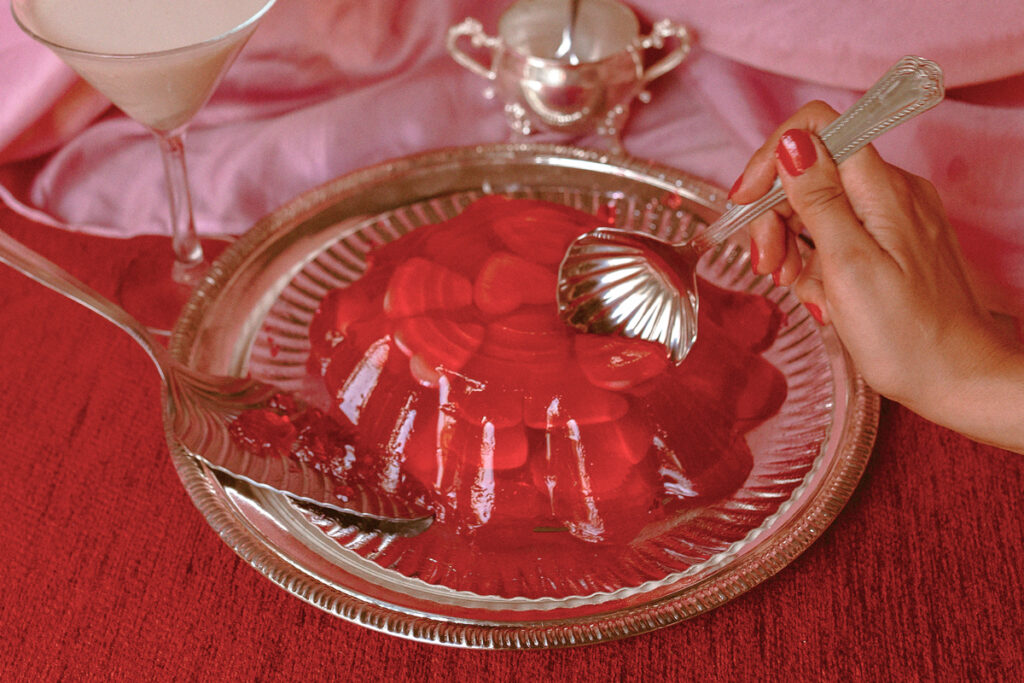
Gelatin
Modern gelatin requires little more than opening a packet and adding water. But its ancestors required boiling animal bones or calves’ feet for days, then repeatedly straining, clarifying, and cooling the extracted collagen. Few households could spare the time or labor, which led elaborate (and sometimes bizarre) molded jellies and aspics to become centerpieces on elite tables. From the medieval era to roughly the mid-19th-century, serving one announced that you possessed a well-equipped kitchen and plenty of household help.
American engineer and inventor Peter Cooper patented a powdered “portable gelatin” in 1845, but the biggest transformation came after the Jell-O brand arrived late in the century. Early advertisements promised that ordinary homemakers could serve what rich people ate for just 10 cents a box.
Pineapples
Europeans went wild for pineapples after encountering the fruit in the Americas, but supplying inventory to meet that enthusiasm proved difficult. Pineapples frequently rotted during long ocean voyages, while growing them in northern Europe required hothouses and specialist gardeners. Around the 1600s, the fruit became such a recognizable emblem of wealth that it appeared in architecture, furniture, linens, and tableware. Affluent hosts displayed actual pineapples as centerpieces, sometimes keeping them until they began to spoil. Those unable to buy one could rent a pineapple from a confectioner for an evening of entertaining. By the 20th century, steamship transportation, commercial plantations, and canning finally made the fruit affordable to eat rather than merely admire on the dinner table.

Ice Cream
Before mechanical refrigeration, serving ice cream in summer implied that someone had harvested ice in winter, transported it home, and preserved it for months in an insulated icehouse. Making the dessert also required costly sugar and cream, plus the tedious work of stirring a container set inside a bucket of ice and salt. By the 18th century, European confectioners were molding ices into elaborate fruits and flowers for royalty, flavored with botanicals such as orange blossom, jasmine, and rose.
Wealthy Americans adopted the spectacle: George Washington owned a “Cream Machine for Making Ice,” as it was known, while Thomas Jefferson’s papers preserved a handwritten vanilla ice cream recipe. At Monticello, filling the icehouse in 1803 required 62 wagonloads. The invention of the hand-cranked freezer in 1843 expanded commercial ice cream supplies, and eventually electric refrigeration brought the frozen dessert to the wider public.
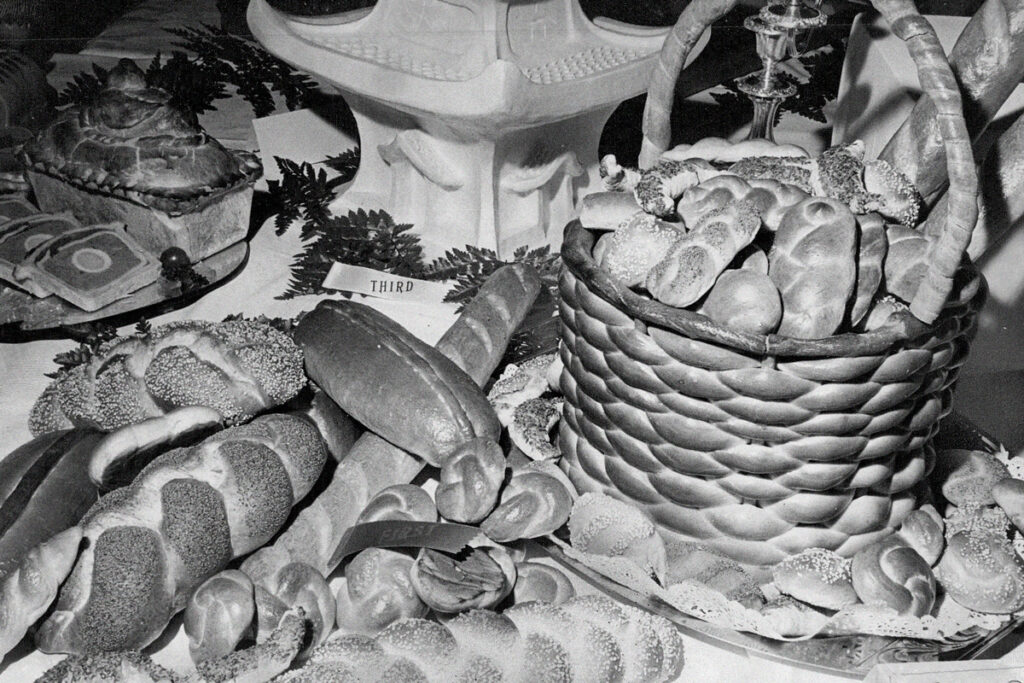
White Bread
Long before mass-produced sandwich bread became a byword for blandness, an airy white loaf reflected considerable means. Wheat was costlier than grains such as rye and barley, and refining it required repeatedly sifting away the bran and germ — discarding nutritious portions that people dependent on bread could scarcely afford to waste.
Small white loaves and rolls consequently appeared on elite tables, while laborers ate dense, dark breads made from mixed grains and sometimes peas. Until milling became industrialized in the 19th century, white bread remained closely associated with wealth. Modern food culture has nearly reversed that symbolism: Supermarket white bread is cheap, while a rustic whole-grain loaf can command a premium.
Cloves
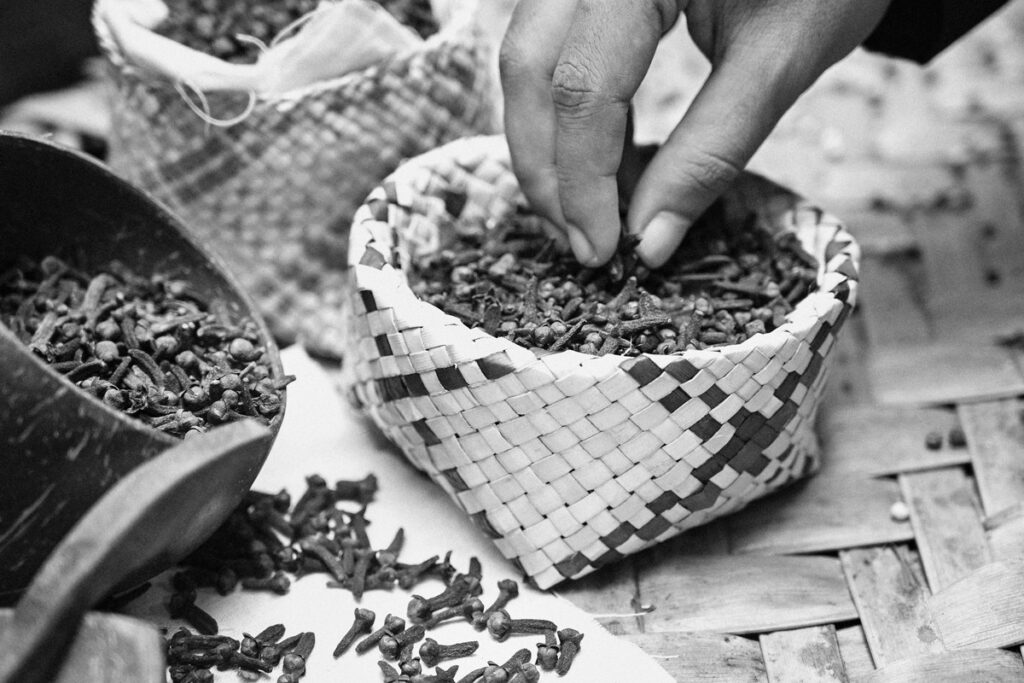
Cloves now spend much of the year forgotten in spice cabinets, awaiting the arrival of mulled cider, eggnog, or holiday ham. But in medieval Europe, these dried flower buds were a delicacy shrouded in myth. They traveled from a small group of islands in present-day Indonesia, although their location was so well-protected that some outsiders thought they were cultivated by genies. In the 15th century, they cost a skilled London artisan nearly five days’ wages per pound. Wealthy hosts displayed their means by seasoning numerous dishes and even filling fountains with fragrant spiced wine.
European demand eventually led to a violent competition to control the clove trade. In the 17th century, the Dutch East India Company ordered clove trees outside its territory uprooted and burned to protect its monopoly. That monopoly weakened after clove seedlings were smuggled to Mauritius in 1770, and cultivation subsequently spread through the Indian Ocean.

Vanilla
The word “vanilla” now describes anything conventional, plain, or unadventurous — an odd fate for a flavor once enjoyed largely by royalty and aristocrats as a symbol of colonial wealth. Native to Mexico and Central America, vanilla initially reached Europe as an accompaniment to another luxury import: chocolate.
Around 1602, Queen Elizabeth I’s apothecary, Hugh Morgan, reportedly created sweets flavored with vanilla alone, which the queen adored. Attempts to cultivate the orchid elsewhere produced flowers but few pods until 1841, when Edmond Albius, an enslaved 12-year-old on Réunion (a French island in the Indian Ocean), developed the efficient hand-pollination technique still used today. Cultivation spread, but real vanilla remained laborious and expensive to produce. Beginning in the late 19th century, inexpensive synthetic vanillin helped transform the formerly exotic spice into the default flavor of cookies, cakes, sodas, and ice cream.


