



A Victorian Guide to Sleeping Well
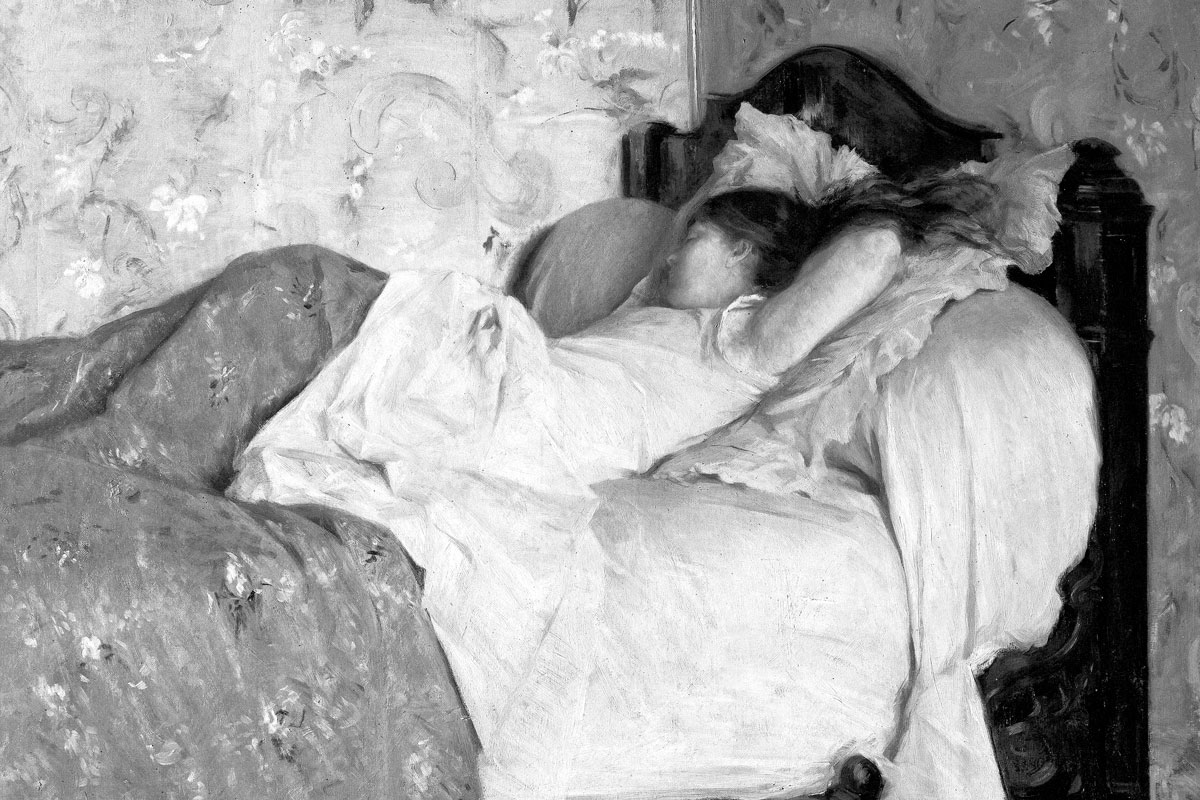
It’s easy to assume that earlier generations slept more easily than we do today, untroubled by modern stress, artificial lighting, and digital overload. But people in the Victorian era — living at the dawn of industrial modernity — would have recognized much of our anxiety. They worried intensely about sleep, and advice on how to obtain it filled newspapers, magazines, and medical manuals.
In 1900, British neurologist William Broadbent wrote, “Sleeplessness is one of the torments of our age and generation.” Meanwhile, the popular Cassell’s Family Magazine frequently ran articles with titles such as “On Sleep and Nervous Unrest” and “Why Can’t I Sleep?”
For many Victorians, sleep was not just a biological process. It was also understood as a moral, emotional, and mental discipline, shaped by religious beliefs and emerging medical theories about the nervous system. Good sleep, experts argued, depended on calm habits, emotional restraint, and mental order. Restlessness, anxiety, and overstimulation were seen as obstacles to both health and character.
Yet while Victorian worries about sleep feel familiar, their sleeping habits might not. Indeed, closer examination reveals that what we now consider normal, uninterrupted rest is largely a modern invention. Here’s a look at how people slept in the Victorian age.
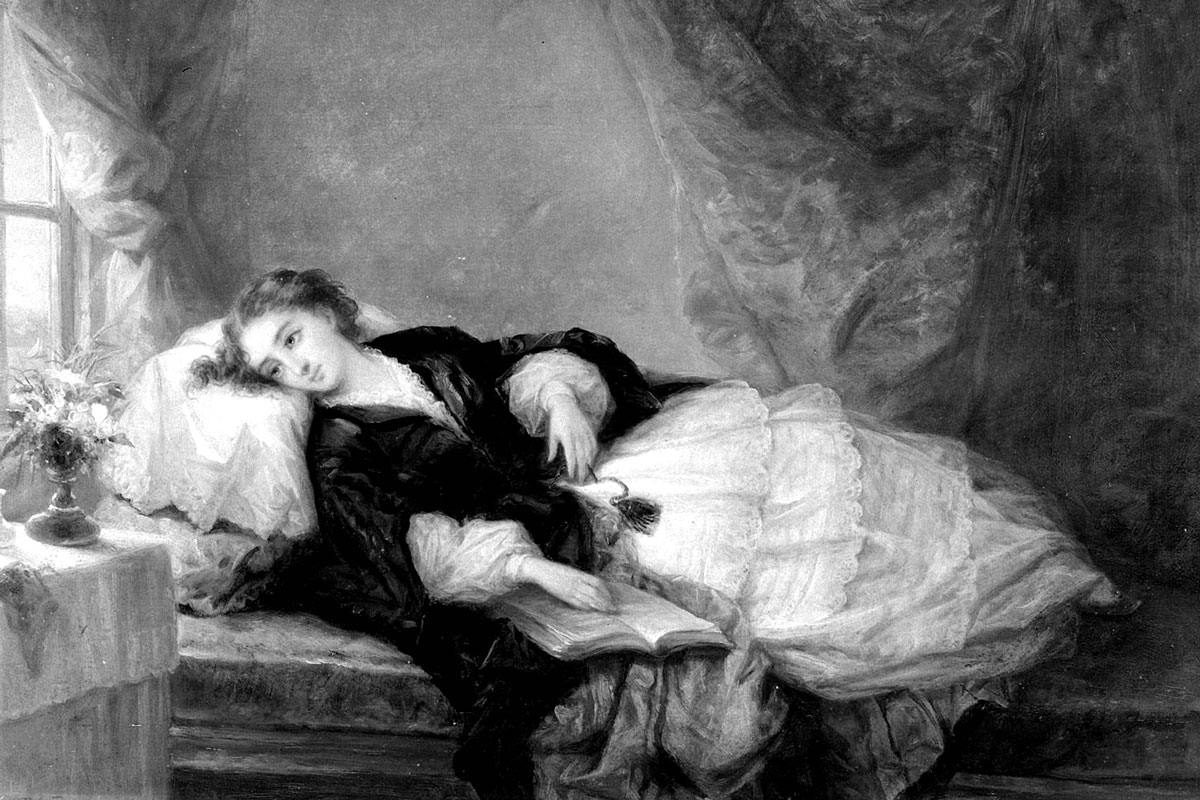
They Went to Bed Early
The Victorian era stretched across more than 60 years (Queen Victoria reigned from 1837 to 1901) and encompassed wide differences in class, occupation, and geography. Naturally, sleep habits varied between rural and urban households, between working families and the wealthy, and across the seasons. But for most people, natural light was the primary regulator of daily life, and Victorian daily schedules followed daylight far more closely than our modern routines.
Before electric lighting became common in the late 19th century, evenings tended to end early, not long after dark. Oil lamps, candles, and gaslight were expensive, dim, and labor-intensive, encouraging households to wind down after supper, typically eaten between 5:30 p.m. and 7 p.m. Evenings were spent reading, sewing, writing letters, or in quiet conversation before bed. In working- and middle-class households, bedtime commonly fell between 8 p.m. and 10 p.m., often earlier in winter. Among the upper and upper-middle classes, urban social life could stretch later, especially for formal dinners and parties, but these late nights remained occasional rather than routine.
Morning schedules were shaped by work and daylight. Rural laborers often rose before dawn, especially during planting and harvest seasons, while urban workers and domestic servants typically began their days early as well, with shifts starting between 6 a.m. and 8 a.m. As a result, most Victorians rose between 5 a.m. and 6:30 a.m., depending on the season and their occupation. For many families, especially outside major cities, this rhythm produced nights of roughly eight to nine hours in bed, even longer in winter — though these extended nights were not designed for uninterrupted sleep.
You may also like

More from our network




They Woke Up at Night
Instead of a single, uninterrupted stretch of rest, many Victorians followed what historians call segmented or biphasic sleep. After going to bed, they slept for roughly three to four hours — known as the “first sleep.” They then woke naturally around midnight and remained awake for an hour or more before returning to bed for a “second sleep,” lasting until morning.
This pattern is well documented in diaries, medical texts, and literature from early modern Europe through the 19th century. Historian Roger Ekirch, who pioneered the modern study of segmented sleep, found hundreds of references to “first sleep” and “second sleep” in English-language sources alone.
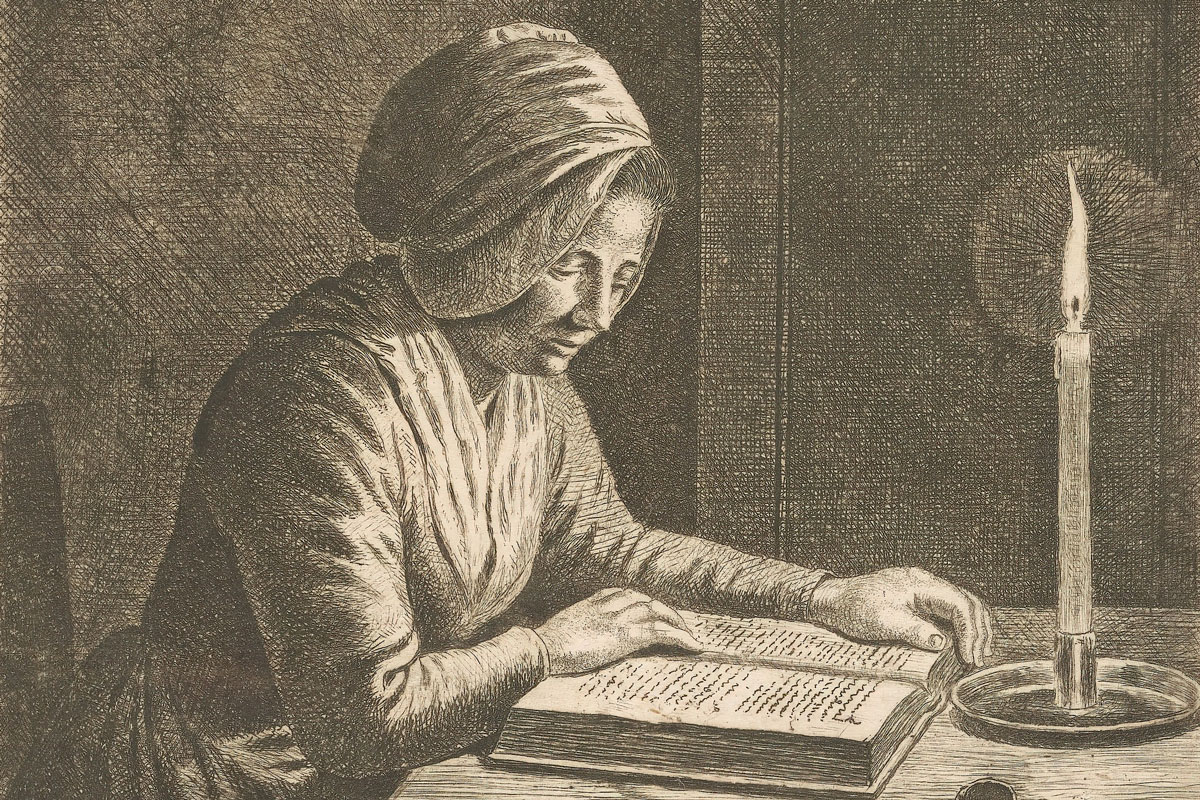
This waking interval was not treated as insomnia. In fact, it was widely regarded as normal and even beneficial. People prayed, reflected, talked quietly, read by candlelight, checked the fire, or tended animals and household tasks. Religious writers saw it as an ideal time for spiritual contemplation, while physicians believed the mind was less overstimulated and more receptive during these hours.
It was only in the late 19th and early 20th centuries — as artificial lighting, factory schedules, and later bedtimes compressed the night — that the concept of eight uninterrupted hours of sleep became the cultural expectation. In total, Victorians likely slept seven to eight hours a night, much like today, but it was divided into two distinct phases.
They Made Their Bed a Sanctuary
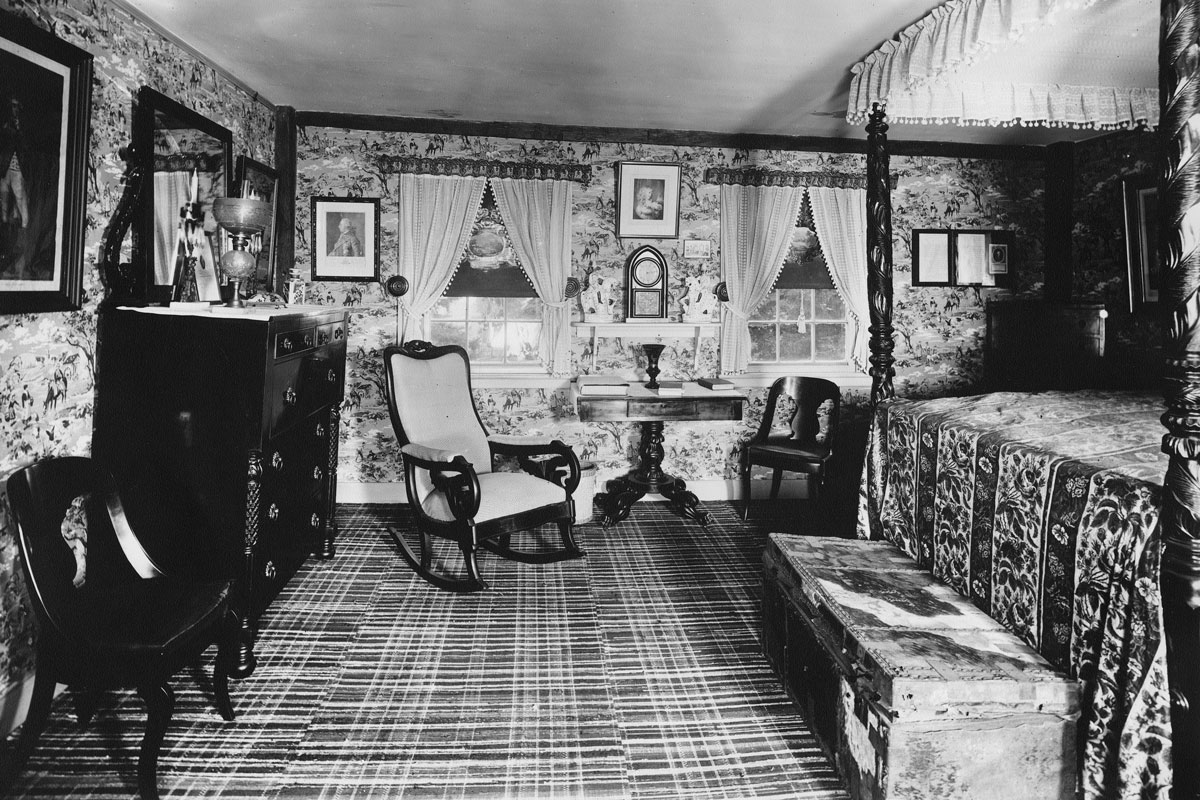
Victorian bedrooms were designed to support longer nights in bed. Rather than heating entire rooms, people focused on warming the bed. Fireplaces often went out overnight, and coal or wood was expensive. Instead, heavy quilts, layered blankets, and featherbeds trapped body heat while the surrounding air remained cool.
Fresh air and sunlight were widely believed to be essential to health. Advice of the era recommended bedrooms be bathed in sunlight and well ventilated during the day, and windows were often left partially open even in cold weather and at night. While people’s understanding of germs and disease was incomplete at the time, these recommendations likely helped improve quality of sleep.
Beds themselves reinforced rest, marking a clear boundary between daytime activities and sleep. Many featured curtains or partial enclosures, which reduced drafts, conserved warmth, and created a protected sleeping space within the larger room. In contrast to modern bedrooms that double as offices, media rooms, and gyms, the Victorian bedroom served a singular purpose: preparing the body and mind for rest.


